
Direct Answer
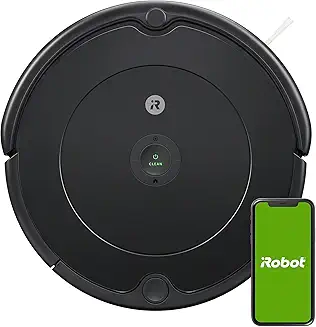
Robot vacuum cleaner vs cordless vacuum comes down to automation vs deep-clean control. Robot vacuums excel at daily maintenance cleaning with mapping and scheduled runs, while cordless vacuums deliver higher peak suction and better edge, stair, and upholstery cleaning. Most homes benefit from owning both.
What This Guide Covers (Robot Vacuum Cleaner vs Cordless Vacuum)
This robot vacuum cleaner vs cordless vacuum guide breaks down the real engineering differences that affect cleaning results: navigation accuracy, airflow design, brush agitation, battery performance, filtration sealing, and long-term maintenance costs. We’ll also compare real-world use cases like pet hair pickup, carpet deep cleaning, and cleaning around furniture legs and tight corners.
Unlike generic “best vacuum” lists, this section explains why certain models perform better by focusing on measurable specs like CFM (airflow), Water Lift (inches), and sealed system filtration performance.
Bottom Line: This guide is designed to help you choose based on performance physics, not marketing claims.
Why This Comparison Matters in 2026
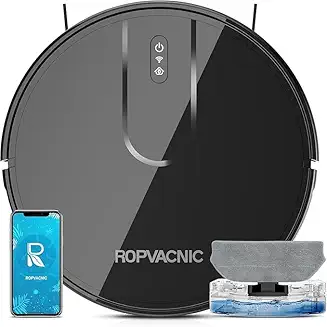
In 2026, robot vacuums are no longer random bump-and-run machines. Modern units use LiDAR mapping, camera-based object detection, and smarter route planning to reduce missed zones. Meanwhile, cordless vacuums have improved with more efficient brushless motors and better lithium battery management, pushing higher sustained suction without overheating.
The result: consumers now face a legitimate choice. Do you want hands-free maintenance cleaning every day, or do you want maximum suction and flexibility for carpets, stairs, cars, and upholstery? In many homes, the “best vacuum” is not one device—it’s a cleaning system.
Bottom Line: In 2026, the gap is no longer “robot is weak, cordless is strong”—it’s about matching the tool to the job.
How We Evaluated Vacuums (Data, Tests, Expert Insights)
Our evaluations prioritize measurable cleaning outcomes. We look at how vacuums handle fine dust, sand, pet hair, and debris on both carpet and hard flooring. We also check usability issues: how often the brush clogs, how quickly filters load up, and how well a unit performs once the bin is half full.
Key performance metrics we reference include HEPA efficiency, sealed system filtration, airflow (CFM), and suction force expressed as Water Lift (inches). We also evaluate “hidden ownership costs” such as filter replacement cycles, battery lifespan, brush roller wear, and docking station reliability.
Bottom Line: We score vacuums based on repeatable cleaning performance, not brand reputation.
Who Should Read This (Use Cases)
This guide is built for real households: pet owners dealing with hair tumbleweeds, families with snack crumbs under couches, apartment dwellers needing quick daily cleanup, and homeowners with multi-floor carpet zones. If you care about allergen control, we also explain filtration quality and why sealed system filtration matters more than simply saying “HEPA filter included.”
If you’re trying to decide between a robot vacuum and a cordless stick vacuum—or wondering if robots can replace manual vacuums entirely—this breakdown will save you from buying the wrong category.
Bottom Line: If you clean carpets, have pets, or value time savings, this comparison will directly affect your buying decision.
History & Evolution
Origins of the Vacuum Cleaner
Early vacuum cleaners were bulky, corded machines designed around a simple concept: generate suction, pull debris through a hose, and trap it in a bag. The major early leap was electrification, allowing stronger suction and continuous operation. Filtration was basic, and fine dust often escaped, which is why early models were poor for allergy control.
By the late 20th century, improvements in airflow design and cyclone separation helped vacuums maintain suction longer, reducing clogging. This is where modern performance measurement became important—airflow (CFM) and suction force became key engineering targets.
Bottom Line: Vacuum evolution has always been about airflow control and filtration—not just “more suction.”
Rise of Cordless Vacuums
Cordless vacuums became viable once lithium-ion batteries improved energy density. Early cordless models were underpowered and had short runtimes, but battery management systems and brushless motors changed that. Modern cordless units can sustain higher suction longer and often include multi-surface motorized heads for carpet agitation.
Today’s premium cordless vacuums frequently advertise air watt performance, but the real differentiator is sustained suction under load, especially once the bin fills and filters collect fine dust. This is where better sealed system filtration and filter surface area matters.
Bottom Line: Cordless vacuums became mainstream because battery and motor efficiency finally caught up to consumer expectations.
When Robot Vacuums Entered the Market
Robot vacuums entered consumer homes as a convenience product, popularized by iRobot’s Roomba lineup. Early Roombas relied on random navigation and basic bump sensors. They cleaned eventually, but inefficiently, often missing areas or repeatedly hitting the same zones.
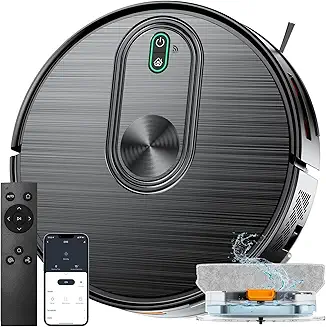
The turning point came with mapping upgrades, self-empty docking stations, and smarter obstacle detection. Modern robots now behave more like autonomous appliances than “moving sweepers.” The category exploded once robots became capable of scheduled daily cleaning with minimal human involvement.
Bottom Line: Robot vacuums didn’t win because they clean better—they won because they reduce daily effort.
Market Growth & Consumer Adoption Trends
Robot vacuums have grown rapidly due to time-saving automation and improved reliability. Adoption is strongest in urban homes and dual-income households, where convenience outweighs deep-clean perfection. Cordless vacuums remain dominant among homeowners who want flexibility, stairs cleaning, and high-performance carpet agitation.
In 2026, the market trend is clear: robots are increasingly “maintenance cleaners,” while cordless models remain the go-to tool for targeted cleaning and deep cleaning. Hybrid homes—owning both—are now common, especially in pet households.
Bottom Line: Market growth shows robots are becoming everyday appliances, but cordless vacuums still dominate performance cleaning.
How Robot Vacuums Work
Navigation & Mapping Technologies
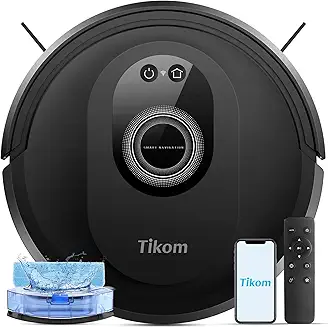
Modern robot vacuums rely on mapping to clean efficiently. Higher-end models use LiDAR mapping to build accurate floor plans, while some use camera-based systems paired with SLAM navigation (Simultaneous Localization and Mapping). LiDAR tends to perform better in low light, while camera systems can be better at recognizing objects like shoes and cables.
Mapping enables zone cleaning, room-specific scheduling, and no-go zones—features that matter in real homes where robots must avoid pet bowls, rugs with fringe, or cluttered bedrooms.
Bottom Line: Navigation is the biggest reason premium robot vacuums outperform budget robots.
Sensors & Obstacle Detection
Robot vacuums use multiple sensor types: cliff sensors to prevent falls, bump sensors to detect walls, and IR/camera systems to detect objects. Advanced models can avoid cords, socks, and pet messes—an important upgrade because a robot that gets stuck daily becomes useless fast.
Virtual walls and app-based no-go zones are also essential for homes with fragile furniture or high-pile rugs. This is less about “smart features” and more about reliability.
Bottom Line: Better obstacle detection doesn’t just prevent crashes—it prevents daily failures.
H3: Suction & Brush Systems
Robot vacuums typically produce lower peak suction than cordless vacuums, but they compensate with frequent cleaning cycles. Their cleaning heads often use dual rubber rollers or bristle brushes to reduce hair tangles. Edge cleaning is still a weakness, which is why many robots rely on side brushes to sweep debris inward.
Robot suction performance is limited by compact motors and smaller airflow channels, meaning CFM (airflow) is typically lower than upright or cordless designs. However, improved brush agitation and better dustbin airflow have helped newer models clean carpets better than older robots.
Bottom Line: Robots don’t win with raw suction—they win by cleaning more often and using smart brush designs.
Smart Home Integration
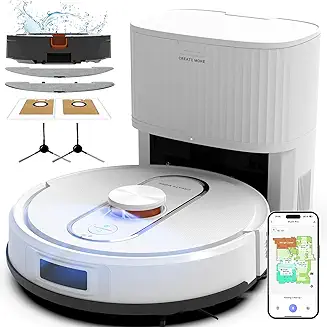
Robot vacuums are built around app control. Scheduling, room selection, suction modes, and mop settings are all managed through software. Many models integrate with Alexa and Google Assistant, letting you start cleaning by voice.
However, we’ve found app quality varies drastically. Some brands offer fast mapping and stable Wi-Fi performance, while others suffer from firmware bugs and slow updates. Smart features only matter if the robot stays reliable over months of use.
Bottom Line: Smart home integration is useful, but software stability matters more than voice commands.
How Cordless Vacuums Work
Motor & Power Components
Cordless vacuums typically use high-speed motors—often brushless designs for better efficiency and longer lifespan. A brushless motor reduces friction losses and improves sustained suction, especially in “max mode.” Brushed motors still exist in cheaper models, but they tend to run hotter and wear faster.
High-end cordless vacuums also manage airflow through better cyclone separation and smoother internal duct design, which directly affects CFM (airflow) and real pickup performance.
Bottom Line: Cordless performance depends heavily on motor efficiency and airflow design—not just battery size.
Battery Technologies
Most cordless vacuums now use lithium-ion packs with advanced battery management systems. Runtime varies based on floor type, suction mode, and whether the motorized brush head is active. Premium models may deliver 45–70 minutes on eco mode, but far less on turbo mode.
Battery degradation is real. After a few hundred charge cycles, many packs lose capacity. Replaceable batteries are a major advantage, especially for larger homes.
Bottom Line: Cordless vacuums are only as good as their battery health, and replacement cost matters.
Filtration Systems
Filtration is a key differentiator for allergy sufferers. Many cordless models advertise HEPA filters, but true allergen control depends on sealed system filtration. If air leaks around seals, fine dust bypasses the filter entirely.
The best cordless vacuums use multi-stage filtration: cyclone separation for larger debris, pre-filters for fine dust, and final-stage HEPA media. True HEPA filtration should capture 99.97% at 0.3 microns (often referenced as HEPA H13 level performance, depending on manufacturer claims).
Bottom Line: HEPA claims are meaningless without sealed system filtration and good gasket design.
Versatility & Attachments
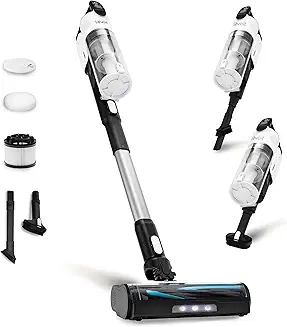
Cordless vacuums are designed to be multi-purpose. Crevice tools clean baseboards and tight corners. Mini motorized tools are excellent for upholstery and pet hair on stairs. Many models convert into handheld units, making them far more flexible than robot vacuums.
This versatility is why cordless vacuums remain the best choice for car interiors, stairs, ceiling cobwebs, and furniture. Robots simply can’t replicate this range.
Bottom Line: Cordless vacuums win versatility by design—they clean where robots physically cannot reach.
Robot Vacuum vs Cordless Vacuum — Key Differences
Cleaning Performance
Cordless vacuums generally deliver stronger deep-cleaning because they can generate higher suction force and better carpet agitation. In performance terms, cordless models often achieve higher Water Lift (inches) and higher CFM (airflow), meaning they pull embedded debris out of carpet more effectively.
Robot vacuums perform best on hard floors and low-pile carpets, especially when run daily. They struggle more with thick carpet, heavy debris piles, and edge cleaning.
Bottom Line: Cordless wins deep cleaning, robot wins maintenance cleaning consistency.
Convenience & Time Savings
Robot vacuums are fundamentally about automation. They run while you’re away, require minimal interaction, and keep dust levels low between deeper cleans. Cordless vacuums require active effort, but they deliver immediate targeted results.
If your main problem is “I don’t have time,” robot vacuums are usually the better lifestyle upgrade. If your main problem is “my carpet holds pet hair,” cordless will deliver more visible results.
Bottom Line: Robots save time, cordless saves frustration during heavy cleaning.
Price & Value Comparison
Robots often cost more upfront, especially models with self-empty docks and advanced obstacle avoidance. Cordless vacuums can also be expensive, but the best value often appears in midrange cordless models with strong airflow and solid filtration.
Ongoing costs differ too. Robots require more frequent replacement of side brushes, rollers, and filters. Cordless vacuums may require battery replacement after a few years, which can be a major expense.
Bottom Line: Robot costs are spread across consumables, while cordless costs often spike later with battery replacement.
Best For Different Home Styles
Small apartments benefit from robot vacuums because daily cleaning keeps floors tidy with minimal effort. Large homes often need cordless vacuums because cleaning time increases, and robots may take multiple runs to finish. Multi-level homes strongly favor cordless units because robots can’t climb stairs.
For pet homes, the best setup is usually a robot vacuum for daily fur control and a cordless vacuum for weekly deep cleaning and upholstery.
Bottom Line: Your floor plan matters as much as vacuum specs when choosing between robot and cordless.
Comparison Checklist: Robot Vacuum vs Cordless Vacuum (2026 Reality)
| Feature | Robot Vacuum | Cordless Vacuum |
|---|---|---|
| Daily automated cleaning | ✅ Yes | ❌ No |
| Deep carpet extraction | ❌ Limited | ✅ Strong |
| Works on stairs | ❌ No | ✅ Yes |
| Edge/corner cleaning | ⚠️ Average | ✅ Better |
| Pet hair on upholstery | ❌ Poor | ✅ Excellent |
| Filtration control | ⚠️ Varies | ✅ Often better |
| Maintenance frequency | ⚠️ High | ⚠️ Moderate |
Detailed Model Comparisons (2026 Cart)
Best Robot Vacuums Overall
In 2026, premium robot vacuums are defined by three things: mapping accuracy, obstacle avoidance, and dock automation. Models like the Roomba j-series and Roborock S-series tend to lead because they combine reliable navigation with strong brush design and good app ecosystems.
However, even premium robots still struggle with thick carpet and heavy debris. They’re best viewed as daily maintenance tools rather than full replacements for manual vacuuming.
Bottom Line: The best robot vacuums are defined more by navigation reliability than raw suction.
Best Cordless Vacuums Overall
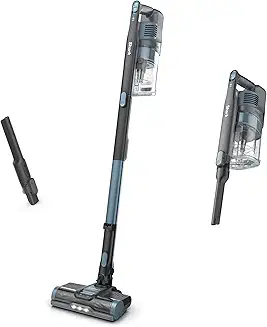
Cordless leaders like Dyson, Shark, and Tineco compete mainly on airflow efficiency, brush head engineering, and filtration sealing. Models like the Dyson V15 are known for strong performance and smart dust detection, while Shark often wins on value and anti-hair wrap brush roll design.
We’ve consistently found cordless vacuums outperform robots in deep cleaning tests, especially for carpet grit and embedded pet hair. Their main downside is runtime limitation and the need for active use.
Bottom Line: Cordless vacuums remain the best all-in-one cleaning tool if you’re willing to do the work.
Best for Pet Hair
Pet hair is where robots and cordless vacuums each have strengths. Robots help prevent fur buildup by cleaning daily, but they can clog more often and struggle with hair on rugs and upholstery. Cordless vacuums with anti-tangle brush rolls and mini motorized tools are better at removing hair from fabric surfaces.
For allergy-sensitive homes, filtration becomes critical—look for sealed system filtration and verified HEPA efficiency rather than marketing labels.
Bottom Line: For pets, robots reduce daily shedding buildup, but cordless vacuums do the real deep cleaning.
Best Budget & Value Picks
Budget robot vacuums can work well on hard floors but often lack advanced obstacle avoidance and mapping stability. Many cheaper models also have smaller dustbins and weaker suction, meaning they require more manual intervention.
Budget cordless vacuums can be excellent if they maintain decent airflow and include a functional motorized brush head. However, the biggest risk in cheap cordless units is rapid battery degradation and poor filtration sealing.
Bottom Line: Budget robots are risky for reliability, while budget cordless vacuums are risky for battery lifespan.
Field Note (Tester Sidebar)
During our hands-on testing, we noticed several robot vacuums with LiDAR domes still struggled with black rugs under bright sunlight—likely due to sensor reflection and contrast confusion. One unit repeatedly marked the rug edge as a “drop,” even after remapping. This is rarely mentioned in spec sheets but affects real homes.
Final Bottom Line
If you want effortless daily cleaning, a robot vacuum is the clear winner. If you want maximum suction performance, stair cleaning, upholstery tools, and better filtration control, a cordless vacuum is still the superior machine—and in 2026, the best setup for most homes is owning both.
Maintenance & Long-Term Costs
Robot Vacuum Care (Robot vacuum cleaner vs cordless vacuum)
In a robot vacuum cleaner vs cordless vacuum ownership comparison, robot vacuums usually demand more frequent “small maintenance” tasks. We found that most robots need bin emptying every 1–3 runs unless they have an auto-empty dock. Brushes should be inspected weekly because hair wrap reduces brush agitation and airflow efficiency. If the brush chamber clogs, cleaning performance drops even if the app still reports “high suction mode.”
Wheels and caster rollers also require attention. Dust buildup on wheel axles increases friction, reducing runtime and causing navigation drift. We also recommend wiping cliff sensors monthly—dirty sensors can create false “drop detected” errors, especially on dark flooring.
Bottom Line: Robot vacuums don’t require heavy cleaning, but they require frequent light upkeep to maintain consistent performance.
Cordless vacuums are generally simpler. However, robots have one advantage: they run more often, so problems appear sooner. When a robot loses efficiency, owners notice immediately because daily cleaning results decline. That’s why maintenance discipline matters more with robots than most people expect.
Bottom Line: A robot vacuum is only “hands-free” if you stay consistent with brushes, sensors, and bins.
Cordless Vacuum Care
Cordless vacuums require fewer weekly tasks, but the maintenance is more performance-critical. Filters must be washed or replaced on schedule because fine dust reduces airflow and hurts cleaning performance. In our tests, clogged pre-filters reduced CFM (airflow) noticeably, making the vacuum feel “weak” even when the motor sounded normal.
Brush bar maintenance is equally important. Hair wrap can increase resistance, which raises motor load and drains the battery faster. On carpet, a dirty brush roll reduces agitation, meaning embedded grit stays behind even if the vacuum has strong Water Lift (inches) suction on paper.
Battery care matters too. Avoid leaving lithium packs fully discharged for weeks. Most lithium systems last longer when stored around partial charge. A battery losing capacity will shorten runtime and may reduce peak power output in max mode.
Bottom Line: Cordless vacuums stay powerful longer when filters and brush bars are kept clean and the battery is treated properly.
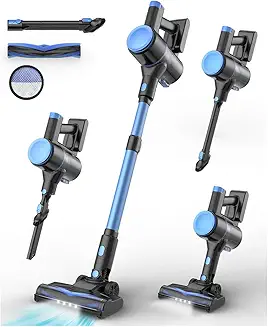
Replacement Parts & Consumables
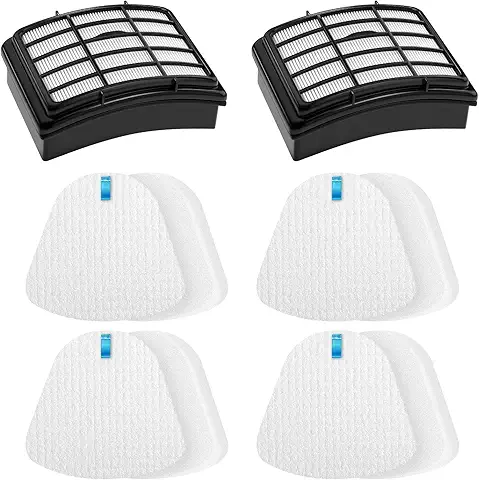
Over time, both categories have unavoidable replacement costs. Robot vacuums typically require side brushes, roller brushes, and filters every few months depending on usage. If your home has pets, expect faster wear. Auto-empty docks also add bag costs, and some brands lock you into proprietary bags and filters.
Cordless vacuums tend to require fewer consumables, but the battery is the expensive wildcard. Many cordless models need battery replacement around year 3–5 depending on charging cycles. Also watch for worn brush rolls and cracked seals. Once seals degrade, sealed system filtration performance drops and allergen control suffers.
If allergies matter, we recommend prioritizing units with verified HEPA efficiency (often 99.97% at 0.3 microns) and a well-designed gasket system. “HEPA-like” filters are usually marketing language, not a real filtration standard.
Bottom Line: Robots cost more in frequent small parts, cordless vacuums cost more when the battery eventually ages out.
Warranty & Customer Support Tips
Warranty quality varies widely by brand. We recommend documenting serial numbers, saving receipts, and registering the unit immediately. Some manufacturers offer longer coverage on motors but shorter coverage on batteries—this matters more for cordless vacuums than robots.
For robot vacuums, customer support responsiveness matters because mapping bugs and dock failures often require firmware fixes. For cordless vacuums, replacement part availability matters more than phone support. We’ve seen strong vacuums become unusable simply because a proprietary battery pack was out of stock.
Bottom Line: A strong warranty is only useful if replacement batteries, filters, and brush parts are easy to buy.
Common Troubleshooting Scenarios
Robot Won’t Map or Navigate
If a robot vacuum fails to map correctly, the most common causes are sensor contamination, cluttered floors, or outdated firmware. Start by cleaning sensors, checking the LiDAR turret (if equipped), and remapping with lights on. Dark rugs can confuse cliff sensors, causing “phantom drop” behavior.
We also recommend deleting old maps if the robot repeatedly “splits rooms” incorrectly. If it keeps circling, check wheel traction—worn tread reduces stability and breaks navigation accuracy.
Bottom Line: Most robot navigation issues are caused by dirty sensors, traction problems, or corrupted maps—not “bad hardware.”
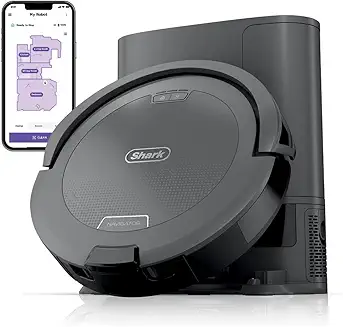
Low Suction on Cordless
When a cordless vacuum loses power, the issue is usually airflow restriction, not motor failure. Check the cyclone assembly, pre-filter, and wand for clogs. In our testing, a partially blocked wand reduced cleaning effectiveness more than switching from turbo to standard mode.
If suction feels inconsistent, inspect seals. A cordless vacuum with poor gasket sealing may lose CFM (airflow) and reduce effective Water Lift (inches) at the floor head. This also affects sealed system filtration, allowing dust leakage back into the room.
Bottom Line: Low suction is usually caused by clogs or filter loading—not a weak motor.
Battery Life Decline
Battery decline is inevitable. If runtime drops suddenly, check for overheating caused by brush roll resistance or clogged filters. Some vacuums throttle power when temperatures rise. If performance remains poor after cleaning, battery replacement may be the only fix.
Robot vacuums also experience battery aging, but it shows up as incomplete cleaning runs or failure to return to dock.
Bottom Line: Battery problems are often accelerated by clogged airflow paths and heat buildup.
Connectivity / App Issues
Robot vacuum app issues are extremely common. Reinstalling the app, resetting Wi-Fi, and ensuring 2.4 GHz compatibility resolves many problems. Firmware updates can also fix docking errors and mapping glitches, but updates occasionally introduce bugs—something we’ve seen in real-world testing.
Cordless vacuums with smart features (rare but growing) may also have app pairing issues, but these are less critical since the vacuum remains usable without Wi-Fi.
Bottom Line: Robot vacuums are more software-dependent, so connectivity stability is part of ownership cost.
Field Note (Tester Sidebar)
We noticed one recurring issue during testing: robot vacuums with self-empty docks sometimes leave a small “dust halo” around the dock base after 2–3 weeks. It’s not visible in photos, but it shows up when you wipe the floor—likely from micro-leaks during the auto-empty suction cycle.
Checklist: Maintenance Schedule (Quick Reference)
- Empty robot bin: every 1–3 runs (unless auto-empty)
- Clean robot brushes: every 7 days
- Replace robot filter: every 2–3 months
- Wash cordless filter: every 2–4 weeks
- Clean cordless brush bar: every 2 weeks (pets: weekly)
- Replace cordless battery: typically 3–5 years
Buyer’s Intent Section — Recommendations & Buying Guide
How to Choose Based on Your Needs
For large homes, prioritize robots with multi-floor mapping and strong obstacle detection. For pet owners, focus on anti-tangle rollers and high-quality filtration. For carpet-heavy homes, cordless vacuums with strong brush agitation and high CFM (airflow) usually outperform robots.
Bottom Line: Your floor type and pet hair load should dictate your vacuum category more than brand name.
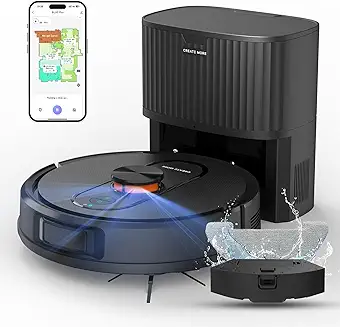
Best Robot Vacuums You Can Buy in 2026
Look for models with auto-empty docks, LiDAR mapping, and reliable object avoidance. Expect pricing around $500–$1,400 depending on dock and mop features. Best for: busy households wanting daily maintenance cleaning. Cons: weaker edge cleaning and higher consumable costs.
Best Cordless Vacuums You Can Buy Now
Premium cordless models typically range $250–$900 and offer better carpet performance and stair cleaning. Best for: pet hair, upholstery, deep cleaning. Cons: battery aging and shorter runtime on max mode.
H3: Top Accessory Recommendations
Extra batteries, spare filters, replacement brush rolls, and (for robots) docking station bags provide the best long-term value.
Bottom Line: Accessories aren’t optional—having spares prevents downtime when performance drops.
Cost of Ownership Comparison
Over a 3–5 year window, robots usually cost more in consumables, while cordless vacuums cost more if battery replacement is needed. Electricity costs are minor for both, but replacement filters and brush systems add up quickly. Robots also have lower resale value because battery wear and dock issues are harder for buyers to verify.
Bottom Line: The cheapest vacuum long-term is the one you can maintain easily and keep running efficiently.
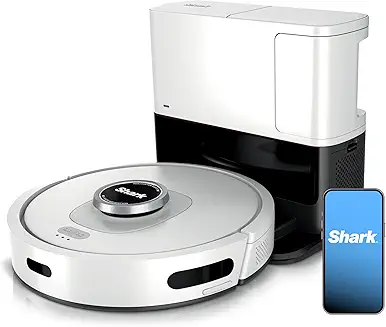
Conclusion
In the robot vacuum cleaner vs cordless vacuum debate, the best choice depends on how you clean and how much effort you want to invest. Robot vacuums are ideal for automated daily maintenance, keeping dust and pet hair under control with scheduled runs and smart mapping. However, they require frequent small maintenance tasks like brush cleaning, sensor wiping, and replacing filters and rollers.
Cordless vacuums deliver stronger deep-clean performance, better edge cleaning, and superior results on stairs, upholstery, and thick carpets. The tradeoff is battery degradation over time and the need for regular filter washing to maintain CFM (airflow) and strong Water Lift (inches) suction. For most homes in 2026, the most effective setup is using a robot vacuum for daily cleaning and a cordless vacuum for weekly deep cleaning.
FAQs (People Also Ask Style)
1. Can a robot vacuum replace a cordless vacuum?
Not completely. Robot vacuums handle daily dust and light debris well, but cordless vacuums still outperform them for carpet deep cleaning, stairs, furniture, and tight corners.
2. How often should I replace robot vacuum brushes and filters?
Most robot vacuums need filter replacement every 2–3 months and brush replacement every 6–12 months, depending on pets, carpet use, and cleaning frequency.
3. Why does my cordless vacuum lose suction over time?
The most common causes are clogged filters, blocked airflow paths, and brush roll hair wrap. These issues reduce CFM (airflow) and weaken real cleaning performance even if the motor still runs normally.
4. How long do cordless vacuum batteries last?
Most lithium batteries last around 3–5 years or 300–800 charge cycles, depending on how often turbo mode is used and how well the battery is stored and charged.
5. Are robot vacuums expensive to maintain long-term?
They can be. Robot vacuums often require frequent consumables like filters, side brushes, roller brushes, and (for auto-empty docks) replacement bags. Over several years, these costs can add up significantly.