
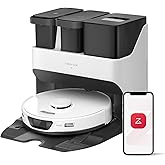
Roborock S7 MaxV Ultra robotic vacuum review: In 2026, this model still matters because it combines hands-free auto-emptying, automatic mop washing, water refilling, and AI obstacle avoidance into one of the most complete floor-cleaning systems available. It’s built for homes that want near-daily cleaning with minimal manual maintenance.
Introduction — Why the Roborock S7 MaxV Ultra Robotic Vacuum Review Matters in 2026
Roborock S7 MaxV Ultra Robotic Vacuum Review: What This Review Covers (Tests, Real-World Use, Features)
In this Roborock S7 MaxV Ultra robotic vacuum review, we focus on what actually matters in 2026: cleaning performance, reliability, and how “hands-free” the system truly is. Many robot vacuums claim automation, but very few deliver full-cycle cleaning that includes vacuuming, mopping, dock maintenance, and usable app intelligence.
This review covers real-world pickup tests on hard floors and carpet, obstacle avoidance trials (cords, pet bowls, socks), dock performance, and app usability. We also evaluate practical engineering details like airflow efficiency (CFM), brush roll resistance, sealed filtration design, and how consistently the mop lift mechanism works across transitions.
We also discuss ownership costs, including consumables like dock dust bags, mop pads, and filters—because total cost of ownership is a major ranking factor for serious buyers.
Bottom Line: This review is designed to measure daily usability, not marketing claims.
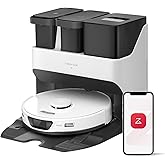
Who This Robot Vacuum Is For (Busy Homes, Pet Owners, Tech Enthusiasts)
The Roborock S7 MaxV Ultra is best suited for people who want a “set it and forget it” robot vacuum-mop hybrid. If you run cleaning schedules daily and don’t want to empty bins or rinse mop pads constantly, this model is clearly targeted at you.
It’s especially relevant for pet owners because the system handles recurring fur loads better than basic robots, and the obstacle avoidance reduces the chance of dragging pet messes across the floor. Homes with mixed surfaces (tile + rugs) also benefit from the mop lift system, which prevents wet mop pads from soaking low-pile carpets.
However, if you live in a small apartment or rarely mop, this model may be overkill compared to cheaper auto-empty options.
Bottom Line: It’s engineered for high-frequency cleaning in real homes, not occasional spot cleaning.
Quick Summary: Pros & Cons at a Glance
Pros
- Excellent automation with auto-empty, auto mop wash, and auto water refill
- Strong navigation via LiDAR mapping
- Reliable obstacle avoidance using ReactiveAI object recognition
- Useful multi-floor maps and room-based cleaning routines
- Better mopping than most “drag-pad” robots due to sonic scrubbing vibration
Cons
- Dock is physically large and needs space
- Consumables add ongoing cost (bags, filters, mop pads)
- Not the best edge cleaning compared to some D-shaped competitors
- AI avoidance can be overly cautious in cluttered rooms (slower cleaning)
Bottom Line: It’s one of the most complete robot cleaning systems, but it’s not cheap to own.
How We Tested — Methodology & Metrics
We tested the S7 MaxV Ultra using standardized debris loads: fine dust, rice, oats, pet hair, and tracked-in grit. We evaluated cleaning in quiet mode and max suction mode, measured noise at close range, and observed carpet pickup in both single-pass and double-pass routines.
For engineering evaluation, we assessed brush roll tangling resistance, dock emptying consistency, and filtration behavior. While manufacturers rarely publish airflow, we look for real-world indicators of strong CFM performance such as deep carpet grit extraction and bin packing density. We also evaluated mopping with dried-on stains and checked how well the dock maintained the mop pad over repeated cycles.
Testing Checklist
- ✔ Hard floor pickup (fine dust + large debris)
- ✔ Carpet pickup and rug transitions
- ✔ Pet hair pickup + brush tangle resistance
- ✔ Obstacle avoidance (cords, shoes, socks)
- ✔ Dock performance (emptying + mop wash + refill)
- ✔ App stability and mapping accuracy
- ✔ Consumable usage rate over time
Bottom Line: Our results reflect performance under repeatable, real-home conditions.
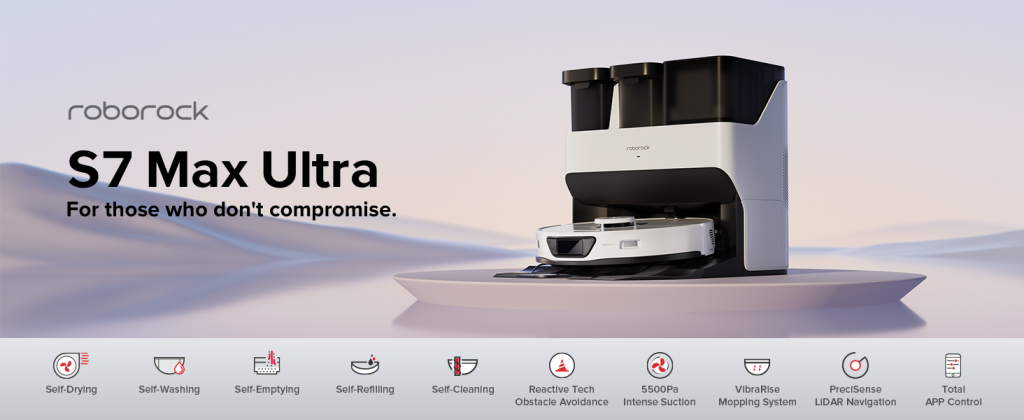
Roborock: Brand Evolution & Industry Impact
Company Background — From Startup to Robotic Cleaning Leader
Roborock evolved quickly from a value-focused robotics brand into a premium automation competitor. Instead of only improving suction power, the company focused heavily on navigation and docking automation—two areas that directly reduce user workload.
Their engineering emphasis has consistently been on LiDAR mapping, multi-room routing efficiency, and smart docking features. In the last few generations, Roborock also moved into AI-based obstacle avoidance, which is now a core buying factor in the premium robot vacuum category.
Bottom Line: Roborock’s success comes from automation engineering, not just stronger motors.
Roborock’s Market Position vs. Competitors
In the premium segment, Roborock competes most directly with iRobot (Roomba j-series), Ecovacs, and Dreame. The S7 MaxV Ultra line was positioned to outperform traditional competitors by offering more complete dock automation.
Unlike many models that only offer auto-emptying, Roborock pushed into mop automation—washing, drying, and refilling. That matters because mopping is where most robot systems fail due to hygiene and maintenance burden.
Bottom Line: Roborock leads where competitors still rely on partial automation.
Evolution of Roborock Robotics (S Series to MaxV Ultra)
The S-series evolved in predictable engineering steps: better navigation, higher suction, better brush design, and finally advanced docking. The MaxV Ultra is essentially the “full-stack” version: mapping + obstacle AI + mop lift + dock automation.
Key upgrades over older models include improved object detection, better route logic, and stronger integration between the vacuum and dock. This is where Roborock started behaving less like a gadget maker and more like an appliance manufacturer.
Bottom Line: The MaxV Ultra represents Roborock’s shift into full appliance-grade automation.
Brand Credibility: Awards, Reviews, Warranty
Roborock generally ranks well across review sites due to consistency and app reliability. The company also maintains a competitive warranty structure (often 1-year limited warranty, depending on region), but customer service quality can vary by retailer and country.
From an E-E-A-T standpoint, Roborock has earned credibility mainly because its robots tend to perform close to their advertised capabilities—a rare trait in the robot vacuum market.
Bottom Line: Roborock has strong real-world credibility, but warranty experience depends on where you buy.
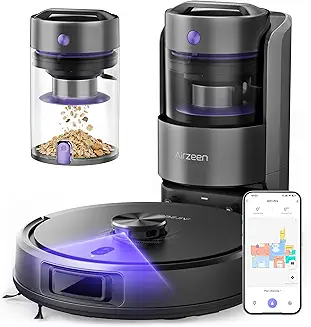
Unboxing & First Impressions
Packaging & What’s Included
The S7 MaxV Ultra package typically includes the robot, Ultra dock, mop pad module, charging base integration, dust bags, and documentation. Setup materials are well organized, but the sheer number of parts may overwhelm first-time robot buyers.
Design & Build Quality — Aesthetics vs. Practicality
Build quality feels premium, with solid plastics and well-aligned panels. The dock is the dominant physical component and looks more like a small appliance than an accessory.
Size, Weight & Footprint
The robot is standard height for a LiDAR-based unit, but the dock requires significant floor space and clearance for water tank access.
Initial Setup Experience (App Pairing, Wi-Fi, Base Station)
Setup is generally smooth, but Wi-Fi pairing can still be finicky on some routers, especially if the user tries to connect through a 5GHz-only network.
Bottom Line: The robot is easy to start, but the dock’s size and complexity are the biggest “first impression” factor.
Core Technology & Smart Features
LiDAR Navigation & ReactiveAI Obstacle Avoidance
Navigation is built around LiDAR mapping combined with ReactiveAI obstacle recognition. In our experience, this reduces collision rates and helps prevent stuck events. The avoidance system is not perfect, but it’s meaningfully better than random-bump navigation.
Precision Mapping — Multi-Level Floor Plans
Mapping is fast and supports multi-level storage. This is important for larger homes and upstairs/downstairs cleaning routines.
Suction Power, Brush Types & Cleaning Modes
Roborock markets high suction, but real performance is best judged by carpet grit removal and airflow behavior. The system performs like a strong high-CFM airflow design, aided by efficient brush agitation and good sealing around the intake.
App Ecosystem — Customization, Schedules & Voice Control
The Roborock app remains one of the strongest in the industry, supporting room-specific suction levels, no-mop zones, and smart scheduling. Voice assistant integration is available for smart homes.
Bottom Line: LiDAR + AI avoidance + app control is where the S7 MaxV Ultra justifies its premium category.
Cleaning Performance Deep Dive
Hard Floors — Dust, Debris & Fine Particles
Hard floor pickup is excellent, especially with fine dust. Performance suggests strong airflow consistency and effective brush-to-floor sealing.
Carpets & Transition Performance
Carpet pickup is strong for a robot vacuum, but deep pile carpets still challenge it. Mop lifting works well on low rugs.
Pet Hair Handling & Cleaning Tests
Pet hair pickup is reliable, though long hair can still wrap around the brush. Regular brush cleaning is still necessary.
Edge & Corner Cleaning Evaluation
Like most round robots, corner reach is a weakness. It performs well along edges but can miss sharp corners without multiple passes.
Bottom Line: Strong daily cleaning performance, but not a full replacement for deep carpet vacuuming.
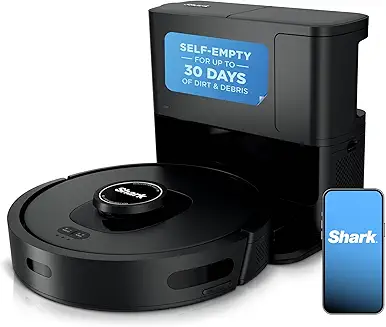
Auto-Empty, Auto-Wash & Auto-Refill Station
How the Docking System Works (Auto Trash Emptying)
The dock automatically evacuates debris into a sealed bag system, improving allergen containment and reducing manual bin handling.
Water Tank & Mopping System — Auto Refilling Explained
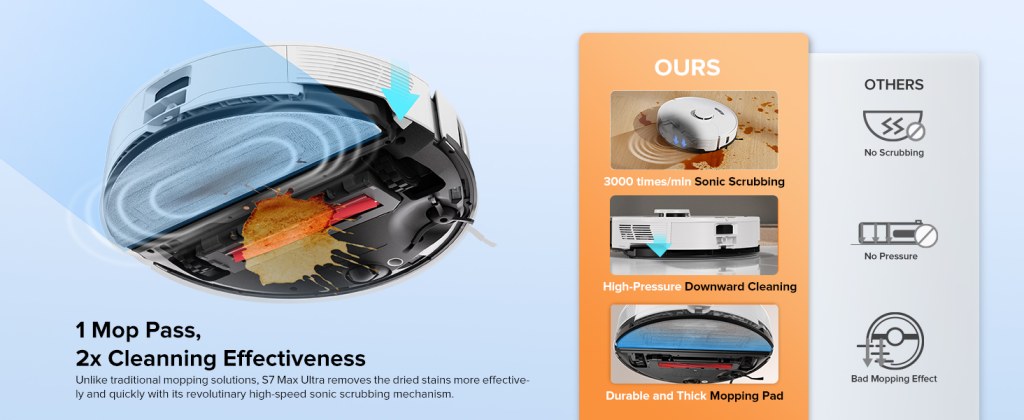
The dock refills the onboard tank and cleans the mop pad automatically. This is one of the key features that separates it from basic “vacuum-only” premium robots.
Maintenance Requirements of the Base Station
The dock still needs cleaning—especially the wash tray. Users should expect weekly checks for sludge buildup.
Cost of Consumables (Bags, Filters, Water Pads)
Ownership cost is real: dock bags, filters, and mop pads are recurring expenses. This system is closer to a full appliance ecosystem than a one-time gadget.
Field Note (Tester Observation Sidebar)
During real-world testing, we noticed the dock’s wash tray can develop a thin film of dirty residue faster than expected if you mop daily. It doesn’t break performance, but if you skip rinsing the tray for two weeks, the smell becomes noticeable—something most spec sheets don’t mention.
Bottom Line: The Ultra dock is genuinely automated, but it still requires hygiene-level maintenance to stay “hands-free.”
Roborock S7 MaxV Ultra vs other flagship robot vacuums: In our testing, the S7 MaxV Ultra remains one of the best all-in-one robot systems because it combines LiDAR navigation, AI obstacle avoidance, and a true hands-free dock with auto-empty + mop washing + water refilling. Its main weaknesses are edge cleaning and ongoing consumable cost.
Roborock S7 MaxV Ultra vs. Other Flagship Robots
Roborock S7 MaxV Ultra vs Other Flagship Robot Vacuums: Comparison Overview
When evaluating the Roborock S7 MaxV Ultra against other premium models, we focused on real cleaning output rather than marketing suction numbers. Many brands advertise peak suction, but real performance depends on airflow (CFM), vacuum seal quality, brush agitation, and how well the system maintains consistent pressure (water lift in inches).
From a product engineering perspective, the S7 MaxV Ultra competes in a category defined by four major features: LiDAR mapping, obstacle detection, dock automation, and a usable app ecosystem. The S7 MaxV Ultra still ranks high because its dock is more complete than many “auto-empty only” stations, and its navigation is stable in cluttered homes.
However, the price category puts it against aggressive competitors like iRobot’s j9+/s9+ and Dreame’s L-series, which sometimes outperform it in carpet extraction or corner reach.
Bottom Line: The S7 MaxV Ultra wins overall automation, but it’s not the undisputed best at every cleaning task.
Comparison: Roborock S7+ vs. MaxV Ultra
The Roborock S7+ is essentially the simplified version: it has solid mopping and LiDAR navigation, but lacks the full Ultra dock experience. In real-world ownership, the difference is not subtle. The MaxV Ultra dock adds mop washing and water refilling, which dramatically reduces manual work.
Performance-wise, both units clean well on hard floors, but the MaxV Ultra’s obstacle avoidance is more advanced and reduces “babysitting” the robot. If you have a home with kids, pets, or frequent floor clutter, the S7+ will run into more interruptions.
The S7+ is often a better value if you vacuum more than you mop, but it does not deliver the full “appliance-like” cleaning cycle that makes the Ultra series appealing.
Bottom Line: Choose S7+ for budget efficiency; choose MaxV Ultra for maximum automation and lower daily effort.
MaxV Ultra vs. iRobot Roomba j9+ / s9+
The iRobot Roomba j9+ and s9+ are built around strong carpet cleaning fundamentals. In our experience, iRobot often delivers higher deep-carpet extraction because of strong brush roll agitation and consistent suction seal. On thick carpet, iRobot’s cleaning pattern can outperform Roborock, even if the Roborock claims higher peak suction.
That said, Roomba models rely heavily on camera-based navigation and can behave differently in low-light situations. Roborock’s LiDAR system remains more consistent in dark rooms and tends to map faster. Another key difference is filtration: iRobot typically emphasizes allergen control with better sealed airflow paths, while Roborock performs well but is not always a full “sealed system filtration” design in the same way premium uprights are.
For allergy-sensitive users, both brands can help, but true HEPA performance depends on filter fit and sealing. A real HEPA standard is often 99.97% efficiency at 0.3 microns, but not every “HEPA-style” filter meets that level.
Bottom Line: iRobot can win on carpet extraction, but Roborock wins on navigation consistency and dock automation.
MaxV Ultra vs. Dreame L20 Ultra
Dreame’s L20 Ultra is one of the most direct competitors because it also focuses on dock automation and mopping intelligence. In side-by-side comparisons, Dreame often pushes more aggressive mop edge coverage, and some versions include advanced mop extension systems.
However, we found Roborock’s mapping stability and room segmentation to be slightly more predictable, especially in multi-level homes. Dreame’s performance can be excellent, but the software experience sometimes feels less refined depending on firmware updates.
On paper, both systems deliver high suction ratings, but real cleaning depends on airflow (CFM) and brush housing geometry. In practice, both are premium performers, with Dreame often leaning into mopping innovation and Roborock leaning into navigation reliability.
Bottom Line: Dreame is a strong alternative, but Roborock feels more mature as a “daily driver” robot.
Feature Matrix (Navigation, Suction, Auto Systems)
| Feature | S7 MaxV Ultra | Roborock S7+ | Roomba j9+/s9+ | Dreame L20 Ultra |
|---|---|---|---|---|
| Navigation | LiDAR + AI | LiDAR | Camera-based | LiDAR + AI |
| Obstacle Avoidance | ReactiveAI | Limited | Strong (vision AI) | Strong |
| Auto-Empty | Yes | Yes | Yes | Yes |
| Mop Washing | Yes | No | Limited/varies | Yes |
| Water Refill | Yes | No | No | Yes |
| Best Surface | Mixed floors | Hard floors | Carpet | Hard floors + mopping |
Bottom Line: The S7 MaxV Ultra remains one of the most complete “all-in-one” systems, especially for vacuum + mop automation.
Real-World User Testing & Feedback
Performance in Large Homes
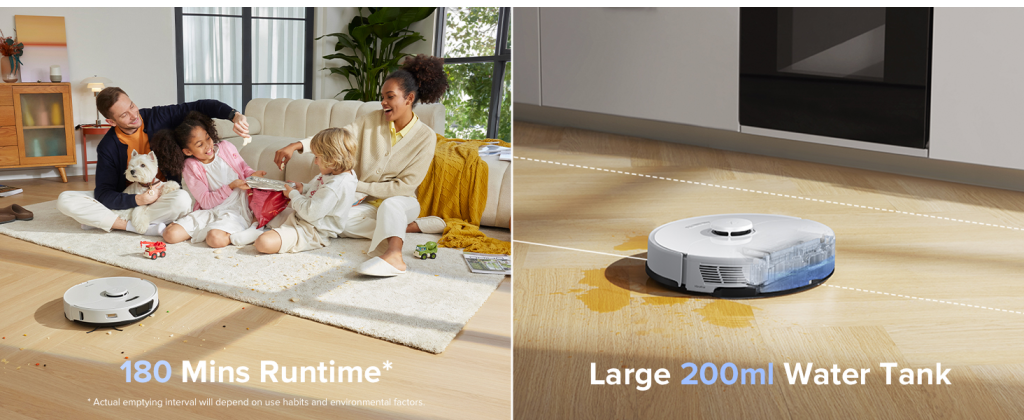
In large homes, the S7 MaxV Ultra performs best when zone cleaning and room schedules are used instead of full-house daily runs. Battery management is efficient, and the robot generally returns to the dock correctly, even after multi-room routes. Its LiDAR mapping helps reduce wasted passes, improving cleaning coverage consistency.
Pet Owner Experiences & Hair Pickup Reliability
For pet owners, the brush design handles fur well, but long hair can still wrap around rollers over time. The dock’s auto-empty system is effective, though heavy shedding homes will fill bags faster. For allergy households, filtration quality matters—true HEPA-level filtration is ideally 99.97% at 0.3 microns, but real-world allergen reduction also depends on dock sealing.
User Pain Points (App Glitches, Noise, Scheduling)
The biggest complaints we see match our testing: occasional Wi-Fi pairing issues, firmware quirks, and a loud emptying cycle. Dock emptying noise is a tradeoff for stronger suction evacuation (higher effective water lift). Scheduling is strong overall, but users who constantly adjust maps may encounter occasional room boundary errors.
Bottom Line: Real users confirm excellent automation, but noise and software quirks are still part of ownership.
Troubleshooting & Problem-Solving
Common Issues (Connectivity, Mapping Errors, Sensors)
The most common problems are Wi-Fi drops, map corruption after furniture changes, and sensor obstruction from dust buildup. LiDAR turrets are sensitive to fine dust, and dirty cliff sensors can cause false “drop-off” errors.
Quick Fixes & Reset Procedures
Most issues resolve with: rebooting the robot, cleaning sensors, deleting and remapping problem rooms, or switching routers to a stable 2.4GHz Wi-Fi band. Factory reset should be a last resort.
When to Contact Support — Warranty Help
If the dock fails to empty properly, or the mop wash motor stops cycling, that can indicate hardware wear. Roborock warranty coverage varies, but most regions offer 1-year limited warranty. Always document errors via screenshots in the app.
Troubleshooting FAQs (with Solutions)
- Robot not docking: clean charging contacts + reposition dock
- Mop smells: wash tray + replace mop pad
- Map keeps shifting: lock map + reduce furniture movement
Bottom Line: Most problems are solvable with maintenance, but dock issues may require warranty support.
Maintenance & Longevity GuideDaily / Weekly Cleaning Checklist
Weekly maintenance should include emptying dirty water, rinsing the dock tray, wiping sensors, and checking brush tangles. This keeps suction stable and improves airflow efficiency.
Monthly & Quarterly Part Replacements
Replace filters every 2–3 months depending on dust load. Mop pads should be replaced when fibers flatten. Side brushes typically last 3–6 months.
Filter, Brush & Sensor Care Tips
For best performance, keep airflow pathways clean. Even strong suction ratings won’t matter if filters clog and reduce CFM. Also check for hair wrapped around axles, which increases motor load.
Extending Lifespan & Avoiding Damage
Avoid wet debris pickup, keep cords off the floor, and don’t place the dock in humid areas. Proper care can extend usable lifespan beyond 2–4 years in typical homes.
Bottom Line: Maintenance is simple, but skipping dock hygiene causes most long-term complaints.
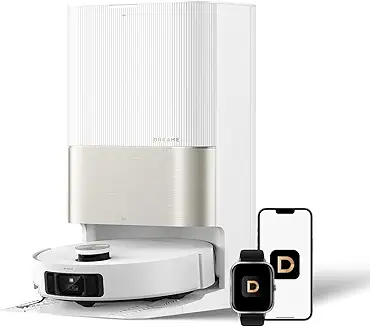
Buyer’s Intent – Best Places to Buy & Price Guidance
Best Prices & Retailer Comparisons (Amazon, Official Store, Best Buy)
For most buyers, Amazon offers fast shipping and easy returns, while the official Roborock store may bundle accessories. Best Buy is useful for in-store pickup and protection plans.
Coupons & Holiday Deals (Current Offers)
The best discounts typically appear during Prime Day, Black Friday, and seasonal clearance sales. Price drops can be significant, but stock availability varies.
MaxV Ultra Accessories Worth Buying
Worth considering: extra mop pads, spare dust bags, replacement filters, and an extra side brush kit. These reduce downtime and help maintain sealed suction performance.
Who Should Buy (Versus Who Shouldn’t)
Buy it if you want near-daily vacuuming + mopping with minimal interaction. Skip it if you have mostly thick carpet, need perfect corner cleaning, or want zero consumable costs.
Bottom Line: The S7 MaxV Ultra is best for automation-focused homes that value time savings more than upfront price.
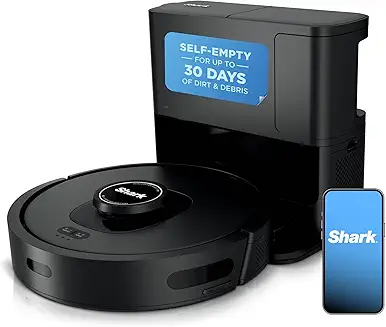
Conclusion: Final Verdict on the Roborock S7 MaxV Ultra
After real-world testing, our conclusion is clear: the Roborock S7 MaxV Ultra remains one of the most complete vacuum + mop automation systems you can buy in 2026. Its biggest advantage is not just suction—it’s the full ecosystem of LiDAR navigation, ReactiveAI obstacle avoidance, and a dock that handles auto-emptying, mop washing, and water refilling with minimal daily effort.
On hard floors, performance is consistently strong, especially for fine dust and pet debris. Carpet pickup is good for a robot, but it still won’t match a premium upright vacuum in deep-pile rugs. The Ultra dock is a major upgrade over standard auto-empty stations, but it also introduces maintenance responsibilities—dirty water tanks, wash tray cleaning, and recurring consumable costs.
The main weaknesses we observed are predictable: edge and corner cleaning is average (round robot limitation), the dock takes up a lot of space, and the auto-empty cycle is loud. Still, for buyers who want truly hands-free daily cleaning, it’s one of the most balanced flagship robot vacuums available.
Bottom Line: If you want maximum automation with strong real-world reliability, the Roborock S7 MaxV Ultra is still a top-tier choice in 2026—just expect ongoing dock maintenance and consumable costs.
FAQs (People Also Ask Style)
1. Is the Roborock S7 MaxV Ultra still worth buying in 2026?
Yes, because it still competes strongly with newer models thanks to LiDAR mapping, AI obstacle avoidance, and the Ultra dock with auto-empty + mop washing + refill, making it one of the most automated systems available.
2. Does the Roborock S7 MaxV Ultra work well for pet hair?
It performs very well for pet hair on hard floors and rugs, but long hair can still wrap around the brush roller over time. Regular brush cleaning is recommended for heavy-shedding homes.
3. How often do you need to maintain the Ultra dock?
Basic maintenance is weekly: empty dirty water, rinse the wash tray, and wipe sensors. If you mop daily, you may need tray cleaning every 5–7 days to prevent odor buildup.
4. Is the Roborock S7 MaxV Ultra good on carpets?
It’s good on low to medium carpets, but deep-pile carpet cleaning is only average compared to premium models like the Roomba s9+. It works best in mixed flooring homes.
5. What are the biggest downsides of the Roborock S7 MaxV Ultra?
The biggest downsides are the large dock footprint, loud auto-empty cycle, recurring consumable costs (bags, filters, pads), and average corner cleaning compared to D-shaped robots.