
When we think about home repairs, plumbing is one of the first things that comes to mind. Water is used in almost every part of our daily life, from cooking and cleaning to bathing and washing clothes.
But when something goes wrong like a leaking pipe, a clogged drain, or a broken toilet it can quickly turn into a stressful problem. This is where a plumber becomes important.
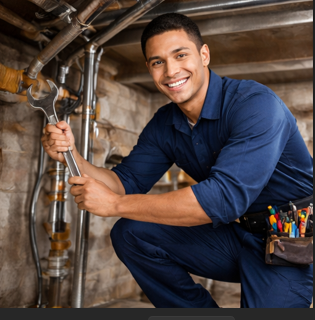
A plumber is a skilled professional who installs, repairs, and maintains water supply lines, drainage systems, and plumbing fixtures. They work on many different areas, including bathrooms, kitchens, water heaters, sewer lines, and even gas pipes in some cases.
Many people think plumbers only fix leaks, but their job is much bigger than that. They also help prevent major damage by checking plumbing systems, replacing old pipes, and making sure everything is working safely.
So, what does a plumber do exactly? In simple words, plumbers keep water flowing properly and remove waste water safely from your home or building.
Whether it is a small issue like a dripping faucet or a serious emergency like a burst pipe, plumbers are trained to handle these problems using the right tools and techniques. In this guide, we will explain what plumbers do, what services they provide, and when you should call one.
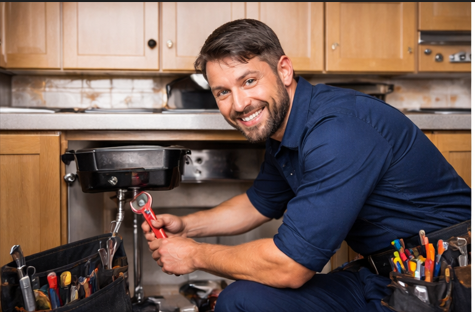
What Does a Plumber Do in a Home
A plumber plays a very important role in keeping a home safe, clean, and comfortable. Every home has a plumbing system that brings clean water inside and removes dirty water through drains.
If anything in this system stops working properly, it can create big problems like water damage, bad smells, mold, and even health risks. That is why plumbers are needed for both small repairs and major plumbing work.
Fix leaking taps and pipes
One of the most common jobs plumbers do in a home is fixing leaks. A leaking tap may look like a small issue, but it can waste a lot of water every day and increase your water bill. Plumbers fix this by replacing worn-out washers, damaged cartridges, or broken seals inside the faucet.
Pipe leaks are more serious because they can cause hidden water damage inside walls, under floors, or behind cabinets. Plumbers locate the leak, check the pipe condition, and then repair or replace the damaged section. In many cases, they also check for corrosion, cracks, and loose pipe joints to prevent future leaks.
Repair toilets and sinks
Toilets and sinks are used daily, so problems are very common. A plumber can repair toilet issues like:
- Toilet constantly running
- Weak flushing
- Water leaking from the base
- Blocked toilet drain
They may replace parts like the flapper valve, fill valve, flush handle, or wax ring.
For sinks, plumbers repair problems such as:
- Water not draining properly
- Sink pipe leaks
- Loose faucet connections
- Low water pressure
They also fix broken P-traps and replace old sink pipes if needed.
Install showers, bathtubs, and water heaters
Plumbers also install new fixtures in bathrooms and kitchens. This includes fitting showers, bathtubs, and faucets properly so there are no leaks and the water pressure stays balanced.
When installing a water heater, plumbers:
- Connect the water supply lines
- Install safety valves
- Check pressure settings
- Ensure proper drainage and safe operation
A correct water heater installation is important because a small mistake can lead to water leaks, heating problems, or even damage to the unit.
Unclog drains and sewer lines
Drain blockages are another major reason homeowners call a plumber. A clog can happen in:
- Bathroom sinks
- Kitchen sinks
- Bathtubs
- Toilets
- Main sewer line
Plumbers use professional tools to clear clogs safely without damaging pipes. They also inspect the drain system to find the main cause of the blockage. If the clog is in the main sewer line, plumbers may use special equipment like drain cameras and hydro jetting machines to clear it completely.
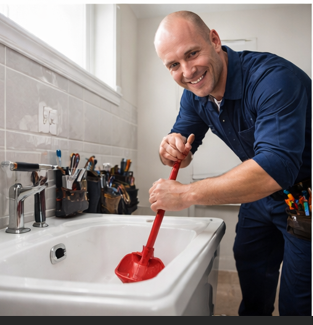
What Does a Plumber Do for Drain Cleaning
Drain cleaning is one of the most valuable services plumbers provide. Many people try home solutions like plungers or chemical drain cleaners, but these often do not fix the real problem. In fact, harsh chemicals can damage pipes over time. A plumber uses safe, professional methods to remove the clog and restore proper water flow.
Explain drain blockage causes
A plumber first identifies why the drain is blocked. Different drains have different clog causes, such as:
In kitchen drains
- Grease and oil buildup
- Food scraps
- Coffee grounds
- Soap mixed with dirt
Kitchen clogs usually form slowly because grease sticks to the inside of pipes and traps other waste.
In bathroom drains
- Hair buildup
- Soap scum
- Toothpaste residue
- Small objects accidentally dropped
Bathroom clogs often happen in shower drains and sink pipes because hair collects and creates a thick blockage.
In toilets and sewer drains
- Too much toilet paper
- Wet wipes and tissues
- Sanitary products
- Tree roots in sewer pipes
Many people do not realize that wet wipes do not break down easily, and they can cause serious sewer clogs.
Tools plumbers use (snake, auger, hydro jet)
Plumbers use special tools depending on the clog type and location.
Drain snake
A drain snake is a flexible cable tool that plumbers insert into the drain. It breaks apart or pulls out the clog, especially hair and soap buildup. It works well for sinks, bathtubs, and shower drains.
Auger
An auger is a stronger version of a drain snake, and it is often used for toilets and deeper clogs. It can reach further and remove harder blockages. Plumbers use it when a regular plunger cannot solve the problem.
Hydro jet
Hydro jetting is a powerful drain cleaning method that uses high-pressure water to clean the inside of pipes. It removes:
- Grease buildup
- Sludge and dirt
- Hard blockages
- Small tree roots
Hydro jetting is one of the best solutions for deep clogs and main sewer line cleaning because it not only clears the clog but also cleans the pipe walls.
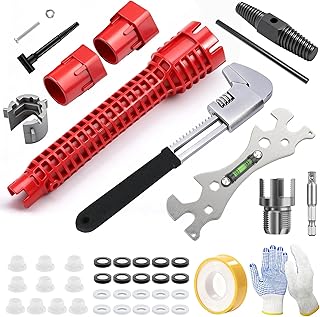
How they clean deep clogs safely
Deep clogs are usually located far inside the pipe system, so they are not easy to remove with simple home methods. Plumbers follow safe steps to clean them properly:
- Inspect the drain problem
Plumbers may check the drain flow, listen for gurgling sounds, and inspect nearby drains. In serious cases, they use a drain camera to see the exact location of the clog. - Choose the right tool
They select the best tool based on the clog type. For example:
- Hair clogs → drain snake
- Toilet blockage → auger
- Grease buildup → hydro jet
- Clear the blockage without damaging pipes
Professional plumbers avoid using harsh chemical cleaners. Instead, they use safe equipment that removes the clog without breaking the pipes or weakening pipe joints. - Test water flow after cleaning
After removing the clog, they run water through the drain to make sure it is flowing smoothly. They also check if the clog was fully removed or if more cleaning is needed. - Prevent future clogs
Many plumbers also give homeowners simple tips, such as:
- Use drain covers to catch hair
- Avoid pouring grease into the sink
- Do not flush wipes or tissues
- Clean drains regularly with hot water
What Does a Plumber Do for Pipe Repairs
Pipe repairs are one of the most important services plumbers provide because damaged pipes can cause serious problems inside a home.
A small crack or leak may not look dangerous at first, but over time it can lead to water damage, mold growth, bad smells, and even weak water pressure. Plumbers are trained to find pipe issues quickly and repair them the right way.
Fixing leaking pipes
Plumbers repair pipe leaks in many areas, such as:
- Under kitchen sinks
- Behind bathroom walls
- Inside ceilings
- Under floors
- Near water heaters
They first locate the leak and then inspect the pipe condition. If the leak is caused by a loose connection, they tighten fittings or replace worn seals. If the pipe is cracked or corroded, they may cut out the damaged section and install a new pipe piece.
Replacing damaged pipes
Sometimes pipes become too old or rusty to repair. In this case, plumbers replace the pipes completely. This is common in older homes where pipes may be made from:
- Galvanized steel
- Old copper lines
- Weak plastic pipes
Plumbers replace these with modern materials like PEX, PVC, or updated copper piping, depending on the home’s plumbing setup.
Repairing burst pipes
Burst pipes are usually emergency situations. They often happen in winter when water freezes inside pipes and expands. A burst pipe can flood your home service within minutes. In this case, plumbers:
- Shut off the main water supply
- Drain the system safely
- Remove the damaged pipe
- Install a new pipe section
- Test water flow and pressure
They also check for other weak pipes that may burst later.
What Does a Plumber Do for Bathroom Plumbing
Bathroom plumbing includes toilets, sinks, showers, bathtubs, and drain systems. Because bathrooms are used daily, plumbing problems happen frequently. Plumbers handle both repairs and installations to make sure everything works properly without leaks or drainage issues.
Toilet repairs and installation
Plumbers fix toilet problems like:
- Toilet not flushing properly
- Toilet running nonstop
- Water leaking around the base
- Toilet clogging again and again
They repair internal parts like the flapper, fill valve, flush handle, and seals. If a toilet is too old or cracked, they install a new one and make sure it is sealed correctly to prevent water leaks under the floor.
Sink and faucet fitting
Bathroom sinks can develop issues like:
- Slow draining
- Leaking pipes underneath
- Loose faucets
- Low water pressure
Plumbers repair these problems by replacing old connections, fixing the trap pipe, sealing leaks, or installing a new faucet.
Shower and bathtub connections
Plumbers also work on shower and bathtub plumbing, including:
- Fixing dripping showerheads
- Repairing broken shower valves
- Installing new bathtubs
- Replacing old shower mixers
They ensure the hot and cold water lines are connected correctly and check for hidden leaks behind shower walls, which can be very damaging if ignored.
What Does a Plumber Do for Kitchen Plumbing
Kitchen plumbing is one of the busiest parts of a home. Kitchen sinks, water lines, and appliances are used many times a day, so plumbing problems are very common. Plumbers keep the kitchen plumbing system running smoothly and safely.
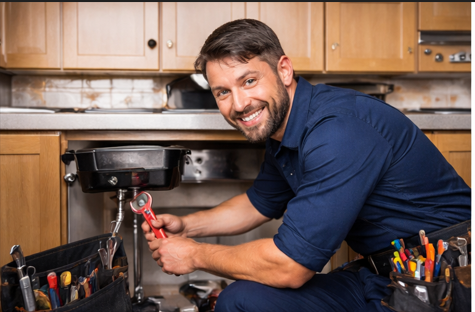
Kitchen sink leaks
Kitchen sink leaks can happen from:
- Faucet connections
- Drain pipes
- Garbage disposal units
- Sink seals and joints
A plumber checks all connections and replaces broken washers, pipe seals, and damaged fittings. They also repair or replace cracked pipes under the sink.
Garbage disposal installation
Many kitchens have garbage disposal systems, and plumbers install and repair them. Common disposal issues include:
- Jammed blades
- Leaks from the bottom
- Disposal not turning on
- Drain water backing up
Plumbers fix these issues and also ensure the disposal is connected safely to the drain line.
Dishwasher and water line setup
Dishwashers need proper water supply and drainage lines. Plumbers install dishwashers by:
- Connecting the water inlet line
- Setting up the drain hose properly
- Ensuring no leaks occur behind cabinets
They also install water lines for refrigerators (ice makers) and kitchen filtration systems if needed.
Fixing low water pressure in kitchen
If the kitchen faucet has weak water flow, plumbers check:
- Clogged faucet aerator
- Blocked supply lines
- Faulty shut-off valves
- Pipe buildup
They clean or replace the affected parts to restore normal water pressure.
What Does a Plumber Do for Water Heater Problems
Water heaters are one of the most important appliances in a home because they provide hot water for showers, dishwashing, laundry, and cleaning. When a water heater stops working, it can make daily life difficult. Plumbers handle both small repairs and full water heater installation to keep hot water running safely.
Installing new water heaters
Plumbers install different types of water heaters, such as:
- Tank water heaters
- Tankless water heaters
- Electric water heaters
- Gas water heaters
During installation, plumbers connect the water supply lines, ensure correct pressure levels, install safety valves, and test the system for leaks. They also make sure the heater is set up safely, especially when gas connections are involved.
Fixing no hot water issues
If your water heater is running but you are not getting hot water, a plumber may inspect:
- Heating elements (for electric heaters)
- Thermostat settings
- Pilot light (for gas heaters)
- Sediment buildup inside the tank
They repair or replace the damaged part and test the heater again to make sure it is working properly.
Repairing water heater leaks
Water heater leaks can happen from:
- Loose water connections
- A damaged pressure relief valve
- Corrosion inside the tank
- Cracked pipes connected to the heater
A plumber identifies the leak source and repairs it safely. If the tank is old and leaking from inside, they may recommend replacing the water heater to avoid flooding and water damage.
What Does a Plumber Do in Emergency Situations
Plumbing emergencies can happen at any time, and they usually need fast action. A plumber is trained to handle emergency situations quickly to stop damage and protect your home.
Handling burst pipes
Burst pipes can cause flooding within minutes. Plumbers quickly:
- Shut off the water supply
- Remove damaged pipe sections
- Replace broken pipes
- Check for hidden water damage
They may also guide homeowners on how to stop the water until they arrive.
Fixing severe drain backups
When drains overflow or sewer water backs up, it becomes a serious hygiene issue. Plumbers use advanced tools like drain cameras and hydro jetting machines to clear the blockage safely and restore proper drainage.
Stopping major leaks
Some leaks can damage walls, floors, and furniture quickly. Emergency plumbers locate the leak, repair it, and test the entire system to prevent the same issue from happening again.
What Does a Plumber Do in Commercial Buildings
Plumbers also work in commercial buildings such as offices, restaurants, hotels, schools, and hospitals. Commercial plumbing systems are larger and more complex than home plumbing, so they require professional maintenance.
Installing large plumbing systems
Commercial plumbers install:
- Large water supply networks
- Drainage and sewer systems
- Bathroom fixtures for public use
- Commercial-grade water heaters
They also ensure everything meets local safety and building codes.
Drainage and pipe maintenance
In commercial buildings, plumbing is used more often, so clogs and pipe problems happen faster. Plumbers regularly clean drains, inspect pipes, and prevent major plumbing failures.
Fixing plumbing in restaurants and businesses
Restaurants often need plumbing work for:
- Grease trap systems
- Dishwashing stations
- Commercial sinks
- High-water usage lines
Plumbers make sure these systems work properly and safely because a small plumbing issue can stop business operations.
Tools a Plumber Uses
Plumbers use special tools to fix plumbing problems quickly and safely. Some common tools include:
- Pipe wrench for gripping and turning pipes
- Plunger for clearing simple toilet clogs
- Drain snake for removing hair and debris clogs
- Toilet auger for deeper toilet blockages
- Hydro jet machine for cleaning deep clogs and sewer lines
- Pipe cutter for cutting and replacing pipes
- Leak detector for finding hidden water leaks
- Plumbing camera for inspecting pipes and drains from inside
These tools help plumbers repair problems without damaging the home’s plumbing system.
How to Know When You Need a Plumber
Many people try to fix plumbing issues on their own, but some problems require professional help. You should call a plumber if you notice:
Low water pressure
If water flow suddenly becomes weak, it may be due to pipe blockage, corrosion, or a hidden leak.
Slow drains
If sinks, bathtubs, or showers drain slowly, it usually means there is a clog building up inside the pipes.
Bad smells from drains
Bad drain smells can happen due to trapped waste, sewer gas issues, or blocked vent pipes.
Water stains on walls or ceilings
This is a strong sign of a hidden pipe leak. If ignored, it can lead to mold and serious wall damage.
No hot water
If your water heater stops producing hot water, a plumber can inspect and repair the unit safely.
Conclusion
Plumbers are skilled professionals who keep water systems working properly in homes and buildings. They fix leaks, repair toilets and sinks, unclog drains, install showers and water heaters, and handle emergency plumbing problems. They also use special tools to find hidden issues and prevent serious damage. If you ever face a plumbing problem, calling a professional is the safest way to protect your home and avoid bigger repairs later.
What Does a Plumber Do
FAQs
1. What does a plumber do for a leaking pipe?
A plumber finds the leak source, checks the pipe condition, and repairs or replaces the damaged pipe section. They also test the system to make sure the leak is fully fixed.
2. What does a plumber do for clogged drains?
A plumber removes the clog using tools like a drain snake, auger, or hydro jet. They clean the drain safely and also check for deep blockages in sewer lines if needed.
3. What does a plumber do during an emergency?
In emergencies like burst pipes or sewer backups, plumbers stop the water damage quickly, repair the issue, and restore the plumbing system safely.