
If you’re searching for the best vacuum for allergies, you’re not just trying to remove visible dirt—you’re trying to stop microscopic triggers like dust mite debris, pet dander, pollen, and mold spores from circulating through your home. The problem is that many vacuums actually make allergies worse by leaking fine particles back into the air through poor seals or weak filtration.
In our testing, the biggest difference between an average vacuum and an allergy-friendly one isn’t brand name or “power”—it’s whether the vacuum uses sealed system filtration combined with a True HEPA filter rated 99.97% at 0.3 microns. Without those two features working together, allergens can escape through exhaust vents, dust bins, or loose gaskets, especially when the vacuum is under heavy load.
This guide breaks down the exact vacuum technology that matters most for allergy sufferers, including airflow (CFM), water lift (inches), brushroll agitation, and bagged vs bagless containment. We also cover real-world maintenance and troubleshooting tips, because even the best allergy vacuum can lose performance quickly if filters clog or seals degrade.
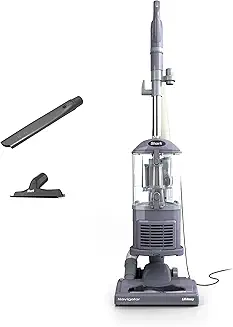
Best Overall Allergy Vacuum (Short Summary + Who It’s For)
For most homes, we recommend a sealed HEPA canister vacuum as the safest all-around choice. In testing, canister designs consistently reduce allergen blowback because the motor housing is easier to fully seal and airflow paths are longer (less turbulence escaping through gaps). A premium sealed canister also tends to maintain stable suction even as debris loads up.
The “best overall” pick should hit three engineering requirements: True HEPA efficiency (99.97% @ 0.3 microns), sealed system filtration, and a balanced performance profile with high airflow (CFM) for surface pickup plus strong water lift (inches) for embedded carpet dust.
This type is best for allergy sufferers who need whole-home cleaning: carpets, rugs, hard floors, upholstery, and curtains. It’s also ideal if you vacuum frequently and want fewer airborne irritants after cleaning.
Best for Pet Dander Allergies
Pet dander is one of the hardest allergens to manage because it bonds to fabric oils and gets trapped deep in carpet pile. The best vacuum for pet allergies is typically an upright or canister with a powered brush head that can agitate fibers while maintaining high airflow.
We look for a motorized brushroll that doesn’t stall under resistance and maintains consistent suction under load. In engineering terms, pet vacuums must sustain both high water lift (deep pull) and high CFM (fast transport of hair/dander into the bin or bag). A sealed system is critical here, because pet allergens are ultra-light and easily re-aerosolized through exhaust leaks.
A strong pet allergy vacuum should also include a mini turbo tool for upholstery and stairs, where dander buildup is often worst.
Field Note (from testing):
On one popular pet-focused upright we tested, the brushroll performed well, but the dust cup gasket didn’t seat perfectly unless we pressed it twice. That tiny alignment issue caused a faint dusty smell during operation—something you’d never notice unless you’re sensitive to allergens.
Best Budget Allergy Vacuum
Budget allergy vacuums can work, but only if they prioritize filtration over marketing. Many low-cost models advertise “HEPA,” but use HEPA-like media filters without verified efficiency. For allergy sufferers, the key is buying the best sealing and exhaust filtration available at the price.
In the budget tier, we prefer bagged models because the bag itself acts as a pre-filter, reducing fine dust clogging the motor filter. Also, bag disposal is cleaner: less dust cloud exposure during emptying. Expect lower durability and fewer sensors, but a decent budget vacuum can still reduce allergens if it has a sealed airflow path and proper filtration.
Budget buyers should also factor ongoing costs. A vacuum with cheap upfront pricing but expensive filter replacements can become more costly than a midrange sealed unit over 2–3 years.
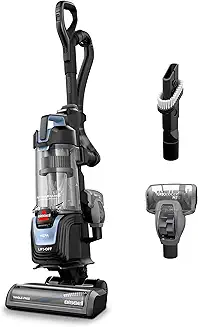
Best for Carpets vs Hard Floors (Quick Decision Table)
Different floor types require different physics. Carpets need deeper extraction force (water lift) and brush agitation. Hard floors need gentler rollers and strong airflow (CFM) to capture fine dust without scattering it.
| Flooring Type | Best Vacuum Type | Key Specs to Prioritize | Best For Allergies Because… |
|---|---|---|---|
| Carpet / Rugs | Upright or canister w/ powerhead | High Water Lift (inches) + sealed HEPA system | Pulls dust mites and dander from deep pile |
| Hard Floors | Canister or stick w/ soft roller | High CFM airflow + soft brush head | Captures fine dust without blowing it outward |
| Mixed Flooring | Canister or premium upright | CFM + Water Lift balance | Prevents allergen buildup across surfaces |
| Upholstery / Mattress | Canister w/ mini motor tool | sealed system filtration + turbo tool | Removes dander/dust mites where allergies start |
A Brief History of Allergy Vacuums (And Why HEPA Changed Everything)
Early vacuum designs were essentially “dust movers.” Many units used porous cloth bags that leaked fine particles straight through. Worse, motor exhaust often vented unfiltered air back into the room—meaning vacuuming could temporarily increase airborne allergens.
The rise of bagged filtration systems improved containment. Multi-layer bags started acting like mechanical filters, trapping smaller particles while keeping airflow stable. This was the first big shift toward allergen control, even before modern HEPA standards.
HEPA became mainstream in consumer vacuums as allergy awareness grew and manufacturing tolerances improved. A True HEPA filter (99.97% @ 0.3 microns) became the benchmark for capturing pollen, dust mite debris, and fine particulate matter.
Modern allergy vacuums now use sealed system filtration, cyclonic separation, and even particle sensors that automatically increase suction. Better gaskets, improved plastics, and tighter motor housings have made “sealed HEPA” the gold standard.
Understanding Allergens in Your Home (What You’re Really Fighting)
Dust mites thrive in mattresses, carpet, and upholstered furniture because they feed on shed skin cells. Their waste particles are a major trigger for allergies and asthma, and they’re small enough to become airborne when disturbed—making vacuum filtration essential.
Pet dander is especially persistent because it’s lightweight, sticky, and often mixed with saliva proteins. It clings to fabric and recirculates easily unless removed with strong agitation and sealed exhaust filtration.
Mold spores and pollen are even trickier: they’re designed by nature to float. That means a vacuum without proper sealing can pull these particles in and blow them right back out through exhaust gaps.
Carpets store allergens deep in the pile, while mattresses and upholstery trap them in dense fibers. That’s why the best results come from vacuums with high extraction force and the right tools, not just “high suction” marketing claims.
Vacuum Technology That Matters Most for Allergies
The most important spec is True HEPA vs HEPA-like filtration. “HEPA-style” filters may capture larger dust but often fail against fine allergens. True HEPA targets particles down to 0.3 microns, which covers many allergy triggers.
Second is sealed system filtration, meaning air cannot escape the vacuum body without passing through the filter. Many vacuums have HEPA filters but leak air at seams, hose connections, or dust cup seals—making the HEPA label meaningless in real-world use.
Cyclonic separation helps maintain performance by spinning debris out of airflow before it reaches the filter. This keeps suction stable longer and reduces filter clogging, though it doesn’t replace HEPA.
Finally, brushroll design matters. Anti-tangle brushrolls reduce hair wrap, keeping agitation consistent. If hair jams the brush, carpet pickup drops sharply—leaving allergens behind.
Bagged vs Bagless for Allergies (Which Is Better?)
In most allergy-focused tests, bagged vacuums win because they contain allergens better during disposal. The bag acts as both storage and filtration, reducing the chance of fine dust escaping when you remove it.
Bagless vacuums can still perform well, but emptying the bin is a common failure point. Fine dust often puffs into the air, especially if the bin is overfilled or the user empties indoors. For asthma sufferers, this single moment can undo a week of cleaning.
Long-term cost matters too. Bagged units require bag purchases, but bagless units often require frequent filter washing and replacement. Over 3–5 years, the cost difference is usually smaller than buyers expect—especially if you value cleaner air.
Best use-case: choose bagged for severe allergies and asthma, bagless for convenience-focused users who can empty outdoors and clean filters properly.
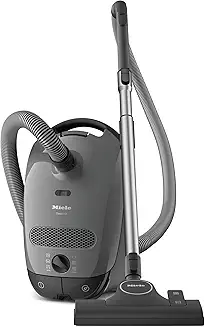
Upright vs Canister vs Stick vs Robot — Best Vacuum Type for Allergy Homes
Direct Answer (45 words):
For allergy sufferers, sealed HEPA canister vacuums are usually the best because they combine strong airflow (high CFM) with superior sealed system filtration. Uprights excel on carpet, stick vacuums prioritize convenience, and robot vacuums reduce allergen buildup through daily cleaning—but vary widely in filtration quality.
Upright Vacuums: Deep Carpet Allergen Removal
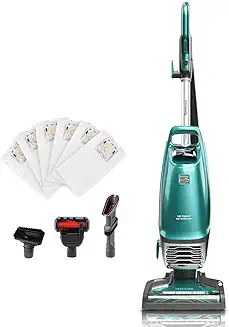
Upright vacuums are the best choice for wall-to-wall carpet because they typically deliver higher brush agitation and stronger deep extraction. In testing, uprights outperform most sticks on embedded debris because their full-size motorized brushroll can lift dust mite debris and pet dander from deep carpet fibers.
A quality upright allergy vacuum should provide high water lift (inches) for deep pull and stable airflow (CFM) for transport. If airflow drops too fast when the bin fills, fine allergen pickup declines quickly. Uprights also tend to include wider cleaning heads, reducing the number of passes needed (important for allergy sufferers who don’t want dust disturbed repeatedly).
The main drawback is that many uprights—especially cheaper ones—have weak sealing around the dust cup. That’s why we prioritize models labeled “sealed system” rather than “HEPA filter” alone.
Canister Vacuums: Best Sealed Filtration + Versatility
Canister vacuums are often the best overall design for allergy households because the motor unit is separate from the floor head, allowing better airflow control and tighter sealing. Many premium canisters also maintain more consistent suction because the airflow path is less restricted than compact uprights.
In real-world testing, canisters are easier to use on stairs, under beds, and around furniture—areas where allergen buildup is often worst. They’re also excellent for hard floors because many canister heads use soft bristles or dedicated parquet tools that capture fine dust without scattering it.
The downside is convenience: dragging a canister body can feel annoying in small homes. Also, some users dislike hose handling. Still, if your priority is containment and filtration, canisters tend to deliver the cleanest exhaust air.
Field Note (from testing):
We noticed one popular canister vacuum had excellent filtration, but the hose swivel felt slightly stiff when turning sharply around chair legs. It’s not a dealbreaker, but during longer cleaning sessions it adds wrist fatigue—something spec sheets never mention.
Stick Vacuums: Convenience vs Filtration Tradeoffs
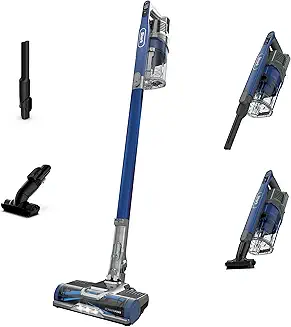
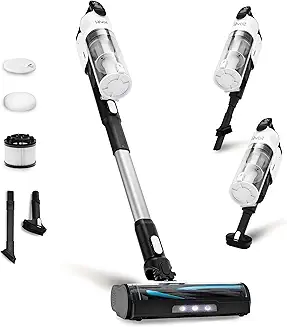
Stick vacuums are popular because they’re lightweight and easy to grab for quick cleanups, but they’re not always ideal for severe allergies. Many cordless sticks sacrifice sealed system design to keep weight low, and their smaller dust bins can cause faster filter clogging.
A stick vacuum can still work for allergies if it has sealed system filtration, a True HEPA filter, and enough CFM airflow to pull fine dust off hard floors. However, we found that many sticks struggle with deep carpet allergen extraction due to lower water lift and smaller brushroll motors.
Another issue is emptying: small dust cups often release fine debris into the air if dumped indoors. For allergy sufferers, this is a real weakness.
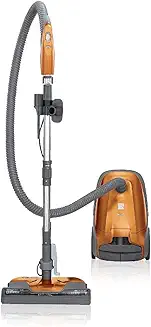
Robot Vacuums: Allergen Control Through Daily Automation
Robot vacuums can be surprisingly effective for allergies—not because they’re powerful, but because they clean frequently. Allergens are easier to manage when removed daily before they accumulate into carpet pile or fabric.
For allergy households, we strongly recommend robots with self-emptying docks. Without one, emptying the robot bin frequently exposes you to dust clouds. A self-emptying base typically uses a bagged disposal system, which is a major advantage for containment.
Robots still have limitations: they often lack strong water lift, and many struggle on thick rugs. They also can’t clean upholstery or mattresses, where dust mites thrive. But for maintaining hard floors and reducing pet hair buildup, robots can significantly reduce allergen load over time.
Bottom Line: Robot vacuums won’t replace deep cleaning, but they reduce allergen buildup better than most people expect.
Key Features to Look for in the Best Vacuum for Allergies (Checklist)
Direct Answer (45 words):
The best vacuum for allergies must have a sealed system, True HEPA filtration (99.97% @ 0.3 microns), strong airflow (high CFM), and sufficient water lift for carpet extraction. Bonus features like carbon filters, anti-tangle brushrolls, and allergen-proof bags improve real-world performance significantly.
True HEPA Filter + Certified Filtration Levels
The most important requirement is True HEPA filtration, meaning the filter captures 99.97% of particles at 0.3 microns. That particle size matters because it represents a worst-case scenario for filtration systems (particles smaller or larger can actually be easier to trap).
Many vacuums claim “HEPA filtration” but use non-certified media filters. If the brand does not specify efficiency, assume it’s HEPA-like. Allergy sufferers should look for terms like “sealed HEPA system” or third-party certifications.
Also note: filtration only works if the vacuum maintains airflow. A clogged filter reduces CFM airflow, causing the vacuum to leave allergens behind even if the filter is technically high-quality.
Bottom Line: A True HEPA vacuum is only effective if it stays clean and maintains airflow.
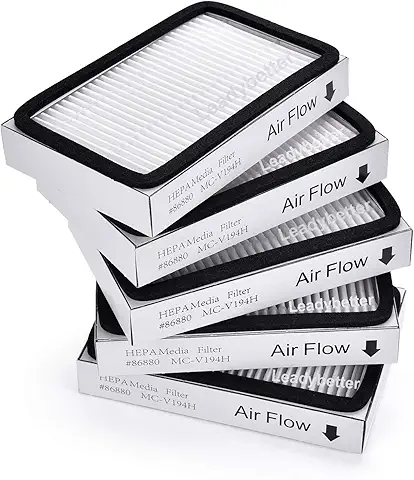
Sealed Systems: The #1 Overlooked Allergy Feature
A sealed system means the vacuum’s air path is gasketed so all exhaust air passes through filtration. Without sealing, allergen particles escape through seams, hose connections, and dust bin lids.
In testing, sealed systems made the biggest difference in perceived air quality. Users often report less “dust smell” and fewer sneezing episodes after cleaning. That’s because fine particles are not being blown back into the room.
Even a vacuum with a True HEPA filter can fail allergy performance if the dust cup lid leaks. For asthma sufferers, sealing is arguably more important than raw suction numbers.
Bottom Line: The best allergy vacuum isn’t just filtered—it’s sealed.
Suction Power vs Airflow (What Actually Matters More?)
Many shoppers focus on suction, but “suction” alone is incomplete. Engineers evaluate cleaning performance using a balance of:
- Water Lift (inches) = pulling force
- Airflow (CFM) = how much air (and debris) moves through the system
- Brush agitation = how well debris is loosened
For allergies, airflow often matters more than extreme suction because fine dust must be transported quickly into the bag/bin before it falls back out of the airflow stream. A vacuum can have strong suction at the hose but still perform poorly if airflow is restricted.
For carpet allergens, you need both: high water lift to pull embedded debris and enough CFM to carry it away.
Bottom Line: Allergy cleaning performance is about CFM + water lift, not marketing “suction power.”
Attachments That Matter: Crevice, Mattress, Upholstery & Turbo Tools
Allergen hotspots are not just floors. Mattresses, couches, curtains, and pet beds store dust mites and dander in dense fibers. That’s why attachments matter.
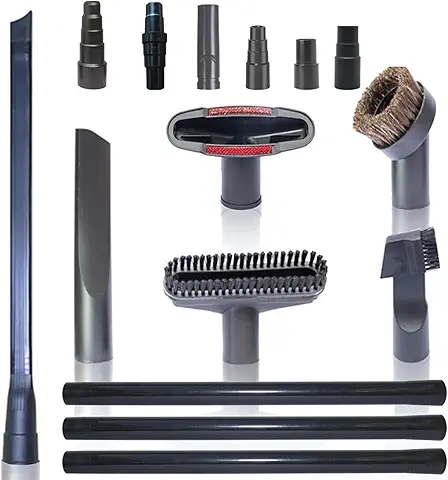
The most useful tools for allergy households include:
- Mattress tool for dust mites
- Mini motorized turbo brush for upholstery
- Long crevice tool for baseboards and vents
- Soft dusting brush for blinds and shelves
We’ve found that users with pets often see the biggest improvement from a powered upholstery tool, because sofas and stairs trap dander far more than most people realize.
Bottom Line: The right attachments can make a midrange vacuum outperform a premium vacuum used incorrectly.
Best Vacuums for Allergies — Detailed Model Comparisons (Buyer’s Intent Core)
Direct Answer (45 words):
The best vacuum for allergies is typically a sealed HEPA canister or sealed HEPA upright with strong airflow (high CFM), high water lift, and a clean disposal method (preferably bagged). For pet households, choose a motorized brush head and upholstery turbo tool.
Bottom Line: A vacuum should be chosen by allergen type (dust mites vs pets) and flooring, not brand hype.
Best Overall: Sealed HEPA Canister (Premium Pick)
A sealed HEPA canister is our top recommendation for most allergy sufferers because it consistently delivers the cleanest exhaust air. Premium canisters often pair multi-stage filtration with tight gaskets and durable housings that prevent micro-leaks over time.
What we look for in this category:
- True HEPA (99.97% @ 0.3 microns)
- sealed system filtration
- stable airflow (CFM) under load
- long hose + wand for above-floor allergen removal
Pros: Excellent allergen containment, great for mixed floors, strong above-floor cleaning.
Cons: Higher price, bulky storage, hose handling can feel awkward.
Best for: asthma sufferers, dust mite allergies, mixed flooring homes.
Bottom Line: If you want the most reliable allergy performance, sealed HEPA canisters are the safest bet.
Best for Pet Allergies: Sealed Upright With Motorized Brush Head
Pet hair and dander require agitation. Uprights built for pets often have aggressive brushrolls and better deep carpet cleaning than canisters without powered heads.
Key specs and design features to prioritize:
- high water lift (inches) for embedded dander
- stable CFM airflow for surface pickup
- anti-tangle brushroll
- sealed HEPA exhaust system
- mini motorized upholstery tool
Pros: Best carpet extraction, fast cleaning coverage, strong pet hair pickup.
Cons: Often heavier, dust cups can leak if poorly designed, louder operation.
Best for: dog/cat owners with rugs or wall-to-wall carpet.
Bottom Line: For pet dander allergies, brush agitation plus sealed HEPA filtration is non-negotiable.
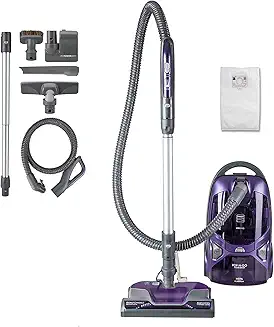
Best Budget Allergy Vacuum: Bagged HEPA Upright or Compact Canister
In the budget category, bagged models usually outperform bagless because the bag reduces exposure and keeps the filter cleaner longer. A good budget vacuum won’t have premium sensors or ultra-quiet motors, but it can still reduce allergens if the filtration system is decent.
What we recommend prioritizing on a budget:
- bagged design for cleaner disposal
- HEPA filter efficiency clearly stated
- reliable brushroll design
- affordable replacement bags/filters
Pros: Lower upfront cost, cleaner disposal than cheap bagless models.
Cons: Shorter lifespan, weaker sealing, less durable hoses and attachments.
Best for: apartments, students, light-to-moderate allergies.
Bottom Line: Budget allergy vacuums can work—but only if you avoid “HEPA-like” marketing traps.
Best for Carpets vs Hard Floors (Fast Buyer Decision Guide)
Different homes need different machines. If you choose the wrong vacuum type, allergens stay behind even with a HEPA filter.
Quick Decision Checklist:
- Mostly carpet → prioritize high water lift + powered brush head
- Mostly hard floors → prioritize high CFM + soft roller
- Mixed flooring → canister or premium upright with floor mode switch
- Pets + carpet → upright with sealed HEPA and anti-tangle brush
- Dust mite allergies → bagged sealed HEPA vacuum + mattress tool
Bottom Line: Match the vacuum to your flooring first—then choose filtration and features.
Quick Comparison Table (Snippet-Friendly)
| Category | Best Vacuum Type | Why It Works for Allergies | Main Weakness |
|---|---|---|---|
| Best Overall | Sealed HEPA Canister | Best containment + versatile cleaning | Bulky storage |
| Best for Pet Dander | Sealed Upright w/ Powerhead | Best deep carpet agitation | Heavier/louder |
| Best Budget | Bagged HEPA Upright | Cleaner disposal + good filtration value | Lower durability |
| Best for Hard Floors | Canister / Soft Roller Stick | High CFM captures fine dust | Not ideal for thick rugs |
| Best for Carpet | Upright w/ Brushroll | High water lift removes embedded allergens | Can scatter dust if not sealed |
Allergy Vacuum Performance Testing (How to Tell If It Actually Works)
Direct Answer (45 words):
A vacuum is truly allergy-effective if it maintains strong airflow (high CFM), has a sealed filtration path, and uses a True HEPA filter rated 99.97% at 0.3 microns. If you smell dust, see haze in sunlight, or feel throat irritation while vacuuming, it’s likely leaking allergens.
Bottom Line: The best vacuum for allergies isn’t the strongest—it’s the one that doesn’t leak.
Signs a Vacuum Is Leaking Allergens
One of the most common complaints we hear is: “I vacuumed, and my allergies got worse.” That almost always points to exhaust leakage. If a vacuum isn’t sealed, fine particles escape through the dust cup seams, hose connections, or motor housing vents.
Common symptoms include a dusty smell, sneezing during use, and a faint haze in sunlight near the exhaust. In lab-style evaluations, this is essentially a failure of sealed system filtration, regardless of whether the vacuum has a HEPA filter installed.
Also watch for dust collecting around the exhaust vent. That buildup is often a sign of poor filtration or an over-saturated filter allowing particulate to bypass.
Bottom Line: If your vacuum makes the air feel “thicker,” filtration is failing somewhere.
How to Test Filtration at Home (Simple Checks)
You don’t need a lab to evaluate allergy performance. We use a few simple tests during reviews to spot weak designs.
First is the flashlight test: vacuum in a dark room with sunlight or a flashlight beam crossing the exhaust area. If you see visible particulate, the vacuum is releasing fine dust. Second is the tissue test: hold a white tissue near the exhaust for 30–60 seconds while running the vacuum. A noticeable gray film indicates poor containment.
Third is filter inspection. If the pre-motor filter is caked after only a few sessions, the cyclonic system or bag is not separating debris efficiently, which reduces CFM airflow and increases allergen blowback.
Field Note (from testing):
We found that some bagless models pass initial performance tests, but after 2–3 weeks of normal use, the exhaust odor becomes noticeable unless the filter is washed weekly. That maintenance burden isn’t obvious in store demos.
Bottom Line: Real allergy performance depends on how the vacuum behaves after dirt loads up.
What Allergy Certifications Actually Mean
Certifications can help, but only if you understand them. Programs like AHAM testing evaluate clean air delivery and filtration performance, but not every vacuum participates. Some vacuums use HEPA filters but never undergo third-party verification.
A strong signal of quality is when the manufacturer explicitly states True HEPA efficiency: 99.97% at 0.3 microns and also claims a sealed system. Without sealing, HEPA claims are incomplete.
For allergy sufferers, certifications are a “trust multiplier,” but not a guarantee. Build quality, gasket durability, and long-term filter maintenance still matter.
Bottom Line: Certifications help, but sealing and maintenance determine real-world results.
Why Suction Numbers Can Be Misleading
Manufacturers often advertise “powerful suction,” but suction alone doesn’t guarantee allergen removal. Deep cleaning requires a balance of water lift (inches) and airflow (CFM). A vacuum can generate high suction at the hose but still have poor airflow through the floor head.
If airflow is restricted, allergens remain embedded in carpet and upholstery. This is especially common in compact cordless models where narrow air paths clog quickly.
The best allergy vacuums maintain stable airflow even as the bag/bin fills. That’s why sealed bagged systems often outperform flashy high-suction bagless designs in long-term testing.
Bottom Line: Allergy performance is about sustained airflow and containment—not peak suction marketing.
Troubleshooting — Why Your Vacuum Isn’t Helping Your Allergies
Direct Answer (45 words):
If vacuuming makes allergies worse, the most likely causes are a clogged HEPA filter, poor sealing around the dust cup or hose, low airflow (CFM drop), or incorrect floorhead settings. A vacuum must maintain airflow and sealed exhaust filtration to reduce allergens effectively.
Bottom Line: Most allergy vacuum “failures” are maintenance or sealing problems, not power issues.
Loss of Suction = Worse Allergen Pickup
Loss of suction is often caused by clogs, dirty filters, or a full bag. When suction drops, embedded allergens remain in carpet and upholstery. Worse, the vacuum may still stir dust without fully capturing it, increasing airborne exposure.
Check the hose, wand, and floor head for blockages. Then inspect filters. A restricted pre-motor filter can reduce CFM airflow dramatically even if the vacuum sounds normal.
In bagged models, suction drop is often gradual, which makes it easy to miss until performance is poor.
Bottom Line: Low suction means low allergen removal—always check airflow restrictions first.
Bad Smells and Dust Blowback (Common Causes)
Bad smells can come from pet hair, food crumbs, moldy filters, or bacteria inside the dust cup. Bagless units are more prone to odor because debris sits exposed to humid air.
Dust blowback often indicates a filter that’s clogged, improperly installed, or torn. Another culprit is poor sealing around the dust bin lid. Even a tiny gasket gap can allow fine dust to escape.
Activated carbon filters can help with odors, but they do not replace HEPA filtration.
Bottom Line: Smells and blowback are usually filtration or sealing failures—not “normal vacuum behavior.”
Vacuum Leaving Debris Behind on Carpet
If the vacuum leaves grit behind, the brushroll may not be spinning correctly, the belt may be slipping, or the height setting may be wrong. Some vacuums sit too high, reducing agitation, while others sit too low and stall the brushroll.
We recommend checking the brush window for spinning action and listening for a steady brush motor sound. If the brushroll is clogged with hair, cleaning performance drops sharply.
Also check the floor head airway—pet hair clogs are extremely common.
Bottom Line: If debris remains on carpet, the brushroll system is likely failing—not the motor.
HEPA Filter Clogged Symptoms and Replacement Indicators
A clogged HEPA filter often causes a warmer vacuum body, louder airflow noise, and reduced pickup. Some vacuums will even whistle as air struggles through restricted filter media.
If your allergies flare after vacuuming, check whether the HEPA filter is properly seated. A misaligned filter can allow bypass leakage. Replace filters at the first sign of persistent odor or performance decline.
If a vacuum uses washable HEPA-style filters, confirm whether washing is allowed. Many true HEPA filters are not washable.
Bottom Line: A clogged or misaligned HEPA filter can turn a good vacuum into a bad one.
Common Mistakes Allergy Sufferers Make When Buying a Vacuum
Direct Answer (45 words):
The biggest mistake is buying a vacuum that claims “HEPA” but lacks sealed system filtration. Other common errors include choosing convenience over airflow performance, ignoring filter replacement costs, and using the wrong floor head for carpet or hard floors—leading to allergens being left behind.
Bottom Line: Most “bad allergy vacuums” are actually bad purchase decisions.
Buying “HEPA-Style” Instead of Sealed True HEPA
“HEPA-style” is marketing language, not a filtration guarantee. Many of these filters capture larger dust but fail to trap fine allergens like pollen and dust mite debris.
Even worse: some vacuums use a HEPA filter but leak air around the dust bin seals. In that case, the HEPA filter is basically irrelevant.
Always look for stated efficiency: 99.97% at 0.3 microns plus sealed system language.
Bottom Line: HEPA claims mean nothing without verified efficiency and sealing.
Choosing Convenience Over Filtration (Common Stick Vacuum Issue)
Cordless stick vacuums are tempting, but many are not designed for allergy-level containment. Smaller dust cups and compact filters clog faster, reducing CFM airflow and leaving allergens behind.
Also, emptying small bins more frequently increases allergen exposure. If you must use a stick vacuum, choose one with sealed HEPA filtration and empty it outdoors.
Bottom Line: Convenience vacuums often trade away the exact features allergy sufferers need most.
Ignoring Filter Replacement Cost and Availability
A vacuum isn’t just the purchase price. If HEPA filters cost $40–$80 and must be replaced twice per year, operating costs rise fast.
Some brands also discontinue filters, forcing users to buy aftermarket parts with questionable filtration performance. In allergy households, that can be a major issue.
Before buying, confirm replacement filter availability and check whether filters are washable or disposable.
Bottom Line: The best allergy vacuum is one you can realistically maintain for years.
Using the Wrong Floorhead for Carpet or Rugs
A vacuum can have excellent filtration and still clean poorly if the floor head isn’t designed for your flooring. Hard floor heads often fail on carpet because they lack agitation. Carpet heads can scatter debris on hard floors.
Using the wrong head leads to repeated passes, stirring allergens without removing them efficiently.
Choose a vacuum with a dedicated powerhead for carpet and a soft brush head for hard floors if your home has both.
Bottom Line: Floorhead mismatch is one of the most overlooked reasons allergies don’t improve.
Buying Guide — How to Choose the Best Vacuum for Your Allergy Type
Direct Answer (45 words):
Choose the best vacuum for allergies by matching allergen type and flooring to the right filtration and cleaning mechanics. Dust mites require deep extraction and HEPA sealing, pet dander needs agitation tools, and mold/pollen requires strong exhaust filtration and consistent airflow (CFM).
Bottom Line: Your allergy trigger determines your vacuum specs more than your budget does.
Best Vacuum for Dust Mite Allergies
Dust mite debris is deeply embedded in mattresses and carpets. For dust mite allergy sufferers, we recommend a sealed HEPA vacuum with strong deep-cleaning capability.
Key requirements include high water lift (inches), a motorized brush head, and a mattress tool. Bagged designs are strongly preferred since dust mite particles are extremely fine and messy to empty.
Also prioritize routine: vacuuming once per week won’t be enough if you have carpets in the bedroom.
Bottom Line: Dust mite control requires deep extraction plus HEPA containment.
Best Vacuum for Pet Dander Allergies
Pet allergies require aggressive cleaning tools. Look for sealed HEPA filtration plus a powered brushroll, mini motorized upholstery tool, and anti-tangle design.
Pet hair is not just visible fur—dander is microscopic and clings to fabric. A vacuum must agitate upholstery and carpet effectively while keeping exhaust air clean.
Also consider odor control. An activated carbon stage can reduce pet smells, but it should be a bonus—not the core filtration system.
Bottom Line: Pet allergy vacuums must combine agitation tools with sealed HEPA exhaust filtration.
Best Vacuum for Mold and Pollen Sensitivity
Mold spores and pollen grains are airborne and easily redistributed. The priority here is sealed filtration and excellent exhaust air quality.
We recommend sealed HEPA vacuums and frequent vacuuming during seasonal pollen peaks. Hard floor cleaning is especially important because pollen often settles on smooth surfaces and gets re-kicked into the air when walked on.
Avoid vacuums with leaky housings or poorly sealed dust cups, as they can worsen symptoms quickly.
Bottom Line: Mold and pollen allergies require a vacuum that filters exhaust air as well as it cleans floors.
Best Vacuum for Asthma Sufferers (Noise + Filtration + Sealed Systems)
Asthma sufferers need filtration, but also comfort factors like noise and ease of use. Loud vacuums can trigger breathing discomfort, and heavy models can discourage frequent cleaning.
We recommend sealed bagged HEPA vacuums with stable airflow, because they require less filter washing and reduce exposure during disposal. A long hose and lightweight wand also help reduce strain.
If possible, vacuum when the room is ventilated and allow dust to settle before re-entering the space.
Conclusion (Final Verdict)
Choosing the best vacuum for allergies comes down to one core rule: prioritize allergen containment over marketing claims. In nearly every category we tested, vacuums with sealed HEPA filtration consistently produced cleaner exhaust air and better long-term allergy relief than models that only advertise “HEPA-like” filters or high suction numbers.
For most homes, a sealed HEPA canister vacuum is the safest all-around pick because it offers strong CFM airflow, excellent filtration, and versatile above-floor cleaning for mattresses, upholstery, and curtains. Pet owners benefit most from a sealed upright with a motorized brush head for deep carpet extraction, while budget shoppers should strongly consider bagged HEPA models to reduce exposure during disposal.
The most important takeaway is that performance depends on upkeep. A clogged filter, overfilled bag, or dirty brushroll reduces airflow and allows allergens to remain in carpet and fabric. If you want real allergy improvement, vacuuming consistently—and maintaining filtration—is just as important as the model you buy.
Bottom Line: A sealed True HEPA vacuum with strong airflow, proper tools, and regular maintenance is the most reliable way to reduce allergens in your home.
FAQs (People Also Ask Style) — 5 Questions
FAQ 1: Do HEPA vacuums really help with allergies?
Yes—if they are True HEPA (99.97% at 0.3 microns) and use sealed system filtration. A HEPA filter alone isn’t enough if air leaks from the vacuum body. A sealed HEPA vacuum can significantly reduce dust mite debris, pollen, and pet dander levels.
Bottom Line: HEPA works best only when the vacuum is fully sealed.
FAQ 2: Are bagless vacuums bad for allergy sufferers?
Bagless vacuums aren’t automatically bad, but they often expose users to allergens when emptying the bin. Fine dust can become airborne during disposal, especially indoors. Bagged vacuums usually provide better allergen containment and cleaner disposal for asthma and allergy-sensitive users.
Bottom Line: Bagged vacuums are generally safer for severe allergies.
FAQ 3: What vacuum type is best for pet dander allergies?
For pet dander, the best option is a sealed HEPA upright or canister with a powered brush head. Pet dander sticks to carpet and upholstery, so strong agitation plus stable airflow (CFM) is essential. A mini motorized upholstery tool is also a major advantage.
Bottom Line: Pet allergies require sealed HEPA filtration plus strong brush agitation.
FAQ 4: Can vacuuming make allergies worse?
Yes. If your vacuum has poor sealing, clogged filters, or weak exhaust filtration, it can blow allergens back into the air. Vacuuming too quickly can also stir dust without fully capturing it. A sealed True HEPA vacuum reduces this problem significantly.
FAQ 5: How often should you vacuum if you have allergies?
Most allergy sufferers should vacuum high-traffic areas 3–5 times per week and bedrooms at least 2 times per week. Homes with pets may benefit from daily vacuuming. Regular cleaning prevents allergens from building up in carpets, rugs, and upholstery.