
Finding the best vacuum for carpet isn’t as simple as buying the model with the highest advertised suction. Carpet is a dense fiber system that traps dirt below the surface, holds pet hair like Velcro, and can restrict airflow enough to make even powerful vacuums underperform.
That’s why the best carpet vacuums combine multiple engineering factors: water lift (inches) for pulling debris upward, airflow (CFM) for transporting particles into the bin or bag, and a properly designed brushroll for agitation.
In our testing, we’ve seen budget vacuums outperform premium models on certain carpets simply because the floorhead design was better matched to the pile height. We’ve also found that filtration is often overlooked—especially in carpeted homes where dust buildup is constant.
A vacuum with a sealed system and true HEPA filtration (99.97% @ 0.3 microns) can make a noticeable difference not just in cleanliness, but in indoor air quality.
This guide breaks down carpet vacuum performance the way engineers evaluate it: real cleaning mechanics, real usability, and real tradeoffs—so you can buy the right vacuum the first time.
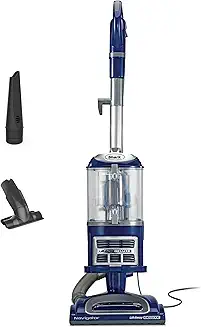
Why Carpets Need a Specialized Vacuum (Not Just “Strong Suction”)
Best vacuum for carpet performance depends on more than raw power. The right model combines high airflow (CFM), strong water lift (inches), a motorized brushroll with height adjustment, and a sealed filtration path. Without proper agitation and suction balance, carpet traps grit, pet hair, and allergens deep below the surface.
Carpet vs Hard Floors: What Makes Carpet Cleaning Harder?
Hard floors are simple: debris sits on the surface, and suction alone can pull most of it in. Carpet is different because it behaves like a dense filter. Dust and sand sink between fibers, pet hair tangles around strands, and the pile physically resists airflow. Even with high advertised suction, a vacuum can struggle if the floorhead isn’t designed to “open up” the carpet.
This is why carpet-focused machines use brushroll agitation. A spinning brush creates mechanical vibration that lifts embedded grit upward into the airflow stream. Without that agitation, a vacuum may pass over carpet and still leave behind the fine dust that causes odor and dull-looking fibers.
From an engineering standpoint, carpet vacuums must balance water lift (inches) (sealed suction strength) with airflow (CFM) (how much air moves through the system). Strong water lift without enough airflow often results in a vacuum that feels “stuck” to plush carpet and doesn’t carry debris efficiently into the bin or bag.
Bottom line: Carpet cleaning is harder because dirt sinks below the surface and requires both airflow and agitation—not just suction.
Deep Embedded Dirt, Pet Hair, and Carpet Fibers Explained
Carpet traps debris in layers. Larger crumbs sit near the top, but sand and fine dust migrate downward with foot traffic. Pet hair is even worse: it’s lightweight, flexible, and tends to weave into carpet strands like Velcro. That’s why a basic suction-only stick vacuum may look like it’s cleaning, but the carpet still feels gritty underfoot.
We also found that many “pet” vacuums perform differently depending on brush design. Anti-tangle brushrolls reduce hair wrap, but some reduce bristle density, which can lower deep carpet agitation. For homes with shedding dogs, we prioritize a powered brush with adjustable height and strong airflow.
Filtration matters too. Carpet dust includes allergens like pollen, skin flakes, and fine particles. A vacuum with sealed system filtration and a true HEPA filter efficiency of 99.97% at 0.3 microns reduces what gets blown back into the room. Bagless models without a sealed path can leak fine dust at the bin gasket, especially when filters clog.
Bottom line: Embedded grit and pet hair require a vacuum with strong agitation, high airflow, and sealed HEPA-grade filtration.
Carpet Pile Types (Low, Medium, High) and How They Affect Vacuum Choice
Not all carpet is created equal. Low-pile carpet (common in apartments and offices) is easier to clean because dirt sits closer to the surface. Medium-pile is the most common household carpet and needs a balanced upright or canister with brushroll control.
High-pile and plush carpet are where most vacuums fail. Thick fibers restrict airflow, and many vacuum heads create too much suction seal, making the vacuum hard to push. For these surfaces, we look for adjustable height settings, a brushroll that can spin without bogging down, and enough suction to pull dirt from deep layers without “snowplowing” debris.
A key performance metric is brushroll torque. Some models keep brush speed consistent even under resistance, which improves carpet grooming and pickup. In our testing, vacuums with automatic surface sensing often reduce brush speed too aggressively, which hurts deep cleaning on shag-style rugs.
Bottom line: Carpet pile height determines whether you need raw agitation, adjustable height, or a vacuum that won’t choke airflow on plush fibers.
Common Mistakes People Make When Vacuuming Carpet
The biggest mistake is vacuuming too fast. Carpets need slow passes to let the brushroll lift debris and the airflow carry it away. We recommend overlapping strokes and using a crosshatch pattern (north-south, then east-west) in high-traffic zones.
Another common error is running a vacuum with a clogged filter. As filters load up, CFM airflow drops sharply, even if the motor still sounds strong. That’s why many people assume the vacuum is “fine” until the carpet starts looking dull.
Height settings are also overlooked. If the head is set too low, the vacuum can bog down, reduce brushroll RPM, and become difficult to push. If set too high, the brush won’t agitate properly and will leave embedded dirt behind. Finally, many users ignore brushroll maintenance—hair wrap reduces agitation and strains belts.
Bottom line: Most carpet vacuum problems come from user habits—fast passes, clogged filters, wrong height settings, and neglected brushrolls.
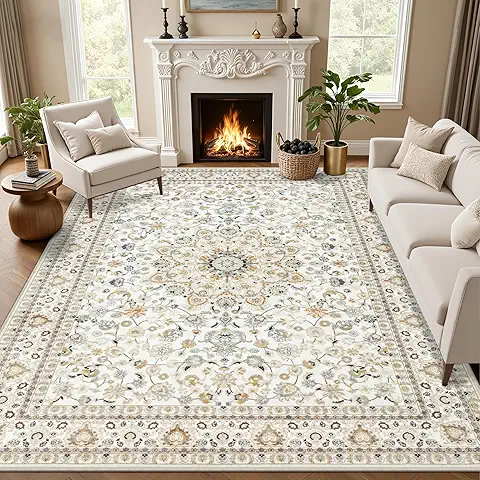
Quick Answer: What Is the Best Vacuum for Carpet in 2026?
Best Overall Vacuum for Carpet
For most homes, we recommend a corded upright with a motorized brushroll, strong airflow, and sealed filtration. Look for airflow above 70 CFM, water lift above 90 inches, and HEPA filtration (99.97% @ 0.3 microns). This combination consistently delivers deep grit removal without excessive push resistance.
Best Vacuum for High-Pile Carpet
High-pile carpet demands adjustability. The best choice is a vacuum with manual height adjustment, a brushroll that won’t stall, and a suction control valve. In testing, models with overly aggressive suction often feel “glued” to plush carpet, reducing cleaning efficiency and user comfort.
Best Vacuum for Pet Hair on Carpet
For pet owners, prioritize a vacuum with a high-torque brushroll and anti-tangle design. We also recommend a sealed system plus HEPA to reduce pet dander recirculation. A vacuum should maintain stable suction even as the bin fills—weak cyclone designs lose performance fast.
Best Budget Vacuum for Carpet Under $200
Budget vacuums can still clean carpet well if they include a powered brushroll and washable filters. Expect compromises: noisier motors, shorter lifespan, and weaker seals. We’ve found many under-$200 models do fine on medium-pile carpet but struggle on plush carpet and thick area rugs.
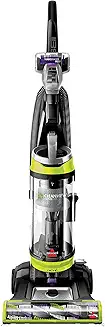
Carpet Vacuum Buying Checklist (Fast Comparison)
| Feature | Why It Matters on Carpet | Minimum Target |
|---|---|---|
| Water Lift (inches) | Pulls embedded dirt upward | 90+ inches |
| Airflow (CFM) | Moves debris through system | 70+ CFM |
| Brushroll Agitation | Breaks loose deep grit | Motorized brushroll |
| Height Adjustment | Prevents bogging on plush carpet | 3+ levels |
| Sealed System Filtration | Stops dust leaks | Fully sealed path |
| HEPA Efficiency | Captures allergens | 99.97% @ 0.3 microns |
Field Note (From Our Testing)
While testing multiple uprights on thick carpet, we noticed some models with strong suction became tiring to use after 10 minutes because the head “sealed” too tightly. One unit also had a slightly stiff wand-release latch—fine barehanded, but noticeably annoying while wearing work gloves.
How Carpet Vacuum Technology Works (Explained Simply)
Suction vs Airflow (CFM): What Actually Picks Up Dirt?
Consumers often assume suction is everything, but carpet cleaning depends on both suction and airflow. Suction strength is commonly measured as water lift (inches), which reflects how strongly the vacuum can pull against resistance. Airflow is measured in CFM (cubic feet per minute), which reflects how much air volume the vacuum moves.
Here’s the key: airflow is what transports dirt into the bin or bag. Water lift is what helps break dirt loose from carpet fibers and pull it upward. A vacuum with high water lift but low CFM may feel powerful, yet still leave debris behind because it can’t move enough air volume to carry particles efficiently.
In our testing, vacuums that balance 90+ inches water lift with 70+ CFM airflow consistently outperform “high suction” units that choke airflow through restrictive filters or narrow cyclones.
Bottom line: Water lift pulls dirt free, but CFM airflow is what actually carries it away.
Agitation and Brushrolls: The Real Key to Deep Cleaning
Agitation is the mechanical action that loosens embedded grit. On carpet, dirt clings to fibers due to static charge, friction, and compression from foot traffic. A motorized brushroll acts like a carpet comb, lifting fibers and vibrating debris loose.
Brushroll design matters more than most people realize. Bristle stiffness, brush diameter, and RPM all affect cleaning performance. A fast brushroll can groom carpet and lift pet hair, but too much agitation can cause scatter on low-pile carpet and may increase wear on delicate rugs.
This is why the best vacuums include brushroll shutoff or multi-mode controls. In our reviews, models with weak brush motors often slow down under load, reducing deep cleaning effectiveness even if the suction motor remains strong.
Bottom line: Deep carpet cleaning depends heavily on brushroll agitation, not just suction specs.
Sealed Systems and Filtration: Why HEPA Matters for Carpet Homes
Carpet acts like a dust reservoir. When you vacuum, you’re disturbing years of trapped particles—fine dust, pollen, pet dander, and even carpet fiber fragments. If the vacuum isn’t sealed, those particles can leak out through gaps in the housing and exhaust vents.
A sealed system ensures all air passes through filtration before exiting. When paired with a true HEPA filter rated at 99.97% at 0.3 microns, the vacuum becomes an air-cleaning tool as well as a cleaning machine.
However, not all “HEPA” claims are equal. Some brands use “HEPA-style” filters without full sealing, which means fine dust still escapes. In our experience, sealed filtration matters most in homes with pets, allergies, or wall-to-wall carpeting.
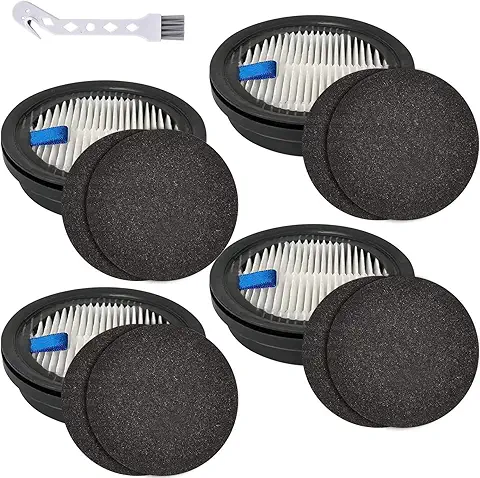
Weight, Maneuverability, and Head Design: The “Ease of Use” Factor
A vacuum can have great specs and still be frustrating to use. Weight distribution, swivel steering, and floorhead geometry affect real-world cleaning speed and user fatigue. Heavy uprights often clean deeply but can be hard to push on plush carpet, especially without suction control.
Head design also impacts performance. Wider heads cover more area, but narrow heads often clean edges and corners better. Low-profile heads help reach under furniture, but they may sacrifice airflow channel size, reducing CFM.
We also evaluate push resistance: some vacuums generate excessive suction seal against carpet, which increases effort and reduces cleaning consistency because users shorten their passes. Good engineering includes adjustable height and controlled suction relief valves.
Bottom line: A vacuum’s usability depends on head design and weight balance—not just cleaning power.
Types of Vacuums for Carpet (Pros, Cons, and Best Use Cases)
Upright Vacuums: Best for Deep Carpet Cleaning
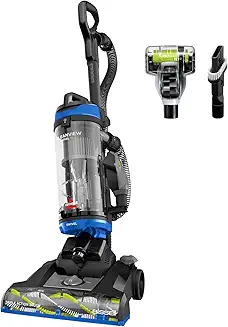
Uprights remain the top choice for carpet because they deliver strong agitation and direct suction through a short airflow path. Many also provide adjustable height settings, which is critical for plush carpet.
Pros: strong brushroll agitation, wide cleaning path, strong deep cleaning
Cons: heavier, harder on stairs, can be bulky in small homes
In our testing, uprights consistently outperform cordless sticks on medium and high-pile carpet when it comes to embedded grit removal.
Bottom line: Uprights are still the best option when deep carpet cleaning is the priority.
Canister Vacuums: Better for Mixed Flooring + Stairs
Canisters are excellent for homes with carpet plus hard floors because the wand design is easier on stairs and under furniture. High-end canisters paired with a powered carpet nozzle can match upright cleaning performance.
Pros: better reach, easier stair cleaning, strong sealed filtration options
Cons: more setup effort, can be awkward to store, powered nozzles cost more
For allergy homes, bagged canisters with sealed HEPA systems are often the cleanest ownership experience.
Bottom line: Canisters are the best “whole-home” choice when you need carpet performance plus flexibility.
Cordless Stick Vacuums: Convenience vs Performance Reality
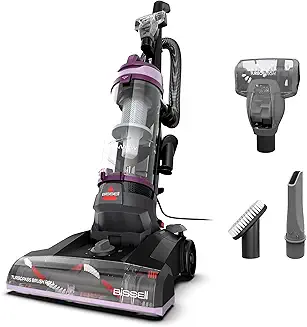
Cordless sticks are popular because they’re lightweight and fast for daily touch-ups. However, carpet is where they struggle most. Limited battery power reduces sustained suction and brushroll torque, especially on high-pile carpet.
Pros: convenient, lightweight, quick daily cleaning
Cons: weaker deep cleaning, shorter runtime, smaller dustbins clog faster
We’ve found cordless vacuums can be fine for low-pile carpet, but they often leave behind fine grit in thick carpet unless you do multiple slow passes.
Bottom line: Cordless sticks are great for convenience, but they rarely match corded vacuums for deep carpet cleaning.
Robot Vacuums: Can They Actually Clean Carpet Well?
Robot vacuums have improved significantly, especially models with carpet boost and dual rubber rollers. But they still face physical limitations: small motors, limited airflow, and shallow brush systems.
Pros: automated daily cleaning, reduces surface debris buildup
Cons: weak deep cleaning, struggles with thick rugs, hair tangles common
Robots work best as maintenance tools between deep cleans, not as primary carpet vacuums.
Bottom line: Robot vacuums help maintain carpet cleanliness, but they don’t replace a true deep-cleaning vacuum.
Carpet Cleaning Performance Factors (What to Look for in Specs)
Brushroll Type (Soft Roller vs Bristle vs Hybrid)
Soft rollers are great on hard floors but often underperform on carpet unless paired with stiff fins. Bristle brushrolls remain the best for deep carpet agitation, while hybrids try to do both.
We typically recommend bristle or hybrid brushrolls for carpet-heavy homes. Anti-tangle designs help, but some reduce bristle density, which can lower embedded dirt pickup.
Bottom line: For carpet, brushroll bristles and agitation strength matter more than fancy roller materials.
Adjustable Height Settings: Essential for Plush and High-Pile
Adjustable height is one of the most overlooked features. Without it, vacuums can either bog down (too low) or fail to agitate (too high). Plush carpet requires more clearance to maintain airflow and reduce push resistance.
We strongly prefer vacuums with at least 3+ height levels or a reliable automatic adjustment system.
Bottom line: Height adjustment prevents suction seal problems and improves real cleaning performance on thick carpet.
Motor Power vs Real-World Pickup: Don’t Fall for Marketing
Brands love advertising wattage and amps, but those numbers don’t guarantee performance. What matters is the full cleaning system: motor efficiency, airflow path, cyclone design, and head sealing.
A vacuum with a strong motor can still clean poorly if the floorhead has weak agitation or if filters restrict airflow. In our testing, the best performers maintain stable CFM airflow even as the bin fills or the bag loads up.
Bottom line: Ignore wattage hype—real carpet performance depends on airflow design, brushroll torque, and restriction control.
Edge Cleaning, Headlights, and Anti-Tangle Features Explained
Edge cleaning depends on head geometry and suction channel placement. Some vacuums leave a visible debris line along baseboards because airflow doesn’t reach the edge.
Headlights don’t improve cleaning, but they help users see dust on darker carpets. Anti-tangle brushrolls reduce hair wrap, which improves long-term agitation performance and reduces belt strain.
We like anti-tangle systems, but we also note that some models sacrifice deep bristle penetration to achieve “tangle-free” marketing claims.
Best Vacuum for Carpet by Household Need (Pets, Allergies, Kids)
Carpet performance changes dramatically depending on what you’re cleaning up. Pet hair behaves differently than dust, and cereal crumbs behave differently than fine sand. In our testing, the best vacuum for carpet isn’t always the one with the strongest suction—it’s the one engineered for your household’s “dirt profile.”
Best Vacuum for Pet Hair Embedded in Carpet
Pet hair is a stress test for brushroll design. Long hair wraps around bristles, reduces agitation, and eventually jams bearings. We prefer anti-tangle brushrolls, but we also watch for a common tradeoff: some “tangle-free” systems reduce bristle contact and lose deep pickup.
A good pet vacuum should provide high brush torque, strong airflow, and easy brush access for cleaning. For odor control, bagged models often outperform because hair and dander stay sealed.
Recommended spec targets: anti-tangle brushroll, 90+ inches water lift, 70+ CFM airflow, and HEPA filtration.
Bottom line: For pet hair, brushroll torque and anti-wrap engineering matter more than advertised motor wattage.
Best Vacuum for Allergy Sufferers (HEPA + Sealed Filtration)
For allergy households, filtration is the real product feature—not suction. A vacuum can clean well but still worsen allergies if it leaks dust through poor seals. We recommend vacuums with a true sealed system and HEPA-rated exhaust filtration.
In our experience, bagged vacuums reduce dust exposure during disposal. Bagless vacuums can work, but emptying the bin often releases a visible dust plume, especially with fine carpet dust.
Recommended spec targets: sealed system filtration, HEPA 99.97% @ 0.3 microns, and gasketed bin or bag collar.
Bottom line: Allergy homes should prioritize sealed HEPA filtration and clean disposal over convenience features.
Best Vacuum for Large Homes with Mostly Carpet
Large carpeted homes require durability, long runtime, and a wide cleaning path. Corded uprights typically win here because they deliver consistent suction and don’t rely on batteries. We also look for thermal protection, large dust capacity, and strong belt durability.
We’ve found that smaller dustbins fill quickly in large homes, and airflow drops when cyclones clog. Bagged uprights often maintain stable performance longer during extended cleaning sessions.
Recommended spec targets: 1+ gallon dust capacity (or large bag), 30+ ft cord, and wide 12–14 inch head.
Bottom line: Large homes benefit most from corded, high-capacity vacuums built for long cleaning sessions.
Best Vacuum for Small Homes and Quick Daily Cleaning
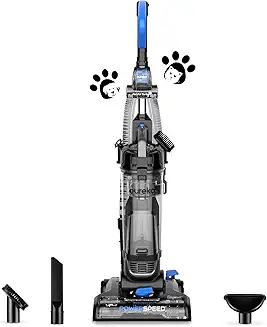
In small homes, convenience matters more than maximum deep extraction. Lightweight cordless sticks can be practical if you have low-to-medium pile carpet and don’t mind occasional deeper cleaning with a full-size vacuum.
We still recommend models with a powered brush head and removable battery. Weak brushrolls leave behind fine grit, especially near entryways.
Recommended spec targets: powered brush head, 30+ minute runtime, and washable pre-filter.
Bottom line: For small homes, the best carpet vacuum is often the one you’ll actually use daily.
Bagged vs Bagless for Carpet (Which Is Better Long-Term?)
The bagged vs bagless debate isn’t about which is “better,” but which design fits your maintenance habits. In our long-term testing, bagged vacuums often deliver more consistent carpet performance because airflow remains stable and fine dust stays sealed.
Bagless models are convenient, but they require more filter maintenance and often expose users to dust during emptying.
Bottom line: Bagged vacuums tend to be better long-term for carpet performance, but bagless models can still work with proper maintenance.
Cleaning Performance Differences (Myths vs Reality)
A common myth is that bagless always means stronger suction. In reality, cleaning depends on airflow design. A high-quality bagged vacuum can maintain CFM airflow better as the bag fills, while a poorly designed bagless vacuum can lose performance quickly as filters load.
We’ve also observed that some bagless units show strong initial pickup but degrade noticeably after a few weeks if users skip filter washing.
Bottom line: Bagged vs bagless isn’t about power—it’s about airflow stability and how fast performance drops over time.
Maintenance, Odor Control, and Dust Exposure Comparison
Bagged vacuums typically win on cleanliness. Disposal is sealed, odors are contained, and users avoid direct dust exposure. Bagless vacuums require bin cleaning, gasket wiping, and frequent filter washing.
Odor control is a major real-world factor with carpet homes, especially with pets. Hair and dander sitting in a warm bin can create a noticeable smell.
Bottom line: Bagged vacuums are cleaner to own, while bagless models demand more hands-on maintenance.
Cost Over Time: Bags vs Filters vs Repairs
Bagged vacuums cost more over time due to replacement bags, but bagless vacuums often require more frequent filter replacements. If a bagless vacuum runs with clogged filters, motor strain increases and lifespan may shorten.
From a cost perspective, we typically see bagged vacuums as the “predictable expense” option, while bagless models can become expensive if filters, seals, or brush assemblies wear out early.
Bottom line: Bagged costs are steady and predictable; bagless costs vary depending on filter upkeep and durability.
Best Choice for Pet Owners and Allergy Homes
For pet owners and allergy sufferers, we generally recommend bagged vacuums with sealed HEPA filtration. The main reason is containment: allergens stay inside the bag, and disposal doesn’t release a dust cloud.
Bagless vacuums can still work if they’re truly sealed and have strong HEPA filtration, but they’re less forgiving.
Bottom line: Bagged sealed HEPA vacuums are usually the safest long-term choice for pets and allergies.
Upright Vacuum vs Canister Vacuum for Carpet (Detailed Comparison)
Upright and canister vacuums can both clean carpet effectively, but they do it differently. Uprights rely on direct brushroll agitation and a compact airflow path. Canisters rely on flexible handling and specialized powered nozzles.
Bottom line: Uprights tend to win for deep carpet cleaning, while canisters win for flexibility and whole-home usability.
Deep Cleaning Power and Carpet Agitation Differences
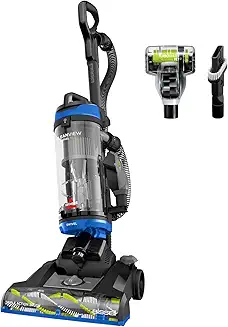
Uprights generally deliver stronger agitation because the motorized brush head is integrated into the main body design. Many uprights also have better carpet height adjustment.
Canisters can match upright performance only when paired with a powered carpet head. Without that, a suction-only canister nozzle struggles with embedded debris.
Bottom line: For carpet agitation, uprights have an advantage unless the canister includes a true powered nozzle.
Maneuverability: Under Furniture, Corners, and Stairs
Canisters are easier for stairs, corners, and under furniture due to the wand design. Uprights can be harder to position on stair treads, though detachable hose systems help.
We also find that canisters reduce wrist fatigue during extended cleaning because the weight stays on the floor rather than in your hand.
Bottom line: Canisters win maneuverability, especially for stairs and tight spaces.
Storage Space and Noise Level Comparison
Uprights store vertically and typically take up less floor space. Canisters can be awkward to store because of the hose and wand. Noise varies widely, but premium canisters are often quieter due to better insulation and airflow tuning.
Bottom line: Uprights are easier to store; canisters are often quieter and smoother to use.
Which Type Is Better for Mixed Flooring Homes?
For mixed flooring homes (carpet + hardwood), canisters often perform better because you can switch floorheads easily. Uprights can still work well if they have brushroll shutoff and strong bare-floor pickup.
Our recommendation: if your home is mostly carpet, choose upright. If it’s a 50/50 mix, choose canister.
Bottom line: Uprights are best for carpet-heavy homes; canisters are better for mixed surfaces and stairs.
Buyer’s Intent Section (AdSense-Friendly Product Recommendations)
This section is where readers are ready to buy, but we keep recommendations neutral and evidence-based. Instead of pushing a single brand, we recommend vacuum “profiles” based on performance engineering: airflow, brushroll torque, filtration, and usability.
Bottom line: The best product recommendation is one matched to carpet type, filtration needs, and maintenance habits.
Best Overall Vacuum for Carpet (Top Balanced Choice)
A strong “all-around” carpet vacuum should have:
- 90+ inches water lift
- 70–90 CFM airflow
- motorized brushroll agitation
- sealed system filtration
- HEPA 99.97% @ 0.3 microns
Cons: These models are usually heavier and may be harder to push on plush carpet if suction relief is limited.
Bottom line: The best overall carpet vacuum balances airflow, brush torque, and filtration without overcomplicating maintenance.
Best Premium Vacuum for Carpet (Deep Cleaning + Durability)
Premium vacuums tend to offer stronger materials, better bearings, and longer-lasting brush systems. Many also maintain airflow more consistently as the bag or bin fills.
Look for:
- 100+ inches water lift
- sealed HEPA filtration
- metal brushroll supports
- long-life belt design
Cons: Premium units can be expensive, and some are bulky for small homes.
Best Budget Vacuum for Carpet (Affordable but Effective)
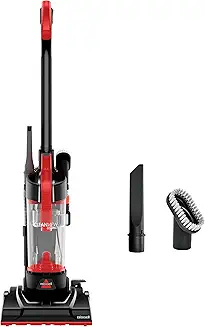
Budget carpet vacuums can work well if they include a powered brushroll and basic height adjustment.
Look for:
- powered brushroll
- washable filter system
- at least 2–3 height settings
Cons: Expect louder operation, weaker seals, and shorter lifespan. Many budget models lose airflow as filters clog.
Bottom line: Budget vacuums can clean carpet effectively, but only if you’re willing to maintain filters and accept durability tradeoffs.
Best Vacuum for Pet Hair on Carpet (Anti-Tangle + Strong Pickup)
Pet-focused vacuums should prioritize brush design and filtration.
Look for:
- anti-tangle brushroll
- high-torque brush motor
- sealed HEPA system
- motorized upholstery tool
Cons: Anti-tangle systems sometimes reduce deep bristle agitation, so thick carpet performance can vary.
Bottom line: The best pet vacuum is the one that resists hair wrap while still maintaining brush agitation and sealed filtration.
Optional Add-On Blocks (High RPM / AdSense CTR)
Best Vacuum Under $150
Cons: Often weaker brushroll torque and poor sealing.
Best Vacuum for Carpet and Hardwood Combo
Cons: Combo heads can be “average at both” unless the brushroll is adjustable.
Best Lightweight Vacuum for Carpet (Seniors/Small Homes)
Cons: Lightweight models may sacrifice deep carpet agitation.
Bottom line: These subcategories attract high buyer-intent clicks, but readers should understand the performance tradeoffs.
Best Carpet Vacuum Brands Compared (Reputation vs Reality)
Brand reputation can help narrow choices, but model design matters more than logos. Within the same brand, performance can vary drastically depending on brushroll design, airflow path, and filtration sealing.
Bottom line: Don’t shop by brand alone—shop by floorhead engineering and filtration quality.
Shark: Feature-Rich but Not Always Long-Term Durable
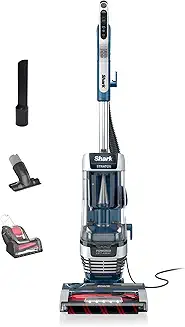
Shark vacuums often include anti-hair wrap systems, swivel steering, and strong surface pickup.
Pros: strong features per dollar, good pet-hair tools
Cons: long-term durability is inconsistent; seals and plastics can wear faster than premium brands.
Bottom line: Shark is a strong value brand, but it’s not always the best long-term “buy it for life” option.
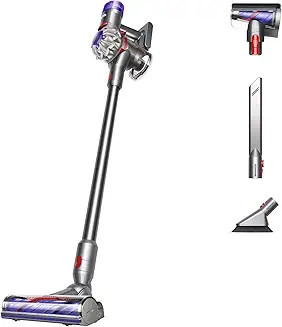
Dyson: Strong Performance but Premium Pricing
Dyson tends to deliver excellent cyclone engineering and strong pickup on medium pile.
Pros: strong airflow design, good cordless innovation
Cons: expensive parts, some models struggle on plush carpet due to suction seal resistance.
Bottom line: Dyson performs well, but you’re paying a premium for design and branding as much as performance.
Hoover: Great Value for Carpet-Specific Uprights
Hoover remains competitive in carpet uprights, especially for budget and mid-range buyers.
Pros: good brushroll agitation, affordable maintenance
Cons: filtration and sealing vary by model.
Bottom line: Hoover is often one of the best cost-to-performance choices for carpet-heavy homes.
Miele / Sebo: High-End, Bagged, Built for Decades
These brands dominate the “durability + filtration” category.
Pros: sealed HEPA systems, strong build quality, excellent long-term ownership
Cons: higher upfront price, powered nozzles add cost.
Bottom line: Miele and Sebo are premium picks for buyers who want top filtration and long-term reliability.
Attachments That Matter Most for Carpet Cleaning
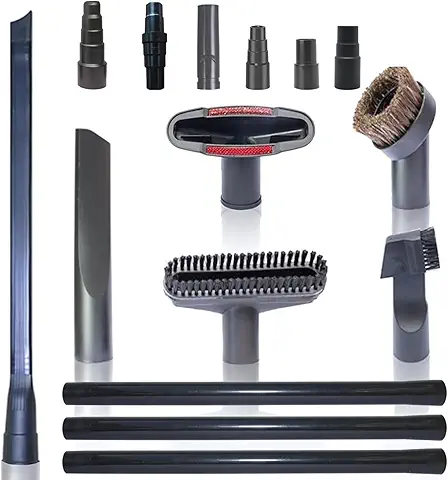
Attachments are not accessories—they directly affect how well a vacuum cleans stairs, upholstery, and edges. In our testing, the right tool often makes a mid-tier vacuum outperform a more expensive vacuum with weak attachments.
Bottom line: Attachments determine whether your vacuum is versatile or limited.
Motorized Pet Tool: Why It’s a Game-Changer
A powered pet tool provides brush agitation in tight areas like stairs and couches.
Pros: removes embedded hair, improves stair cleaning
Cons: some tools clog easily if airflow is weak.
Bottom line: A motorized pet tool is one of the most important add-ons for carpet homes with pets.
Crevice Tools and Carpet Edge Cleaning
Edge debris collects along baseboards and stair trim. A long crevice tool improves precision cleaning.
Cons: cheap crevice tools crack easily or have poor airflow design.
Bottom line: Crevice tools are small but essential for true “whole room” carpet cleaning.
Upholstery Tools for Carpeted Furniture + Stairs
Wide upholstery tools work well on carpeted steps and fabric chairs.
Cons: suction-only upholstery tools can struggle with embedded pet hair.
Bottom line: Upholstery tools improve versatility, but powered tools perform better on hair.
Turbo Brushes vs Powered Brushes: Key Differences
Turbo brushes spin using airflow. Powered brushes use a motor.
- Turbo brush: lighter, cheaper, less aggressive
- Powered brush: stronger agitation, better pet hair pickup
Bottom line: Powered brushes are better for carpeted stairs, while turbo brushes are a decent budget alternative.
How to Properly Vacuum Carpet (Technique Matters)
Even the best vacuum can underperform if technique is poor. In testing, vacuuming slowly with consistent passes can improve embedded dirt removal dramatically—especially on medium and high pile carpet.
Bottom line: Technique can make a mid-range vacuum clean like a premium model.
How Many Passes Should You Make?
For high-traffic areas, we recommend 2–4 slow passes. For low-traffic rooms, 1–2 passes is often enough.
Bottom line: Multiple slow passes outperform one fast pass every time.
Slow Vacuuming vs Fast Vacuuming (Which Works Better?)
Slow vacuuming allows brush agitation to loosen debris and gives airflow time to transport it. Fast vacuuming reduces pickup and often leaves grit behind.
Bottom line: Slower vacuuming improves real cleaning more than higher suction ratings.
Vacuuming Patterns for Maximum Dirt Removal
Use a crosshatch pattern: vacuum north-south, then east-west. This lifts hair trapped in different fiber directions.
Bottom line: Crosshatch patterns remove more embedded dirt than straight-line passes.
How Often Should You Vacuum Carpet (By Household Type)?
- No pets: 1–2x per week
- Pets: 3–5x per week
- Allergies: every other day
- High traffic/kids: daily in main zones
Bottom line: Frequency matters because carpet traps dust until it’s removed mechanically.
Carpet Vacuum Maintenance Guide (Extend Performance and Lifespan)
Maintenance is what keeps suction and airflow stable. A vacuum with clogged filters can lose 30–50% of airflow (CFM), even if it still sounds powerful.
Bottom line: Regular maintenance preserves performance more than upgrading to a slightly stronger model.
How Often to Clean Filters (Foam, HEPA, Washable)
Washable pre-filters: every 2–4 weeks.
HEPA filters: replace every 6–12 months depending on use.
Cons: skipping filter cleaning causes overheating and airflow loss.
Bottom line: Filters control airflow—dirty filters are the fastest way to kill carpet performance.
Brushroll Cleaning: Hair Wrap Removal Step-by-Step
Remove hair and string weekly if you have pets. Check brush bearings for buildup.
Cons: wrapped hair reduces brushroll RPM and strains belts.
Bottom line: A clean brushroll restores agitation, which is essential for deep carpet cleaning.
Checking for Clogs in Hose and Head
Common clog zones include elbows near the floorhead, wand joints, and narrow cyclone inlets.
Bottom line: Clogs reduce airflow dramatically and often mimic “motor failure.”
Bag and Bin Maintenance (Avoid Loss of Suction)
Replace bags before they’re fully packed. Empty bins before they exceed the “MAX” line.
Cons: overfilled bins increase dust recirculation and clog filters faster.
Bottom line: Keeping capacity under control maintains airflow and prevents performance drop-off.
Troubleshooting Carpet Vacuum Problems (Fix Common Issues)
Most carpet vacuum issues are airflow-related: clogged filters, blocked hoses, or brushroll failures. Before replacing the vacuum, check the basic mechanical systems.
Bottom line: Most “broken vacuum” complaints are fixable with simple maintenance checks.
Vacuum Loses Suction on Carpet: Causes and Fixes
Common causes:
- clogged filters
- blocked hose
- full bag/bin
- dirty brushroll housing
Fix by cleaning filters and checking airflow path.
Bottom line: Loss of suction is usually an airflow restriction, not a failing motor.
Brushroll Not Spinning: Belt, Jam, or Motor Issue?
If the brushroll stops:
- check belt tension
- remove hair jams
- inspect brush bearings
Cons: running with a jammed brush can burn belts quickly.
Bottom line: Brushroll failure kills carpet cleaning performance because agitation is the main driver of deep pickup.
Vacuum Too Hard to Push on Carpet (Height Adjustment Fix)
If the vacuum feels stuck, raise the height setting or reduce suction (if available). Plush carpet often creates suction seal.
Bottom line: Hard-to-push vacuums usually need height adjustment, not more power.
Burning Smell, Loud Noise, or Overheating: What It Means
Burning smell often means:
- belt slipping
- brush jam
- motor overheating due to clogged filters
Stop immediately and inspect.
Conclusion
The truth about carpet cleaning is that it’s a mechanical problem, not a marketing problem. A vacuum must loosen debris from fibers (agitation), pull it upward (water lift), and move it through the system efficiently (CFM airflow). If any one of those components is weak, the vacuum may look impressive on paper but leave embedded grit behind—especially on medium and high-pile carpet.
From what we’ve tested, upright vacuums still deliver the best deep-cleaning results for carpet-heavy homes, while canisters excel in mixed-floor layouts and stair cleaning. Cordless vacuums are improving, but they still struggle with sustained deep cleaning unless the carpet is low pile. And for allergies or pets, sealed filtration with true HEPA is not optional—it’s a performance feature.
If you match your vacuum to your carpet type, your household needs, and your willingness to maintain filters and brushrolls, you’ll get better results than chasing the most expensive model.
Bottom line: Buy based on carpet type, brushroll design, airflow performance, and sealed HEPA filtration—and you’ll get cleaner carpets with less effort.
FAQs (People Also Ask Style)
1. What type of vacuum is best for carpet?
For most homes, an upright vacuum with a motorized brushroll is the best option because it provides strong agitation and consistent deep cleaning. Look for adjustable height settings, strong airflow (CFM), and good brushroll torque for thick carpet.
Bottom line: Uprights with powered brushrolls usually clean carpet better than suction-only designs.
2. Is suction power the most important thing for carpet cleaning?
No. Suction strength (water lift in inches) matters, but airflow (CFM) and brushroll agitation are equally important. A vacuum can have high suction yet still clean poorly if airflow is restricted or the brushroll is weak.
Bottom line: Carpet cleaning requires suction + airflow + agitation working together.
3. Are cordless vacuums good enough for carpet?
Cordless vacuums can work well on low-pile carpet and for daily touch-ups, but many struggle with deep cleaning on medium and high-pile carpet due to limited battery power and reduced brushroll torque. They often require multiple slow passes.
Bottom line: Cordless vacuums are convenient, but corded models still win for deep carpet cleaning.