
Best home cleaning services USA providers should offer reliable residential cleaning, clear pricing, appropriate insurance, transparent service details, and convenient scheduling. Compare providers based on your home’s needs, cleaning frequency, service area, reputation, cleaning methods, and quote details before choosing a professional company.
What Are Home Cleaning Services?
Professional home cleaning services are designed to handle routine or detailed cleaning tasks inside residential properties. Instead of relying entirely on homeowners or renters to maintain every area themselves, customers can hire trained cleaners to perform specific tasks on a one-time or recurring basis.
The exact scope varies between cleaning companies, so it is important to confirm what is included before booking. A provider may offer basic housekeeping, deep cleaning, move-in or move-out cleaning, or customized services for particular rooms and surfaces.
For customers comparing home cleaning services, the goal is not simply to find someone who can clean a house. A suitable provider should match the property’s size, condition, cleaning requirements, schedule, budget, and expectations.
What Professional Home Cleaning Usually Includes
A standard residential cleaning service commonly focuses on maintaining the most frequently used areas of a home. Depending on the provider and selected package, this may include:
- Dusting accessible surfaces
- Vacuuming carpets and rugs
- Sweeping and mopping hard floors
- Cleaning bathroom surfaces
- Cleaning kitchen surfaces
- Wiping commonly touched areas
- Removing visible debris
- Cleaning mirrors and glass surfaces
- General tidying associated with the agreed cleaning scope
The important distinction is between cleaning and organizing. A cleaner may be able to wipe and clean accessible surfaces but may not be responsible for sorting personal belongings, removing excessive clutter, or reorganizing cabinets unless those services are specifically offered.
Customers should also ask whether supplies and equipment are provided. Some cleaning companies bring their own vacuums, mops, cloths, and cleaning products, while others may have different arrangements.
Before the first appointment, provide clear instructions about areas that need special attention. For example, a homeowner with pets may want extra attention paid to floors and upholstery, while another customer may prioritize kitchen grease or bathroom buildup.
A clear service checklist helps prevent misunderstandings and makes it easier to determine whether the quoted service actually meets the customer’s needs.

Standard Cleaning vs Deep Cleaning
Standard cleaning is generally intended for ongoing household maintenance. It works best when a home is already maintained reasonably well and needs regular attention to keep dust, dirt, and everyday buildup under control.
Deep cleaning involves a more intensive level of cleaning and may require additional time and labor. It can address areas that are not normally covered during every routine visit, depending on the provider’s service scope.
For example, a deep-cleaning appointment may place greater emphasis on:
- Built-up bathroom residue
- Kitchen grease and grime
- Detailed surface cleaning
- Baseboards and other less frequently cleaned areas
- Hard-to-reach accessible surfaces
- Detailed floor cleaning
- Interior areas specifically requested by the customer
The exact tasks should never be assumed. A customer should request the company’s deep-cleaning checklist before booking so there is a clear understanding of what the service includes.
Standard cleaning is often more suitable for recurring maintenance, while deep cleaning may make more sense before beginning a recurring schedule or when a home has accumulated substantial buildup.
One-Time vs Recurring Cleaning Services
A one-time cleaning service is useful when a customer has a specific cleaning project but does not want an ongoing arrangement. It may be appropriate before or after an event, following a busy period, or when a home simply needs additional attention.
Recurring cleaning provides scheduled maintenance at an agreed frequency. Common arrangements may include:
- Weekly cleaning
- Biweekly cleaning
- Monthly cleaning
- Another recurring schedule agreed with the provider
The right frequency depends on household size, occupancy, pets, lifestyle, traffic through the home, and how much routine cleaning the household handles independently.
For example, a busy household with pets may benefit from more frequent professional cleaning than a lightly occupied home. A customer who handles daily maintenance personally may only need professional help periodically.
Ask whether the initial visit is priced or scoped differently from recurring appointments. Some homes may require more extensive cleaning initially before they can be maintained through a regular schedule.
Homes and Properties Professional Cleaners Serve
Residential cleaners may work in a variety of properties, including:
- Single-family homes
- Apartments
- Condominiums
- Townhomes
- Rental properties
- Vacation or short-term residential properties
- Other residential settings where the provider offers service
Property type can affect access, cleaning requirements, parking arrangements, stairs, elevators, and the amount of equipment a cleaner needs to bring.
Renters should review their lease requirements if cleaning is being performed for a move-out or deposit-related purpose. Landlords and property managers may also have specific turnover expectations.
Customers should provide accurate information about the property before receiving a quote. Home size alone may not communicate the full scope of work. The number of bathrooms, flooring types, property condition, pets, clutter, and requested specialty tasks can all affect the service.
When Should You Hire a Professional Home Cleaning Service?
Hiring professional cleaners can make sense when routine household cleaning becomes difficult to maintain or when a property requires more work than the household can reasonably handle.
The decision is not necessarily about whether someone can clean the home themselves. It is often about whether professional assistance provides enough value in terms of time, consistency, convenience, and cleaning scope.
Signs Your Home Needs Professional Cleaning
Several visible conditions may indicate that a home needs more than basic routine maintenance.
These can include:
- Persistent dust buildup
- Accumulated kitchen grease
- Bathroom grime or residue
- Pet hair throughout living areas
- Persistent household odors
- Stains that require specialized treatment
- Floors that are difficult to maintain
- Areas that have not been cleaned for an extended period
- A growing backlog of household cleaning tasks
A home does not have to be severely dirty before professional cleaning becomes useful. Someone with a demanding work schedule may simply need assistance maintaining a normal household cleaning routine.
Similarly, homeowners with mobility limitations, large homes, multiple pets, or busy family schedules may decide that professional help provides practical value.
If there are signs of mold, sewage contamination, hazardous waste, significant water damage, or other potentially hazardous conditions, ordinary residential cleaning may not be appropriate. Customers should ask providers whether they handle the specific situation or whether a specialized remediation professional is required.
Situations That May Require a Deep Clean
Deep cleaning can be particularly useful when a home needs more attention than a normal recurring visit provides.
Common situations include:
- Moving into a previously occupied property
- Preparing a home for new occupants
- Moving out of a property
- Preparing for guests or an important event
- Cleaning after an unusually busy period
- Addressing long-term buildup
- Starting a new recurring cleaning routine
- Performing seasonal household maintenance
A deep cleaning appointment can also help establish a cleaner baseline before transitioning to regular service.
However, customers should not assume that every company uses the same definition of “deep cleaning.” One provider may include detailed baseboard cleaning while another may treat it as an add-on. Always compare the actual checklist rather than comparing service names alone.
Busy Households and Recurring Cleaning Needs
Recurring professional cleaning can be useful when a household repeatedly struggles to keep up with routine cleaning.
The main advantage is consistency. Rather than waiting until cleaning becomes overwhelming, customers can establish a regular schedule that fits their household.
Frequency should be based on actual needs rather than choosing the most frequent option automatically. Consider:
- Number of people living in the home
- Number of pets
- Amount of daily activity
- Children in the household
- Flooring and surface types
- Cooking frequency
- Available time for personal cleaning
- Desired cleanliness level
Customers should also understand what happens when a scheduled appointment falls on a holiday, vacation, or other unavailable date. Confirm rescheduling and cancellation policies before entering a recurring arrangement.

Cleaning Before or After Moving
Move-in and move-out cleaning requires special attention because the property may have different cleaning needs from an occupied home.
For a move-in cleaning, customers may want the home cleaned before furniture and personal belongings are moved into the property. This can make it easier to reach floors, cabinets, bathrooms, and other accessible areas.
For a move-out cleaning, the focus may be on leaving the property in an appropriate condition according to the customer’s lease, sale, or property-management requirements.
A professional cleaning company should receive accurate information about whether the property is vacant or occupied and what areas need attention.
If cleaning is connected to a security deposit, lease requirement, property sale, or rental turnover, customers should confirm the required cleaning standard independently rather than assuming a provider’s standard package automatically satisfies another party’s requirements.
Types of Home Cleaning Services to Consider
Not every customer needs the same level or type of cleaning. Understanding the major service categories makes it easier to compare providers and request an appropriate quote.
Standard Residential Cleaning
Standard residential cleaning is generally designed for routine household maintenance.
Depending on the provider, it may cover common living areas, bedrooms, kitchens, and bathrooms. Typical work can include dusting, vacuuming, mopping, wiping surfaces, and basic bathroom and kitchen cleaning.
The biggest advantage is consistency. Regular cleaning can help prevent everyday dirt and dust from accumulating to the point where a much more intensive cleaning session is required.
Before booking, ask for the exact checklist. A service advertised as “house cleaning” does not necessarily include:
- Inside ovens
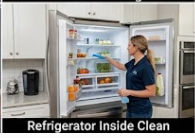
- Inside refrigerators
- Interior cabinets
- Exterior windows
- Walls
- Heavy stain removal
- Organization
- Carpet extraction
- Specialty restoration
Those services may be unavailable, separately priced, or outside the company’s normal scope.
Deep Cleaning Services
Deep cleaning is intended for homes that require more intensive attention.
The service may involve detailed cleaning of areas that receive less attention during routine visits. Depending on the provider, this can include additional bathroom detailing, kitchen buildup, baseboards, doors, fixtures, and other accessible areas.
Deep cleaning is particularly useful when:
- Starting recurring service
- Preparing for a major event
- Moving
- Addressing accumulated grime
- Performing periodic intensive household maintenance
Because the scope is broader, deep cleaning can require more labor than standard cleaning. Customers should compare checklists and ask whether difficult buildup, heavy stains, or specialty surfaces require additional charges.
Move-In and Move-Out Cleaning
Move-related cleaning focuses on preparing a property for a transition between occupants.
A vacant property can sometimes be easier to clean because furniture and belongings do not obstruct floors and surfaces. However, move-related cleaning can still vary substantially depending on the property’s condition.
Customers should ask whether the provider cleans:
- Cabinets
- Appliances
- Floors
- Bathrooms
- Interior windows
- Closets
- Baseboards
- Other areas relevant to the move
If the property is subject to landlord, property-management, or lease requirements, obtain those requirements before booking so the cleaning checklist can be compared against them.
Specialized Residential Cleaning
Some providers offer specialized cleaning services beyond their standard packages.
Examples can include:
- Interior appliance cleaning
- Detailed bathroom cleaning
- Refrigerator cleaning
- Oven cleaning
- Interior cabinet cleaning
- Pet-hair-focused cleaning
- Specific floor-care services
- Other specialty tasks
Availability varies considerably by company.
Customers should avoid assuming that a cleaner can safely handle every material or appliance. Certain surfaces require manufacturer-approved cleaning methods, and some specialty conditions may require trained or specialized professionals.
When requesting a quote, describe the exact task rather than simply asking for “extra cleaning.” Specific information helps the provider determine whether the work is within its normal capabilities.
Recurring House Cleaning Plans
Recurring plans are designed around an ongoing maintenance schedule.
A customer might choose a weekly, biweekly, or monthly arrangement depending on how quickly the property accumulates dirt and how much cleaning the household handles between professional visits.
When comparing recurring plans, evaluate more than frequency. Ask about:
- Cleaning checklist
- Visit duration or pricing method
- Supplies and equipment
- Rescheduling
- Cancellation policy
- Additional services
- Communication with the cleaning team
- Procedures for reporting missed or incomplete tasks
A recurring plan should provide predictable expectations for both the customer and the service provider.
How Professional Home Cleaning Services Work
Understanding the professional cleaning process helps customers prepare properly and evaluate providers more effectively.
A reputable service should be able to explain what happens before, during, and after a cleaning appointment.
Initial Assessment and Service Discussion
The first step is usually determining what the customer actually needs.
Depending on the company, this may happen through a phone call, online form, virtual discussion, or an in-person assessment.
Useful information includes:
- Approximate home size
- Number of bedrooms and bathrooms
- Property type
- Current condition
- Cleaning frequency
- Requested services
- Pets
- Flooring types
- Special surfaces
- Access requirements
- Preferred scheduling
Be honest about the condition of the property. Understating the amount of buildup or the scope of work can result in an inaccurate quote or insufficient appointment time.
For larger or unusual cleaning projects, an assessment may provide a better basis for determining the required labor.
Creating a Cleaning Checklist
A detailed checklist is one of the simplest ways to establish clear expectations.
Instead of relying on a general promise to “clean the house,” customers should understand which rooms and tasks are included.
For example, a checklist may identify:
| Area | Possible Tasks |
|---|---|
| Kitchen | Countertops, sinks, exterior appliance surfaces, floors |
| Bathrooms | Sinks, toilets, showers, mirrors, floors |
| Bedrooms | Dusting, vacuuming, accessible surfaces |
| Living Areas | Dusting, vacuuming, floor care, surface cleaning |
| Entry Areas | Dusting, vacuuming, sweeping or mopping |
This is only an example. Actual services vary by provider.
A written checklist is particularly valuable for recurring cleaning because it gives the customer and cleaning team a common reference point.
Cleaning Process and Quality Control
Professional cleaning generally follows an organized workflow rather than randomly addressing visible dirt.
A provider may begin by preparing the work area, gathering equipment, and following a room-by-room or task-based cleaning process.
Quality control can involve checking completed areas before leaving the property.
Customers should ask how the company handles situations where something is missed. A straightforward correction process can be more useful than vague promises about perfect results.
For specialty surfaces, cleaners should use appropriate products and techniques rather than applying the same chemical or tool everywhere.
What Customers Should Prepare Before Cleaners Arrive
Good preparation can make the appointment more efficient.
Customers should consider:
- Securing valuable or sensitive personal items
- Providing access instructions
- Identifying areas that require special attention
- Communicating pet-related instructions
- Removing excessive clutter from surfaces
- Explaining any product sensitivities
- Identifying fragile surfaces or materials
- Confirming parking or entry arrangements
Cleaning teams generally work more efficiently when surfaces are accessible.
Customers should not assume cleaners will move large furniture, handle valuable objects, or reorganize personal belongings unless those services are explicitly included.
After-Service Inspection and Feedback
After the cleaning is complete, customers should review the work when practical.
Check the areas that were specifically discussed during the booking process and compare the result with the agreed scope.
If something was missed, communicate the issue promptly and provide specific information about the area and task.
For recurring services, constructive feedback can help establish clearer expectations for future visits.
A professional provider should have a defined way for customers to communicate concerns rather than leaving them uncertain about how to request a correction.
What Equipment and Cleaning Methods Do Professionals Use?
Cleaning quality depends not only on labor but also on using appropriate equipment and methods for the surfaces being cleaned.
A professional cleaner does not necessarily need the most expensive equipment. What matters is whether the tools and products are suitable for the task and used correctly.
Professional Vacuuming and Floor-Care Equipment
Professional cleaners may use vacuums, mops, microfiber tools, brushes, and other equipment depending on the property.
Different flooring materials can require different approaches. Carpet, hardwood, tile, vinyl, laminate, and other surfaces should not automatically be treated identically.
For homes with significant pet hair or dust, effective vacuuming becomes especially important. Customers with allergy concerns may also want to ask about the type of vacuum filtration and cleaning procedures used, without assuming that a particular filtration standard is provided.
For hard floors, the appropriate moisture level and cleaning solution matter. Excessive moisture or unsuitable products can damage some flooring materials.
Cleaning Products and Surface-Specific Techniques
A professional cleaning process should account for the material being cleaned.
For example:
- Glass may require a product designed to minimize streaking.
- Kitchen surfaces may need products suitable for grease.
- Bathroom surfaces may require methods appropriate for mineral or soap buildup.
- Wood surfaces may require manufacturer-approved care.
- Natural stone can be sensitive to certain cleaners.
- Stainless steel may require products that avoid unnecessary surface damage.
This is why a “stronger” chemical is not automatically a better cleaning solution.
Customers with delicate materials should tell the provider in advance and provide manufacturer guidance where necessary.
Cleaning professionals should also follow product labels and appropriate safety practices, including proper ventilation and avoiding unsafe combinations of cleaning chemicals.
Eco-Friendly and Low-Chemical Cleaning Options
Some customers prefer environmentally conscious or lower-chemical cleaning products.
Availability depends on the provider, so this should be discussed before scheduling.
Customers can ask:
- Which products do you normally use?
- Can you use customer-supplied products?
- Are fragrance-free options available?
- Can products be selected for specific surface requirements?
- How are cleaning chemicals stored and handled?
“Eco-friendly” is not a universal guarantee of performance or safety for every surface. Customers should focus on the actual products and methods being used.
Pet- and Child-Friendly Cleaning Considerations
Homes with children or pets may require additional planning around cleaning products and freshly cleaned areas.
Customers should communicate:
- Pets in the home
- Areas where pets spend significant time
- Product sensitivities
- Fragrance preferences
- Surfaces requiring special care
- Any household instructions relevant to access or safety
Cleaning products should always be used according to their labels.
If a household has specific safety concerns, customers should discuss them with the provider before service rather than assuming a standard cleaning package uses products suitable for every situation.
How Much Do Home Cleaning Services Cost?
There is no single price that applies to every home cleaning service in the USA. The final cost can vary substantially based on the property’s characteristics, cleaning scope, location, labor requirements, and provider.
Instead of relying on a generic national number, customers should focus on understanding what is included in the quote and why the provider priced the job that way.
What Determines House Cleaning Prices?
Common pricing factors include:
- Home size: Larger properties generally require more time and labor.
- Number of rooms: More rooms can increase the overall cleaning scope.
- Cleaning scope: A basic cleaning and a detailed deep cleaning are different workloads.
- Property condition: Heavy buildup may require additional labor.
- Cleaning frequency: Recurring service may be structured differently from a one-time appointment.
- Number of cleaners: A larger crew can change the labor structure and appointment duration.
- Location: Local operating costs and market conditions vary across the USA.
- Special requests: Appliance interiors, detailed cleaning, or other additional tasks can affect the quote.
The condition of a property is especially important. Two homes of identical size may require very different amounts of work.
For this reason, customers should provide accurate information when requesting an estimate.
Hourly, Flat-Rate, and Customized Pricing
Cleaning providers may use different pricing models.
Hourly pricing charges according to labor time. This can be useful when the exact scope is difficult to predict, but customers should clarify whether there are minimum service periods or other conditions.
Flat-rate pricing provides a predetermined price for a defined cleaning scope. This can make budgeting easier when the provider has enough information to estimate the work accurately.
Customized pricing may be used for larger homes, specialty services, unusual property conditions, or cleaning projects requiring an assessment.
The most important issue is not which pricing model is universally “best.” It is whether the customer understands the scope behind the quoted price.
A low quote may not actually be less expensive if important tasks are excluded or additional charges are added later.
Why Deep Cleaning Usually Requires More Work
Deep cleaning generally involves a broader scope and more detailed attention than routine cleaning.
Additional work can involve areas that have accumulated dust, grease, residue, or grime over a longer period.
The labor difference can come from:
- More detailed surface work
- Additional rooms or areas
- Longer cleaning time
- Greater buildup
- More equipment or products
- Specialty tasks
- More detailed finishing work
Customers should therefore compare deep-cleaning checklists, not just advertised prices.
A provider that includes more tasks in its standard deep-cleaning package may have a different quote from one that treats those tasks as add-ons.
Additional Fees and Special Services
Additional charges may apply depending on the provider and service requirements.
Potential factors can include:
- Specialty cleaning
- Unusually heavy buildup
- Additional rooms
- Interior appliance cleaning
- Special cleaning products
- Last-minute scheduling
- Difficult access
- Services outside the standard checklist
Not every provider charges these fees, and the amount or structure varies.
The safest approach is to ask for all known additional charges before confirming the appointment.
Customers should also clarify whether the quoted price is conditional on the property being in the condition described during the estimate.
What a Professional Cleaning Quote Should Include
A useful cleaning quote should provide enough information for the customer to understand what they are paying for.
Ideally, confirm:
- Property type
- Areas being cleaned
- Specific tasks included
- Cleaning frequency
- Pricing method
- Quoted price or estimate
- Additional-service charges
- Supplies and equipment
- Scheduling details
- Cancellation or rescheduling terms
- Payment expectations
- Any exclusions or limitations
Do not hesitate to ask for clarification when a quote is vague.
For example, instead of asking only, “How much is a deep clean?” ask, “What rooms and tasks are included in the deep-cleaning quote, and are there any additional charges I should know about?”
That question gives both sides a clearer understanding of the expected service.
For customers comparing the best home cleaning services USA options, the strongest choice is not necessarily the company offering the lowest initial quote. A better decision comes from comparing scope, professionalism, communication, transparency, service availability, and overall value.
If you’re ready to compare local providers, request a detailed cleaning quote and confirm exactly what is included before scheduling service.
Internal link suggestion: Link “deep cleaning services” to your dedicated deep-cleaning guide.
Internal link suggestion: Link “home cleaning costs” to your detailed residential cleaning cost guide.
Key Takeaway
Choosing a professional home cleaning service should start with the home’s actual needs rather than a generic “best” label. Compare cleaning scope, provider reliability, pricing transparency, service availability, insurance, communication, and written service details. A clear quote and defined checklist can help prevent surprises and make it easier to select the right cleaning professional.
DIY Cleaning vs Hiring a Professional
Choosing between DIY cleaning and professional home cleaning depends on the condition of the property, the amount of time available, the level of cleaning required, and the value you place on convenience. For many households, the most practical approach is not choosing one option exclusively, but combining routine DIY maintenance with professional cleaning when the workload becomes difficult to manage.
What Homeowners Can Safely Handle
Most homeowners can handle ordinary household maintenance without professional assistance. Routine cleaning is generally manageable when the home is reasonably maintained and there are no unusual contamination, restoration, or hazardous-material concerns.
Common DIY tasks include:
- Dusting accessible surfaces
- Vacuuming carpets and rugs
- Sweeping and mopping appropriate flooring
- Wiping countertops and tables
- Cleaning mirrors and basic glass surfaces
- Removing everyday kitchen debris
- Cleaning sinks and other routine bathroom surfaces
- Changing or washing household cleaning tools as appropriate
- Maintaining frequently used areas between professional visits
Regular maintenance can reduce the amount of buildup that accumulates between deeper cleaning sessions. Simple habits such as wiping kitchen surfaces after cooking, vacuuming high-traffic areas, and cleaning bathroom surfaces regularly can make a noticeable difference in how much work is required later.
However, DIY cleaning should stay within the homeowner’s knowledge and equipment. A customer should not attempt unfamiliar chemical treatments, hazardous cleanup, specialized stain removal, or restoration work simply because a surface appears difficult to clean.
Safety should take priority over saving money. If a cleaning task involves an unknown substance, potentially hazardous contamination, significant mold, sewage, bodily fluids, or another unusual condition, contact an appropriate professional rather than treating it like ordinary housekeeping.
When Professional Cleaning Makes More Sense
Professional cleaning becomes more valuable when the workload exceeds what a household can reasonably maintain.
Time is one of the biggest factors. A homeowner may technically be able to clean an entire property but may not have several hours available every week or month to complete the work properly.
Professional service can make sense when:
- Work or family responsibilities leave little cleaning time.
- The property is large.
- Multiple bathrooms or living areas require regular attention.
- Pet hair accumulates quickly.
- Dust and grime repeatedly build up.
- A home has not received detailed cleaning for an extended period.
- The customer is preparing for a move.
- A property needs move-in or move-out cleaning.
- The household wants a consistent recurring cleaning schedule.
- A deep cleaning project would take significantly longer to complete alone.
Large homes can be particularly difficult to maintain because cleaning involves more than simply covering additional square footage. There may be more floors, bathrooms, fixtures, furniture, surfaces, and hard-to-reach areas to maintain.
Professional cleaning can also be useful during major transitions. Move-in and move-out cleaning, for example, may require concentrated work at a time when the homeowner is already dealing with packing, transportation, paperwork, or property-related responsibilities.
Recurring cleaning can provide another advantage: consistency. Instead of allowing cleaning tasks to accumulate until they become overwhelming, a household can establish a schedule based on its actual needs.
That does not mean professional cleaning is necessary for every household. If a customer has sufficient time, appropriate equipment, and a manageable property, DIY cleaning may be the more economical choice.
The better question is whether professional service provides enough time savings, convenience, consistency, and cleaning quality to justify the cost.
Risks of Using the Wrong Cleaning Products
One of the most overlooked parts of DIY cleaning is product selection. A product that works well on one surface can damage another.
Potential problems include:
- Discoloration
- Surface deterioration
- Streaking or residue
- Damage to protective finishes
- Damage to flooring
- Etching of sensitive surfaces
- Unpleasant or persistent odors
Natural stone, wood, specialty flooring, stainless steel, glass, painted surfaces, and other materials may require different cleaning approaches. The strongest chemical is not necessarily the most effective or appropriate option.
Always follow the cleaning-product label and applicable manufacturer care instructions. If a flooring, appliance, countertop, or other surface has specific maintenance requirements, those instructions should take precedence over generic cleaning advice.
Chemical mixing is another serious concern. Household cleaning products should not be combined unless the product manufacturer specifically indicates that doing so is safe. Mixing incompatible chemicals can create dangerous fumes or other hazardous reactions.
Ventilation also matters. When using cleaning products indoors, follow label directions regarding ventilation, protective equipment, and safe handling.
Professional cleaners should similarly select products according to the surface and task rather than assuming one product is appropriate throughout an entire home.
If you are unsure whether a particular product is suitable for a surface, do not experiment on a visible area. Check the manufacturer’s instructions or ask a qualified professional.
How to Decide Based on Time, Cost, and Cleaning Scope
A simple way to evaluate DIY versus professional cleaning is to consider three factors: time, cost, and scope.
| Factor | DIY Cleaning | Professional Cleaning |
|---|---|---|
| Routine dusting | Usually practical | Convenient for recurring service |
| Basic vacuuming | Usually practical | Useful for larger homes or busy households |
| Small cleaning tasks | Often economical | May not be necessary |
| Large-property cleaning | More time-intensive | Can reduce household workload |
| Deep cleaning | Possible but labor-intensive | Useful when detailed work is needed |
| Move-related cleaning | Possible with sufficient time | Often convenient during a move |
| Recurring maintenance | Requires regular personal time | Provides scheduled assistance |
| Specialized cleaning | May require additional knowledge/equipment | Provider may offer appropriate services |
Start by identifying what actually needs to be cleaned. A customer who only needs occasional bathroom and kitchen maintenance may not need frequent professional service.
On the other hand, someone who repeatedly postpones cleaning because of work, family obligations, or property size may receive greater value from recurring professional assistance.
Cost should also be evaluated against time. If a DIY cleaning project consumes an entire weekend, the financial comparison is not simply the cost of cleaning products. The customer’s available time and effort have value as well.
The cleaning scope is equally important. A professional quote should be compared against the exact tasks included rather than against a generic hourly or advertised price.
Before hiring, ask the provider for a clear description of the service and determine whether the work addresses your actual priorities.
Key Takeaway: DIY cleaning works well for routine household maintenance, while professional cleaning becomes more valuable when time is limited, the property is large, buildup is extensive, or a move or deep-cleaning project creates a larger workload. The right choice depends on the home’s condition, required cleaning scope, available time, and overall value.
How to Choose the Best Home Cleaning Service in the USA
Finding the best home cleaning services USA option is not simply about selecting the company with the most appealing advertisement. A reliable decision requires comparing the provider’s service scope, professionalism, communication, pricing transparency, availability, and ability to meet the property’s specific needs.
Because cleaning businesses operate differently across the United States, customers should verify the information that applies to their particular provider and location. Business requirements and other local considerations can vary by state, city, county, and jurisdiction.
What to Look for in a Cleaning Company
Start by determining whether the company actually specializes in the type of residential cleaning you need.
Relevant residential cleaning experience matters because residential properties can contain different surfaces, layouts, access requirements, and customer expectations. A company that routinely performs house cleaning may be better positioned to explain what its standard, deep, or recurring services include.
Insurance is another important consideration. Ask what coverage the business carries and whether it applies to the services being performed. Do not assume that every cleaning provider has identical coverage.
Service area should also be confirmed before booking. A company may serve only certain communities or may have different availability depending on the location.
Pay attention to the provider’s service descriptions. A clear cleaning checklist is much more useful than a vague statement promising a “complete home clean.”
Look for transparency around:
- Included cleaning tasks
- Additional services
- Pricing structure
- Scheduling
- Cancellation policies
- Supplies and equipment
- Communication
- Property-access procedures
Customer reviews can provide useful insight into communication and customer experience, but they should be evaluated as one part of the decision rather than treated as proof of every service claim.
Customers should also request a written estimate or service summary when appropriate. Written information makes it easier to compare providers and reduces the chance of misunderstanding what was agreed upon.
Finally, consider availability. A provider may be highly suitable but unavailable on the dates or schedule you require.
Questions to Ask Before Hiring
A few specific questions can reveal whether a cleaning company is a good fit.
What’s included?
Ask for the actual checklist rather than relying on the service name.
Clarify whether the quoted service includes the kitchen, bathrooms, bedrooms, floors, dusting, mirrors, appliances, baseboards, or other areas you consider important.
Who provides cleaning supplies?
Determine whether the company brings its own products and equipment or expects the customer to provide them.
If you have fragrance sensitivities, children, pets, delicate surfaces, or specific product preferences, discuss these requirements before service.
How many cleaners will arrive?
The number of cleaners can affect scheduling, appointment duration, and the way the service is performed.
Knowing who is expected to arrive also helps with access and household planning.
Are cleaners insured?
Ask the company directly about its insurance coverage and what situations are covered. Customers should not assume that a business’s statement of being “insured” means every possible incident is covered.
What happens if something is damaged?
Accidents can happen during residential service. Ask about the company’s process for reporting and resolving property damage or other concerns.
A clear policy is preferable to discovering after an incident that the customer and provider had different expectations.
Is recurring scheduling available?
If you want regular cleaning, ask whether weekly, biweekly, monthly, or another schedule is available.
Also ask whether the same cleaning team is normally assigned, if that is important to you, and how scheduling changes are handled.
What is the cancellation policy?
Understand the notice period, rescheduling rules, and any applicable charges before committing to recurring service.
A clear cancellation policy protects both the customer and the provider from avoidable misunderstandings.
Red Flags to Avoid
A professional-looking website or attractive advertisement does not automatically establish that a cleaning provider is reliable.
Be cautious when a company provides vague pricing without explaining what the quoted service includes.
Another warning sign is an unclear service scope. If the provider cannot explain which rooms and tasks are included, comparing its quote with another company becomes difficult.
Watch for pressure tactics, particularly when a customer is pushed to book immediately without enough time to review pricing, policies, or service details.
Poor communication before the appointment can also be a useful warning sign. If basic questions are repeatedly ignored or answers remain unclear, the same communication problems may continue after booking.
Customers should also be careful with unsupported claims. Statements about being the “best,” “most trusted,” or “number one” should not replace verifiable information about the company’s services and business practices.
Other warning signs include:
- No clear business contact information
- No understandable service description
- Refusal to provide basic pricing information
- No explanation of additional charges
- Unclear responsibility for property damage
- Inconsistent answers about what is included
- Pressure to pay before understanding the service terms
None of these factors alone proves that a provider is unsuitable, but several together should encourage a customer to investigate further or compare alternatives.
When to Request Multiple Quotes
Requesting multiple quotes can be especially useful when the cleaning project is substantial or the scope is difficult to define.
Consider comparing providers when:
- The home is large.
- A deep cleaning is required.
- The property has unusual cleaning requirements.
- You need move-in or move-out cleaning.
- One provider’s quote is substantially different from another.
- The service scope is unclear.
- You need recurring cleaning and want to compare long-term value.
Do not compare quotes based only on the final number.
One provider may quote a lower amount while including fewer tasks. Another may include additional rooms or services within the quoted scope.
Instead, create a simple comparison:
Price → Included tasks → Additional charges → Frequency → Availability → Supplies → Policies → Communication
This approach makes it easier to identify genuine differences in value.
Internal link suggestion: Link “deep cleaning services” to a dedicated deep-cleaning service guide.
Internal link suggestion: Link “home cleaning costs” to a detailed residential cleaning pricing guide.
How to Choose the Right Home Cleaning Professional
The right cleaning professional should match the customer’s actual requirements rather than simply ranking highly in a generic list.
What to Look for in a Service Provider
Prioritize residential cleaning experience, especially when the property requires more than basic housekeeping.
Confirm that the provider has appropriate insurance and ask questions about the type of coverage relevant to the service.
Check the company’s service-area coverage before spending time comparing a provider that does not operate where you need service.
Look for transparent estimates and written service details. A clear estimate should make it possible to understand the relationship between the requested work and the quoted price.
Evaluate reviews and reputation carefully. Genuine customer feedback can help identify patterns in communication, punctuality, service consistency, and issue resolution, but reviews should not be treated as a substitute for verifying the provider’s current service terms.
Also evaluate:
- Responsiveness
- Professional communication
- Appointment availability
- Cleaning checklist
- Payment terms
- Cancellation policy
- Damage policy
- Recurring-service options
Where a provider advertises particular credentials, insurance, guarantees, or business qualifications, customers should verify those claims rather than assuming they apply universally.
Questions to Ask Before Hiring
Before booking, confirm the complete service scope.
Ask which rooms and tasks are included and which services cost extra.
Ask about cleaning products and equipment, particularly if your home contains delicate materials or your household has specific product preferences.
Confirm the expected number of cleaners and whether the appointment duration is estimated or fixed.
Discuss scheduling and cancellation terms before committing to recurring service.
Ask about the provider’s damage policy and how customers should report concerns.
If the company advertises a satisfaction policy or guarantee, request the terms in writing so you understand what it actually covers.
For recurring cleaning, ask whether the company can maintain the desired schedule and how missed or rescheduled appointments are handled.
Red Flags to Avoid
Avoid relying on generic marketing claims when the provider cannot support them with practical information.
A lack of a written service scope, unclear pricing, unexplained additional charges, poor communication, or pressure to book immediately should all encourage closer evaluation.
The goal is not to find a provider that makes the biggest promises. It is to find one that clearly explains what it will do, what it will charge, when it will arrive, and what happens if something goes wrong.
When to Request Multiple Quotes
Multiple quotes are particularly useful when there is no obvious standard scope for the job.
For a large or heavily soiled property, request enough detail to compare labor requirements and cleaning tasks.
For deep cleaning, compare the checklists carefully.
For unusual properties or specialty requests, verify that each company is actually offering the same type of work before comparing prices.
If the quotes vary significantly, ask why. The difference may be explained by cleaning scope, labor, property condition, frequency, or additional services rather than simply indicating that one company is more expensive.
Home Cleaning Cost and Value: What Should You Expect?
Customers searching for professional house cleaning often want a simple price, but residential cleaning does not have one universal national rate.
Pricing can vary by location, property size, condition, service type, labor requirements, frequency, and requested tasks. The most useful approach is therefore to understand how providers calculate the quote.
How Cleaning Companies Calculate Costs
A provider may consider several variables before giving a price.
Property size affects the amount of space that must be cleaned, while the number of rooms and bathrooms can affect the overall workload.
Property condition is equally important. A home requiring routine maintenance may take substantially less work than a property with extensive buildup.
Cleaning frequency can also influence the service structure. A recurring customer may have different requirements from someone requesting a one-time deep clean.
Other factors include:
- Number of cleaners
- Type of cleaning requested
- Number of bathrooms
- Flooring and surface types
- Pet hair
- Heavy buildup
- Specialty requests
- Location
- Access requirements
- Requested cleaning products or equipment
The best way to receive a useful estimate is to provide accurate information about the property and requested services.
Is a Professional Cleaning Service Worth It?
Whether professional cleaning is worth the cost depends on the customer’s circumstances.
For one household, paying for cleaning may provide significant value because it frees up time that can be used for work, family, rest, or other priorities.
For another household, DIY cleaning may be more practical because the property is small, cleaning requirements are simple, and sufficient time is available.
Consider:
Time: How many hours does cleaning require each week or month?
Scope: Are you maintaining the home or trying to catch up on significant buildup?
Consistency: Can you realistically maintain the desired schedule?
Effort: Does cleaning interfere with other important responsibilities?
Cost: Does the quoted professional service fit your household budget?
Professional cleaning can be particularly valuable when a customer repeatedly postpones cleaning because the workload is too large.
How Long Does a Home Cleaning Service Take?
There is no universal appointment duration for every home.
The time required depends on:
- Home size
- Number of rooms
- Number of bathrooms
- Cleaning type
- Property condition
- Number of cleaners
- Amount of buildup
- Requested tasks
- Specialty services
A standard cleaning of a well-maintained home can have a very different workload from a deep cleaning of a larger property.
Customers should be cautious of providers giving precise time commitments without first understanding the property’s size and cleaning requirements.
When requesting a quote, provide as much accurate information as possible and ask whether the estimated duration is based on the described condition of the home.
Does Emergency or Same-Day Cleaning Cost More?
Some cleaning companies may offer same-day or urgent cleaning, but availability varies by provider and location.
Urgent scheduling may involve different pricing because the company has to accommodate the request within a limited timeframe or adjust its existing schedule.
Customers should ask:
- Is same-day service available?
- Is there an additional urgent-service charge?
- What cleaning scope can be completed within the available time?
- Does the company need additional information before confirming the appointment?
Do not assume that every cleaning provider offers emergency service or that “emergency cleaning” has the same meaning across companies.
For hazardous contamination or specialized cleanup, ordinary house cleaning may not be the appropriate service.
How to Avoid Unexpected Cleaning Charges
The easiest way to reduce pricing surprises is to confirm the details before booking.
Ask for:
- Written service scope
- Included rooms
- Included cleaning tasks
- Pricing method
- Additional-service charges
- Supply and equipment arrangements
- Recurring-service terms
- Cancellation policy
- Rescheduling rules
- Payment requirements
Be especially careful with vague phrases such as “complete cleaning” or “full house cleaning.” Ask what those terms mean in practical terms.
If you request an additional service during the appointment, ask whether it changes the price before the work begins.
A detailed quote does not guarantee that every circumstance will remain unchanged, particularly if the actual property condition differs substantially from what was described. However, clear communication can significantly reduce misunderstandings.