
A professional hedge trimming service helps homeowners and property managers maintain neat, manageable hedges without damaging the plants or spending hours handling demanding yard work. In Los Angeles, this service may include routine cutting, decorative shaping, selective pruning, height management, and collecting trimmed branches. The exact work depends on the hedge’s species, size, condition, and the customer’s preferred appearance.
When searching for hedge trimming near me within 5 mi in Los Angeles, customers should look for a provider who can confirm service availability at their address, explain the proposed work, and provide a clear estimate before starting.
Hedge Trimming vs. Hedge Pruning and Shaping
Although people often use these terms interchangeably, hedge trimming, pruning, and shaping describe related but different types of work.
Hedge trimming generally involves cutting back new growth to maintain a hedge’s size, outline, and appearance. It is commonly used for established hedges that need routine maintenance. For example, a homeowner may want to keep a front-yard hedge at a consistent height so it does not obstruct windows or cover a walkway.
Hedge pruning involves selectively removing particular branches or sections of growth. A professional may recommend pruning to remove damaged material, improve the hedge’s structure, or manage growth in a way that suits the plant species. Pruning requirements differ among plants, so the correct approach depends on their growth habits and condition.
Hedge shaping focuses on the finished appearance. This may involve creating a straight, formal outline, maintaining a rounded profile, or restoring a previously maintained shape. The achievable result depends on the plant’s density, health, and existing structure.
These distinctions matter when requesting an estimate. A quote for routine trimming may not include substantial height reduction, corrective pruning, or restoration of a severely overgrown hedge.
Before hiring a local landscaping professional, explain whether you want to maintain the current appearance, reduce the hedge’s dimensions, or address a specific problem. This helps the provider assess the work and recommend an appropriate service.
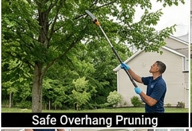
Types of Hedges and Shrubs Professionals Can Maintain
Landscaping providers may work with a variety of hedges and shrubs commonly used around American homes and commercial properties. Their experience with particular plants is worth confirming before booking.
Common examples include:
- Evergreen hedges: Used for year-round screening and property boundaries. Trimming methods depend on the species and how much older growth it can tolerate.
- Formal hedges: Maintained in defined geometric shapes, often along walkways, driveways, and front gardens.
- Privacy hedges: Taller plantings used to create separation between outdoor living spaces and neighboring properties.
- Flowering hedges: Shrubs grown partly for their flowers. Trimming must account for the plant’s flowering cycle to avoid removing developing blooms unnecessarily.
- Mixed shrub borders: Groups of different plants that may need individual pruning approaches rather than uniform cutting.
In Los Angeles, properties can have different growing conditions depending on sun exposure, irrigation, soil, and the plants selected. A hedge in a sunny front yard may grow differently from one in a shaded side passage.
When requesting hedge trimming near you, describe the plant if you know its name. If not, clear photographs can help a provider identify the likely plant type and determine whether the job requires routine trimming or more selective work.
One-Time Trimming vs. Recurring Hedge Maintenance
A one-time hedge-trimming service is useful when a property needs a seasonal tidy-up, preparation for guests, or attention after a period of neglected maintenance. It can also suit homeowners who prefer to arrange landscaping only when necessary.
Recurring hedge maintenance is different. The provider visits according to an agreed schedule to help keep the hedges within the desired dimensions. The appropriate frequency depends on plant growth, species, season, and the appearance the customer wants to maintain.
For example, a property manager overseeing a rental home may prefer scheduled visits so the front landscaping remains presentable between tenancies. A homeowner with a small decorative hedge may only need occasional trimming.
Before agreeing to recurring service, confirm:
- How often visits are expected.
- Which hedges and shrubs are included.
- Whether each visit includes shaping and cleanup.
- How changes to the schedule are handled.
- Whether pricing or the scope can change if growth becomes unusually heavy.
Do not assume that a recurring plan is automatically cheaper or better. Compare the written terms with your property’s actual maintenance needs.
When a Hedge Needs Trimming Rather Than Major Renovation
Routine trimming is generally suitable when a hedge is healthy and its main problem is excess growth or an uneven outline. However, a severely overgrown hedge may need more than a light cut.
Signs that a more detailed assessment may be necessary include extensive bare patches, dead sections, significant damage, weak structure, or branches that cannot be shortened without cutting deeply into older growth.
Some plants do not regenerate well from severe cutting into old wood. Others may respond differently depending on species and condition. A qualified landscaping professional should assess the hedge before recommending substantial reduction.
If the hedge is unhealthy, heavily damaged, or unsuitable for its location, possible options may include selective pruning, staged renovation, replacement of individual plants, or removal. These approaches involve different costs and outcomes, so the recommendation should be based on the actual condition rather than appearance alone.
Key takeaway: Identify whether your hedge needs routine trimming, careful pruning, shaping, or more substantial restoration before requesting a quote. A clearly defined scope makes it easier to compare local service providers.
Signs You Need Hedge Trimming Near You
Hedges can gradually grow beyond their intended size, especially when regular maintenance is postponed. What starts as a minor appearance issue can eventually affect walkways, windows, access points, and the overall usability of an outdoor space.
Recognizing the signs of excessive growth helps homeowners arrange suitable maintenance before the job becomes more complicated.
Overgrown Branches Blocking Windows, Paths, or Entrances
One of the clearest reasons to arrange hedge trimming is when branches interfere with everyday use of a property.
A hedge may begin to cover ground-floor windows, narrow a garden path, obstruct a gate, or extend across a driveway entrance. Overhanging growth can also make it harder to reach outdoor equipment or maintain nearby planting beds.
For rental properties and commercial premises, these issues can affect the appearance and accessibility of the grounds. However, cutting back vegetation near public walkways or roadways may require additional care, particularly when visibility, pedestrians, or public property are involved.
When contacting a hedge-trimming provider, identify the specific obstruction rather than simply describing the hedge as overgrown. Explain whether the priority is to reopen a walkway, clear a window, restore access to a gate, or reduce the hedge’s width.
This helps the provider determine whether routine trimming is sufficient or whether selective pruning is necessary.
If branches are close to electrical service lines, do not attempt to cut them yourself. Contact the appropriate utility or qualified professional for guidance before work proceeds.
Uneven Growth and Loss of the Desired Hedge Shape
Hedges often develop uneven surfaces when one side receives more sunlight, plants grow at different rates, or previous trimming has been inconsistent.
Common signs include a sloping top, protruding branches, gaps in the outline, or a hedge that is wider at the top than intended. Some unevenness is cosmetic, but excessive cutting to correct it can damage the plant.
A professional may use string lines, visual guides, hand shears, or suitable powered equipment to establish a more consistent outline. The technique should account for the hedge’s structure and how much growth can safely be removed.
For formal hedges, customers should explain the desired finished height and width before work starts. If the hedge is already sparse near the bottom, a provider may recommend a gradual correction rather than aggressive cutting.
Photographs taken from the front and side can help communicate the problem. They also make it easier to discuss the expected result before approving an estimate.
Hedges Spreading Beyond Property Boundaries
Hedges may grow across fences, encroach on neighboring space, or extend into access areas. This can become a practical concern when vegetation interferes with maintenance, pedestrian movement, or the use of a driveway.
Before arranging trimming, establish which plants and sections are within the customer’s authority to maintain. A hedge growing along a boundary may involve neighboring property, shared responsibilities, or a disagreement about the correct cutting line.
Avoid assuming that every branch crossing a boundary can be cut without restriction. Property rights and local rules can depend on the circumstances and applicable jurisdiction.
A landscaping provider can often perform the physical trimming, but the customer should clarify ownership and permission where necessary. For work close to a sidewalk, street tree, or public parkway in Los Angeles, confirm whether additional city requirements apply.
The estimate should identify the sections to be cut and any limitations on the work. This reduces the chance of disagreements about which side of a boundary will be maintained.
Dead, Damaged, or Diseased Growth That Needs Assessment
Brown leaves, dead twigs, broken branches, and unusual bare patches may indicate that a hedge needs attention. However, these symptoms do not always mean that trimming alone will solve the problem.
Possible causes include watering problems, environmental stress, pests, disease, physical damage, or the natural growth characteristics of the plant. Cutting away visible symptoms without identifying the cause may leave the underlying issue unresolved.
A landscaping professional experienced with the plant may be able to identify obvious concerns and recommend suitable maintenance. If disease, pests, or significant plant decline are suspected, a qualified arborist, horticultural specialist, or appropriate plant-health professional may be more suitable.
Customers should mention any recent changes, such as altered irrigation, construction nearby, or damage from strong winds. This context can help determine whether the job involves routine trimming or requires further assessment.
Key takeaway: Arrange hedge maintenance when growth begins affecting access, appearance, or boundaries. If the hedge shows extensive damage or possible disease, establish whether it needs specialist assessment before approving substantial cutting.
Hedge Trimming Services Available in Los Angeles
Hedge-trimming requirements vary by property. A small front-yard hedge may need a simple tidy-up, while a long privacy hedge or commercial landscape may require multiple workers, specialized equipment, and a separate debris-removal arrangement.
When searching for local hedge-trimming professionals, identify the type of property and the work involved rather than assuming every landscaping company offers the same services.
Residential Front-Yard and Backyard Hedge Trimming
Residential hedge trimming focuses on maintaining the appearance and usability of a home’s outdoor areas.
Front-yard work may involve shaping shrubs along a path, maintaining a neat boundary beside a driveway, or trimming plants around windows and entrances. Backyard services may include privacy hedges, garden borders, and shrubs around patios or outdoor seating areas.
Before booking, decide which areas need attention. A clearly defined request might include trimming the front hedge, reducing growth around a gate, and collecting the cuttings from the work area.
Also identify obstacles such as garden furniture, irrigation equipment, narrow side passages, and delicate planting near the hedge. These conditions can affect access and labor requirements.
Homeowners should confirm whether the estimate covers only cutting or also includes cleanup, hauling, and removal of green waste.
Privacy Hedge Cutting and Height Control
Privacy hedges create separation between gardens, patios, neighboring properties, and outdoor living areas. Maintaining their height and width can help preserve privacy without allowing the planting to become difficult to manage.
However, reducing a tall hedge requires careful planning. Cutting too aggressively may leave bare areas or permanently damage certain plants. The appropriate reduction depends on species, existing growth, and the location of healthy foliage.
A professional should inspect the hedge and discuss realistic expectations before promising a particular height or shape.
When requesting a quote, provide approximate dimensions and explain whether you want to maintain the current height, reduce the top, narrow the sides, or restore an uneven outline.
If the hedge is unusually tall or located near overhead utilities, ask whether the provider can safely handle the work or whether a specialist is needed.
Decorative Hedge Shaping and Shrub Maintenance
Decorative hedge shaping is suitable for customers who want consistent outlines, defined edges, or a particular landscape appearance.
The service may involve maintaining formal geometric hedges, refining rounded shrubs, or trimming plants around entrances and garden features. The appropriate method depends on the plant’s natural form and the customer’s expectations.
Not every shrub responds well to repeated shearing. Some flowering plants need selective pruning to preserve their shape and flowering potential. Customers should tell the provider if a plant is valued for its flowers, foliage, or natural growth habit.
It is also helpful to distinguish between maintaining an existing shape and creating a new one. Establishing a new shape on an irregular or heavily overgrown hedge may require more time and several maintenance visits.
Ask the provider to explain what result is achievable before authorizing substantial cuts.
Commercial Property and Rental-Property Hedge Maintenance
Commercial properties and rental homes may require consistent landscaping to maintain a professional appearance and keep outdoor access areas clear.
Potential customers include landlords, property managers, homeowners’ associations, retail property operators, and businesses responsible for their own grounds.
A commercial hedge-maintenance request may cover multiple hedges, shared walkways, entrances, parking areas, and boundary planting. The provider may need to coordinate access with tenants, property managers, or site personnel.
Before entering into an ongoing arrangement, establish:
- Which property areas are included.
- The maintenance frequency and expected standard.
- Whether work must occur within particular access windows.
- How debris is handled.
- How changes in scope are approved.
- Who authorizes additional work and receives invoices.
For multi-property or recurring work, written service terms are particularly important because a vague scope can lead to different expectations about what each visit includes.
Hedge Trimming With Clipping Collection and Debris Removal
Cutting a hedge produces leaves, small branches, and other green waste. Some customers can manage these materials themselves, while others prefer the provider to collect and remove them.
These are not necessarily the same service. A quote may include gathering clippings and leaving them in an agreed location without including transportation or disposal.
Before hiring, ask whether cleanup includes the entire work area, whether the provider will haul away the material, and whether disposal is charged separately.
Los Angeles residents should also check the applicable rules for their green-waste collection service rather than assuming every type or volume of yard debris can be placed in a residential bin. Requirements and collection arrangements can differ by property and service.
Key takeaway: Choose a provider whose services match the actual job, whether that means routine residential trimming, tall privacy hedge reduction, commercial maintenance, or complete clipping removal.
How Professional Hedge Trimming Works
A professional hedge-trimming visit should begin with an assessment and an agreed scope of work. The purpose is not simply to cut every protruding branch, but to achieve a suitable appearance while considering plant health, access, safety, and cleanup.
Understanding the process helps customers communicate their expectations and recognize when an estimate is incomplete.
Assessing Hedge Species, Condition, Size, and Access
Before work begins, the provider should assess the hedge’s approximate length, height, density, condition, and location.
Plant identification matters because different species tolerate different trimming methods. Some can be maintained through frequent surface trimming, while others require more selective cuts or careful timing around flowering.
The assessment should also identify practical challenges. A hedge behind a narrow gate may take longer to reach than one beside an open driveway. Uneven ground, nearby structures, irrigation equipment, fences, and limited working space can affect the method used.
The provider may ask for photographs or arrange an on-site assessment if the work is complex. Photographs are useful for an initial discussion, but they may not reveal every issue involving plant condition or access.
Customers should disclose known hazards, such as overhead utility lines or unstable ground. If the work appears to require climbing or cutting near electrical conductors, a suitable specialist may be necessary.
Agreeing on the Desired Height, Width, and Finished Shape
One of the most important steps is agreeing on what the finished hedge should look like.
Descriptions such as “shorter,” “neater,” or “more even” can mean different things to different people. Where possible, specify the approximate target height and width, identify the sections to be trimmed, and explain which areas must remain clear.
Reference photographs can help communicate a preferred appearance, but the provider should explain whether that result is realistic for the existing plants.
A hedge with sparse lower growth, bare patches, or substantial woody branches may not support the same shape as a dense, regularly maintained hedge. Attempting to achieve a perfectly uniform outline in one visit could require excessive cutting.
The customer and provider should agree on any limitations before work begins. This is particularly important for severe height reduction or reshaping that goes beyond routine maintenance.
Choosing Hand Tools, Powered Trimmers, or Selective Pruning
The tools used depend on the plant, branch thickness, access, and desired result.
Manual hedge shears may be suitable for detailed finishing or small areas. Powered hedge trimmers can help maintain long, relatively uniform surfaces when used appropriately. Pruning loppers or other suitable tools may be needed for individual branches that should not be cut with a surface trimmer.
The provider should avoid using a single method for every plant without considering its structure. Selective pruning may be more appropriate for certain flowering shrubs or branches that require individual attention.
Customers do not need to dictate the equipment, but they can ask how the provider intends to manage unusually thick branches, delicate growth, or a tall hedge.
Equipment choice also affects safety. Powered cutting tools require appropriate handling, protective equipment, and adequate working space.
Checking the Finished Hedge and Cleaning the Work Area
After trimming, the provider should review the finished result against the agreed scope.
This may include checking the outline from different angles, identifying obvious uneven sections, and ensuring that the requested areas have been addressed. The customer can also inspect the work before the provider leaves.
Cleanup should follow the terms of the estimate. If collection and hauling were included, confirm that the clippings and agreed work areas have been cleared. If the customer chose to retain the green waste, verify where it has been placed.
If the result differs from the agreed scope, discuss the specific issue promptly and refer to the written estimate rather than making assumptions about additional work.
Key takeaway: A well-managed hedge-trimming service includes assessment, clear expectations, suitable cutting methods, a final review, and cleanup according to the agreed terms.
Hedge Trimming Equipment, Techniques, and Plant Health
Equipment and technique affect more than the speed of a hedge-trimming job. The right approach can help maintain the intended shape while avoiding unnecessary damage to foliage and branches.
Customers comparing local providers should look for a professional who can explain the method in practical terms, especially when the hedge is tall, delicate, or badly overgrown.
Manual Shears vs. Powered Hedge Trimmers
Manual hedge shears offer control for smaller areas, light trimming, and detailed finishing. They can be useful when a plant requires careful handling or when the working area is too restricted for larger equipment.
Powered hedge trimmers are commonly used to maintain long surfaces and consistent outlines. They may improve efficiency on established hedges, but they are not suitable for every branch size or plant condition.
Thicker branches may require an appropriate pruning tool rather than forcing them through a hedge trimmer. The provider should select equipment according to the plant and the work being performed.
For customers, the main consideration is not whether a company uses the newest equipment. It is whether the tools are suitable, maintained, and used safely by someone with relevant experience.
Shaping Formal Hedges Without Overcutting
Formal hedges often need a consistent outline along their tops and sides. However, trimming too deeply or repeatedly cutting into unsuitable old growth can create bare areas and weaken the desired appearance.
The approach should reflect the plant species and the condition of the existing hedge. Some formal hedges tolerate regular surface trimming, while others require less frequent cutting or more selective methods.
Where the lower portion needs to receive sufficient light, the provider may recommend a slightly tapered profile, with the base somewhat wider than the top. Whether this is suitable depends on the plant and the desired design.
If a hedge has already become sparse or uneven, gradual correction may be preferable to trying to achieve a perfect outline in a single visit.
Managing Tall Hedges and Difficult-to-Reach Sections
Tall hedges require additional attention to working access, tool handling, and the risk of falling branches.
A provider should assess whether the work can be completed safely from the ground using appropriate equipment or whether a more specialized approach is required. Customers should not assume that a standard hedge-trimming crew can safely perform every height-related job.
Slopes, narrow passages, unstable surfaces, and proximity to structures can make the work more complicated. Hedges close to electrical lines require particular caution, and customers should not attempt to reach or cut vegetation near energized conductors.
When requesting an estimate, provide photographs that show the full hedge, its base, surrounding ground, and nearby obstacles. This helps the provider identify potential limitations before scheduling the work.
Identifying When Selective Pruning Is Better Than Shearing
Surface shearing is intended primarily to manage the outer growth of a hedge. Selective pruning removes particular branches based on their position, condition, or effect on the plant.
Selective pruning may be more appropriate when the hedge contains damaged branches, requires structural correction, or includes shrubs that do not respond well to frequent surface cutting.
It can also be relevant when customers want to reduce a hedge without simply cutting every outer surface to the same depth.
If there are signs of serious disease, extensive dieback, or significant structural damage, routine trimming may not be enough. A qualified specialist should assess the plant and recommend a suitable course of action.
Key takeaway: Suitable tools and techniques depend on plant species, height, condition, and access. Ask how the provider plans to achieve the desired result without excessive cutting or unsafe working practices.
DIY Hedge Trimming vs. Hiring a Professional
Some hedge maintenance can be manageable for homeowners, but larger jobs may require specialized equipment, experience, and careful planning. The decision should consider the plant, the working conditions, and the amount of cutting required.
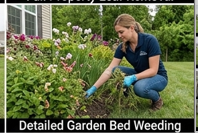
When Basic Trimming May Be Manageable for a Homeowner
A homeowner may be able to maintain a small, accessible hedge using appropriate hand tools and basic safety precautions.
Examples include removing a few minor protruding shoots, tidying a small ornamental hedge, or maintaining a previously established shape at ground level.
Before starting, identify the plant if possible and check whether it is an appropriate time to trim it. Avoid removing more growth than necessary, particularly if the hedge is flowering, stressed, or already sparse.
Work only where you can maintain stable footing and a clear working area. Wear suitable eye protection, gloves, and other protective equipment appropriate to the tools being used.
Homeowners should also understand the limits of their equipment. Ordinary household tools may not be suitable for thick branches or dense, woody hedges.
Situations That Call for Professional Equipment and Experience
Hiring a professional is worth considering when the hedge is large, tall, dense, badly overgrown, or difficult to reach.
Professional assistance may also be useful when:
- Several hedges need consistent shaping.
- The hedge requires substantial height or width reduction.
- Branches are close to buildings, fences, or other obstacles.
- The work involves significant debris collection and hauling.
- The plant’s condition makes the appropriate trimming method uncertain.
- The job is part of a rental-property or commercial landscaping schedule.
A professional estimate also allows the customer to understand the scope and expected cost before deciding whether to proceed.
Hiring someone does not automatically guarantee a particular result. Customers should still verify relevant experience, insurance, service terms, and the proposed method.
Ladder, Blade, Electrical, and Overhead-Line Safety
Hedge trimming can involve sharp blades, flying debris, powered equipment, and unstable working positions.
Avoid operating powered cutting equipment from an unstable ladder or reaching beyond a secure position to access branches. Do not cut near overhead electrical conductors or attempt to move branches that are in contact with electrical equipment.
If vegetation is interfering with electrical lines, contact the appropriate utility or qualified professional before arranging ordinary trimming.
Keep children, pets, and bystanders away from the work area. Protective equipment and tool instructions should be followed, and damaged equipment should not be used.
For tall hedges or work on sloping ground, the safest decision may be to hire a provider with suitable equipment and relevant experience rather than attempting the job independently.
When a Tree-Care Specialist or Qualified Arborist Is More Appropriate
A general landscaping provider may be suitable for routine hedge maintenance, but some situations require more specialized plant-care knowledge.
Consider seeking a qualified arborist or other appropriate specialist when the work involves substantial woody growth, large plants with tree-like structure, significant structural damage, suspected serious disease, or uncertainty about whether severe cutting will harm the plant.
Credentials and professional designations should be verified rather than assumed. The appropriate qualifications depend on the type of work and the jurisdiction.
For ordinary, accessible hedges, specialized tree-care services may not be necessary. The goal is to match the provider to the actual risk and complexity of the job.
Key takeaway: DIY trimming may suit small, accessible maintenance tasks. For tall, dense, hazardous, or severely overgrown hedges, professional assessment can help reduce safety risks and avoid damaging the plants.
How Much Does Hedge Trimming Cost in Los Angeles?
The cost of hedge trimming depends on the amount of work required rather than a single universal rate. Two hedges of similar length can require different labor if one is maintained regularly and the other is tall, dense, difficult to reach, or in need of substantial reshaping.
For customers searching for hedge trimming near me within five miles in Los Angeles, the most useful approach is to request an estimate based on the actual property and compare providers using the same scope of work.
What Determines the Cost of Hedge Trimming?
Several factors may influence the quote:
- Hedge dimensions: Longer or taller hedges generally require more work than small, low plantings.
- Density and branch thickness: Dense growth or woody branches may require slower, more selective cutting.
- Condition: Regularly maintained hedges may be easier to trim than plants that have grown well beyond their intended shape.
- Access: Narrow passages, slopes, obstacles, and limited working space can increase the time required.
- Service type: Routine trimming, detailed shaping, selective pruning, and substantial reduction are different tasks.
- Cleanup: Collecting clippings and hauling green waste may be priced separately.
- Scheduling: Short-notice or after-hours appointments may have different terms depending on the provider.
General US cost guides can help readers understand the types of pricing factors involved, but they should not be treated as verified quotes for a specific Los Angeles address. Obtain a local estimate before committing to the work.
How Hedge Height, Length, Density, and Access Affect Labor
Hedge length is only one part of the calculation. A long, regularly maintained hedge with easy ground access may be relatively straightforward, while a shorter hedge with excessive height or dense woody growth can demand more time.
Height can affect equipment needs and safe access. Density influences how quickly the outer growth can be cut and whether individual branches need selective pruning. Uneven terrain or restricted access can slow movement and make it harder to position tools.
The provider may also need to consider whether the hedge is beside a fence, close to a building, or intertwined with other plants.
To obtain a more useful quote, provide approximate dimensions, clear photographs, and a description of the desired result. Be honest about the current condition so the provider can estimate the work realistically.
Trimming, Reshaping, Cleanup, and Debris-Hauling Charges
A quote for routine trimming may cover cutting and basic shaping without including every possible additional task.
For example, removing the outer growth from a maintained hedge is different from reducing its height substantially, removing large branches, or restoring a severely irregular outline.
Cleanup also needs clarification. Some providers include collecting the clippings, while others may charge separately for loading and hauling them away. The volume and type of green waste can affect the arrangement.
Before accepting a quote, ask whether the price includes:
- Trimming all identified hedge sections.
- The requested shaping or reduction.
- Collecting cuttings from the work area.
- Transporting and disposing of green waste.
- Additional work if unexpected conditions are discovered.
A written scope helps prevent misunderstandings about what the quoted amount covers.
One-Time Service vs. Recurring Maintenance Costs
One-time trimming is suitable for occasional maintenance or correcting a hedge that has become overgrown. Recurring maintenance is designed to keep the hedge within agreed dimensions over time.
A recurring arrangement may help a homeowner or property manager plan landscaping visits more consistently. However, the value depends on the actual schedule, scope, price, and cancellation terms.
Ask whether the provider charges per visit, by a recurring agreement, or through another pricing arrangement. Confirm what happens if growth is heavier than expected or an additional visit is needed.
Do not assume that recurring service automatically costs less. Compare the total expected service and the obligations involved before signing an agreement.
What to Check in a Written Hedge-Trimming Estimate
A good estimate should make it clear what the customer is buying.
Check that it identifies the property or hedge sections, describes the proposed trimming, specifies whether height reduction and shaping are included, and explains the cleanup arrangement.
The estimate should also state the total quoted amount, any known additional charges, payment terms, and the expected scheduling window. If the provider anticipates that the job may require a separate assessment, ask how that will be handled.
For complex work, confirm how unexpected conditions or changes in scope will be approved. Additional work should not be treated as automatically authorized simply because the provider is already on-site.
Is an Inspection Worthwhile, and How Long Does the Work Take?
An assessment can be particularly useful for tall, dense, overgrown, or difficult-to-access hedges. An in-person visit may reveal issues that photographs do not show, including unstable ground, thick branches, or limited equipment access.
Small, maintained hedges may take relatively little time, while extensive trimming and cleanup can require a longer visit or more than one worker. Ask the provider for a realistic time estimate based on the actual job.
If urgent or same-day service is needed, confirm both availability and any additional charges before booking.
How to Avoid Unnecessary Charges
Describe the job accurately, identify every hedge section, provide photographs when helpful, and specify whether green-waste removal is required.
Compare quotes based on the same work rather than choosing the lowest figure without checking the exclusions. Ask for approval before additional work begins, and keep the agreed scope in writing.
Key takeaway: There is no single price that applies to every hedge in Los Angeles. A property-specific estimate with clear labor, trimming, cleanup, and disposal terms is the most reliable basis for comparing service providers.
Hedge Maintenance for Los Angeles Properties
Regular maintenance can help hedges remain manageable and reduce the likelihood of needing extensive corrective work. However, the appropriate schedule depends on the plant, its growth pattern, the local conditions, and the appearance the customer wants to maintain.
How to Determine a Suitable Trimming Schedule
Some hedges need frequent light trimming to maintain a formal outline. Others grow more slowly or require selective pruning at particular times of the year.
Rather than choosing a schedule solely by calendar, consider the plant’s growth rate, species, desired dimensions, and condition. A professional can help determine whether regular light trimming or less frequent selective pruning is more suitable.
For rental and commercial properties, a scheduled maintenance plan can help coordinate landscaping with inspections, tenant turnover, and other property work.
Review the schedule periodically. Changes in irrigation, sunlight, weather, or plant maturity can affect how quickly the hedge grows.
Considering Plant Growth, Heat, and Watering Conditions
Los Angeles properties can experience different growing conditions depending on sun exposure, soil, irrigation, and microclimate.
Heat and water stress may affect a hedge’s appearance and recovery. Cutting an already stressed plant aggressively may not be appropriate, and some species require special timing around flowering or new growth.
Customers should tell the provider about visible decline, recent watering changes, or unusual leaf discoloration before trimming begins.
A landscaper may identify obvious maintenance concerns, but persistent plant-health problems may require advice from a specialist with relevant horticultural knowledge.
Maintaining Privacy Without Allowing Excessive Overgrowth
A privacy hedge should provide screening without becoming unmanageable or interfering with access.
Maintaining a suitable height and width can help preserve outdoor privacy while reducing encroachment onto paths, gates, driveways, and neighboring areas. However, the desired dimensions should remain compatible with the plant’s natural growth characteristics.
If a hedge has become much larger than intended, discuss a realistic reduction plan. Some plants tolerate substantial cutting better than others, so staged trimming may be preferable to a single aggressive cut.
Handling Clippings and Green Waste Responsibly
Hedge maintenance can produce substantial green waste, particularly when a large privacy hedge is reduced.
Before the appointment, decide whether the clippings will be collected for household green-waste service, placed in an agreed location, or removed by the provider. Confirm any disposal charges in advance.
Keep cuttings away from drainage paths, walkways, and access points until they can be handled safely. Do not assume that all branches, woody material, or large volumes of green waste are accepted through the same collection arrangement.
Key takeaway: A suitable maintenance schedule, plant-aware trimming, and a clear debris plan can make ongoing hedge care more manageable.
How to Choose the Right Hedge Trimming Professional
Choosing a hedge-trimming provider involves more than finding the nearest company or the lowest quote. The right provider should understand the requested work, confirm the service address, communicate clearly, and explain the terms before starting.
What to Look for in a Local Landscaping Provider
Begin by checking whether the provider genuinely serves the property. A company appearing in a search for Los Angeles may not cover every neighborhood or address within a five-mile radius.
Next, assess the provider’s relevant experience. Examples of similar hedge types and sizes can help establish whether the company is suited to the work, although photographs alone cannot guarantee future results.
Ask about insurance and any business credentials applicable to the services being performed. Requirements can vary by the type of work and the relevant state, city, county, or jurisdiction. Avoid assuming that every routine hedge-trimming job requires the same license.
Recent reviews can provide useful context about communication, scheduling, and service quality. Look for relevant details across multiple reviews rather than relying on a single rating.
Finally, request a written estimate and confirm cleanup arrangements, appointment availability, payment terms, and any workmanship guarantee the provider actually offers.
Questions to Ask Before Hiring
Before confirming an appointment, ask:
- Do you serve my address within the requested five-mile radius?
- Can you handle the hedge’s height, density, and plant type?
- Is the quote for routine trimming, shaping, or substantial reduction?
- Does the service include clipping collection and green-waste removal?
- Are there additional charges for difficult access or unusually heavy growth?
- Can you provide the work scope and total quote in writing?
- What dates and arrival windows are available?
- Can you explain your applicable insurance coverage and relevant credentials?
- What happens if additional work is needed after the assessment?
- Do you offer any workmanship warranty, and what are its terms?
These questions help establish whether the provider can meet the customer’s needs and whether the quote covers the expected result.
Red Flags to Avoid When Comparing Providers
Be cautious if a provider gives a vague price without asking about hedge dimensions or the requested work, refuses to explain additional charges, or pressures you to approve unexpected services.
Other warning signs include unsupported claims about credentials, unclear disposal arrangements, and promises that a severely overgrown hedge can always be restored to a perfect shape in one visit.
If the work involves public property or potentially protected vegetation, a provider should not dismiss applicable rules without checking them.
A low quote is not necessarily a poor choice, just as a high quote does not automatically mean better service. Compare the scope, communication, relevant experience, and written terms.
When to Request Multiple Quotes
Requesting two or three comparable estimates can be useful for tall hedges, extensive overgrowth, difficult access, or larger residential and commercial jobs.
Give each provider the same information and request pricing for the same work. If one estimate includes hauling away all cuttings while another excludes disposal, the totals are not directly comparable.
For a straightforward maintenance job, one detailed quote from a suitable and verifiable provider may be enough to make an informed decision.
Confirming Insurance, Credentials, Written Scope, and Service Coverage
Before booking, confirm that the provider’s stated insurance is appropriate for the work and that any required credentials are current and relevant. Where necessary, verify them with the issuing organization or appropriate authority.
Check that the written scope identifies the hedge sections, intended trimming, cleanup, exclusions, price, and scheduling terms. If the provider’s service area is described as five miles, confirm how the radius is measured and whether the actual property is covered.
Do not rely solely on a company’s appearance in local search results as proof of proximity or service availability.
Key takeaway: Choose a provider based on verified service coverage, relevant experience, clear written terms, appropriate insurance, and a realistic plan for the hedge—not proximity or price alone.
Find Hedge Trimming Within 5 Miles in Los Angeles
Finding a suitable hedge-trimming professional starts with confirming that the provider serves the exact property. A company may advertise Los Angeles landscaping services but cover only certain neighborhoods or travel distances.
How to Verify a Provider Serves Your Address
Share the property’s ZIP code or address directly with the provider and ask whether the location is within its service area. If the five-mile distance is important, clarify whether it is measured by straight-line distance or driving distance.
A nearby provider may be convenient, but proximity does not establish availability, quality, or suitability for a particular hedge.
What Information to Include When Requesting a Quote
Provide the approximate hedge length and height, plant type if known, current condition, and the work you want completed. Mention whether the hedge needs routine trimming, shaping, significant reduction, or debris removal.
Clear photographs from several angles can help the provider understand the job before arranging a visit.
Checking Availability and Confirming the Service Date
Ask for available dates, the expected arrival window, the estimated work duration, and any conditions that may affect scheduling. If same-day service is important, state that upfront but do not assume it will be available.
Confirm the agreed work and price before the appointment.
What Happens After You Submit a Service Request?
A provider may contact you to clarify the dimensions, request photographs, arrange an inspection, or prepare an estimate. Once the scope and terms are agreed upon, the appointment can be scheduled.
For a lead-generation website, the contact form should collect only the information needed to connect the customer with an appropriate provider, explain how the request will be handled, and avoid implying that a booking is confirmed before the provider accepts it.
Key takeaway: To find hedge trimming near you within five miles in Los Angeles, verify actual address coverage, describe the work clearly, compare written estimates, and confirm availability before relying on a scheduled appointment.
Frequently Asked Questions About Local Hedge Trimming
How much does hedge trimming cost in Los Angeles?
The cost depends on hedge dimensions, density, condition, access, trimming requirements, labor, and debris removal. Request a local estimate based on your property rather than relying on an unverified flat rate. Compare written quotes with the same work and cleanup requirements.
How do I find hedge trimming within five miles of my location?
Search for local hedge-trimming or landscaping providers, then confirm that your actual address falls within their service area. Ask whether the five-mile radius is measured by straight-line distance or driving distance, and verify availability before booking.
Can I hire someone to trim overgrown hedges?
Yes, many landscaping providers handle overgrown hedges, but the suitable approach depends on the plant’s species, condition, height, and how much growth must be removed. Severely overgrown or damaged plants may require selective pruning or specialist assessment rather than routine trimming.
How often should hedges be trimmed in Los Angeles?
The schedule depends on the plant species, growth rate, flowering cycle, local conditions, and desired appearance. Formal hedges may need more frequent maintenance than slower-growing shrubs. Ask a knowledgeable provider to recommend a schedule suitable for your particular plants.
Can I trim tall hedges myself, or should I hire a professional?
Small, accessible hedges may be manageable with appropriate hand tools and safety precautions. Tall hedges, dense growth, difficult access, and work near electrical lines create additional risks. Hire a suitable professional when the job exceeds your equipment, experience, or safe working position.
Does hedge trimming include cleanup and debris removal?
Not always. Some providers include collecting clippings, while transportation and disposal may cost extra. Confirm whether the quote includes gathering debris, clearing the work area, and hauling away the cuttings before approving the service.
How long does professional hedge trimming take?
The time depends on hedge length, height, density, access, the amount of shaping required, and cleanup. A small, maintained hedge may be completed relatively quickly, while extensive trimming can take considerably longer. Ask for an estimate based on the actual job.
Can I get same-day hedge trimming in Los Angeles?
Same-day appointments depend on the provider’s schedule, location, job size, and equipment availability. Contact the provider directly, explain the work, and confirm any urgent-service charges before agreeing to the appointment.
Is hedge trimming different from hedge pruning?
Yes. Trimming generally maintains the outer shape and dimensions of a hedge, while pruning involves selectively removing branches to manage growth, structure, or plant condition. The appropriate method depends on the species and the desired outcome.
Should I trim an overgrown hedge or replace it?
That depends on the plant’s health, species, structural condition, and how much of its intended shape can be recovered. A healthy hedge may benefit from gradual correction, while severely declining plants may need replacement. Obtain a plant-specific assessment before making a decision.
Do I need a permit to trim a hedge near a sidewalk in Los Angeles?
Requirements depend on the location, vegetation, and work involved. Routine trimming on private property is not necessarily treated the same as work involving street trees, public parkways, or protected plants. Check the applicable Los Angeles rules or consult the relevant authority when public property or protected vegetation is involved.
What should I check before hiring a local hedge-trimming company?
Confirm the service area, relevant experience, applicable insurance, written estimate, cleanup arrangements, and appointment availability. Ask whether the provider can safely handle your hedge’s dimensions and condition. Compare the full scope and terms instead of selecting a company solely on its advertised price.
Key Takeaway
For homeowners and property managers searching for hedge trimming near me within 5 mi in Los Angeles, the best starting point is to identify the work required, confirm local service coverage, and obtain a clear written estimate. A suitable provider should explain the trimming method, set realistic expectations, clarify cleanup and disposal, and confirm the appointment before work begins.