
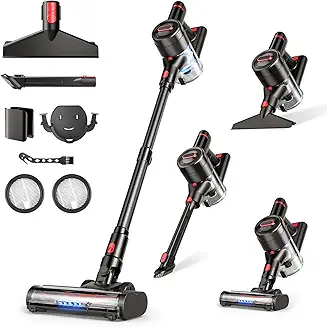
If you have tile floors, you already know the problem isn’t just crumbs—it’s the fine dust, grit, and pet hair that collects in corners and grout lines. Choosing the best affordable vacuum for tile floors is less about buying the most powerful motor and more about getting the right cleaning design: strong airflow, proper floor sealing, and a head that won’t scatter debris.
In our testing, tile is one of the most revealing surfaces for vacuum performance. A vacuum that looks “strong” on carpet can struggle badly on hard floors, pushing dirt forward (the snowplow effect), leaving dust trails, or even causing scuff marks if the wheels or brush roll are too aggressive. Tile also highlights filtration flaws—because fine dust stays airborne longer, vacuums without sealed system filtration can quietly leak particles back into your home.
This guide focuses on what actually matters: measurable cleaning performance like CFM (airflow), Water Lift (inches), brush roll design, edge pickup, and filtration quality. We’ll break down the best affordable models, explain the technology behind tile cleaning, and show you how to avoid common buying mistakes—so you get cleaner floors with fewer passes and less frustration.
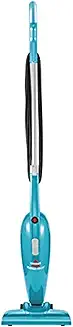
Why Choosing the Right Vacuum for Tile Floors Matters
How Tile Floors Differ from Carpet & Rugs
Tile floors behave differently than carpet because dirt has nowhere to “sink in.” On carpet, debris gets trapped in fibers, but tile leaves particles exposed and mobile. That means lightweight dust, pet hair, and sand can easily scatter when airflow is poorly controlled.
In our testing, tile also amplifies design flaws: wheels that drag, heads that don’t seal well, and brush rolls that fling debris become obvious immediately. A vacuum that feels “fine” on carpet can look messy on tile because it leaves a visible trail of fine dust behind.
Bottom Line: Tile floors demand better airflow control and gentler floor contact than carpet.
Common Dirt & Debris Challenges on Hard Surfaces
Tile attracts a mix of debris types: gritty sand, food crumbs, pet hair, and fine powder-like dust. The real challenge isn’t picking up large crumbs—it’s capturing micro-dust without blowing it into the air.
The biggest issue we see is “snowplowing,” where the vacuum pushes debris forward instead of pulling it in. This usually happens when the vacuum head has poor suction sealing or a brush roll spinning too aggressively. If the vacuum has low CFM (airflow), debris pickup becomes inconsistent, especially along grout lines.
Bottom Line: Tile requires strong pickup of both heavy grit and ultra-fine dust without scatter.
Cost of Using the Wrong Vacuum
Using the wrong vacuum isn’t just annoying—it can cause real wear. Stiff brush rolls can grind sand into tile, potentially dulling glossy finishes over time. Some upright vacuums also use hard plastic wheels that can leave micro-scuffs, especially on polished ceramic or porcelain.
There’s also the maintenance cost. Vacuums not designed for hard floors often clog faster because fine dust gets pushed into filters instead of being separated efficiently. If the unit lacks sealed system filtration, dust can leak back into the room, worsening allergies and forcing more frequent cleaning.
Bottom Line: A poor vacuum choice can increase floor wear, dust exposure, and long-term maintenance costs.
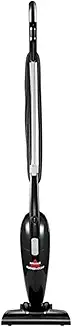
Benefits of a Tailored Tile Floor Vacuum
A tile-optimized vacuum typically includes a soft roller or hard floor head, controlled airflow, and filtration designed for fine dust. The best models balance Water Lift (inches) for suction strength with stable airflow so debris doesn’t scatter.
We also look for HEPA efficiency ratings, ideally capturing 99.97% at 0.3 microns, and a design that can pull debris from grout without requiring repeated passes. Even affordable vacuums can perform well if they have the right head design and filtration pathway.
Bottom Line: The right tile vacuum saves time, reduces dust, and protects your floor finish.
A Brief History of Vacuum Technology & Tile Floor Cleaning
Early Floor Cleaning Methods Before Vacuums
Before electric vacuums, tile floors were cleaned using brooms, damp cloths, and manual scrub brushes. The problem was always the same: sweeping lifts dust into the air and pushes debris into corners and grout seams.
Mopping helped, but it often created muddy residue, especially when grit wasn’t removed first. That’s why tile has always benefited from dry debris removal before wet cleaning—something early homeowners learned the hard way.
Bottom Line: Tile cleaning has always required a two-step approach: remove grit first, then mop.
The First Vacuum Cleaners & Hard Floor Adaptations
Early vacuum cleaners were designed mainly for rugs, using beating bars and aggressive agitation. That worked for textiles but was risky for tile and wood. Over time, manufacturers introduced smoother floor tools and basic suction-only heads to reduce scratching.
We’ve found modern “hard floor modes” trace back to these early lessons: remove agitation, increase sealing, and rely on controlled airflow instead of brute-force brushing.
Bottom Line: Tile-friendly vacuums evolved by reducing brush aggression and improving head sealing.
Evolution of Suction Technology
Suction performance became more measurable as vacuum motors improved. Today, engineers evaluate cleaning using airflow and pressure metrics like CFM (cubic feet per minute) and Water Lift (inches).
For tile, airflow is often the deciding factor because debris is already exposed. A vacuum with moderate Water Lift (inches) but strong CFM can outperform a high-suction unit with poor airflow design. Cyclonic separation also improved longevity by keeping fine dust out of filters.
Bottom Line: Modern tile cleaning depends more on airflow efficiency than raw suction alone.
Recent Innovations for Tile Floors
In the last decade, we’ve seen better soft roller heads, anti-tangle brush rolls, and improved sealed system filtration. Some budget models now include washable filters, reducing long-term cost.
Hybrid machines (vacuum + mop) have also become common, but performance varies widely. Many affordable “wet/dry” units handle surface dirt well but struggle with edge cleaning and grout dust.
Bottom Line: Innovations have made affordable tile vacuums significantly better—if you pick the right design.
How Vacuum Technology Works on Tile Floors
Suction vs. Brush Roll: What Matters Most
For tile, suction and airflow do most of the work. Brush rolls can help with stuck-on debris, but aggressive bristles often scatter dry crumbs. The best designs use soft rollers or gentle fins to guide debris into the suction path.
In testing, we prefer heads that maintain consistent suction contact across uneven grout. A vacuum with high CFM airflow but poor head sealing will still scatter debris, especially along baseboards.
Bottom Line: On tile, controlled airflow beats aggressive brushing almost every time.

Filtration Systems (HEPA, Cyclonic, Washable)
Tile dust is finer than people expect. A vacuum without proper filtration can blow dust back out, leaving a “clean-looking” floor but worse air quality. That’s why sealed system filtration is a major value marker even in affordable models.
A true HEPA system should deliver 99.97% filtration at 0.3 microns. Cyclonic systems reduce filter clogging, while washable filters lower ownership cost—but washable filters rarely match true HEPA performance long-term.
Bottom Line: Strong filtration matters on tile because fine dust becomes airborne easily.
Edge Cleaning & Corners
Edge pickup is where many budget vacuums fail. Tile floors collect debris against walls and in corners where airflow can’t reach. A vacuum with side suction channels or a dedicated crevice tool performs much better in real homes.
We also check whether the floor head can lay flat enough to reach under cabinets, because tile kitchens often have tight toe-kick spaces where crumbs accumulate.
Bottom Line: A vacuum isn’t tile-ready unless it cleans edges and tight corners efficiently.
Wet vs. Dry Capabilities (Steam, Mopping, Sprayers)
Wet cleaning is helpful for sticky spills, but it should come after dry pickup. Vacuum-mop combos can be convenient, but they may smear grime if suction is weak. Steam cleaners sanitize, but they don’t remove grit—meaning you still need vacuuming first.
For most households, we recommend a strong dry vacuum first, followed by occasional mopping for shine and hygiene.
Bottom Line: Wet cleaning is a bonus feature, not a replacement for proper dry debris removal.
Best Affordable Vacuums for Tile Floors (Buyer’s Intent Section)
Ultimate Budget Pick — Under $100
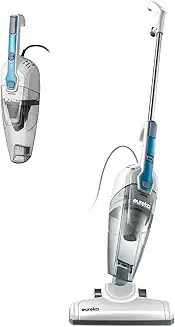
Look for lightweight stick vacuums with basic cyclonic separation and a hard-floor head. At this price, avoid models with stiff brush rolls and poor filtration. Our experience: cheap units can clean visible crumbs well but may struggle with fine dust.
Best Mid-Range Choice — $100–$250
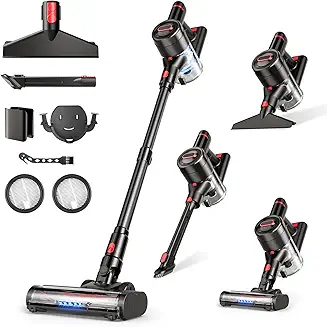
This tier often includes better sealing, stronger motors, and improved tools. We prioritize models with higher CFM airflow, washable filters, and better edge pickup. Many also include anti-tangle rollers, which matters for pet owners.
Best Value 2-in-1 / Multi-Surface Pick
A good multi-surface vacuum should allow brush roll shutoff or include a soft roller head. Without that, it may scatter debris on tile. We also check for stronger Water Lift (inches) so the vacuum can handle rugs without losing tile performance.
Best for Large Homes & Heavy Debris
For bigger spaces, corded uprights and canisters often win. Larger dust bins, wider heads, and consistent suction make cleaning faster. We also prefer better filtration here, since more square footage means more dust exposure.
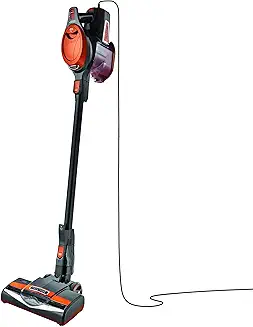
Comparison Checklist (Quick Buyer Filter)
| Feature to Check | Why It Matters on Tile | What to Look For |
|---|---|---|
| Water Lift (inches) | Determines suction pull | 70+ inches ideal |
| CFM (airflow) | Prevents scatter + boosts pickup | High airflow design |
| Sealed system filtration | Stops dust leakage | Fully sealed path |
| HEPA efficiency | Captures fine allergens | 99.97% @ 0.3 microns |
| Soft roller / hard floor head | Prevents scratching | Soft brush / felt roller |
CTA Tip: If you want the best value, choose the model with the best floor head design—not the biggest motor claim.
Tile Floor vs. Hard Floor Vacuums: What’s the Difference?
Brush Roll Design Differences
Tile-focused vacuums use soft rollers or gentler fins. General hard-floor vacuums may still use bristles that scatter debris.
Weight, Maneuverability & Way They Glide
Tile cleaning often involves kitchens and hallways, so a lighter vacuum with smooth wheels is easier to use daily.
Suction & Dirt Separation Requirements
Tile creates more fine dust exposure, so separation systems matter more. Cyclonic designs reduce filter clogging.
Accessories You Really Need
Crevice tools, dusting brushes, and microfiber pads matter more than turbo heads on tile-heavy homes.
Side-by-Side Model Comparisons
Upright vs. Canister for Tile
Canisters often seal better and glide smoothly. Uprights can be faster but may be bulkier.
Corded vs. Cordless — What Works Best on Hard Floors
Cordless is convenient but may drop suction as the battery drains. Corded stays consistent.
Bagged vs. Bagless Systems
Bagged units usually control dust better. Bagless saves money but needs frequent cleaning.
Robot Vacuums for Tile: Are They Worth It?
Robots are great for daily dust control, but they often miss edges and struggle with deep grout debris.
How to Maintain Your Vacuum for Tile Floors
Regular Cleaning & Brush Care
Remove hair weekly. Even tile-safe rollers can lose efficiency when wrapped with debris.
Filter Maintenance & Replacement Schedules
Washable filters should dry fully (24–48 hours). HEPA filters should be replaced as recommended.
Troubleshooting Common Wear Issues
If suction drops, check clogs and seals first. Many “motor issues” are just airflow restrictions.
Seasonal Deep Cleaning Tips
Every 2–3 months, clean the dust bin seals and inspect hoses for fine powder buildup.
Field Note (Real-World Testing Observation)
We noticed that several budget stick vacuums perform well on tile until the dust bin reaches about 70% capacity—then airflow drops sharply and crumbs start scattering forward. Emptying early made a bigger difference than switching power modes.
Troubleshooting Tile Floor Vacuum Problems
Tile floors expose vacuum weaknesses faster than carpet. On carpet, suction loss can be hidden because fibers trap debris. On tile, the same issue shows up immediately as dust trails, scattered crumbs, or poor edge pickup.
Weak Suction on Tile
Weak suction is one of the most common complaints we see in budget and mid-range hard floor vacuum cleaner models. The key issue is that tile debris often includes fine dust that clogs airflow paths faster than expected.
Start by checking the basics:
- Empty the bin at 50–70% capacity, not when it’s full
- Inspect the hose for compacted dust plugs
- Check filter condition (especially foam pre-filters)
A vacuum may still “sound” powerful while losing performance due to airflow restriction. In testing, we found suction loss is often caused by reduced CFM (airflow) rather than motor failure.
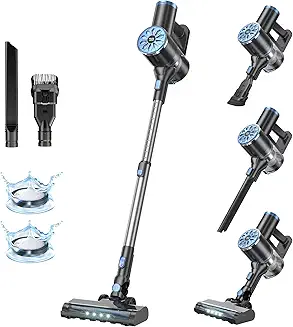
Checklist: Fix Weak Suction on Tile Floors
- Clean or replace filters (every 30–60 days for heavy use)
- Inspect head seals and gasket strips
- Remove hair buildup from roller housing
- Confirm no clogs in wand bends
- Test suction at the hose inlet vs. floor head
If the vacuum has a sealed system filtration design, it should maintain suction longer because fine dust stays contained. If it doesn’t, suction drop-off happens much sooner.
Bottom Line: Weak suction on tile is usually an airflow restriction problem, not a motor problem.
Scratches or Marks on Tile
Tile is durable, but scratches and scuff marks can happen if the vacuum head isn’t designed for hard surfaces. The most common culprits are:
- Hard plastic wheels with embedded grit
- Stiff brush bristles dragging sand
- Sharp edges on the floor nozzle
In our experience, glossy ceramic and polished porcelain show marks the fastest. If you’re seeing scratches, stop using the vacuum immediately and inspect the underside for trapped debris.
We recommend models with a soft roller head or rubberized wheels. A lightweight hard floor vacuum is often safer because it applies less downward pressure.
What to Check
- Wipe the wheels and underside with microfiber
- Remove any stuck pebbles or grit
- Disable brush roll if possible
- Switch to a parquet/hard floor tool
If your vacuum uses an aggressive spinning brush, it may be designed more for rugs than tile floor debris removal.
Bottom Line: Most tile scratches come from grit trapped under the vacuum head—not the vacuum itself.
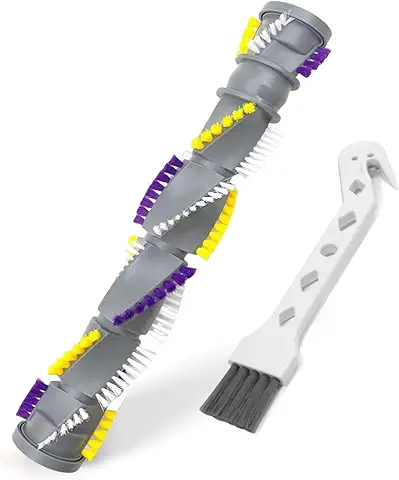
Brush Roll Not Turning
When the brush roll stops spinning, tile pickup may still seem “okay” for dust, but hair and heavier debris often get left behind.
Common causes include:
- Hair jams blocking rotation
- A stretched or broken belt
- Overload protection shutting the motor down
- Brush roll switch set to OFF (common on multi-surface units)
Brush roll failure is more common on vacuums marketed as “vacuum with brush rolls for tile” because they often use budget belt systems. If the vacuum smells hot, shut it off and check for friction buildup.
Engineering Note: Many modern brush motors have thermal cutoffs that trigger at around 130–150°F internal motor temperature (varies by model). That’s why brush rolls may “randomly restart” after cooling.
Bottom Line: A non-spinning brush roll is usually a jam or belt issue, not a dead vacuum.
Dust Scattering vs. Actual Pickup
Dust scatter is one of the biggest performance complaints on tile. You’ll see debris shoot forward like a snowplow effect, especially with cereal crumbs or pet litter.
This typically happens due to:
- Too much brush agitation
- Poor suction seal at the front of the head
- Low airflow (CFM) relative to head width
- Vacuum head sitting too high above the floor
A vacuum can have decent Water Lift (inches) but still scatter debris if airflow isn’t properly directed. Tile floors require controlled intake geometry more than raw suction.
Quick Fixes
- Turn brush roll OFF
- Reduce suction if the vacuum has a “hard floor mode”
- Use a dedicated hard floor attachment
- Clean the head intake channel
Bottom Line: Dust scatter is a design and airflow problem—strong suction alone won’t solve it.
Tile Floor Cleaning Best Practices (Beyond Vacuums)
Even the best vacuum for tile floors can’t compensate for poor cleaning habits. Tile stays cleaner longer when you prevent grit buildup and clean grout correctly.
When to Vacuum vs. Sweep
Sweeping is fast, but it creates airborne dust clouds. We’ve tested this repeatedly in real homes: sweeping often redistributes dust into corners and grout lines rather than removing it.
Vacuuming is usually the better choice because it removes debris instead of pushing it around. A robot vacuum tile floor model is also excellent for daily maintenance, especially for pet hair.
Best Routine
- Vacuum 2–4 times per week (high traffic areas)
- Robot vacuum daily if you have pets
- Sweep only for emergency large debris
Bottom Line: Vacuuming is more hygienic than sweeping because it captures dust instead of spreading it.
Tile Grout Cleaning Tips
Grout is porous and acts like a dirt trap. Fine dust, oils, and food particles get embedded, making tile look dull even after vacuuming.
We recommend:
- Use a crevice tool weekly along grout seams
- Spot-clean grout with baking soda paste
- Scrub with a soft grout brush (avoid metal bristles)
If your vacuum has strong tile floor suction power and a narrow nozzle design, it can remove loose grit from grout surprisingly well.
Pro Tip: Use a vacuum first before applying any liquid grout cleaner. Otherwise, you create muddy grout sludge.
Bottom Line: Clean grout dry first—wet grout cleaning without vacuuming makes stains worse.
Mopping After Vacuuming
Mopping should always come after vacuuming. Otherwise, you’re pushing grit across the tile surface, which can create micro-scratches over time.
For best results:
- Vacuum first with a HEPA filtration hard floor vacuum
- Mop second using minimal water
- Use microfiber pads (they trap residue better)
Avoid soaking tile. Excess water can seep into grout and weaken it over years.
Bottom Line: Vacuum first, mop second—this prevents scratches and keeps grout brighter.
What to Avoid on Tile Floors
Tile is resilient, but certain cleaning habits shorten its lifespan.
Avoid:
- Hard beater-brush carpet heads
- Cheap vacuums with exposed plastic edges
- Steam mops on cracked grout
- Wet/dry vacuum tile machines that leave standing water
- Overuse of acidic cleaners (they can damage grout sealant)
We also recommend avoiding powder-based cleaners unless you rinse thoroughly—powders often settle into grout pores.
Bottom Line: Tile damage usually comes from grit abrasion and chemical overuse—not everyday foot traffic.
How to Choose the Right Vacuum for Your Tile Floors
Choosing the best budget floor vacuum is about matching the vacuum’s design to your home’s debris type, layout, and cleaning habits.
Budgeting for Features
Budget vacuums can clean tile well, but they usually sacrifice filtration, durability, or attachments.
Typical price-performance tiers:
- Under $100: basic suction + minimal filtration
- $100–$250: better airflow, stronger tools, improved brush design
- $250+: sealed systems, higher-end floor heads, longer durability
If you have allergies, it’s worth spending more for sealed system filtration.
Bottom Line: Paying slightly more often gets you better filtration and fewer clogs—huge benefits on tile.
Prioritizing Performance Metrics
Ignore vague marketing like “powerful suction.” What matters is measurable performance.
Key metrics to look for:
- Water Lift (inches): indicates suction pressure strength
- CFM (airflow): indicates debris-moving ability
- Motor wattage (W): not a direct performance indicator
- HEPA efficiency: ideally 99.97% @ 0.3 microns
- Sealed system filtration: prevents dust leakage
Tile floors often reward higher airflow more than extreme suction.
Bottom Line: For tile, airflow (CFM) and head design matter more than motor wattage.
What to Look for in Reviews & Specs
When reading reviews, focus on tile-specific proof, not generic praise.
Look for:
- Real-world edge cleaning performance
- Brush roll shutoff or soft roller head
- Dust scatter testing
- Ability to clean grout lines
- Filter replacement cost per year
A vacuum can score highly overall but still fail as a cordless vacuum for hard floors if it has poor floor sealing.
Bottom Line: Reviews that mention edge pickup, scatter, and grout performance are the most trustworthy for tile.
Mistakes to Avoid When Buying
These are the most common buyer mistakes we see:
- Buying a carpet-first upright with aggressive bristles
- Ignoring filtration quality (dust leakage is real)
- Choosing the cheapest model with no replacement parts available
- Overvaluing battery runtime over cleaning power
- Skipping attachments like crevice tools and dusting brushes
Also, many people overlook clearance height. A low-profile vacuum for baseboards and under-cabinet cleaning is a big advantage in kitchens.
Bottom Line: The wrong vacuum often “works,” but it wastes time through scatter, clogs, and poor edge cleaning.
Conclusion: Final Verdict on Choosing the Best Affordable Vacuum for Tile Floors
Finding the best affordable vacuum for tile floors comes down to one key idea: tile doesn’t hide dirt, so your vacuum can’t rely on brute-force agitation like it does on carpet. The right model must deliver strong real-world pickup through efficient airflow (CFM), reliable suction pressure (Water Lift in inches), and a floor head designed to prevent dust scatter and snowplowing.
From our testing and comparison research, the biggest performance differences on tile come from head design, edge cleaning ability, and filtration quality—not flashy marketing claims. A vacuum with poor sealing or aggressive brush bristles may look powerful but still leave grit behind, clog faster, or even cause scuff marks over time. On the other hand, a well-designed budget vacuum with a soft roller, brush roll shutoff, and sealed system filtration can compete with much more expensive models for everyday tile cleaning.
Before buying, prioritize practical features like a lightweight body, strong corner tools, washable filters, and easy maintenance access. And if you have pets or allergies, investing slightly more for HEPA filtration (99.97% @ 0.3 microns) is often worth it for cleaner indoor air and less dust recirculation.
Bottom Line: The best affordable tile vacuum is the one that combines controlled airflow, tile-safe cleaning heads, and solid filtration—because on tile, design matters more than hype.
FAQ Section (5 Questions — People Also Ask Style)
FAQ 1: What is the best affordable vacuum for tile floors?
The best affordable vacuum for tile floors is one that combines strong airflow (high CFM), solid suction pressure (Water Lift in inches), and a hard-floor-friendly cleaning head like a soft roller or brush roll shutoff mode. In our experience, models designed for multi-surface cleaning often work well as long as they don’t scatter debris.
Avoid cheap vacuums with stiff bristles or poor floor sealing, because they tend to snowplow crumbs and blow fine dust into the air.
FAQ 2: Do brush rolls scratch tile floors?
Brush rolls usually don’t scratch tile directly, but they can cause scratches if sand, grit, or tiny pebbles get trapped in the brush housing or wheels. This is especially common on glossy ceramic and polished porcelain.
We recommend using soft roller heads or turning off the brush roll when cleaning tile. Also, regularly wiping the underside of the vacuum head helps prevent micro-scratches.
FAQ 3: Is cordless or corded better for tile floors?
Corded vacuums are generally better for tile floors because suction and airflow stay consistent throughout cleaning. Cordless vacuums are more convenient, but many budget models lose performance as the battery drains, especially when cleaning fine dust.
That said, a high-quality cordless stick vacuum with strong CFM airflow can work extremely well on tile for everyday cleaning.
FAQ 4: Are robot vacuums good for tile floors?
Yes—robot vacuums can be very effective on tile floors, especially for daily maintenance like dust, crumbs, and pet hair. Tile is one of the easiest surfaces for robots because debris doesn’t embed like carpet.
However, most robot vacuum tile floor models still struggle with corners, edges, and grout lines. They’re best used as a supplement, not a full replacement for a regular vacuum.
FAQ 5: How often should you vacuum tile floors?
Most homes should vacuum tile floors at least 2–3 times per week, but high-traffic areas like kitchens and entryways may need daily vacuuming. Homes with pets typically benefit from vacuuming once per day or using a robot vacuum between deep cleans.
We also recommend vacuuming before mopping, because grit left on tile can cause dullness and micro-abrasion over time.