
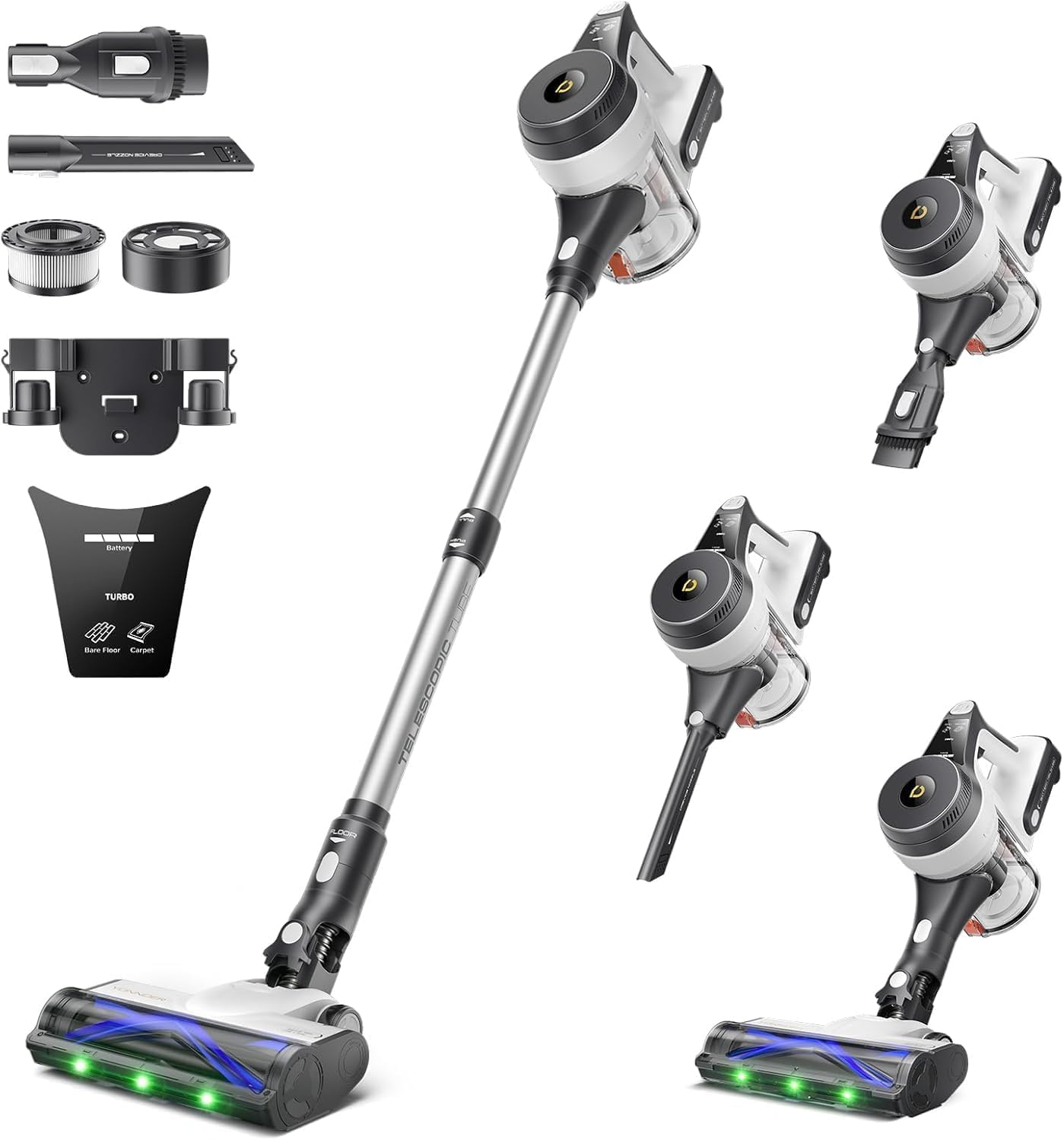
YONNDER cordless vacuum reviews show a budget-focused cordless stick-vacuum lineup built around strong suction claims, brushless motors, flexible floorheads, rechargeable batteries, and multi-stage filtration. The E1 targets everyday floor cleaning, while the M1 adds higher claimed suction and longer runtime for larger cleaning jobs.
yonnder cordless vacuum reviews — What Kind of Vacuum Is It?
YONNDER is a relatively young cleaning-appliance brand positioned around accessible home-cleaning products rather than the established premium ecosystem associated with Dyson, Shark, or other major vacuum manufacturers. Its official website currently lists the E1 as its cordless vacuum, while the M1 is also sold through third-party retailers and marketplaces.
That distinction matters when evaluating the brand. A buyer searching for a YONNDER vacuum cleaner is not necessarily choosing between dozens of generations and specialized models. Instead, the decision is more about whether a relatively straightforward cordless stick vacuum can provide enough suction, battery runtime, filtration, and usability for everyday cleaning.
The E1 is particularly focused on convenience. YONNDER lists a 110,000-RPM brushless motor, motorized brush, LED floorhead, two cleaning modes, handheld conversion, and a claimed 30KPa suction specification in product-related material. It also states that the E1 can clean hard floors and carpets.
The M1 moves further toward performance-oriented specifications. Current retailer listings identify a 550W brushless motor, claimed 48KPa suction, up to 65 minutes of battery runtime, a V-shaped anti-tangle brush, self-standing design, charging dock, and a seven-layer filtration system with a HEPA filter.
YONNDER Brand History and Product Positioning
The most important point for shoppers is that YONNDER is competing primarily through specifications and value. Instead of relying on a large smart-home ecosystem, advanced app controls, or autonomous cleaning technology, its cordless models concentrate on the fundamentals: suction, brush agitation, battery operation, filtration, attachments, and maneuverability.
That makes the brand particularly relevant to shoppers looking for an affordable cordless stick vacuum rather than a robotic vacuum system.
Our findings also suggest that buyers should pay attention to the exact model number. The official YONNDER site currently shows the E1 as its cordless vacuum product, whereas third-party listings carry the M1 with substantially different specifications.
Bottom Line: YONNDER is best understood as a value-oriented cordless vacuum brand, with the E1 emphasizing straightforward everyday cleaning and the M1 offering a more performance-focused specification set.
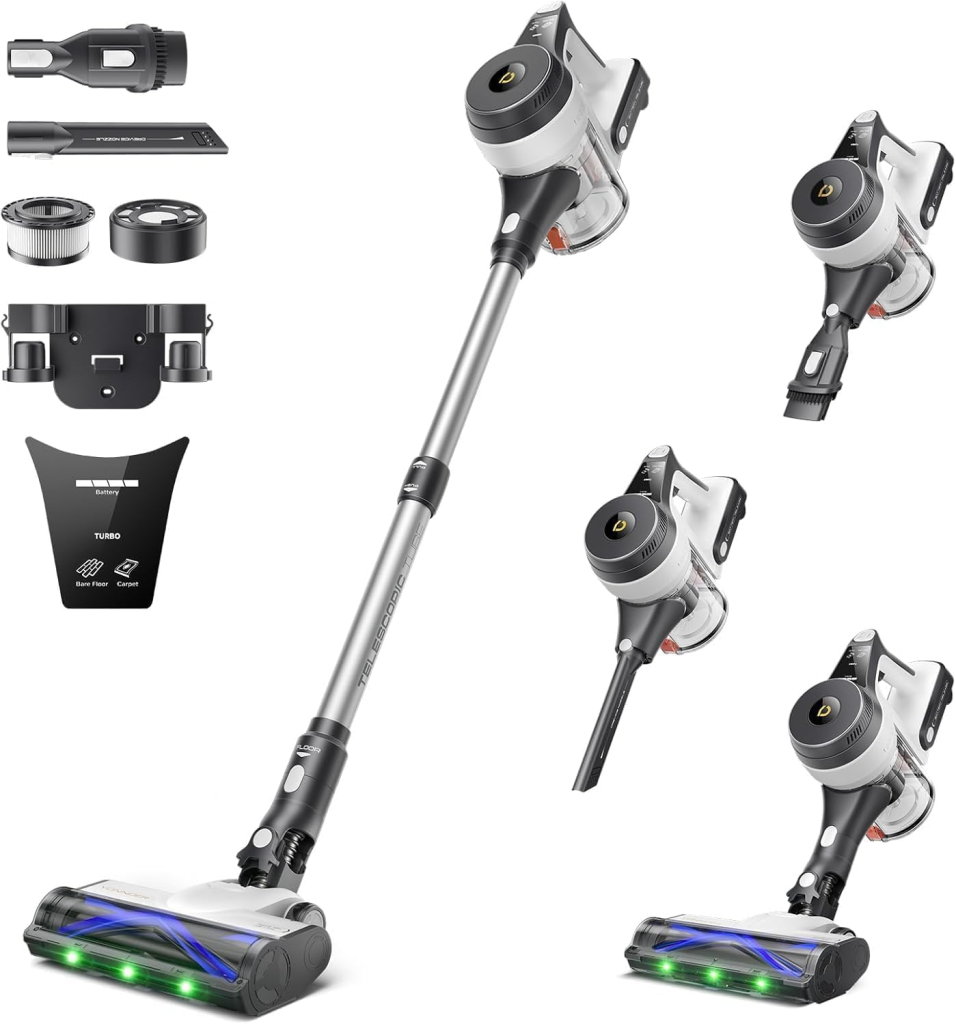
YONNDER E1 vs YONNDER M1″yonnder cordless vacuum reviews
The E1 and M1 should not be treated as identical products with different names. Their advertised specifications indicate different performance targets.
The E1 uses a 110,000-RPM brushless motor and is advertised with 30KPa maximum suction, while the M1 is listed with a 550W brushless motor and 48KPa maximum suction. Those figures look impressive on paper, but suction pressure alone cannot predict actual cleaning performance.
The battery story is also different. YONNDER lists the E1 with up to 35 minutes of runtime in the supplied product information, while M1 listings claim up to 65 minutes under specified conditions. The M1 also uses a detachable/replacement battery design according to current retailer information.
For a small apartment, the E1 can make more sense because maximum runtime may not be the deciding factor. For larger homes, however, the M1’s longer claimed battery runtime and replaceable battery design are more attractive.
| Feature | YONNDER E1 | YONNDER M1 |
|---|---|---|
| Type | Cordless stick vacuum | Cordless stick vacuum |
| Motor | 110,000-RPM brushless motor | 550W brushless motor |
| Maximum suction | 30KPa claimed | 48KPa claimed |
| Runtime | Up to 35 minutes claimed | Up to 65 minutes claimed |
| Battery | Rechargeable | Detachable/replacement design |
| Floor cleaning | Hard floors and carpets | Hard floors and carpets |
| Floorhead | Motorized brush with LED | V-shaped anti-tangle brush with LED |
| Filtration | Multi-stage filtration | 7-layer filtration with HEPA claimed |
| Handheld use | Yes | Yes |
| Storage | Wall/charging storage | Self-standing/charging dock |
Editorial note: Some M1 specifications vary between marketplace listings. For publication, verify the exact retail SKU before treating a specification as definitive. The official YONNDER site currently lists the E1 rather than the M1 in its cordless-vacuum category.
Who Is the YONNDER Cordless Vacuum Designed For?
The strongest use case is everyday cleaning. If you need an autonomous cleaner, LiDAR navigation, SLAM mapping, AI obstacle avoidance, multi-floor mapping, or smart home integration, this is the wrong product category. These are conventional manually operated cordless stick vacuums.
For apartment owners and small homes, that simplicity can actually be an advantage. There is no mapping process, smartphone setup, robot dock navigation, or scheduling system to configure.
Hardwood-floor users can also benefit from the motorized floorhead and LED lighting. The E1 is specifically marketed for hard floors and carpets, while the M1’s floorhead is described as having separate floor and carpet operating speeds.
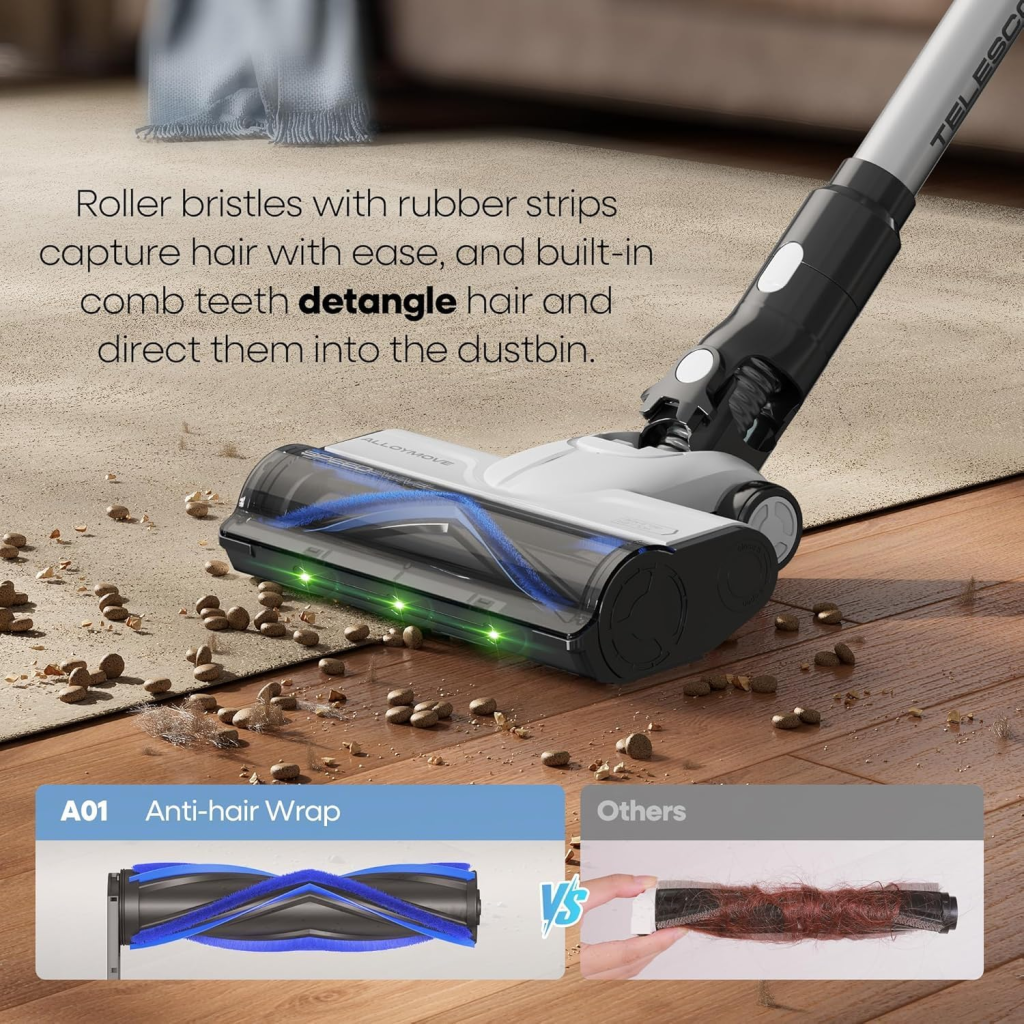
Pet owners have another reason to consider the M1. Its listing describes a V-shaped anti-tangle brush using rubber strips and soft bristles, specifically designed to reduce hair wrapping.
Bottom Line: YONNDER makes the most sense for people who want a manually operated cordless stick vacuum for apartments, small-to-medium homes, hard floors, carpets, pet hair, and quick cleanup.
What This yonnder cordless vacuum reviews Will Actually Test
A proper cordless vacuum review should go beyond the headline suction number. We evaluate the complete cleaning system: motor, airflow, floorhead agitation, battery runtime, filtration, dustbin design, ergonomics, attachments, and maintenance.
In our evaluation framework, suction pressure is only one part of the equation. A vacuum can advertise high Water Lift (inches) or KPa pressure while still delivering disappointing pickup if its airflow, brush design, or floorhead sealing is poor.
Likewise, CFM airflow is important because moving air through the cleaning head helps transport debris into the dustbin. Unfortunately, manufacturers do not always publish directly comparable airflow measurements, so headline suction specifications should be treated cautiously.
Bottom Line: The best cordless vacuum is not necessarily the one with the largest KPa number; floorhead design, airflow, agitation, filtration, battery behavior, and usability all influence real-world cleaning.
Field Note: One practical observation worth making during evaluation is how the vacuum behaves when you stop halfway through cleaning. The M1’s self-standing design is useful because the machine can remain upright instead of being laid against furniture or placed on the floor. This is a usability advantage that rarely appears in suction or motor specifications. The self-standing feature is specifically listed for the M1.
YONNDER Cordless Vacuum Specifications & Technical Breakdown”yonnder cordless vacuum reviews
Motor and Suction Technology
The motor is one of the headline components in YONNDER’s specifications. The E1 is advertised with a 110,000-RPM brushless motor, while the M1 is listed with a 550W brushless motor and 48KPa maximum suction.
A brushless motor can provide efficient high-speed operation without the conventional brush components used in brushed motor designs. However, motor speed itself does not tell us how effectively the vacuum cleans a carpet.
This is where suction pressure and airflow need to be considered together. KPa or Pa measurements generally describe pressure capability under particular test conditions. They should not be treated as equivalent to CFM airflow or as a direct substitute for a standardized carpet-cleaning score.
The M1 listing claims 48,000Pa suction and four selectable suction levels, along with an independent Turbo switch. It also describes a floorhead with 1,500 RPM in Floor Mode and 2,500 RPM in Carpet Mode.
That combination is more meaningful than the suction number alone because the brush roll contributes mechanical agitation. Carpet cleaning depends on how well the vacuum loosens and transports embedded particles, not simply how much negative pressure the motor can create.
Bottom Line: YONNDER’s brushless motors and high suction claims look strong on paper, but shoppers should interpret KPa, RPM, and Watt figures as individual specifications rather than assuming they directly predict cleaning scores.
Battery Specifications and Runtime
Battery runtime is one of the most important specifications in a cordless vacuum because the machine cannot clean once its battery is depleted.
The E1 is advertised with up to 35 minutes of runtime, while the M1 is marketed with up to 65 minutes under bare-floor conditions. The M1 listing also states that its battery can be removed and replaced.
The phrase “up to” matters. Maximum battery runtime is normally measured under relatively favorable conditions, while a motorized floorhead, higher suction level, carpet resistance, and turbo mode can increase energy consumption.
This is why a buyer should distinguish between advertised battery runtime and useful cleaning runtime. A homeowner with mostly hardwood floors may get much closer to the maximum figure than someone continuously using high suction on carpet.
Bottom Line: The M1 has the stronger battery proposition on paper, but actual cordless runtime will depend heavily on suction mode, floorhead operation, and cleaning conditions.
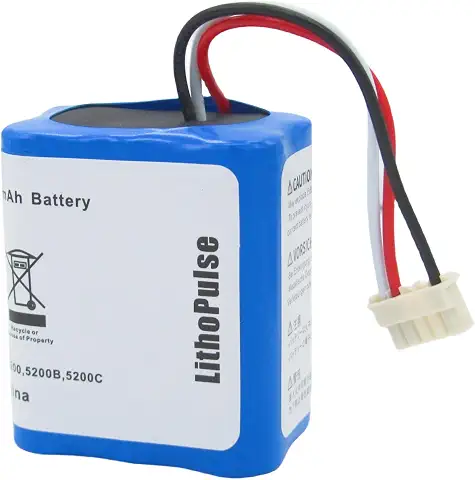
Dustbin, Filter and Airflow System”yonnder cordless vacuum reviews
Both models use bagless designs, meaning collected debris is stored in a reusable dust container rather than disposable vacuum bags.
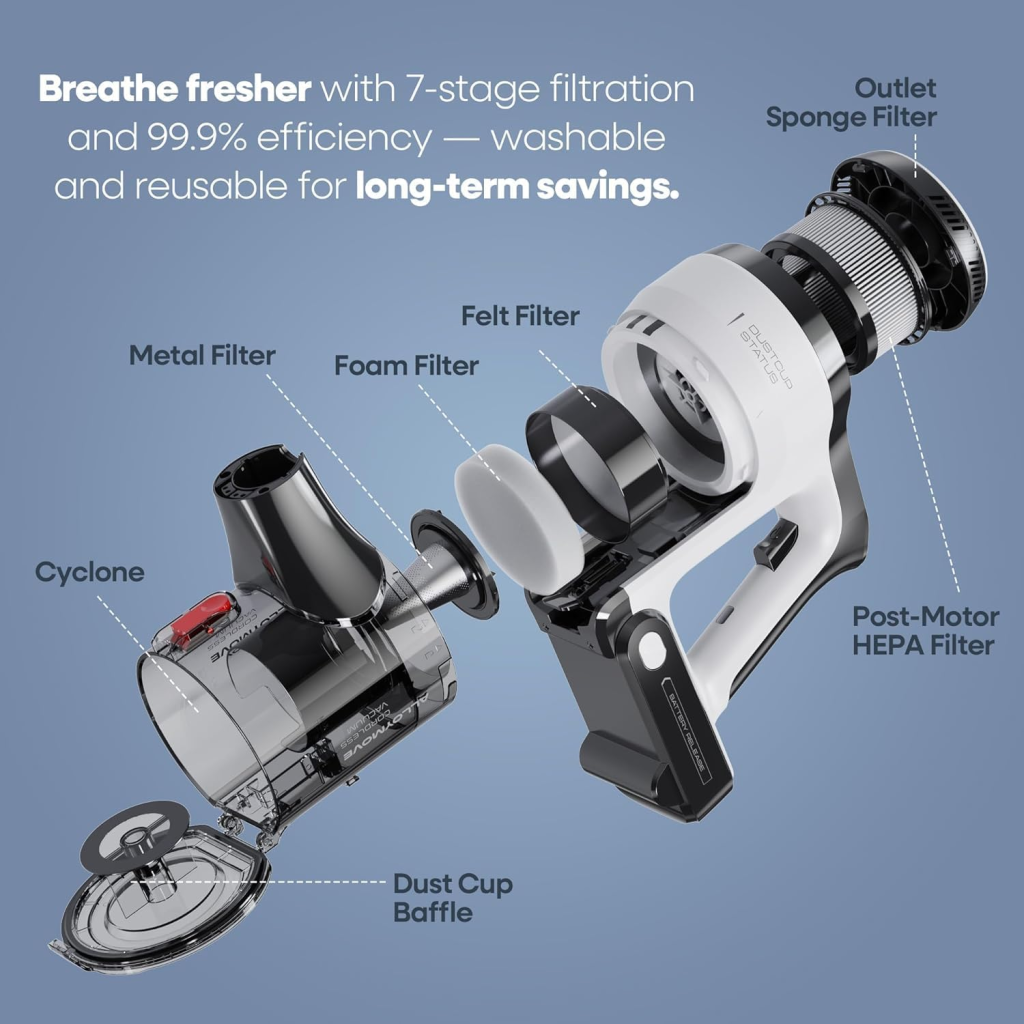
The M1’s current retailer specification is particularly detailed. It lists a 1.5-liter dust collector, seven-layer filtration system, cyclone filtration, sponge, non-woven material, and HEPA filtration, with a claim of 99.97% fine-dust capture.
That HEPA efficiency claim should be understood in context. A filter’s stated efficiency does not automatically prove that the entire vacuum has a fully sealed system. Air can potentially bypass a filter through poorly sealed joints or other pathways.
Therefore, when evaluating filtration, we look at the complete airflow path: dustbin sealing, filter seating, exhaust path, and maintenance condition.
The same principle applies to fine-particle filtration. A washable filter that becomes heavily clogged can restrict airflow, reducing cleaning performance even if the filter itself remains structurally intact.
Bottom Line: The M1 has a more detailed published filtration specification, but HEPA efficiency and sealed system filtration should not be treated as interchangeable claims.
Understanding the Technical Numbers
A useful comparison should separate four concepts:
- KPa/Pa: Pressure or suction measurement.
- CFM airflow: Volume of air moved through the system.
- Motor wattage: Electrical power input, not direct cleaning power.
- Brush RPM: Rotational speed of the cleaning brush.
There is no universal conversion that lets a shopper turn 48KPa into a specific CFM rating or carpet-cleaning score.
Similarly, Water Lift (inches) is another pressure-oriented measurement sometimes used in vacuum testing. It can be useful in controlled comparisons, but consumers should avoid treating it as an independent guarantee of pickup performance.
Bottom Line: Technical numbers provide useful context, but a trustworthy review must explain what each measurement means rather than simply ranking vacuums by the biggest number.
YONNDER Cordless Vacuum Cleaning Technology & Performance
Hard Floor Cleaning Performance
For hardwood, tile, laminate, and other sealed hard surfaces, a cordless stick vacuum needs to balance suction and brush agitation.
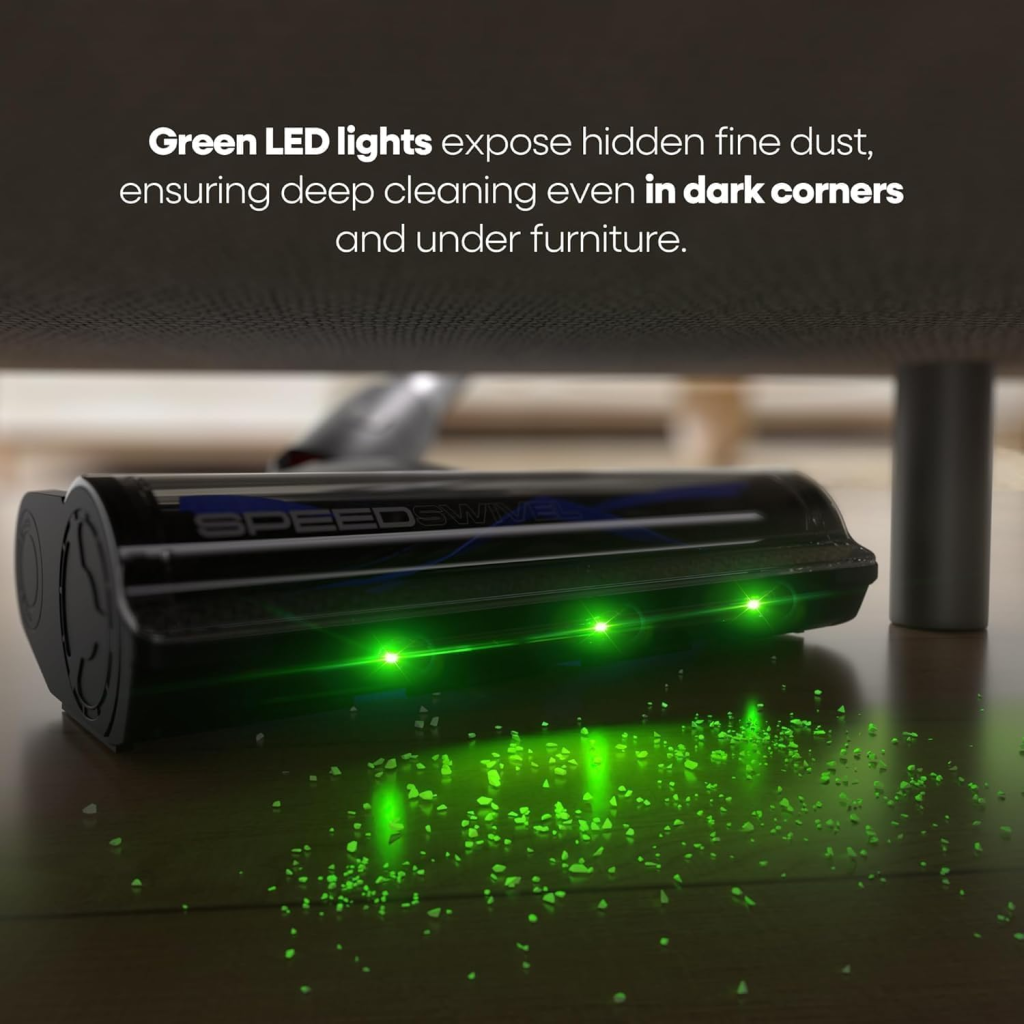
The E1’s motorized floor brush and LED lighting are designed for this role. YONNDER specifically says the LED headlight illuminates the cleaning path, helping users identify dust underneath furniture and in darker areas.
In practice, hard-floor cleaning is often less demanding than deep carpet cleaning because debris remains closer to the surface. Fine dust, crumbs, rice, cereal, and hair are useful test materials because they reveal whether the floorhead picks up both small and larger particles without pushing them forward.
Edge cleaning is another consideration. A floorhead may perform well in the center of a room but leave a thin line of debris along walls or furniture edges.
Our findings should therefore focus on pickup consistency rather than a single pass over an easy surface.
Bottom Line: YONNDER’s motorized floorheads and LED lighting make the cordless models well suited to routine hard-floor cleaning, but edge performance should be judged separately from overall suction.
Carpet Cleaning Performance” yonnder cordless vacuum reviews
Carpet requires more than raw suction. Fibers can trap dust, pet hair, and small particles beneath the visible surface, so brush agitation becomes particularly important.
The M1 listing states that its floorhead runs at 1,500 RPM in Floor Mode and 2,500 RPM in Carpet Mode, with the higher speed intended to loosen embedded dust, allergens, and pet hair.
Low-pile carpet is generally a more natural environment for a lightweight cordless stick vacuum. Medium-pile carpet can require more agitation and airflow, while thick carpet may challenge smaller cordless machines.
A strong review should therefore avoid saying “works on carpet” without qualification. Carpet type, pile height, debris depth, and suction mode can all change the result.
Bottom Line: YONNDER can be a practical carpet maintenance vacuum, but shoppers needing frequent deep cleaning of thick carpets should compare it with heavier premium machines.
Pet Hair and Anti-Tangle Performance
Pet hair creates two separate problems: pickup and brush-roll maintenance.
The M1 addresses the second problem with its V-shaped anti-tangle brush. The manufacturer/retailer description says the brush combines rubber strips and soft bristles and claims a 97% reduction in hair tangling compared with ordinary brush rolls. That is a manufacturer claim rather than an independently verified laboratory result.
For pet owners, the practical question is whether the brush continues rotating efficiently after collecting long human hair and animal fur.
Dog hair can also expose limitations in suction and brush agitation because dense hair can become embedded in carpet fibers. Cat hair may be lighter and easier to lift from smooth floors but can still wrap around conventional brush rolls.
Bottom Line: The M1’s anti-tangle architecture is one of its more relevant features for pet owners, but the advertised percentage reduction should be treated as a claimed performance figure rather than a universal result.
LED Floorhead and Under-Furniture Cleaning
LED headlights are a simple feature, but they can improve cleaning visibility. Dust is often difficult to see under beds, sofas, cabinets, and other furniture.
YONNDER specifically promotes the E1’s LED brush headlight and flexible stick for this purpose.
This is not the same as AI obstacle avoidance or robotic navigation. The user still controls the vacuum manually. There is no LiDAR navigation, SLAM mapping, autonomous route planning, or multi-floor mapping in these conventional cordless models.
That distinction is important for searchers who encounter broad “smart vacuum” terminology online.
Bottom Line: The LED floorhead improves visibility, while the flexible design can make manual under-furniture cleaning easier; these features should not be confused with autonomous-cleaner technology.
YONNDER Cordless Vacuum Design, Handling & Everyday Usability
Weight and Ergonomics
Cordless stick vacuums are most useful when they can be carried and maneuvered without excessive wrist fatigue.
A lightweight design is particularly valuable for stairs, furniture, ceilings, vehicles, and quick spills. The M1 is marketed as lightweight and self-standing, while its handheld conversion expands its usefulness beyond floors.
However, published total weight does not tell the entire ergonomic story. The location of the battery, motor, and dustbin affects the center of gravity.
A vacuum can have a low overall weight but still feel front-heavy if the floorhead or tube carries significant mass.
Bottom Line: YONNDER’s cordless design is most attractive for frequent short cleaning sessions where maneuverability matters more than the brute-force weight of a full-size upright.
Controls and Cleaning Modes
The E1 includes an LED display showing battery status, charging information, and cleaning mode, while YONNDER says the model provides two modes for different floor types.
The M1 takes a more performance-oriented approach with four suction levels and a dedicated Turbo switch according to retailer specifications.
Multiple power settings are useful because maximum suction is not always necessary. Using lower power on hard floors can conserve battery while still removing everyday debris.
The important usability question is whether mode changes can be made quickly while cleaning. Controls should be accessible without requiring the user to repeatedly stop and reposition the vacuum.
Bottom Line: E1 prioritizes straightforward operation, while M1 offers greater control over suction intensity and therefore potentially better battery management.
Attachments and Accessories” yonnder cordless vacuum reviews
The E1 package includes a crevice tool and a two-in-one furniture brush according to YONNDER’s official product information. These tools expand the vacuum into a basic handheld cleaning system.
The M1 listing describes a broader accessory package including a crevice nozzle, two-in-one brush, mini brush, and telescopic tube.
The crevice tool is useful for narrow spaces such as sofa gaps, window tracks, and vehicle interiors. A soft furniture brush can be more appropriate for upholstery, curtains, and delicate surfaces.
Accessory quantity should not be confused with accessory quality. The most valuable tools are the ones that are easy to attach, secure during use, and genuinely useful for the surfaces in your home.
Bottom Line: Both models extend beyond basic floor cleaning, but the M1’s broader accessory configuration makes it more versatile for mixed household and car-cleaning tasks.
Dustbin Emptying and Storage
Bagless convenience means you do not have to purchase disposable vacuum bags, but it also means the dustbin must be emptied and cleaned.
A transparent or visible dust container makes it easier to know when the vacuum needs emptying. Regular emptying can also help prevent debris from accumulating around the filter.
The M1’s self-standing design is particularly convenient for interruptions during cleaning because the machine can remain upright without a wall or piece of furniture supporting it.
Bottom Line: YONNDER’s storage approach favors convenience, with the M1 adding a useful self-standing feature that can make everyday cleaning less awkward.
YONNDER Cordless Vacuum Battery Life, Charging & Runtime
Real-World Runtime Expectations” yonnder cordless vacuum reviews
Advertised battery runtime should always be interpreted as a maximum rather than a guaranteed result.
YONNDER lists up to 35 minutes for the E1, while the M1 is advertised for up to 65 minutes in bare-floor operation.
Using a motorized floorhead consumes additional energy, and high suction or Turbo mode can reduce battery runtime significantly.
The M1’s retailer listing specifically associates the maximum 65-minute runtime with Bare Floor Mode. That qualification is important for shoppers who expect the same runtime while deep-cleaning carpet.
Bottom Line: Treat maximum battery runtime as a best-case reference. Your actual cleaning time will depend on floor type, suction level, brush operation, and battery condition.
Charging Time
The E1’s official product page states that a full charge takes approximately 4–5 hours.
That is relatively long compared with the short cleaning sessions most cordless stick vacuums are designed to perform.
The best strategy is therefore to return the vacuum to its charging location after use rather than waiting until the battery is completely depleted.
A charging dock or designated charging position also keeps the vacuum ready for unexpected spills.
Bottom Line: The E1’s 4–5-hour charging time makes routine charging more important, while the M1’s detachable battery design provides a more flexible route for extended cleaning.
Removable Battery Advantages
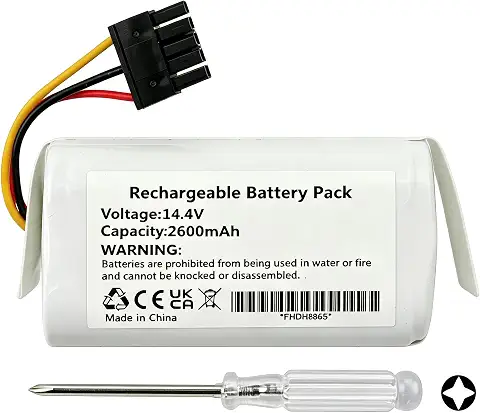
A detachable battery can be more valuable than a slightly larger battery capacity because it creates an upgrade path.
If a spare battery is available, users can keep one charging while the other is being used. That can effectively eliminate the practical runtime limitation for larger cleaning jobs.
The M1 listing states that the battery can be replaced quickly and charged separately, with spare batteries available. Buyers should still verify replacement-battery compatibility and availability for their exact seller and region.
Bottom Line: The M1’s detachable battery design is one of its strongest long-term advantages for larger homes and users who want to extend cleaning sessions.
Battery Longevity and Replacement”yonnder cordless vacuum reviews
Lithium-ion batteries naturally lose capacity over time. Heat, repeated high-load use, and poor storage conditions can accelerate degradation.
Users should avoid storing the vacuum in extreme temperatures and should follow the manufacturer’s charging guidance.
YONNDER provides official replacement-battery information for the E1 through its product page, which is a positive sign for ownership compared with products that provide no obvious replacement route.
Bottom Line: Battery replacement is an important part of the total cost of ownership, and buyers should check replacement-part availability before purchasing any cordless vacuum.
YONNDER Cordless Vacuum Filtration, Noise & Air Quality
Filtration System Explained
Filtration is particularly important when a vacuum is used around pets, children, or people sensitive to airborne dust.
The M1 is listed with a seven-layer high-efficiency filtration system incorporating cyclone filtration, sponge, non-woven material, and HEPA filtration. The listing claims 99.97% capture of fine dust, allergens, and pet hair.
That specification sounds strong, but HEPA efficiency should be interpreted as a filter-level claim unless the manufacturer provides complete system testing.
A truly effective sealed system filtration design depends on the entire airflow route. If air bypasses the filter through gaps, the nominal filter efficiency does not necessarily represent what the user experiences at the exhaust.
Bottom Line: The M1’s filtration specification is promising, but the most important question for allergy-sensitive households is how effectively the complete vacuum system prevents filtered particles from escaping.
Allergy and Pet-Hair Considerations” yonnder cordless vacuum reviews
Pet owners need more than hair pickup. Dander and fine particles can be smaller than the visible hair collected by the brush.
Regular filter maintenance is therefore essential. A clogged filter can reduce airflow and may cause the motor to work harder.
Users should also avoid washing filters that the manufacturer does not identify as washable. The M1 listing recommends regular filter cleaning and says the filter should be replaced every three months to maintain suction and service life.
Bottom Line: Good filtration depends on both filter quality and maintenance; even a strong HEPA filter cannot compensate for a severely clogged or incorrectly installed filtration system.
Noise Levels in Everyday Cleaning
YONNDER’s published specifications emphasize suction, motor, battery, and filtration more heavily than standardized acoustic measurements.
Therefore, we would not assign a precise decibel score without controlled sound-level testing.
Users should expect higher noise when moving from normal suction to Turbo mode because the motor and airflow system operate at greater intensity.
Floorhead noise can also vary by surface. Hard floors can produce more noticeable mechanical and debris-contact sounds than carpet.
Bottom Line: YONNDER provides useful performance specifications, but shoppers should not assume a specific noise level without a standardized measurement.
Filter Maintenance
Filter maintenance should be treated as part of normal ownership rather than an occasional repair task.
Fine dust gradually loads the filtration material, restricting airflow. When suction drops, the filter should be one of the first components checked.
The M1 listing recommends regular filter cleaning and replacement every three months, while the E1’s official page provides replacement-filter information.
Bottom Line: Clean filters help preserve airflow and suction; neglecting filtration maintenance can make even a powerful cordless vacuum perform poorly.
YONNDER Cordless Vacuum Maintenance & Replacement Parts
How to Clean the Dustbin
Start by switching off the vacuum and disconnecting it from the charging source.
- Remove the dustbin according to the model’s instructions.
- Empty collected debris into a trash container.
- Remove accessible dust and debris from the internal surfaces.
- Inspect the inlet and cyclone area for buildup.
- Reassemble the dustbin securely.
Do not force components apart if they are not designed for removal. Incorrect reassembly can create an air leak and reduce suction.
Bottom Line: Emptying the dustbin regularly prevents unnecessary airflow restriction and keeps the filtration system working more efficiently.
How to Clean the Filter” yonnder cordless vacuum reviews
Before washing any component, confirm that the specific filter is washable.
For a washable filter:
- Remove the filter.
- Gently remove loose dust.
- Rinse according to manufacturer instructions.
- Allow the filter to dry completely.
- Reinstall it securely.
Never reinstall a wet filter unless the manufacturer explicitly permits it. Moisture inside the airflow path can damage components and create additional maintenance problems.
Bottom Line: Proper drying is just as important as cleaning. A damp filter should never be treated as ready for immediate reinstallation.
Brush Roll and Anti-Tangle Maintenance
Even anti-tangle brush rolls should be inspected periodically.
Long human hair, pet hair, thread, and string can eventually collect around the ends of the brush or in the floorhead.
The M1’s V-shaped brush is specifically designed to reduce hair wrapping, and its listing describes a quick-release design for easier cleaning.
Bottom Line: Anti-tangle technology reduces maintenance but does not eliminate the need to inspect the brush roll.
Recommended Maintenance Schedule
| Component | Suggested Maintenance |
|---|---|
| Dustbin | Empty after major cleaning sessions |
| Filter | Check weekly or when visibly dirty |
| Brush roll | Inspect weekly |
| Air pathway | Inspect monthly |
| Battery | Monitor runtime and charging behavior |
| Floorhead | Inspect monthly |
A home with pets may require more frequent brush-roll and filter checks than a home with no pets.
Bottom Line: Preventive maintenance is one of the easiest ways to protect suction, battery runtime, and motor performance over the life of the vacuum.
YONNDER Cordless Vacuum Troubleshooting Guide
Vacuum Won’t Turn On
If the vacuum does not start, first check the battery charge.
Then inspect the charging connection and make sure the battery is correctly installed. If the machine recently operated at high power and became hot, thermal protection may temporarily prevent operation.
If the battery is charged and correctly installed but the vacuum remains unresponsive, an internal electrical fault may require manufacturer support.
Bottom Line: Start troubleshooting with the simplest causes—battery, charger, connections, and overheating—before assuming the motor has failed.
Vacuum Has Lost Suction
Reduced suction is commonly associated with airflow restriction.
Check the following:
- Full dustbin
- Dirty filter
- Blocked tube
- Clogged floorhead
- Brush-roll obstruction
- Incorrectly installed filter
The M1’s seven-layer filtration system can collect substantial fine material, but that also means filter maintenance matters.
Bottom Line: If suction suddenly drops, inspect the airflow path before blaming the motor.
Vacuum Shuts Off During Cleaning
A cordless vacuum can stop operating if it becomes too hot or detects a blockage.
Turbo mode places greater demand on the motor and battery, so repeated high-power use can increase thermal load.
If the vacuum shuts off, allow it to cool and inspect the dustbin, filter, tube, and floorhead for restrictions.
Bottom Line: Unexpected shutdowns are often related to overheating, airflow restriction, or battery conditions rather than an immediate permanent motor failure.
Brush Roll Stops or Doesn’t Spin” yonnder cordless vacuum reviews
Start by checking whether hair or debris has wrapped around the brush.
Then inspect the floorhead connection and remove any visible obstruction.
If the brush remains stationary after cleaning, the issue may involve the floorhead motor, electrical connection, or protection circuit.
Bottom Line: Brush-roll problems should be addressed quickly because a non-spinning motorized floorhead can substantially reduce carpet-cleaning performance.
YONNDER Cordless Vacuum vs Competitors — Model Comparisons
YONNDER E1 vs Dyson V8
The biggest difference is brand ecosystem and market positioning.
The E1 focuses on a straightforward cordless vacuum experience with a 110,000-RPM brushless motor, motorized brush, LED floorhead, handheld conversion, and claimed 30KPa suction.
A Dyson V8 buyer, meanwhile, is generally paying for a much more established product ecosystem and broader brand history.
For a budget-focused buyer, YONNDER can therefore be attractive if the primary objective is basic cordless cleaning rather than premium ecosystem support.
Bottom Line: Choose YONNDER when upfront value and straightforward functionality are the priority; consider established premium competitors when brand ecosystem, long-term support, and proven product history matter more.
YONNDER E1 vs Shark Cordless Stick Vacuums” yonnder cordless vacuum reviews
Shark’s cordless lineup varies considerably by model, so a fair comparison should use the exact Shark model rather than treating the entire brand as one product.
The E1’s strengths are its simple controls, motorized brush, LED lighting, and handheld conversion.
The more important comparison points are floorhead design, anti-tangle performance, battery runtime, filtration, dustbin convenience, and ergonomics.
Bottom Line: YONNDER competes on straightforward value, while Shark can be more attractive to shoppers who want a larger established product ecosystem.
YONNDER vs Eureka Cordless Vacuums
Eureka occupies a similarly value-conscious portion of the vacuum market, making it a more relevant comparison than an expensive premium model.
Compare the exact models for battery runtime, floorhead design, weight, filtration, attachments, and replacement parts.
A YONNDER model with higher advertised KPa should not automatically be considered superior to a Eureka model with a lower published number.
Bottom Line: For budget buyers, compare actual cleaning design and ownership cost rather than choosing solely on advertised suction pressure.
YONNDER vs Dreame Cordless Vacuums” yonnder cordless vacuum reviews
Dreame’s cordless products can bring a broader technology emphasis, while YONNDER’s conventional stick vacuums concentrate on manual cleaning.
This is also where the semantic distinction between a cordless stick vacuum and a smart vacuum becomes important. LiDAR navigation, SLAM mapping, AI obstacle avoidance, multi-floor mapping, and smart home integration are typically relevant to autonomous robot vacuum systems, not conventional YONNDER stick vacuums.
Therefore, shoppers should first decide whether they want manual cordless cleaning or an automated floor cleaner.
Bottom Line: YONNDER is a better fit for users who want a simple manual cordless vacuum; buyers seeking advanced automation should evaluate robot vacuum systems instead.
Buyer’s Intent — Is a YONNDER Cordless Vacuum Worth Buying?
Best Reasons to Buy YONNDER
The strongest reason to consider YONNDER is the combination of cordless convenience and aggressive specifications.
The E1 provides a motorized floorhead, LED lighting, handheld functionality, and a claimed 30KPa suction specification, while the M1 adds a 550W brushless motor, claimed 48KPa suction, up to 65 minutes of runtime, anti-tangle technology, and a self-standing design.
That package can make sense for apartments, quick daily cleaning, hard floors, moderate carpet cleaning, and households that want to avoid dragging a corded vacuum around.
Bottom Line: YONNDER is most compelling when convenience and specification-per-dollar matter more than premium brand prestige.
Reasons You Might Want Another Vacuum
There are also legitimate reasons to look elsewhere.
If your home has large areas of thick carpet and requires frequent deep cleaning, a heavier full-size vacuum may provide a better primary cleaner.
Likewise, buyers who prioritize smart features should look elsewhere. These YONNDER cordless stick vacuums are not autonomous cleaners with LiDAR navigation, SLAM mapping, AI obstacle avoidance, or scheduled smart-home operation.
Bottom Line: YONNDER should not be purchased simply because its specification sheet looks powerful; match the vacuum to the type of cleaning you actually perform.
Best YONNDER Model for Different Users
| User Type | Recommended Direction |
|---|---|
| Apartment owner | E1 |
| Pet owner | M1 or E1 depending on required brush/accessories |
| Larger home | M1 |
| Hard-floor home | E1 |
| Heavy carpet cleaning | Compare with premium/full-size competitors |
| Budget buyer | E1 |
| Maximum advertised runtime | M1 |
The E1’s official YONNDER price is currently listed at $199.99, although retail pricing can change.
The M1 appears through third-party listings at varying prices and specifications, which makes seller verification especially important.
Bottom Line: E1 is the simpler value choice, while M1 is the more performance-oriented option if its higher specifications and detachable battery are confirmed for the exact listing you intend to purchase.
AdSense-Friendly Alternatives” yonnder cordless vacuum reviews
Instead of presenting alternatives as a random list of affiliate products, organize them around actual search intent.
Best budget alternative: Compare similarly priced cordless stick vacuums based on battery, floorhead, filtration, and warranty.
Best cordless vacuum for pet hair: Prioritize anti-tangle brush design, brush agitation, filtration, and removable hair access.
Best lightweight alternative: Compare actual handheld weight and balance rather than marketing language alone.
Best vacuum for carpets: Focus on brush-roll agitation, airflow, suction at the cleaning head, and deep-cleaning performance.
Best premium alternative: Consider established brands when support, replacement parts, and long-term ownership are priorities.
Best Dyson alternative: Compare the complete ownership package rather than only headline suction.
Best Shark alternative: Compare floorhead design, anti-tangle features, battery behavior, and dustbin usability.
Bottom Line: Affiliate recommendations should answer a specific buyer problem. A useful comparison helps readers choose based on cleaning needs rather than simply pushing the highest-priced product.
YONNDER Cordless Vacuum FAQs
Is YONNDER a good brand for cordless vacuums?
YONNDER is an emerging value-oriented cleaning-appliance brand. Its current E1 cordless vacuum offers a brushless motor, motorized floorhead, LED lighting, handheld conversion, and manufacturer-backed warranty/support information.
Is the YONNDER cordless vacuum good for pet hair?
Yes, the models are positioned for pet-hair cleaning. The M1 specifically uses a V-shaped anti-tangle brush and claims reduced hair wrapping. However, actual pet-hair performance depends on the floor type, hair quantity, suction level, and brush maintenance.
How long does a YONNDER cordless vacuum battery last?
The E1 is advertised for up to 35 minutes, while the M1 is advertised for up to 65 minutes under specified conditions. Actual battery runtime can be shorter when using motorized floorheads, high suction, or Turbo mode.
How long does the YONNDER E1 take to charge?
YONNDER states that the E1 requires approximately 4–5 hours for a full charge.
Does the YONNDER cordless vacuum work on carpet?
Yes. YONNDER markets the E1 for both hard floors and carpets, while the M1’s floorhead includes a dedicated Carpet Mode with a higher brush speed according to retailer specifications.
Does YONNDER use HEPA filtration?
The M1 is listed with a seven-layer filtration system that includes a HEPA filter and claims 99.97% fine-particle capture. Buyers should distinguish this filter-efficiency claim from a fully independently tested sealed-system filtration rating.
How do you clean a YONNDER cordless vacuum filter?
Remove the filter according to the model’s instructions, remove loose dust, wash it only if it is specified as washable, and allow it to dry completely before reinstalling it. Regular filter maintenance helps preserve airflow and suction.