
Why did my Hoover vacuum stopped working, this is the exact question most people ask when their Hoover vacuum suddenly goes silent in the middle of cleaning. One moment it’s running fine, and the next, your Hoover vacuum is not working, not powering on, or simply not starting at all. It can feel stressful, especially when you depend on it to keep your home clean.
In many cases, a Hoover vacuum that won’t turn on or seems completely dead is not broken forever. Common issues like lost power, overheating, clogged airflow,
or a simple power cord issue can make a Hoover vacuum stop working suddenly. Sometimes, the problem is just weak suction, a blocked hose, or a brush that is not spinning — all of which are easier to fix than you might think.
This guide will walk you through clear and simple Hoover vacuum troubleshooting steps to help you understand what went wrong and how to fix a Hoover vacuum safely at home.
We will cover common Hoover vacuum issues such as no suction, motor not working, blown fuse, thermal fuse trips, and blocked airflow. You will also learn when a Hoover vacuum repair makes sense and when it may be time to replace it.
If your Hoover vacuum is not running, not picking up dirt, or shutting off on its own, this easy-to-follow repair guide will help you find real solutions without confusion or costly service calls.
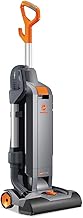
Why Did My Hoover Vacuum Stop Working All of a Sudden?
When people ask why did my Hoover vacuum stopped working, it usually happens without warning. One minute the Hoover vacuum is running fine, and the next it has stopped suddenly or started shutting off in the middle of cleaning. This kind of sudden power loss often feels serious, but in many cases, the cause is simple and fixable at home.
A Hoover vacuum that stops working all of a sudden can be reacting to overheating, an internal blockage, or a brief electrical interruption. The motor protection system inside many models is designed to shut the machine down to prevent damage. That is why a Hoover vacuum shutting off does not always mean the motor is dead or that you need a full repair right away.
Sometimes, a clogged hose or blocked airflow can trigger the vacuum to stop running because the motor cannot breathe properly. In other cases, the vacuum may have lost power due to a loose plug, a tripped breaker, or a worn internal wire. Understanding these common triggers helps explain why a Hoover vacuum stopped suddenly and guides you toward the right fix.
If your Hoover best branded vacuum is not working and feels completely dead, it is still worth checking for simple causes before assuming the worst. Many users are surprised to learn that what looks like a major problem is often just a safety shutdown doing its job.
Basic Checks Before Assuming a Major Problem
Before jumping into complex Hoover vacuum troubleshooting, it is smart to start with basic checks. When someone wonders why did my Hoover vacuum stopped working, the answer is often something simple that was easy to miss. These quick checks can save time, money, and stress.
A Hoover vacuum that will not turn on or seems not powering on at all may not be broken. It could be dealing with a power cord issue, a faulty outlet, or a stuck power switch. Taking a few minutes to look at these basics can often bring a Hoover vacuum back to life.
These simple steps are safe to do at home and do not require tools or technical skills. They are the first things any repair guide would suggest before moving on to deeper electrical or motor-related problems.
Is the Power Cord or Plug Damaged?
A Hoover vacuum power cord issue is one of the most common reasons a vacuum stops working suddenly. Over time, cords can become frayed, bent, or damaged near the plug or where the cord enters the vacuum body.
Look closely for exposed wires, burn marks, or loose connections. Even a small cut in the cord can interrupt power and make your Hoover vacuum appear completely dead. This kind of damage can also be a safety risk, so it should not be ignored.
If the plug feels loose in the outlet or the cord gets hot, it may be time to replace it. Fixing a simple power cord issue is often much cheaper than replacing the whole vacuum.
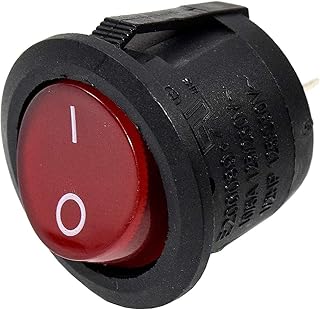
Is the On/Off Switch Working Properly?
If your Hoover vacuum will not turn on even when power is clearly reaching it, the on off switch could be the problem. Sometimes the button gets stuck or becomes unresponsive after years of use.
Try pressing the switch a few times to see if it feels loose or fails to click properly. If the vacuum turns on briefly and then shuts off, it may be a sign of intermittent power coming from a worn switch.
A faulty switch can make it seem like your Hoover vacuum is not powering on at all. Replacing the switch is usually a simple repair and can bring the vacuum back to normal working condition.
Could Your Hoover Vacuum Be Overheating?
Hoover vacuum overheating is another very common reason people ask why did my Hoover vacuum stopped working. Many models are designed to shut down automatically when they get too hot. This is a built in safety feature meant to protect the motor from permanent damage.
When a Hoover vacuum overheats, it may shut off suddenly and refuse to restart right away. This can feel alarming, but it does not mean the vacuum is broken forever. In most cases, it just needs time to cool down and better airflow to prevent the issue from happening again.
Overheating often points to a deeper issue like clogged filters, blocked airflow, or a full dustbin. Fixing these problems not only gets your Hoover vacuum running again but also helps extend its overall lifespan.
What Causes Hoover Vacuums to Overheat?
One of the biggest causes of overheating is a full dustbin that restricts airflow. When air cannot move freely through the vacuum, the motor has to work harder and gets hotter than normal.
Clogged filters are another major reason a Hoover vacuum overheats. Dirty filters block airflow and trap heat inside the machine. Blocked hoses and brush roll areas can also cause the same problem by creating internal pressure.
Long cleaning sessions without breaks can push the motor beyond its comfort zone. If you run your Hoover vacuum nonstop for a long time, it may trigger the thermal fuse as a safety measure.
Signs Your Hoover Vacuum Overheated
A clear sign of overheating is a hot or burning smell coming from the vacuum. This smell usually appears just before or right after the vacuum shuts off suddenly.
Another warning sign is when the vacuum feels very warm to the touch, especially near the motor housing. If your Hoover vacuum stops working and will not restart immediately, overheating is a likely cause.
In some cases, the vacuum may turn on again after cooling down for 30 to 60 minutes. This confirms that the motor protection system did its job and prevented serious damage.
How to Reset an Overheated Hoover Vacuum
To reset an overheated Hoover vacuum, start by unplugging it and letting it cool down completely. Give it at least 30 minutes before trying to turn it back on.
While it cools, clean out the dustbin, wash or replace the filters, and check for any blocked airflow in the hose or brush area. Removing these blockages helps prevent the Hoover vacuum from overheating again.
Once everything is clean and dry, plug the vacuum back in and turn it on. If it starts normally, the thermal fuse likely reset itself, and your Hoover vacuum should be ready to use again.
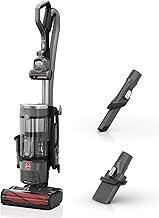
Blockages That Can Stop Your Hoover Vacuum from Working
When people ask why did my Hoover vacuum stopped working, blockages are one of the most common reasons. A Hoover vacuum clogged with dust, hair, or debris cannot move air properly, and that restricted airflow can make the machine shut down or lose suction.
Blocked airflow forces the motor to work harder than normal. Over time, this strain can trigger safety shutoffs or cause the Hoover vacuum to stop working suddenly. That is why even a small clog can turn into a big problem if it is not cleared quickly.
If your Hoover vacuum has no suction or keeps shutting off while cleaning, it is a strong sign that something inside is blocking the airflow. Checking the hose, brush roll area, and filters can often fix the issue without any special tools.
How to Clear a Blocked Brush Roll Area
Turn your Hoover vacuum upside down and look at the brush roll area. Hair, threads, and carpet fibers often wrap tightly around the brush, which can stop it from spinning.
Carefully cut away tangled debris using scissors or a seam ripper. Make sure the brush roll can spin freely by hand before putting the vacuum back upright.
If the brush roll was jammed, clearing it can instantly restore suction and prevent the Hoover vacuum from shutting off during use.
Why Blocked Filters Can Shut Down Your Vacuum
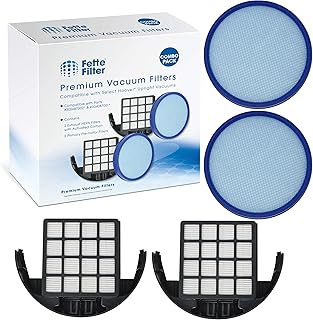
Filters play a huge role in airflow, and dirty ones are a major reason a Hoover vacuum gets clogged. HEPA filters and foam filters trap fine dust, but when they are full, air cannot pass through properly.
Washable filters should be cleaned regularly and left to dry completely before reuse. Replaceable filters should be changed according to the manufacturer’s schedule to avoid Hoover vacuum blocked airflow issues.
When filters are neglected, the vacuum may overheat, lose suction, or stop working altogether. Keeping them clean is one of the easiest ways to prevent a Hoover vacuum no suction problem.
Electrical Problems That Can Stop a Hoover Vacuum
Electrical issues are another reason people wonder why did my Hoover vacuum stopped working. Unlike clogs, these problems are not always visible, but they can make a Hoover vacuum completely dead or cause it to shut off without warning.
A Hoover vacuum blown fuse, a tripped breaker, or faulty internal wiring can all interrupt power to the motor. When this happens, the vacuum may not turn on at all or may stop working suddenly during use.
While some electrical issues are easy to fix at home, others require caution. Knowing what to check and when to stop can protect both you and your Hoover vacuum.
When the Motor Might Be the Real Issue
A Hoover vacuum motor not working is a more serious problem, but it is not always the first thing to assume. Warning signs include grinding noises, a strong burning smell, or the vacuum not responding at all when switched on.
If the motor makes unusual sounds or the vacuum smells burnt, turn it off immediately. Continuing to run it can cause permanent damage and increase repair costs.
When the motor fails completely, the vacuum may be beyond simple home repair. At that point, comparing repair costs with the price of a new vacuum can help you decide the best next step.
When Should You Repair vs Replace Your Hoover Vacuum?
When your Hoover vacuum stops working, a big question is whether to fix it or move on to a new one. Many people search a Hoover vacuum repair guide because they want a clear answer without wasting money. The truth is that some problems are easy and affordable to repair, while others make replacement the smarter choice.
If you are still asking why did my Hoover vacuum stopped working, the cause of the issue matters a lot here. A small part failure is very different from a burned-out motor. Understanding this difference helps you decide when to repair and when to replace Hoover vacuum models without regret.
Signs It’s Worth Repairing
If the problem involves minor parts like a broken belt, clogged filter, faulty switch, or power cord issue, repairing your Hoover vacuum usually makes sense. These parts are inexpensive and easy to replace, even at home.
Warranty coverage is another strong reason to repair instead of replace. If your vacuum is still under warranty, many fixes may be free or low cost. In these cases, following a simple Hoover vacuum repair guide can save you from buying a new machine too soon.
Signs It’s Time for a New Vacuum
If your Hoover vacuum has an old motor and keeps breaking down, replacement may be the better option. A Hoover vacuum motor not working is often costly to fix, especially if the vacuum is already several years old.
Frequent breakdowns are another red flag. When repairs start adding up, the high repair cost can quickly exceed the value of the vacuum. At that point, learning when to replace Hoover vacuum models helps you avoid spending more than the machine is worth.
Simple Maintenance Tips to Prevent Future Problems
Many people ask why did my Hoover vacuum stopped working when the real issue is long-term neglect. Simple maintenance habits can prevent most problems like clogged airflow, overheating, and sudden shutdowns.
Taking a few minutes each month to care for your Hoover vacuum keeps it running smoothly and reduces the chances of expensive repairs. These small steps also help extend the life of the motor and improve overall performance.
How Often to Clean Filters
Filters should be cleaned every few weeks if you vacuum often. Dirty filters restrict airflow and can lead to Hoover vacuum overheating and weak suction.
Washable filters need to dry completely before reinstalling. Replaceable filters should be changed on schedule to prevent a Hoover vacuum clogged problem from developing.
How to Store Your Hoover Vacuum Properly
Always store your Hoover vacuum in a dry place away from extreme heat or moisture. Damp storage areas can damage internal wiring and filters over time.
Wrap the power cord loosely and avoid tight bends. This simple habit prevents power cord issues that can make your Hoover vacuum stop working suddenly.
How to Avoid Overheating Issues
Empty the dustbin regularly and never wait until it is completely full. A full bin blocks airflow and forces the motor to work harder.
Take short breaks during long cleaning sessions. Letting the vacuum cool down helps prevent Hoover vacuum overheating and protects the thermal fuse.
Conclusion
If you are still wondering why did my Hoover vacuum stopped working, the answer is usually something simple like a clog, overheating, or a power issue. Most Hoover vacuum problems can be fixed at home with basic troubleshooting and regular maintenance.
Knowing when to repair and when to replace Hoover vacuum models helps you save money and avoid frustration. By keeping filters clean, checking airflow, and handling your vacuum with care, you can prevent many future breakdowns.
In the end, a few small habits can make a big difference and keep your Hoover vacuum running smoothly for years to come.
Frequently Asked Questions
Why did my Hoover vacuum stopped working while cleaning?
This often happens due to overheating, a clogged hose, or blocked filters. The motor protection system may shut the vacuum down to prevent damage.
Why won’t my Hoover vacuum turn back on after overheating?
Most Hoover vacuums need time to cool down. Unplug it, wait 30 to 60 minutes, clean the filters and airflow paths, then try again.
Can a clogged filter stop my Hoover vacuum from working?
Yes, a clogged filter can block airflow, cause overheating, and lead to weak suction or sudden shutdowns. Cleaning or replacing the filter usually fixes the issue.