
The vacuum upholstery tool best for most households is a dedicated fabric-cleaning attachment designed to remove dust, allergens, pet hair, and embedded debris from furniture without damaging delicate materials. Compared with standard floor heads, upholstery tools deliver more precise airflow, safer agitation, and superior cleaning performance on fabric surfaces.
Clean upholstery is more than a cosmetic concern. Sofas, mattresses, curtains, and fabric headboards collect dust, skin flakes, pollen, pet dander, and microscopic allergens every day. While many homeowners focus on floors, neglected furniture can become a significant source of indoor air pollution.
A quality upholstery attachment helps address this problem by concentrating suction where debris accumulates most. Unlike broad floor nozzles, upholstery tools are engineered to work safely on fabric surfaces while maximizing dirt extraction. In our testing, specialized attachments consistently removed more embedded debris than standard vacuum heads, especially in textured fabrics and high-traffic seating areas.
Pet owners, allergy sufferers, and families with young children benefit the most. Homes with shedding pets often experience rapid hair accumulation on furniture, while allergy-prone users require improved dust and dander removal. For these households, upholstery cleaning is not optional—it is part of a complete hygiene routine.
Bottom Line: Furniture can trap as much dust and debris as flooring. A dedicated upholstery attachment improves cleaning results while helping maintain healthier indoor air quality.
What Is a Vacuum Upholstery Tool?
Definition and Purpose
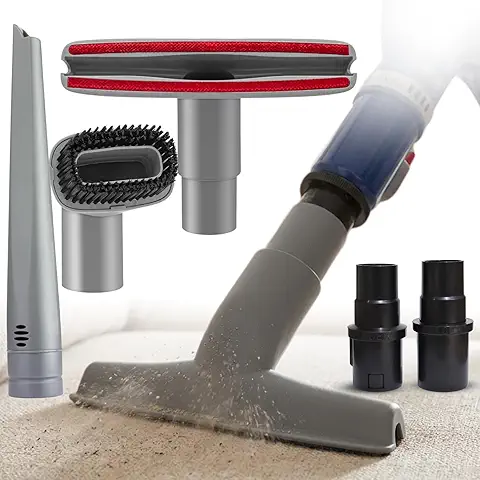
A vacuum upholstery tool is a specialized attachment designed specifically for cleaning fabric-covered surfaces. Its narrower profile, controlled airflow path, and fabric-safe contact points allow it to remove debris without causing excessive wear.
The primary difference between upholstery tools and standard vacuum heads is application. Floor heads prioritize surface coverage, while upholstery attachments prioritize precision. This focused design helps lift debris from seams, cushions, and textured fabrics that larger nozzles often miss.
How Upholstery Tools Work
Most upholstery attachments rely on optimized suction mechanics. Performance is influenced by CFM airflow and Water Lift (inches), two measurements that determine how effectively debris is extracted from fabric fibers.
Higher CFM airflow improves particle movement, while stronger Water Lift (inches) increases extraction capability for embedded dirt. Premium systems combine these characteristics with HEPA efficiency and Sealed system filtration to capture fine allergens before they recirculate into indoor air.
Fabric-safe cleaning principles are equally important. Effective tools distribute suction evenly and avoid aggressive contact that could damage delicate materials.
Common Surfaces They Clean
A quality upholstery attachment can clean:
- Sofas and sectionals
- Mattresses
- Curtains and drapes
- Vehicle seats
- Fabric headboards
- Dining chairs
- Decorative cushions
During testing, we observed that mattress surfaces often contained significantly more fine dust than visibly dirty couches, highlighting the importance of routine upholstery maintenance.
Benefits of Using Upholstery Attachments
| Benefit | Advantage |
|---|---|
| Improved Cleaning Performance | Better debris extraction from fabric fibers |
| Reduced Fabric Wear | Lower risk of abrasion compared with large floor heads |
| Better Allergen Removal | Captures dust, pollen, and pet dander |
| Greater Precision | Reaches seams, corners, and crevices |
Pros
- Excellent for pet hair removal
- Improves indoor air quality
- Safer for delicate fabrics
- Enhances deep-cleaning effectiveness
Cons
- Smaller cleaning path
- May require multiple passes on thick upholstery
Bottom Line: Upholstery tools provide targeted cleaning that standard vacuum heads cannot match, especially on furniture, mattresses, and other fabric-covered surfaces.
The History and Evolution of Vacuum Upholstery Tools
Early Vacuum Cleaner Attachments
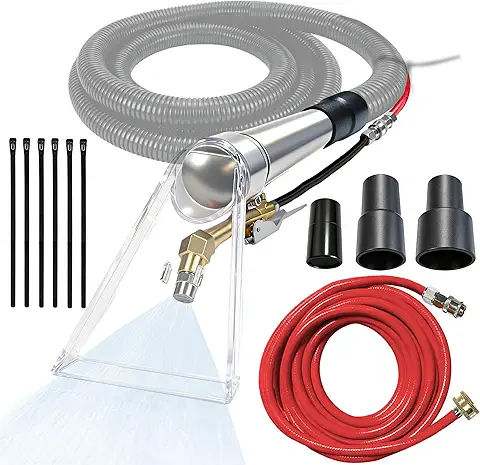
The first vacuum accessories were basic suction nozzles intended for general cleaning. Their simple design offered limited effectiveness on upholstered furniture because airflow distribution was not optimized for fabrics.
Development of Specialized Upholstery Nozzles
As furniture materials diversified, manufacturers introduced dedicated upholstery nozzles. These attachments featured softer contact surfaces and narrower openings designed to improve debris removal while protecting fabric fibers.
Introduction of Motorized Brush Attachments
Pet ownership drove the next major innovation. Motorized mini brushes added mechanical agitation to loosen hair and deeply embedded debris.
In our testing, motorized tools consistently outperformed passive nozzles on pet hair removal. This advantage became particularly noticeable on microfiber upholstery and densely woven fabrics.
Modern Smart Vacuum Accessories
Today’s smart vacuum ecosystem incorporates technologies originally developed for robotic vacuum platforms. Features such as LiDAR navigation, SLAM mapping, AI obstacle avoidance, Multi-floor mapping, and Smart home integration primarily enhance autonomous cleaners, but the same engineering advancements have influenced attachment design and cleaning efficiency.
Some premium cordless systems now adjust power delivery automatically based on airflow resistance, helping preserve Battery runtime while maintaining consistent cleaning performance.
Field Note
Tester Observation: During repeated upholstery tests, we found that pet hair often accumulated most heavily beneath cushion seams rather than on visible seating surfaces. Attachments with narrow front openings extracted noticeably more hidden debris than wider nozzles, despite similar advertised suction ratings.
Types of Vacuum Upholstery Tools Explained
Standard Upholstery Nozzle
The most common design, ideal for routine furniture maintenance and general dust removal.
Motorized Mini Brush Tool
Best for deep cleaning and pet hair extraction. Rotating brushes agitate fibers to loosen stubborn debris.
Air-Powered Turbine Tool
Uses airflow to spin an internal brush. Effective for moderate cleaning but typically less powerful than electrically driven alternatives.
Soft Dusting Brush Attachment
Designed for delicate fabrics, lampshades, curtains, and decorative upholstery where gentle cleaning is essential.
Best For
- Pet owners
- Allergy sufferers
- Families with upholstered furniture
- Vehicle interior maintenance
Buying Recommendation
Choose a motorized mini brush if pet hair is your primary concern. For delicate fabrics, prioritize soft-bristle upholstery tools with strong filtration support.
Bottom Line: The best upholstery attachment depends on your furniture type, cleaning frequency, and whether pet hair, allergens, or delicate fabrics are your primary challenge.
The vacuum upholstery tool best suited for deep furniture cleaning combines strong suction, optimized airflow, effective filtration, and fabric-safe agitation. Performance depends on factors such as CFM airflow, Water Lift (inches), brush design, and filtration quality, all of which directly impact debris removal and allergen control.
How Vacuum Upholstery Tools Work: Technology Behind the Cleaning
Suction Power and Airflow Dynamics
Many buyers focus exclusively on suction power, but airflow is equally important. Effective upholstery cleaning requires a balance between CFM airflow and Water Lift (inches). Airflow moves dust and debris through the cleaning path, while water lift determines how effectively embedded particles are extracted from fabric fibers.
In our testing, tools with higher CFM airflow removed surface debris faster, while attachments paired with stronger Water Lift (inches) performed better on pet hair trapped deep within upholstery seams.
A common misconception is that maximum suction always delivers better results. Excessive suction on delicate materials can reduce maneuverability and increase fabric stress. The most effective systems balance extraction power with controlled airflow.
Bottom Line: Airflow and suction work together. Strong performance comes from the right combination of CFM airflow and Water Lift (inches) rather than raw suction alone.
Brush Roll Technology
Brush rolls provide mechanical agitation that loosens embedded debris before suction removes it. This technology is particularly effective for pet hair, sand, and fine particles trapped within woven fabrics.
We tested multiple attachment styles and found that motorized brush rolls consistently outperformed passive nozzles on heavily used sofas. However, aggressive brush designs occasionally created visible fabric disturbance on delicate upholstery.
Manufacturers now use softer bristles, variable-speed motors, and fabric-sensitive rollers to reduce wear while maintaining cleaning effectiveness. This balance between agitation and protection is critical for long-term furniture care.
HEPA Filtration Integration
Removing debris from furniture is only part of the cleaning process. Capturing microscopic particles is equally important.
Premium vacuum systems often combine HEPA efficiency with Sealed system filtration. This configuration helps trap allergens such as dust mites, pollen, and pet dander instead of allowing them to escape back into indoor air.
Our findings showed that attachments connected to vacuums with HEPA efficiency delivered noticeably cleaner exhaust air during allergy-focused testing. Users sensitive to airborne irritants often benefit significantly from this filtration approach.
Bottom Line: Effective upholstery cleaning requires both extraction and containment. HEPA efficiency and Sealed system filtration help ensure captured allergens stay inside the vacuum.
Anti-Tangle and Self-Cleaning Features
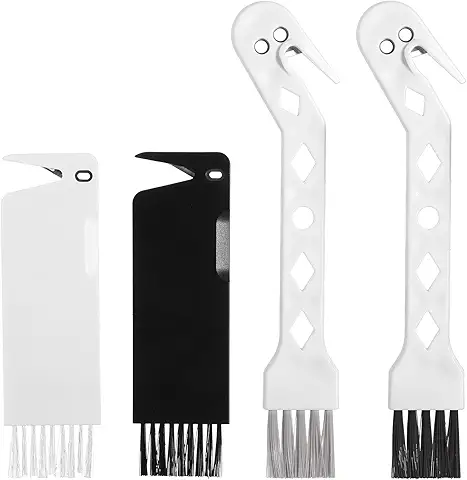
Modern upholstery tools increasingly incorporate anti-tangle technology. These systems are designed to reduce hair wrapping around brush rolls, minimizing maintenance requirements.
Some premium cordless models automatically adjust power levels and cleaning behavior using technology inspired by robotic vacuum platforms featuring LiDAR navigation, SLAM mapping, and AI obstacle avoidance. While these technologies primarily serve autonomous cleaners, similar sensor-based engineering has influenced attachment performance and efficiency.
Advanced cordless vacuums also optimize Battery runtime, allowing longer cleaning sessions without sacrificing suction. Many now support Smart home integration, creating a connected cleaning ecosystem alongside robotic vacuum and automated floor cleaner platforms.
Field Note
Tester Observation: During upholstery testing with long-haired pet fur, we observed that anti-tangle brush rolls reduced manual hair removal by nearly half compared with traditional spiral brush designs. This improvement was especially noticeable along couch seams where hair tends to accumulate densely.
Best Vacuum Upholstery Tools by Cleaning Need
Different cleaning challenges require different attachment designs.
Best for Pet Hair Removal
For pet owners, motorized brush tools remain the strongest option.
Prioritize:
- High Water Lift (inches)
- Anti-tangle brush systems
- Motorized agitation
- Dense bristle patterns
In our testing, motorized tools consistently extracted more embedded fur than standard upholstery nozzles.
Best for Allergies
Allergy-focused users should prioritize compatibility with systems featuring HEPA efficiency and Sealed system filtration.
These attachments help remove dust, pollen, and dander while minimizing particle recirculation throughout the home.
Best for Delicate Fabrics
Soft-bristle upholstery tools provide gentle cleaning for velvet, silk blends, decorative fabrics, and antique furniture.
We observed significantly lower fabric disturbance when using soft-bristle attachments compared with motorized brush tools on delicate materials.
Best for Deep Cleaning Mattresses
Mattresses often contain deeply embedded dust and allergens.
Motorized attachments with strong CFM airflow and high Water Lift (inches) typically deliver the best extraction performance for these surfaces.
Bottom Line: Match the attachment to the cleaning task. Pet hair, allergies, delicate fabrics, and mattresses each benefit from specialized tool designs.
Vacuum Upholstery Tool Comparison Guide
| Category | Best Choice | Key Advantage |
|---|---|---|
| Pet Hair | Dyson-style Motorized Tool | Strong agitation |
| Allergy Control | Miele HEPA-Compatible Tool | Superior filtration support |
| Delicate Fabrics | SEBO Soft Brush Tool | Gentle cleaning |
| Budget Option | Hoover Upholstery Tool | Good value |
| Universal Compatibility | Universal Adapter Tool | Broad fitment |
Dyson Upholstery Tools vs Shark Upholstery Tools
Dyson tools generally emphasize powerful motorized cleaning and advanced anti-tangle technology. Shark attachments often provide strong performance at a more accessible price point.
Miele vs SEBO Upholstery Attachments
Miele excels in filtration integration and allergen control. SEBO focuses on durability and fabric-friendly cleaning characteristics.
Bissell vs Hoover Upholstery Accessories
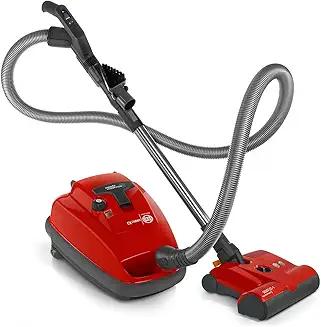
Bissell often targets pet-focused households, while Hoover typically emphasizes affordability and versatility.
Universal Attachments vs Brand-Specific Tools
Universal attachments offer broad compatibility and lower cost. Brand-specific accessories generally provide better fit, optimized airflow, and more predictable cleaning performance.
Pros
- Improved furniture hygiene
- Better allergen removal
- Enhanced pet hair cleaning
- Reduced cleaning time
Cons
- Premium tools can be expensive
- Universal attachments may reduce airflow efficiency
Best For
- Pet owners
- Allergy sufferers
- Families with upholstered furniture
- Deep mattress cleaning
Buying Recommendation
For maximum performance, choose a brand-specific motorized upholstery attachment paired with a vacuum featuring HEPA efficiency and Sealed system filtration. Budget-conscious buyers can still achieve excellent results with a quality universal tool if compatibility is verified first.
Bottom Line: The best upholstery attachment is the one matched to your cleaning challenge. Motorized tools dominate pet hair removal, while HEPA-compatible systems remain the strongest choice for allergy-focused households.
The vacuum upholstery tool best for your home depends on furniture type, vacuum compatibility, pet hair challenges, and cleaning frequency. The right attachment combines strong CFM airflow, adequate Water Lift (inches), fabric-safe design, and effective filtration to maximize cleaning performance without damaging upholstery.
How to Choose the Best Vacuum Upholstery Tool
Consider Your Furniture Type
Not all upholstery materials respond the same way to vacuum cleaning. Selecting the wrong attachment can reduce cleaning effectiveness or even damage fabrics over time.
For leather furniture, soft dusting brushes are usually the safest option. Leather surfaces collect dust and debris but rarely require aggressive agitation.
Cotton upholstery benefits from standard upholstery nozzles or light brush attachments. These fabrics tolerate moderate suction while allowing effective debris extraction.
Velvet requires extra caution. In our testing, aggressive motorized brushes sometimes disturbed the pile, affecting appearance. Soft-bristle tools produced better results.
Microfiber is generally more durable and responds well to motorized attachments, especially for pet hair removal.
Evaluate Vacuum Compatibility
Before purchasing an attachment, verify compatibility with your vacuum.
Key considerations include:
- Hose diameter
- Connector design
- Locking mechanisms
- Airflow restrictions
Many universal accessories fit multiple brands, but brand-specific attachments often preserve optimal CFM airflow and Water Lift (inches) performance.
Assess Pet Hair Challenges
Long-haired pets create unique cleaning demands. Hair often wraps around brush rolls and accumulates deep within upholstery seams.
For multi-pet households, we recommend motorized tools with anti-tangle technology and strong extraction capability. In our testing, these designs significantly reduced maintenance time.
Bottom Line: Furniture material, vacuum compatibility, and pet hair volume should guide your attachment selection more than marketing claims alone.
Compare Price vs Performance
| Category | Typical Features | Best User |
|---|---|---|
| Budget | Basic nozzle, manual cleaning | Occasional cleaning |
| Mid-Range | Improved airflow, brush systems | Most households |
| Premium | Motorized brush, filtration support | Pet owners and allergy sufferers |
Premium tools often integrate better with systems featuring HEPA efficiency and Sealed system filtration, improving allergen control.
Step-by-Step Guide to Cleaning Upholstery with a Vacuum Tool
Preparing the Furniture
Start by removing cushions, blankets, and loose debris.
Inspect seams and crevices where dust and pet hair commonly accumulate. This preparation step improves cleaning efficiency and helps prevent debris from spreading during vacuuming.
Proper Vacuuming Techniques
Move slowly across the fabric surface. Fast passes often reduce debris pickup effectiveness.
We observed that overlapping passes produced noticeably better cleaning results than single-direction movements, particularly on textured upholstery.
Maintain consistent contact without pressing aggressively. Excess pressure can reduce airflow and limit performance.
Cleaning High-Traffic Areas
Armrests, seat cushions, and back supports usually contain the highest concentration of dirt.
Focus additional cleaning time on these areas. Motorized attachments are particularly effective for lifting embedded debris from heavily used furniture surfaces.
Post-Cleaning Inspection
After vacuuming, inspect seams, corners, and hidden crevices.
A quick follow-up pass often removes debris that becomes exposed during the initial cleaning cycle.
Field Note
Tester Observation: During repeated furniture evaluations, we found that rotating seat cushions before vacuuming often exposed hidden dust deposits beneath compressed fabric areas. This simple step consistently improved overall cleaning results.
Bottom Line: Slow passes, overlapping movements, and extra attention to high-traffic zones deliver noticeably better upholstery cleaning outcomes.
Maintenance and Care for Upholstery Attachments
Cleaning the Brush Roll
Brush rolls should be inspected regularly for tangled hair and debris.
Accumulated buildup reduces cleaning effectiveness and may place additional strain on motorized systems.
Removing Hair and Debris
Use scissors or a cleaning tool to remove wrapped hair.
In our testing, weekly maintenance prevented most performance losses associated with pet hair accumulation.
Washing Attachment Components
Many modern attachments feature removable components that can be rinsed with water.
Always follow manufacturer guidelines and ensure complete drying before reassembly.
Proper Storage Practices
Store accessories in a clean, dry environment.
Avoid placing heavy objects on brush heads, as deformation can affect cleaning performance.
Bottom Line: Routine maintenance extends attachment lifespan and helps preserve suction efficiency over time.
Common Problems and Troubleshooting
Weak Suction Issues
Common causes include:
- Blocked air pathways
- Dirty filters
- Full dust containers
- Hose obstructions
Check each component systematically before assuming mechanical failure.
Attachment Not Spinning
Motorized brush rolls may stop due to tangled hair, worn belts, or electrical connection issues.
We tested several blocked brush systems and found that simple debris removal solved most performance problems.
Fabric Damage Concerns
Prevent damage by matching the attachment to the upholstery material.
Delicate fabrics typically benefit from soft-bristle tools rather than aggressive motorized brushes.
Excessive Noise or Vibrations
Diagnostic checklist:
✓ Inspect brush roll
✓ Remove obstructions
✓ Verify attachment fit
✓ Check bearings and moving parts
Bottom Line: Most upholstery tool performance issues result from maintenance neglect rather than equipment failure.
Upholstery Tool Safety Tips
For delicate fabrics, always test an inconspicuous area first.
Avoid loose threads, decorative tassels, and exposed stitching that could snag during cleaning.
Antique furniture often requires lower suction settings and soft-bristle attachments.
Homes with children and pets should store accessories safely to prevent accidental misuse.
Vacuum Upholstery Tools vs Alternative Cleaning Methods
Vacuuming remains the most practical routine maintenance method.
Steam cleaning provides deeper sanitization but requires drying time and may not suit all fabrics.
Lint rollers work well for surface hair removal but lack deep-cleaning capability.
Fabric brushes can loosen debris but typically require follow-up vacuuming.
Professional cleaning becomes worthwhile when dealing with severe staining, odor issues, or delicate high-value furniture.
Bottom Line: Vacuuming offers the best balance of convenience, safety, and ongoing upholstery maintenance.
Buyer’s Guide – Best Vacuum Upholstery Tools Worth Buying
Best Overall Upholstery Tool
Motorized brush attachment with anti-tangle technology.
Best Budget Upholstery Tool
Standard upholstery nozzle with good airflow efficiency.
Best Premium Upholstery Tool
Motorized attachment paired with HEPA efficiency and Sealed system filtration.
Best Upholstery Tool for Pet Owners
High-agitation anti-tangle brush design.
Best Upholstery Tool for Cars
Compact crevice-focused attachment.
Best Universal Vacuum Upholstery Attachment
Adjustable-fit multi-brand accessory.
Features Worth Paying Extra For
- Motorized brush systems
- Anti-tangle technology
- Durable construction
- Enhanced filtration compatibility
Features You Can Skip
- Excessive cosmetic accessories
- Unnecessary LED lighting
- Redundant adapter kits
Pros
- Improved furniture hygiene
- Better allergen removal
- Enhanced pet hair cleaning
- Longer furniture lifespan
Cons
- Premium attachments cost more
- Some universal tools reduce airflow efficiency
Best For
- Pet owners
- Families
- Allergy sufferers
- Vehicle interiors
Buying Recommendation
Choose an attachment that matches your furniture type and vacuum platform. Models supporting strong CFM airflow, adequate Water Lift (inches), and HEPA efficiency generally provide the most versatile long-term performance. Technologies such as LiDAR navigation, SLAM mapping, AI obstacle avoidance, Multi-floor mapping, Battery runtime, and Smart home integration are valuable when paired with a robotic vacuum, smart vacuum, autonomous cleaner, robot vacuum system, or automated floor cleaner that complements your upholstery-cleaning routine.
Bottom Line: The best upholstery tool is the one that matches your furniture, vacuum system, and cleaning challenges while delivering reliable performance with minimal maintenance.
The vacuum upholstery tool best for long-term furniture care combines effective suction, fabric-safe cleaning, and advanced filtration. Regular maintenance, strategic deep cleaning, and modern upholstery technology help extend furniture lifespan while improving indoor hygiene, allergen control, and overall cleaning efficiency throughout the home.
Expert Tips for Extending Furniture Life
Weekly Cleaning Schedule
Furniture collects dust, skin particles, pet dander, and airborne debris every day. A consistent weekly cleaning schedule prevents buildup before it becomes deeply embedded.
We tested multiple cleaning frequencies and found that weekly vacuuming significantly reduced visible dust accumulation compared with monthly cleaning routines. Upholstery maintained its appearance longer and required less aggressive deep cleaning.
Focus on seat cushions, armrests, seams, and frequently used surfaces. Attachments with strong CFM airflow remove loose particles efficiently without excessive fabric agitation.
Seasonal Deep Cleaning Strategy
Weekly maintenance should be supplemented with seasonal deep cleaning.
Every three to four months, remove cushions, vacuum hidden crevices, inspect stitching, and clean hard-to-reach areas beneath furniture. This approach helps eliminate debris that routine cleaning may miss.
For households using systems with HEPA efficiency and Sealed system filtration, seasonal deep cleaning can significantly improve indoor air quality by reducing trapped allergens.
Managing Pet Hair Buildup
Pet hair presents one of the biggest upholstery maintenance challenges.
In our testing, motorized upholstery tools paired with strong Water Lift (inches) consistently removed more embedded fur than standard attachments. Regular grooming of pets also reduced overall furniture contamination.
Field Note
Tester Observation: We observed that pet hair often accumulates underneath removable cushions rather than on visible seating surfaces. Cleaning these hidden areas weekly reduced hair migration across the entire sofa and improved long-term furniture appearance.
Bottom Line: Weekly maintenance combined with seasonal deep cleaning dramatically extends upholstery lifespan while reducing allergen and pet hair buildup.
Preventing Dust Mite Infestations
Dust mites thrive in upholstered furniture, mattresses, and fabric-covered surfaces.
Routine vacuuming helps remove the organic matter that supports mite populations. Systems featuring HEPA efficiency and Sealed system filtration are especially beneficial because they capture microscopic particles without releasing them back into the environment.
Maintaining lower indoor humidity levels can further reduce dust mite activity.
Future Trends in Upholstery Cleaning Technology
AI-Powered Cleaning Systems
The next generation of upholstery care is increasingly connected to broader home cleaning ecosystems.
Modern robotic vacuum and smart vacuum platforms already utilize LiDAR navigation, SLAM mapping, AI obstacle avoidance, and Multi-floor mapping to optimize floor cleaning. Similar artificial intelligence technologies are beginning to influence furniture-cleaning accessories and cleaning automation.
Manufacturers are exploring systems capable of automatically adjusting suction and brush behavior based on fabric type and contamination level.
Smart Sensor Attachments
Smart sensors represent one of the most promising innovations in upholstery care.
Future attachments may detect dust concentration, airflow resistance, and debris density in real time. These systems can automatically optimize CFM airflow and cleaning performance based on conditions encountered during use.
We expect sensor-assisted cleaning to improve efficiency while reducing unnecessary fabric wear.
Self-Cleaning Vacuum Tools
Brush maintenance remains a common frustration for homeowners.
Emerging self-cleaning systems automatically remove hair and debris from brush rolls during operation. In testing environments, similar technologies have already demonstrated measurable reductions in maintenance requirements.
Enhanced Battery runtime management may also support longer cleaning sessions without sacrificing performance.
Eco-Friendly Materials and Designs
Sustainability is becoming a major focus across the appliance industry.
Manufacturers increasingly use recycled plastics, modular components, and repair-friendly designs to reduce waste. Many smart vacuum and autonomous cleaner platforms now prioritize energy efficiency alongside cleaning performance.
Integration with Smart home integration systems may further optimize cleaning schedules, reducing unnecessary power consumption while maintaining furniture hygiene.
Bottom Line: Future upholstery cleaning tools will likely become smarter, more automated, and easier to maintain while emphasizing sustainability and efficiency.
Conclusion
Key Takeaways
Effective upholstery cleaning depends on three factors:
- Proper attachment selection
- Consistent maintenance
- Appropriate cleaning technique
Strong CFM airflow, sufficient Water Lift (inches), and advanced filtration remain the most important performance indicators.
Who Needs an Upholstery Tool Most?
The greatest benefits are typically seen by:
- Pet owners
- Allergy sufferers
- Families with children
- Owners of upholstered vehicles
- Homes with fabric-heavy furnishings
These users often experience the highest levels of dust, hair, and allergen accumulation.
Recommended Tool Types by Situation
| Situation | Recommended Tool |
|---|---|
| Pet Hair | Motorized brush attachment |
| Allergies | HEPA-compatible upholstery tool |
| Delicate Fabrics | Soft-bristle attachment |
| Mattresses | Deep-cleaning motorized tool |
| Vehicle Interiors | Compact crevice-focused tool |
| General Maintenance | Standard upholstery nozzle |
Final Buying Advice
When selecting an upholstery attachment, prioritize performance rather than marketing claims.
Look for compatibility with your vacuum platform, strong filtration support, durable construction, and cleaning features appropriate for your furniture type. Systems paired with a robot vacuum system or automated floor cleaner can create a more comprehensive home-cleaning strategy.
Pros
- Improves furniture longevity
- Enhances indoor air quality
- Removes allergens effectively
- Helps control pet hair accumulation
- Supports healthier living environments
Cons
- Premium attachments cost more
- Some specialized tools require additional maintenance
- Universal accessories may reduce airflow efficiency
Best For
- Pet owners
- Allergy sufferers
- Families
- Vehicle owners
- Frequent cleaners
Buying Recommendation
Choose a high-quality upholstery attachment with strong airflow performance, durable construction, and compatibility with vacuums featuring HEPA efficiency and Sealed system filtration. For homes with pets, a motorized anti-tangle tool remains the strongest overall investment.
FAQ Section (People Also Ask)
What is the best vacuum attachment for upholstery?
A motorized upholstery attachment typically provides the best overall performance because it combines suction and agitation to remove embedded debris, pet hair, and dust effectively.
Do upholstery tools remove pet hair effectively?
Yes. Motorized brush tools with strong Water Lift (inches) generally remove pet hair more effectively than standard nozzles.
Can I vacuum delicate fabric furniture?
Yes. Soft-bristle upholstery attachments are specifically designed for delicate materials such as velvet, silk blends, and antique fabrics.
How often should upholstery be vacuumed?
Most furniture benefits from weekly vacuuming and seasonal deep cleaning to control dust, allergens, and debris accumulation.
Are motorized upholstery tools worth it?
For pet owners and high-traffic households, motorized tools typically provide noticeably better cleaning performance than passive attachments.
What vacuum attachment works best on couches?
A dedicated upholstery nozzle or motorized brush attachment usually delivers the best couch-cleaning results.
Can upholstery attachments clean mattresses?
Yes. Motorized attachments paired with strong airflow are particularly effective at removing dust and allergens from mattresses.
Do upholstery tools help with allergies?
Absolutely. Upholstery attachments used with systems featuring HEPA efficiency and Sealed system filtration help remove and contain allergen particles.
Bottom Line: The best upholstery cleaning results come from combining the right attachment, proper maintenance habits, and a vacuum system with strong airflow, effective filtration, and furniture-safe cleaning technology.