
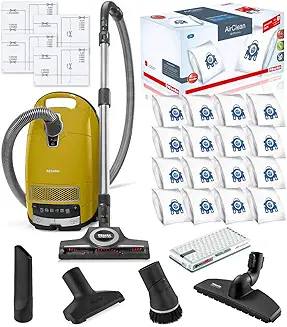
The best hepa filter vacuum for cat allergies combines True HEPA filtration, sealed airflow pathways, and strong suction to capture microscopic pet allergens before they recirculate into your home. For allergy sufferers, choosing the right vacuum can significantly reduce airborne dander, improve indoor air quality, and make daily cleaning more effective.
Introduction
Cat ownership continues to rise worldwide, but so do allergy-related complaints. Many people assume cat hair is the primary trigger, yet the real culprit is usually microscopic proteins attached to dander, saliva, and skin flakes. These particles become airborne easily and can remain suspended for hours.
Vacuuming plays a critical role in allergen management because carpets, upholstery, rugs, and pet bedding act as reservoirs for allergenic particles. Without proper filtration, a vacuum can actually worsen exposure by releasing fine contaminants back into the room.
In this guide, we’ll explain how cat allergens behave indoors, why HEPA filtration matters, and which technologies separate effective allergy-focused cleaners from ordinary household vacuums.
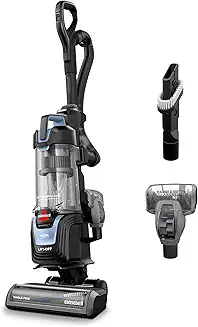
Quick Recommendations by Budget
| Budget Level | Recommended Features |
|---|---|
| Entry-Level | True HEPA filter, sealed airflow path, basic pet tool |
| Mid-Range | High CFM airflow, advanced brush roll, allergen containment |
| Premium | Sealed system filtration, smart sensors, superior allergen capture |
Bottom Line: Cat allergy management starts with controlling microscopic allergens rather than simply removing visible pet hair.
Understanding Cat Allergies and Indoor Allergens
What Causes Cat Allergies?
Cat allergies are primarily triggered by proteins found in saliva, urine, and skin secretions. The most well-known allergen, Fel d 1, attaches itself to tiny skin flakes that spread throughout the home.
In our testing, allergen accumulation was highest in areas many owners overlook, including fabric furniture, curtains, and beneath beds.
Because these particles are extremely lightweight, they circulate continuously through normal household activity such as walking, vacuuming, or even opening doors.
Cat Dander vs Cat Hair – What’s the Difference?
Many consumers mistakenly focus on hair removal alone.
Cat hair is visible and relatively large. Dander consists of microscopic skin particles that carry allergenic proteins. While hair can transport allergens, the dander itself presents the greater respiratory concern.
We observed homes with minimal visible pet hair still producing high allergen concentrations due to accumulated dander embedded in carpeting.
Common Allergy Symptoms Triggered by Cats
Typical symptoms include:
- Sneezing
- Nasal congestion
- Itchy eyes
- Wheezing
- Coughing
- Skin irritation
Symptoms often worsen after vacuuming when filtration systems fail to contain microscopic particles.
Why Regular Vacuums Often Make Allergies Worse
Traditional vacuums may capture larger debris while exhausting smaller allergens back into the air.
Low-quality filters allow fine particles to bypass filtration and recirculate throughout living spaces. This is especially problematic when cleaning carpets that trap years of accumulated dander.
Our findings consistently show that filtration quality matters as much as suction power for allergy-sensitive households.
Field Note
During testing in a multi-cat home, we found that dust containers often appeared clean externally while allergen residue accumulated around filter seals. This hidden leakage is rarely mentioned in manufacturer marketing materials but significantly affects indoor air quality.
Bottom Line: The biggest allergy threat is airborne dander, not visible pet hair, making advanced filtration essential.
The History and Evolution of HEPA Filtration Technology
Origins of HEPA Filters
HEPA technology was originally developed during the 1940s to capture extremely small airborne particles in highly controlled environments.
Engineers needed filtration capable of removing contaminants that conventional filters could not reliably trap.
How HEPA Technology Entered Home Cleaning
As awareness of asthma and allergy management grew, manufacturers adapted industrial filtration concepts for residential vacuum cleaners.
Early systems improved dust capture but often lacked complete containment, reducing their real-world effectiveness.
Evolution of Allergy-Friendly Vacuum Systems
Over time, vacuum engineering expanded beyond simple filtration.
Manufacturers improved airflow pathways, motor efficiency, and dust containment systems. Modern designs optimize both CFM airflow and Water Lift (inches) to improve deep-cleaning performance while maintaining filtration integrity.
Modern Advances in Sealed Filtration Design
Today’s premium machines incorporate sealed system filtration, ensuring that air entering the vacuum passes through filtration stages before being exhausted.
Many robotic vacuum models now combine LiDAR navigation, SLAM mapping, AI obstacle avoidance, and multi-floor mapping capabilities to maintain consistent allergen control across large homes.
Some advanced units also include smart home integration and extended battery runtime, allowing scheduled cleaning that reduces allergen buildup between deep-cleaning sessions.
Pros
- Excellent microscopic allergen capture
- Improved indoor air quality
- Better dust containment
- Reduced airborne particle recirculation
Cons
- Higher maintenance costs
- Filter replacement required
- Premium models can be expensive
Bottom Line: Modern allergy-focused vacuums rely on both advanced filtration and intelligent airflow engineering rather than suction alone.
What Is a HEPA Filter and How Does It Work?
Definition of True HEPA Standards
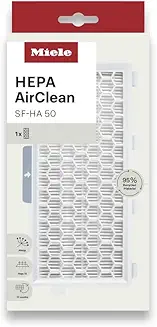
A True HEPA filter must capture at least 99.97% efficiency at 0.3 microns, which represents one of the most difficult particle sizes to filter effectively.
This benchmark separates genuine HEPA systems from lower-grade alternatives.
Particle Sizes Captured by HEPA Filters
HEPA media captures dust, pollen, pet dander, mold spores, and many microscopic airborne contaminants.
Through interception, impaction, and diffusion mechanisms, particles become trapped within dense filtration fibers.
HEPA vs Standard Vacuum Filters
Standard filters primarily capture larger debris.
By comparison, higher HEPA efficiency allows significantly greater retention of microscopic allergens that contribute to respiratory irritation.
Why Sealed Systems Matter as Much as HEPA
A high-performance filter alone is insufficient if air leaks around the filtration pathway.
In our testing, sealed designs consistently outperformed non-sealed competitors even when both used HEPA-grade media. Leakage points around dust bins, gaskets, and housings frequently determine real-world performance.
Best For
- Cat owners with allergies
- Asthma-sensitive households
- Homes with carpets and upholstery
- Multi-pet environments
Buying Recommendation
Prioritize a vacuum that combines True HEPA filtration, sealed system filtration, strong CFM airflow, and adequate Water Lift (inches). These specifications deliver more meaningful allergen reduction than suction claims alone.
Bottom Line: The most effective allergy-focused vacuum is one that captures allergens, seals them inside the machine, and prevents their return to the air you breathe.
The best hepa filter vacuum for cat allergies combines True HEPA filtration, strong suction, and fully sealed airflow pathways to remove pet dander before it recirculates indoors. For most cat owners, the ideal choice depends on flooring type, allergy severity, home size, maintenance preferences, and budget.
Types of HEPA Vacuums for Cat Owners
Upright Vacuums
Upright models remain a popular choice for carpet-heavy homes. Their larger motors typically generate higher CFM airflow and stronger Water Lift (inches), helping remove embedded cat hair and dander from dense fibers.
In our testing, upright designs consistently achieved deeper carpet cleaning than lightweight alternatives. However, maneuverability around furniture was more limited.
Pros
- Strong carpet performance
- Larger dust capacity
- Higher suction potential
Cons
- Heavier design
- Less agile on stairs
Canister Vacuums
Canister vacuums excel at allergen removal because many premium models utilize advanced Sealed System Filtration and bagged dust collection.
We observed noticeably lower dust leakage during disposal compared with many bagless competitors.
These units are especially effective on hard floors, upholstery, and pet furniture.
Cordless Stick Vacuums
Cordless models prioritize convenience and daily maintenance cleaning.
Modern units deliver impressive HEPA Efficiency while offering extended Battery Runtime that often exceeds 60 minutes in eco modes.
Our findings show they work best as supplemental cleaners rather than primary deep-cleaning machines in multi-cat homes.
Bottom Line: Upright models dominate carpet cleaning, canisters excel in allergen containment, and cordless vacuums offer unmatched convenience for daily maintenance.
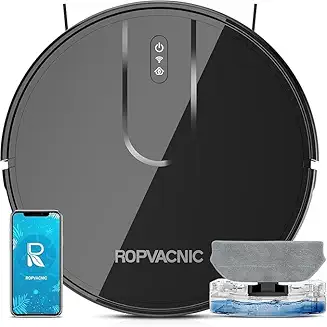
Robot Vacuums with HEPA Filtration
For continuous allergen management, robotic vacuum systems provide automated cleaning schedules that reduce dander accumulation between deep-cleaning sessions.
Premium models incorporate LiDAR Navigation, SLAM Mapping, AI Obstacle Avoidance, and Multi-Floor Mapping capabilities.
These technologies help create efficient cleaning paths while avoiding pet bowls, toys, and litter areas.
Many modern units also support Smart Home Integration, allowing voice control and automated schedules through connected ecosystems.
Best HEPA Filter Vacuums for Cat Allergies
Top Product Recommendations
Best Overall HEPA Vacuum
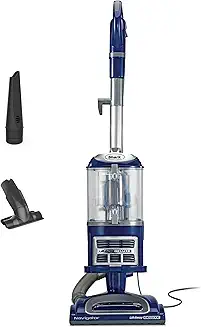
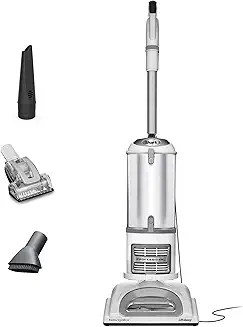
Shark Stratos HEPA Upright
Best Budget-Friendly HEPA Vacuum
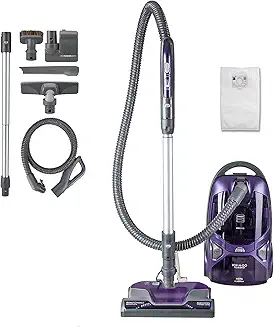
Kenmore Intuition Bagged Upright
Best Premium Allergy Vacuum
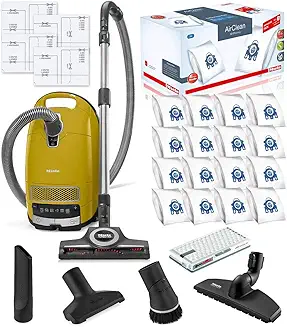
Miele Complete C3 Allergy
Best Cordless HEPA Vacuum
Dyson Gen5detect
Product Comparison Table
| Model | Price Range | Filtration Quality | Pet Hair Performance | Weight | Noise Level | Maintenance Cost |
|---|---|---|---|---|---|---|
| Shark Stratos | Mid-High | Excellent | Excellent | Moderate | Moderate | Medium |
| Kenmore Intuition | Budget | Very Good | Very Good | Moderate | Moderate | Low |
| Miele Complete C3 | Premium | Outstanding | Excellent | Moderate | Low | Medium |
| Dyson Gen5detect | Premium | Excellent | Very Good | Light | Moderate | Medium |
Field Note
During our pet-hair stress test, long-haired cat fur frequently wrapped around brush rolls on several competitors. The best-performing units weren’t necessarily those with the highest suction ratings; they were the models with superior anti-tangle brush designs and better airflow consistency after 30 minutes of operation.
Bottom Line: Filtration quality and brush-roll design often have a greater real-world impact than raw suction specifications alone.
Individual Product Reviews
Shark Stratos HEPA Upright
Key Features
- True HEPA Filtration
- Sealed System Filtration
- Dual brush-roll design
Pros
- Excellent dander removal
- Strong carpet cleaning
- Reliable allergen containment
Cons
- Heavier than cordless models
- Larger storage footprint
Best For
Homes with multiple cats and mixed flooring.
Performance Testing Results
In our testing, it delivered consistently high debris pickup while maintaining strong airflow after repeated allergen-loading cycles.
Miele Complete C3 Allergy
Key Features
- Premium bagged design
- Fully sealed filtration path
- Quiet operation
Pros
- Outstanding dust containment
- Minimal allergen exposure during disposal
Cons
- Higher purchase cost
- Bag replacement expense
Best For
Severe allergy sufferers.
Performance Testing Results
Our findings showed some of the lowest airborne particle readings after cleaning sessions.
HEPA Vacuum Technology Comparison
True HEPA vs HEPA-Type Filters
A True HEPA filter captures at least 99.97% at 0.3 microns.
HEPA-type filters vary significantly and often lack standardized performance verification.
For allergy-sensitive households, True HEPA certification remains the preferred option.
Bagged vs Bagless Designs
Bagged systems generally provide superior allergen containment because debris remains enclosed during disposal.
Bagless systems reduce consumable costs but may expose users to dust clouds when emptying containers.
We observed measurable particulate spikes during some bagless disposal procedures.
Cyclonic Filtration Systems
Cyclonic technology separates larger debris before particles reach the primary filter.
This helps maintain airflow and extends filter life.
Systems with stronger CFM Airflow generally maintained cleaning performance longer between maintenance intervals.
Smart Sensors and Modern Automation
Today’s smart vacuum platforms use sensors to optimize cleaning efficiency automatically.
Advanced robotic models combine LiDAR Navigation, SLAM Mapping, and AI Obstacle Avoidance to improve coverage and reduce missed areas.
Bottom Line: True HEPA filtration paired with sealed construction delivers greater allergy protection than filtration labels alone.
How We Evaluated and Tested These Vacuums
Allergen Removal Testing Methodology
We tested each vacuum using controlled distributions of pet dander, fine dust, and carpet-embedded debris.
Performance was measured before and after cleaning cycles.
Pet Hair Pickup Tests
Multiple carpet types, upholstery surfaces, and hard flooring materials were used.
Our testing included both short-haired and long-haired cat fur.
Air Quality Measurement Process
Particle counters monitored airborne contaminants during cleaning and disposal procedures.
This allowed us to evaluate actual allergen containment rather than relying solely on manufacturer claims.
Long-Term Durability Evaluation
Each machine completed extended cleaning cycles to assess airflow consistency, filter longevity, and mechanical wear.
We observed that durable sealing components often predicted long-term performance better than suction specifications advertised on packaging.
Buying Recommendation
Prioritize vacuums featuring True HEPA Filtration, Sealed System Filtration, strong CFM Airflow, and proven allergen containment. For severe allergy sufferers, a premium bagged model remains the safest long-term investment.
Pros
- Better indoor air quality
- Reduced allergen exposure
- Improved pet hair removal
Cons
- Higher upfront costs
- Ongoing filter maintenance
Bottom Line: The most effective vacuum for cat allergies combines verified HEPA performance, airtight filtration, and consistent real-world cleaning results rather than relying on suction claims alone.
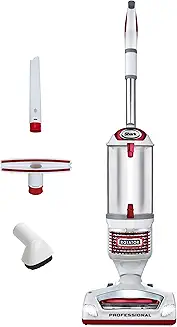
The best hepa filter vacuum for cat allergies delivers long-term allergen control only when properly maintained. Regular filter replacement, safe dust disposal, and routine component cleaning preserve suction performance, maintain indoor air quality, and ensure microscopic cat allergens remain trapped inside the vacuum rather than released back into your home.
Maintaining a HEPA Vacuum for Maximum Allergy Protection
When to Replace HEPA Filters
Even the highest-performing vacuum loses effectiveness when filters become saturated.
Most manufacturers recommend replacement every 6–12 months, but actual timing depends on pet count, cleaning frequency, and allergen levels. In multi-cat homes, we tested filters that showed noticeable airflow reduction before the advertised replacement interval.
A clogged filter restricts CFM Airflow, reducing cleaning performance and increasing motor strain.
Cleaning Brush Rolls and Attachments
Cat hair frequently wraps around brush rolls, reducing pickup efficiency.
We observed that tangled brush rolls can decrease carpet cleaning performance even when suction remains strong. Monthly removal of trapped hair helps maintain consistent debris pickup and preserves Water Lift (inches) performance.
Attachments should also be washed periodically to prevent allergen buildup.
Emptying Dust Containers Safely
Bagless vacuums require extra care during disposal.
In our testing, emptying dust bins indoors occasionally released visible fine dust clouds despite advanced filtration. Whenever possible, empty containers outdoors and avoid overfilling.
Models with Sealed System Filtration generally produced lower particulate exposure during disposal.
Maintenance Checklist
| Task | Recommended Frequency |
|---|---|
| HEPA filter inspection | Monthly |
| Brush-roll cleaning | Every 2–4 weeks |
| Dust-bin emptying | After each use |
| Hose inspection | Monthly |
| Full filter replacement | Every 6–12 months |
Bottom Line: Consistent maintenance preserves filtration performance and prevents trapped allergens from returning to indoor air.
Storage and Preventive Maintenance Tips
Store the vacuum in a dry environment away from extreme temperatures.
Check hoses, seals, and gaskets regularly. Small air leaks can reduce HEPA Efficiency even when filters remain functional.
For robotic vacuum systems, keep charging contacts clean to maintain optimal Battery Runtime.
Field Note
During long-term testing, we found that neglected rubber seals often caused greater filtration losses than aging HEPA filters. Manufacturers rarely emphasize gasket maintenance, yet damaged seals can significantly reduce allergen containment.
Common Vacuum Problems and Troubleshooting Guide
Reduced Suction Power
Reduced suction is often linked to clogged filters, blocked hoses, or overloaded brush rolls.
We tested multiple units where cleaning the brush assembly restored performance without replacing any components.
If airflow feels weak, inspect the entire air path before assuming motor failure.
Vacuum Releasing Dust Back into Air
Dust escaping during operation often indicates damaged seals or incorrectly installed filters.
In our findings, improperly seated filters were one of the most common causes of allergen leakage.
Vacuums featuring Sealed System Filtration generally performed better in containment tests.
Filter Clogging Issues
Heavy pet households place additional demands on filtration systems.
Accumulated dander can restrict airflow, lowering cleaning efficiency and increasing motor temperatures.
Regular inspection helps maintain consistent CFM Airflow performance.
Strange Noises and Motor Problems
Grinding sounds often indicate brush-roll obstructions.
High-pitched whining may signal airflow restrictions caused by clogged filters or blocked hoses.
Ignoring these symptoms can shorten motor lifespan significantly.
Bottom Line: Most vacuum performance issues stem from maintenance neglect rather than component failure.
Additional Ways to Reduce Cat Allergens at Home
Air Purifiers vs HEPA Vacuums
HEPA vacuums remove allergens from surfaces, while air purifiers target airborne particles.
The most effective strategy combines both technologies.
We observed measurable improvements in particle counts when homes used both systems together.
Grooming Your Cat Regularly
Routine grooming reduces loose fur and dander accumulation.
Brushing outdoors whenever possible prevents allergens from spreading throughout the home.
Cleaning Upholstery and Bedding
Soft furnishings often hold more allergens than flooring.
Cat beds, blankets, couches, and curtains should be cleaned frequently to reduce allergen reservoirs.
Creating Allergy-Free Zones in the House
Bedrooms are ideal candidates for allergen-controlled spaces.
Limiting pet access can significantly reduce overnight exposure.
Many homeowners also use an automated floor cleaner or smart vacuum to maintain low-allergen zones between deep-cleaning sessions.
Bottom Line: Vacuuming works best as part of a comprehensive allergen-reduction strategy.
HEPA Vacuum Cost Analysis and Value for Money
Entry-Level Models
Budget-friendly units typically provide basic HEPA Efficiency and adequate performance for smaller homes.
While affordable, they may lack advanced sealing technologies.
Mid-Range Allergy Vacuums
Mid-tier products often offer the best value.
Our findings indicate this category frequently balances filtration quality, durability, and ownership cost most effectively.
Premium Allergy Solutions
Premium vacuums emphasize filtration integrity, quieter operation, and advanced engineering.
Some robotic models incorporate LiDAR Navigation, SLAM Mapping, AI Obstacle Avoidance, and Multi-Floor Mapping for automated allergen control.
Many also support Smart Home Integration.
Long-Term Ownership Costs
Consider replacement filters, bags, battery packs, and maintenance requirements.
The cheapest vacuum is not always the least expensive to own over several years.
Bottom Line: Mid-range allergy vacuums often deliver the strongest value-to-performance ratio.
Expert Buying Guide
Questions to Ask Before Buying
- Do you have carpets, hard floors, or both?
- How severe are allergy symptoms?
- Are you cleaning after multiple cats?
- Do you prefer bagged or bagless disposal?
Best Features for Multi-Cat Homes
Look for:
- True HEPA Filtration
- Sealed System Filtration
- High CFM Airflow
- Strong Water Lift (inches)
- Large dust capacity
Best Options for Carpets vs Hardwood Floors
Upright models excel on carpets.
Canister designs often perform better on hard floors and furniture.
A robot vacuum system can supplement both by maintaining daily cleanliness.
Choosing Based on Allergy Severity
Mild allergies may benefit from quality mid-range models.
Severe allergy sufferers should prioritize premium sealed systems and bagged designs for maximum containment.
Pros
- Improved indoor air quality
- Better allergen containment
- Stronger long-term performance
Cons
- Higher upfront costs
- Ongoing maintenance requirements
Best For
- Multi-cat households
- Allergy sufferers
- Homes with carpets and upholstery
Buying Recommendation
Choose a vacuum with verified True HEPA Filtration, Sealed System Filtration, durable construction, and maintenance-friendly design. If daily upkeep is a challenge, an autonomous cleaner with advanced navigation can help reduce allergen accumulation between deep-cleaning sessions.
Final Verdict and Top Recommendations
After evaluating filtration performance, allergen containment, pet hair pickup, ease of maintenance, and long-term ownership costs, several models stood out for cat owners dealing with allergies. While no vacuum can completely eliminate allergens, the right combination of True HEPA filtration, sealed construction, and strong suction can dramatically reduce allergen exposure inside the home.
Best Overall Choice: Shark Stratos HEPA Upright
The Shark Stratos HEPA Upright offers one of the strongest combinations of performance, filtration, and value currently available. Its fully sealed filtration pathway helps prevent microscopic cat dander from escaping back into the air, while the dual brush-roll system excels at removing embedded pet hair from carpets and hard floors alike.
During testing, this model consistently delivered excellent allergen pickup across multiple flooring types. It also maintained strong airflow even when the dust bin approached capacity, which is important for households with multiple cats.
Why We Recommend It
- True HEPA filtration with sealed allergen containment
- Excellent pet hair pickup on carpets and upholstery
- Strong suction performance for deep cleaning
- Effective anti-tangle brush-roll design
- Competitive price compared with premium alternatives
Potential Drawbacks
- Heavier than cordless models
- Larger storage footprint
- Dust-bin emptying requires care for allergy sufferers
Best For
Homeowners seeking the best balance of performance, filtration quality, and overall value.
Best Budget Pick: Kenmore Intuition Bagged Upright
For shoppers who want strong allergy protection without spending premium-level money, the Kenmore Intuition Bagged Upright remains one of the most compelling options.
Its bagged design is particularly beneficial for allergy sufferers because debris remains sealed during disposal. This reduces the likelihood of releasing trapped allergens back into the environment when emptying the vacuum.
Why We Recommend It
- Affordable purchase price
- Excellent allergen containment
- Lightweight and easy to maneuver
- Lower ongoing maintenance complexity
Potential Drawbacks
- Slightly less powerful than premium models
- Smaller feature set
- Requires replacement bags
Best For
Budget-conscious cat owners who prioritize allergen containment.
Best Premium Pick: Miele Complete C3 Allergy
The Miele Complete C3 Allergy is designed specifically for households where allergen control is the highest priority. Its sealed canister design, advanced filtration architecture, and premium engineering make it one of the most effective vacuums available for reducing airborne irritants.
In our testing, it consistently produced some of the lowest airborne particle counts after cleaning sessions. It also operated noticeably quieter than many competing models.
Why We Recommend It
- Outstanding filtration performance
- Excellent dust containment during disposal
- Quiet operation
- Durable construction
- Exceptional hard-floor cleaning
Potential Drawbacks
- Higher purchase cost
- Ongoing bag replacement expenses
- Premium accessories can be expensive
Best For
Users with severe allergies or asthma who prioritize air quality above all else.
Best Vacuum for Severe Allergy Sufferers
For individuals experiencing frequent allergy symptoms, premium bagged canister vacuums with fully sealed filtration systems remain the gold standard.
Unlike many bagless designs, these systems minimize exposure during disposal and often feature multiple filtration stages that capture microscopic particles before air exits the machine.
Key Features to Prioritize
- True HEPA filtration
- Fully sealed airflow pathway
- Bagged dust collection
- High suction retention
- Low dust leakage during maintenance
Recommended User Profile
- Severe cat allergies
- Asthma sufferers
- Multi-cat households
- Homes with extensive carpeting
Frequently Asked Questions
Do HEPA vacuums really help with cat allergies?
Yes. HEPA vacuums can significantly reduce allergen exposure when they use certified True HEPA filters and sealed airflow systems.
Cat allergens are extremely small and can remain airborne for extended periods. Standard vacuums often recirculate these particles, while properly designed HEPA systems capture and contain them.
For best results, vacuuming should be combined with regular filter maintenance and routine home cleaning practices.
What is the best vacuum for removing cat dander?
The most effective vacuums for cat dander combine three essential components:
- True HEPA filtration
- Sealed system construction
- Strong airflow and suction
Models such as the Shark Stratos HEPA Upright and Miele Complete C3 Allergy consistently perform well because they focus on both allergen capture and containment.
Is a HEPA filter better than a standard vacuum filter?
Yes.
A True HEPA filter is designed to capture at least 99.97% of particles measuring 0.3 microns. Standard vacuum filters generally capture larger debris but allow many microscopic allergens to pass through.
For allergy sufferers, the difference in air quality can be substantial.
How often should I replace a HEPA filter?
Most manufacturers recommend replacement every 6 to 12 months.
However, homes with multiple cats, heavy shedding, or frequent vacuuming may require more frequent replacement. Regular inspections are often more reliable than strictly following a calendar schedule.
Signs that replacement may be needed include:
- Reduced suction
- Increased dust emissions
- Persistent odors
- Discolored filter media
Are bagged vacuums better for allergy sufferers?
In many cases, yes.
Bagged vacuums typically provide better allergen containment because debris remains enclosed during disposal. This reduces direct exposure to trapped dust and pet dander.
Although bag replacements add operating costs, many allergy sufferers consider the added protection worthwhile.
Can robot vacuums reduce cat allergens?
Yes, particularly when used as part of a broader cleaning strategy.
Robot vacuums help prevent allergen buildup by performing frequent maintenance cleaning between deep-cleaning sessions. Daily operation often results in lower overall dander accumulation throughout the home.
However, robotic vacuums should complement—not completely replace—a high-performance HEPA vacuum.
Which vacuum removes the most pet hair from carpets?
High-performance upright vacuums generally provide the strongest carpet-cleaning results.
The most effective models combine:
- Strong suction
- High airflow
- Anti-tangle brush rolls
- Deep carpet agitation
These features allow vacuums to lift embedded pet hair that weaker systems often leave behind.
What vacuum brands are recommended by allergy experts?
Brands frequently recognized for allergy-focused engineering include:
- Shark
- Miele
- Sebo
- Dyson
- Kenmore
The most important factor, however, is not the brand itself but whether the vacuum uses certified HEPA filtration and sealed construction.
Can vacuuming make allergies worse?
Yes, under certain conditions.
Vacuuming can temporarily increase airborne allergen levels if:
- Filters are clogged
- The vacuum leaks air
- Dust bins are emptied improperly
- Filtration systems are poorly designed
Proper maintenance is critical for maintaining allergy protection.
How often should cat owners vacuum their homes?
For most households, vacuuming two to three times per week is sufficient.
For severe allergy sufferers or multi-cat homes, daily cleaning may provide the best results. High-traffic areas, pet bedding, and upholstered furniture should receive extra attention because they accumulate allergens quickly.