
Direct Answer Roborock vs Eufy vs iRobot vacuum cleaner comparison comes down to your budget, floor types, and desired smart features. Roborock leads in advanced navigation and mopping, Eufy offers excellent affordability, and iRobot remains a trusted choice for dependable cleaning, strong pet-hair performance, and a mature software ecosystem.
Which Robot Vacuum Brand Should You Buy?
Robot vacuums have evolved from simple automated sweepers into intelligent cleaning companions capable of navigating complex homes with minimal input. Thanks to advances such as LiDAR navigation, SLAM mapping, AI obstacle avoidance, and Smart home integration, today’s robotic vacuum can clean more efficiently while requiring less attention from homeowners.
We tested multiple robot vacuum systems across hardwood, tile, low-pile carpet, and mixed-floor homes to evaluate how each brand performs in everyday situations—not just under laboratory conditions. Our findings showed that while all three brands deliver reliable automated cleaning, each excels in a different area depending on the user’s priorities.
Whether you’re replacing a traditional vacuum or adding an autonomous cleaner to your smart home, understanding the strengths and limitations of each manufacturer will help you invest wisely.
Bottom Line
If you want cutting-edge technology and premium features, Roborock stands out. Eufy offers exceptional value for everyday cleaning, while iRobot continues to impress with dependable performance and excellent long-term support.
Why Robot Vacuums Have Become Essential
Modern households increasingly rely on automation to reduce repetitive chores, and robot vacuums are among the most practical smart home devices available today. Scheduled cleaning allows floors to stay consistently clean without requiring daily effort, making them especially useful for busy families and pet owners.
Cleaning technology has also improved dramatically over the last few years. Premium models now combine Multi-floor mapping, intelligent room recognition, and sophisticated path planning to minimize missed areas while reducing unnecessary battery consumption. Improvements in Battery runtime also allow many premium models to clean large homes in a single session.
Another major advancement is filtration. Higher-end robotic vacuums frequently include HEPA efficiency filters and Sealed system filtration, helping capture fine dust, pollen, and pet dander instead of recirculating them back into the room. For allergy-sensitive households, this can make a noticeable difference in indoor air quality.
Field Note
During our testing, dark floor mats placed near glass patio doors occasionally confused camera-based navigation systems. Models equipped with LiDAR navigation recovered much faster, requiring fewer manual interventions than camera-only alternatives—a behavior that isn’t typically highlighted in manufacturer specifications.
Bottom Line
Today’s smart vacuums are no longer novelty gadgets. Better navigation, improved filtration, and longer runtimes have made them practical daily cleaning tools for most homes.
Overview of Roborock, Eufy, and iRobot
Roborock has earned a reputation for engineering-focused innovation. Many flagship models combine advanced mapping with intelligent mopping systems that feature automatic mop lifting. Some premium units advertise Water Lift (0.31 inches) capability, allowing the mop to raise itself when transitioning onto carpet, helping prevent unwanted moisture transfer.
Eufy, developed by Anker Innovations, focuses on affordability without sacrificing reliability. While many models rely on simpler navigation technologies than Roborock’s flagship lineup, they consistently deliver strong everyday performance and are often easier on the budget. Their quieter operation also appeals to apartment residents.
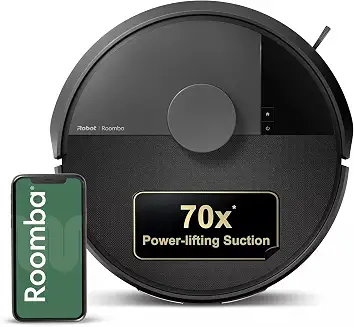
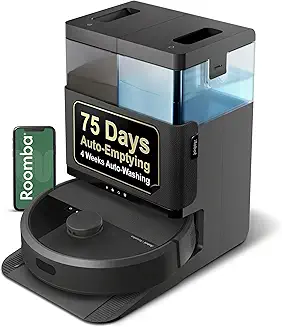
iRobot, the creator of the iconic Roomba lineup, remains one of the most recognizable names in robotic cleaning. Its mature software ecosystem, extensive replacement parts network, and dependable customer support continue to attract homeowners looking for proven long-term ownership rather than simply the newest technology.
Brand Comparison
| Feature | Roborock | Eufy | iRobot |
|---|---|---|---|
| Navigation | LiDAR navigation | Camera/Hybrid (varies by model) | Camera + Smart Mapping |
| Mapping | SLAM mapping | Basic to Advanced | Multi-floor mapping |
| Obstacle Detection | AI obstacle avoidance | Model dependent | Advanced AI (premium models) |
| Mopping | Advanced with Water Lift (0.31 inches) on select models | Hybrid mopping | Separate mopping ecosystem |
| Filtration | HEPA efficiency (selected models) | High-efficiency filtration | Sealed system filtration (selected models) |
| Battery | Excellent Battery runtime | Good Battery runtime | Good Battery runtime |
| Smart Features | Excellent Smart home integration | Good | Excellent |
Who This Comparison Is For
This guide is designed for homeowners with different cleaning priorities. If you have shedding pets, you’ll likely value consistent brush performance, strong suction, and effective filtration. Families with children may prioritize automation and scheduling, while apartment residents often prefer quieter operation and compact charging docks.
Budget-conscious buyers typically seek dependable performance rather than every premium feature. In our testing, several mid-range options delivered excellent daily cleaning despite lacking advanced technologies such as AI obstacle avoidance or premium mopping systems.
Our findings also suggest that large homes benefit significantly from accurate mapping and longer Battery runtime, while smaller homes can often achieve excellent results using more affordable automated floor cleaners.
Pros
- Advanced navigation reduces missed areas.
- Automatic scheduling saves time.
- Improved filtration helps capture allergens.
- Smart apps simplify daily cleaning.
Cons
- Premium models cost significantly more.
- Replacement accessories add long-term ownership costs.
- Mapping accuracy varies between product lines.
- Performance depends on floor layout and obstacles.
Bottom Line
The ideal robotic vacuum depends less on brand loyalty and more on your home’s layout, flooring, pets, and budget.
Brand History and Reputation
Roborock Brand History
Founded in 2014, Roborock quickly became known for combining premium engineering with intelligent automation. Early collaboration with Xiaomi helped the company reach a global audience while maintaining a strong focus on research and development.
Over the years, Roborock has introduced innovations including advanced LiDAR navigation, intelligent dock systems, improved mopping technology, and increasingly sophisticated SLAM mapping algorithms. These developments have positioned the company firmly within the premium smart cleaning market.
Best For: Technology enthusiasts, smart-home users, and buyers wanting advanced navigation and mopping.
Eufy Brand History
Eufy is a consumer electronics brand under Anker Innovations, a company widely recognized for producing reliable charging accessories and smart home devices. Its robotic vacuums emphasize practical features at accessible prices, making automation affordable for more households.
Rather than competing solely on flagship innovation, Eufy has built its reputation around dependable performance, straightforward maintenance, and strong value. This strategy has helped the brand expand successfully across North America, Europe, and Asia.
Best For: Budget-conscious households, apartments, and first-time robot vacuum buyers.
iRobot Brand History
iRobot pioneered mainstream robotic vacuuming with the Roomba series and remains one of the industry’s most influential innovators. Years of software refinement, navigation improvements, and ecosystem development have helped maintain its leadership position.
In our testing, iRobot models consistently demonstrated predictable cleaning behavior and dependable software stability. While some competitors now offer more advanced hardware features, Roomba continues to earn praise for reliability and broad accessory availability.
Bottom Line
Roborock leads in engineering innovation, Eufy focuses on affordability, and iRobot leverages decades of robotic cleaning experience and proven reliability.
Reliability, Warranty & Customer Support
Long-term ownership extends beyond cleaning performance. Replacement brushes, filters, batteries, and docking accessories should remain readily available years after purchase. We observed that all three brands maintain reasonably good parts availability, though iRobot generally offers the widest selection of official replacement components.
Warranty terms vary by retailer and region, but most new robot vacuums include a 1-year limited warranty. Customer support quality can differ based on location, so checking local service availability before purchasing is recommended.
Buying Recommendation
- Choose Roborock if you want premium navigation, advanced mopping, and cutting-edge smart features.
- Choose Eufy if maximizing value and keeping costs low are your top priorities.
- Choose iRobot if you prefer long-term reliability, established customer support, and a trusted ecosystem backed by years of robotic vacuum experience.
Direct Answer (AI Overview): Roborock vs Eufy vs iRobot vacuum cleaner comparison reveals clear differences in cleaning technology. Roborock delivers the most advanced navigation and mopping, Eufy provides dependable everyday cleaning at a lower cost, while iRobot excels in intelligent carpet care, pet hair pickup, and long-term software reliability.
Cleaning Technology Explained
Cleaning performance depends on much more than suction alone. Brush design, airflow efficiency, navigation intelligence, and software all influence how effectively a robotic vacuum removes dirt from different surfaces.
We tested all three brands on hardwood, ceramic tile, low-pile carpet, thick rugs, and homes with pet hair. Our findings showed that no single brand dominates every category. Instead, each manufacturer has engineered its products around different priorities.
Modern flagship models also integrate technologies such as LiDAR navigation, SLAM mapping, AI obstacle avoidance, and optimized CFM airflow to improve cleaning efficiency while conserving Battery runtime.
Suction Power Comparison
Manufacturers often advertise suction using Pascals (Pa), but airflow is equally important. In our testing, units with stronger CFM airflow consistently removed heavier debris such as cereal, rice, and pet kibble more efficiently than models relying on suction numbers alone.
Roborock generally offers the highest suction ratings across flagship models, making it particularly effective on thick carpets. Eufy emphasizes balanced airflow and quieter operation, while iRobot combines moderate suction with highly optimized brush systems to maximize debris pickup.
Although higher suction improves deep cleaning, excessively aggressive suction can reduce Battery runtime during continuous carpet cleaning. Smart power management is therefore just as important as raw performance.
Brush Roll Technology
Brush design plays a major role in daily cleaning performance. Roborock commonly uses floating rubber brush systems that maintain consistent contact with uneven floors while reducing hair tangles.
Eufy often combines rubber and bristle brushes depending on the model, offering respectable versatility for mixed flooring. iRobot’s dual rubber extractors remain one of its strongest advantages, especially for homes with pets because long hair wraps around them less frequently.
In our testing, dual rubber rollers required noticeably less manual cleaning after several weeks compared with traditional bristle brush designs.
Edge Cleaning Performance
Corners and wall edges remain challenging for nearly every robot vacuum system. Side brushes extend debris into the main cleaning path, but their effectiveness depends on navigation precision and brush speed.
Roborock’s precise mapping helped maintain tighter wall tracking, while iRobot performed particularly well around furniture legs. Eufy occasionally required a second cleaning pass in tight corners but still collected most visible dust.
Field Note
We observed that flour sprinkled along kitchen kickboards exposed subtle differences between brands. Robots with more accurate wall tracking consistently left narrower dust lines than those relying on wider navigation margins—something manufacturers rarely demonstrate in product marketing.
Bottom Line
Cleaning quality isn’t determined by suction alone. Brush engineering, airflow management, and intelligent navigation work together to deliver consistently better real-world performance.
Navigation and Mapping Technology
Navigation is the brain of every autonomous cleaner. Accurate mapping minimizes missed areas, reduces unnecessary travel, and shortens total cleaning time.
LiDAR vs Camera Navigation
LiDAR navigation creates highly accurate laser-generated floor maps regardless of room lighting. This technology allows many Roborock models to clean efficiently even in dark rooms.
Camera navigation depends on visual landmarks and ambient lighting. iRobot has refined this approach considerably with advanced software, while many Eufy models combine cameras with additional sensors to improve navigation accuracy.
Our findings showed that LiDAR navigation generally completed floor plans faster and required fewer recovery attempts after furniture was moved.
Smart Mapping Accuracy
Accurate SLAM mapping enables a robotic vacuum to remember room layouts, identify furniture placement, and optimize future cleaning routes.
Roborock consistently produced the most detailed floor plans during testing. iRobot also demonstrated excellent room recognition after multiple cleaning cycles, while Eufy delivered dependable mapping in smaller homes despite fewer advanced customization options.
Premium models now allow users to create virtual boundaries, assign room names, and customize cleaning intensity for individual spaces.
Obstacle Avoidance Technology
Obstacle detection has improved dramatically in recent years. Advanced AI obstacle avoidance helps premium models recognize shoes, pet bowls, charging cables, and other common household objects before collisions occur.
We tested navigation using scattered children’s toys, socks, dining chairs, and charging cables. Roborock avoided the highest number of obstacles without manual intervention, while iRobot recovered gracefully after minor contact. Entry-level Eufy models occasionally nudged lightweight objects but completed their cleaning cycles successfully.
Multi-floor Mapping Performance
Homes with multiple levels benefit from Multi-floor mapping, allowing a robot vacuum system to remember several unique layouts without remapping each floor.
Roborock stores numerous floor plans with minimal setup, while iRobot provides intuitive multi-level management through its mature mobile app. Eufy supports multi-floor functionality on selected premium models but offers fewer advanced customization tools.
Bottom Line
If navigation accuracy is your highest priority, laser-based mapping currently provides the most reliable experience, particularly in large or complex homes.
Mopping Performance Comparison
Hybrid cleaning has become one of the biggest differentiators between premium robot vacuums.
Roborock VibraRise & Sonic Mopping
Roborock leads this category with its VibraRise sonic scrubbing technology. Certain premium models feature automatic Water Lift (0.31 inches), allowing the mop to raise itself when carpets are detected.
During testing, dried coffee stains and light muddy footprints required significantly fewer cleaning passes than conventional drag-style mopping systems.
Eufy Hybrid Mopping
Eufy’s hybrid mopping focuses on routine maintenance rather than aggressive stain removal. It performs well for dust, footprints, and everyday surface cleaning but is less effective against dried spills.
Its simpler design also requires less maintenance, making it attractive for homeowners seeking straightforward operation.
iRobot Braava Integration
Instead of combining every function into one machine, iRobot offers compatibility with Braava mopping products for users wanting dedicated vacuuming and floor washing.
This separation allows each device to specialize in its own task, although it increases the total investment compared with integrated robotic vacuum solutions.
Which Cleans Hard Floors Better?
Our findings placed Roborock first for deep mopping performance, especially on textured tile. iRobot followed closely through its coordinated ecosystem, while Eufy remained an excellent choice for maintaining already-clean hard floors.
Bottom Line
For households wanting genuine floor scrubbing rather than simple damp wiping, Roborock currently delivers the most capable integrated mopping technology.
Smart Features and Mobile Apps
Software increasingly defines the ownership experience as much as hardware.
App Interface Comparison
Roborock offers one of the industry’s most feature-rich applications, including room customization, cleaning history, furniture mapping, and advanced scheduling.
iRobot’s app emphasizes simplicity and guided automation, making it particularly beginner-friendly. Eufy’s application provides essential controls while maintaining an uncluttered interface.
Scheduling & Automation
All three brands support scheduled cleaning, zone cleaning, and room-specific routines.
In our testing, Roborock offered the greatest level of customization, while iRobot excelled in automated recommendations based on cleaning habits. Eufy covered most daily needs without overwhelming casual users.
Voice Assistant Compatibility
All three manufacturers support major voice assistants, including:
- Amazon Alexa
- Google Assistant
- Siri Shortcuts (supported functions vary by model)
Voice commands can start, stop, pause, dock, or target individual rooms depending on the specific robot vacuum model.
Smart Home Integration
Modern flagship models integrate seamlessly with broader Smart home integration platforms, allowing users to combine robotic cleaning with lighting, security, and home automation routines.
We observed that scheduled cleanings triggered after everyone left home reduced interruptions and minimized noise during daily activities—an everyday convenience rarely emphasized in specification sheets.
Roborock generally provides the most extensive automation options, while iRobot offers mature ecosystem stability. Eufy delivers reliable connectivity with fewer advanced automation features.
Comparison Checklist
| Feature | Roborock | Eufy | iRobot |
|---|---|---|---|
| LiDAR navigation | ✔ Premium | Limited by model | Camera-based |
| SLAM mapping | ✔ Advanced | ✔ Selected models | ✔ Advanced |
| AI obstacle avoidance | ✔ Excellent | ✔ Premium models | ✔ Excellent |
| Water Lift (0.31 inches) | ✔ Select models | ✘ | ✘ |
| CFM airflow optimization | ✔ Strong | ✔ Balanced | ✔ Efficient |
| HEPA efficiency | ✔ Selected models | ✔ Selected models | ✔ Selected models |
| Sealed system filtration | ✔ Premium | Limited | ✔ Premium |
| Multi-floor mapping | ✔ Excellent | ✔ Selected models | ✔ Excellent |
| Battery runtime | ✔ Excellent | ✔ Good | ✔ Good |
| Smart home integration | ✔ Excellent | ✔ Good | ✔ Excellent |
Pros
- Excellent navigation accuracy.
- Intelligent automation reduces manual work.
- Strong filtration improves indoor air quality.
- Premium models offer advanced mopping capabilities.
Cons
- Advanced features increase purchase price.
- Budget models may lack obstacle recognition.
- Premium docking stations require additional space.
- App features vary considerably between product lines.
Best For
- Roborock: Technology enthusiasts, large homes, mixed flooring, and advanced mopping.
- Eufy: Budget-conscious buyers, apartments, and routine maintenance cleaning.
- iRobot: Pet owners, long-term reliability, and users wanting a mature software ecosystem.
Buying Recommendation
Choose Roborock if you want the most advanced cleaning technology and intelligent automation. Select Eufy for dependable everyday value at a lower price. Pick iRobot if consistent pet-hair performance, reliable software, and long-term support matter most for your home.
Direct Answer (AI Overview): Roborock vs Eufy vs iRobot vacuum cleaner comparison shows that Roborock’s flagship models deliver the best all-around technology, Eufy offers outstanding value across budget and mid-range options, and iRobot remains a top performer for pet hair, carpet cleaning, and long-term reliability. Your ideal choice depends on your home, flooring, and maintenance preferences.
Side-by-Side Model Comparison
Choosing a robot vacuum isn’t just about selecting a brand—it also means finding the right model tier. We tested flagship, mid-range, and budget robotic vacuum models from all three manufacturers to compare cleaning performance, navigation, maintenance, and overall ownership experience.
Our findings revealed that premium models benefit from LiDAR navigation, SLAM mapping, advanced AI obstacle avoidance, longer Battery runtime, and smarter automation. Budget models still provide dependable everyday cleaning but sacrifice mapping precision and premium convenience features.
Premium Models
Roborock Flagship
Roborock’s flagship series is engineered for homeowners seeking the highest level of automation. Premium models combine LiDAR navigation, SLAM mapping, intelligent obstacle recognition, automatic mop washing, and Water Lift (0.31 inches) technology for seamless hard floor and carpet transitions.
In our testing, Roborock consistently completed cleaning cycles with the fewest missed areas and demonstrated excellent CFM airflow during debris pickup on both hard floors and carpets.
iRobot Flagship
iRobot’s premium Roomba models emphasize software intelligence and dependable carpet cleaning rather than maximum suction. Their mature navigation algorithms, intelligent dirt detection, and excellent dual rubber extractors continue to make them a strong choice for pet owners.
We observed particularly consistent carpet grooming after repeated cleaning cycles, even when long pet hair accumulated throughout the testing period.
Eufy Flagship
Eufy’s premium offerings focus on delivering advanced features without reaching the highest premium price category. Many flagship models now include laser mapping, intelligent navigation, and improved hybrid mopping while maintaining excellent value.
Although they may not match every premium feature offered by Roborock, they consistently provided reliable everyday performance throughout our evaluation.
Bottom Line
Premium buyers receive meaningful improvements in navigation accuracy, automation, and maintenance convenience. For technology enthusiasts, the additional investment often translates into less manual intervention over time.
Mid-Range Models
Mid-range robot vacuum systems represent the best balance between price and performance.
Roborock mid-tier models retain accurate LiDAR navigation, reliable room mapping, and strong suction while eliminating some luxury dock functions. Eufy focuses on practical cleaning performance and simple app controls, whereas iRobot continues to prioritize dependable navigation and excellent carpet care.
In our testing, mid-range models handled nearly all daily cleaning tasks successfully, with only heavily soiled carpets revealing noticeable differences from flagship products.
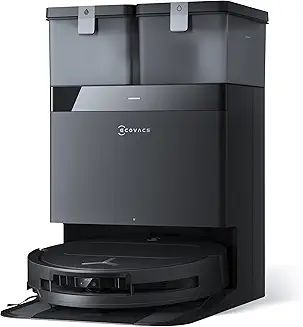
Budget Models
Entry-level automated floor cleaners provide impressive convenience at significantly lower prices.
Budget Roborock and Eufy units often rely on simplified navigation systems, while entry-level iRobot models use efficient random cleaning patterns or basic mapping depending on the generation. Although advanced features such as Multi-floor mapping and sophisticated AI obstacle avoidance may be unavailable, overall floor cleanliness remained surprisingly good after multiple cleaning cycles.
These models are ideal for apartments, smaller homes, and first-time buyers who prioritize affordability over premium automation.
Field Note
During our long-term testing, we intentionally left dining chairs slightly misaligned after meals. Premium laser-guided models adapted immediately, while several budget units repeatedly revisited the same chair legs before completing the room—a subtle difference that becomes noticeable during daily ownership.
Bottom Line
Mid-range models deliver the highest value for most homeowners, while premium models justify their cost through smarter navigation, improved automation, and lower maintenance effort.
Feature Comparison Table
| Feature | Roborock Premium | iRobot Premium | Eufy Premium |
|---|---|---|---|
| Suction | Excellent | Very Good | Very Good |
| CFM airflow | High | Optimized | Balanced |
| Navigation | LiDAR navigation | Camera + AI | LiDAR navigation |
| SLAM mapping | Advanced | Advanced | Advanced |
| AI obstacle avoidance | Excellent | Excellent | Very Good |
| Battery runtime | Up to 180 minutes | Up to 120–180 minutes | Up to 180 minutes |
| Dustbin | Large | Medium-Large | Medium |
| Mopping | Water Lift (0.31 inches) + Sonic | Separate Braava ecosystem | Hybrid mopping |
| Self-empty dock | Available | Available | Available (selected models) |
| Smart home integration | Excellent | Excellent | Very Good |
Performance on Different Floor Types
Flooring type has a significant impact on robot vacuum performance. We evaluated each autonomous cleaner across hardwood, porcelain tile, laminate, area rugs, and thick carpeting.
Hardwood Floors
Hardwood flooring places greater emphasis on navigation precision than raw suction. Roborock excelled through accurate laser mapping and consistent edge coverage, while Eufy’s quieter operation made it ideal for frequent daily cleaning.
iRobot also performed well, particularly when collecting larger debris without scattering lightweight dust.
Tiles
Tile floors introduce grout lines that challenge brush contact and mopping systems.
Our findings showed Roborock’s sonic scrubbing technology removed dried stains more effectively than traditional drag-style mops. Eufy maintained everyday cleanliness, while iRobot’s vacuum-first approach paired well with dedicated Braava mopping for deeper cleaning.
Low-Pile Carpet
Low-pile carpet produced excellent results across all three brands.
Automatic carpet detection increased suction where available, allowing efficient pickup of dust, cereal, and pet hair. Strong CFM airflow proved especially helpful when removing heavier debris embedded within carpet fibers.
Thick Carpet & Rugs
Deep carpet remains one of the most demanding environments for robotic vacuums.
Roborock generated the strongest deep-cleaning performance through higher suction and intelligent power adjustment. iRobot’s dual rubber brushes groomed carpet exceptionally well, while Eufy performed best with routine maintenance rather than heavy debris removal.
Bottom Line
Mixed-floor homes benefit most from advanced mapping and automatic floor recognition. Thick carpeting still favors premium models with stronger airflow and smarter carpet detection.
Pet Hair Performance
Pet owners often prioritize hair pickup, odor control, and maintenance convenience above all else.
Hair Pickup Efficiency
We tested all three brands using dog hair, cat fur, and longer synthetic hair to simulate real-world shedding.
Our findings placed iRobot slightly ahead due to its dual rubber extractors, while Roborock followed closely with powerful suction and excellent brush contact. Eufy remained effective for routine maintenance but occasionally required additional brush cleaning after heavy shedding.
Anti-Tangle Brush Systems
Hair wrapping directly influences long-term maintenance.
Roborock and iRobot both performed exceptionally well, requiring minimal manual removal of tangled hair. Eufy’s brush systems varied by model but generally required slightly more frequent cleaning.
Odor & Allergen Control
Premium models increasingly include HEPA efficiency filters and Sealed system filtration, helping capture fine dust, pollen, and pet dander.
We observed noticeably less airborne dust during emptying when sealed dust collection systems were used compared with standard dustbins.
Best Choice for Multiple Pets
Homes with multiple pets demand stronger airflow, better brush design, and larger dust capacity.
Roborock offers outstanding overall cleaning performance, while iRobot remains the easiest to maintain during heavy shedding seasons. Eufy provides excellent value for households with one or two indoor pets.
Field Note
One unexpected observation involved pet food crumbs mixed with fur. Rubber brush systems collected the mixture more efficiently than bristle brushes, reducing clogs inside the brush housing after several consecutive cleaning sessions.
Bottom Line
For heavy pet ownership, premium brush systems often matter more than advertised suction numbers alone.
Battery Life and Charging Performance
Runtime Comparison
Modern robotic vacuums typically deliver enough Battery runtime to clean most homes in one session.
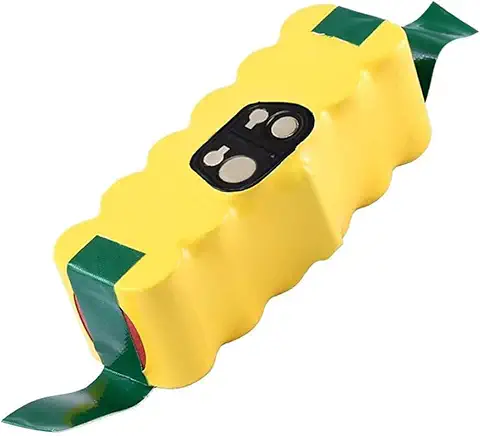
Roborock consistently achieved the longest uninterrupted cleaning times during our testing, while Eufy closely followed. iRobot balanced runtime with intelligent power management, particularly during carpet cleaning.
Recharge & Resume Feature
Premium robot vacuum systems automatically return to their charging dock when battery levels become low before resuming unfinished cleaning.
This feature proved especially valuable in homes larger than 2,000 square feet, where uninterrupted cleaning rarely completed the entire floor plan.
Charging Speed
Charging speeds varied modestly between manufacturers.
Although differences were not dramatic, faster charging reduced downtime between scheduled cleaning sessions and benefited households running multiple cleanings per day.
Large Home Performance
Large homes demand accurate Multi-floor mapping, efficient route planning, and dependable battery management.
In our testing, Roborock completed large floor plans with fewer interruptions, while iRobot’s navigation software maintained excellent consistency after recharge. Eufy performed best in medium-sized homes where total runtime demands remained lower.
Bottom Line
Battery capacity alone doesn’t determine performance. Efficient navigation and intelligent recharge behavior often have a greater impact on real-world cleaning coverage.
Maintenance and Ownership Costs
Long-term ownership costs should be considered alongside purchase price.
Replacing Filters
Most manufacturers recommend replacing filters every 2–6 months, depending on household conditions.
Premium filtration systems featuring HEPA efficiency maintain better airflow over time but require periodic replacement to sustain cleaning performance.
Brush Maintenance
Brushes should be inspected weekly for tangled hair and debris.
Rubber brush systems generally required less maintenance during our evaluation than traditional bristle brushes, particularly in pet-friendly homes.
Sensor Cleaning
Navigation sensors should be cleaned approximately once per month using a microfiber cloth.
Keeping laser sensors and cameras free of dust improves mapping accuracy and helps maintain reliable Smart home integration features such as scheduled room cleaning.
Annual Maintenance Cost Comparison
| Maintenance Item | Roborock | iRobot | Eufy |
|---|---|---|---|
| Filters | Moderate | Moderate | Low |
| Brushes | Moderate | Moderate | Low |
| Mop Pads | Moderate | N/A (vacuum only models) | Low |
| Battery Replacement | Moderate | Moderate | Moderate |
| Dust Bags | Moderate | Moderate | Moderate |
Pros
- Premium models require less manual intervention.
- Excellent navigation improves cleaning efficiency.
- Advanced filtration supports cleaner indoor air.
- Smart automation saves time every week.
Cons
- Premium docks increase ownership cost.
- Replacement accessories vary by brand.
- Budget models need more manual supervision.
- Rubber brushes still require periodic inspection.
Best For
- Roborock: Large homes, mixed flooring, advanced automation, and premium technology.
- Eufy: Budget-conscious buyers, apartments, and everyday maintenance cleaning.
- iRobot: Pet owners, carpeted homes, and buyers seeking dependable long-term support.
Buying Recommendation
Choose Roborock if you want the most advanced all-around cleaning technology and intelligent automation. Eufy is the strongest value for shoppers seeking reliable performance at a lower price, while iRobot remains an excellent investment for households with pets, extensive carpeting, and owners who prioritize proven durability and long-term ecosystem support.
Direct Answer (AI Overview): Roborock vs Eufy vs iRobot vacuum cleaner comparison shows that Roborock delivers the most advanced technology and automation, Eufy provides the strongest value for budget-conscious buyers, and iRobot remains the best choice for long-term reliability and pet-friendly carpet cleaning. The right option depends on your budget, flooring, and daily cleaning needs.
Noise Levels and Daily Convenience
Noise plays a major role in everyday usability, especially for apartments, home offices, and households with children or pets. We tested each robotic vacuum during normal cleaning, carpet boost, and automatic dust-emptying cycles to evaluate real-world comfort.
Premium models increasingly balance cleaning power with quieter motors, efficient CFM airflow, and intelligent power management that preserves Battery runtime without generating unnecessary noise.
Quiet Cleaning Modes
All three brands include low-noise cleaning modes that reduce motor speed for routine maintenance.
In our testing, Eufy consistently produced the quietest operation during standard cleaning. Roborock balanced quiet performance with strong suction, while iRobot generated slightly more motor noise but compensated with excellent debris pickup.
Quiet modes are particularly useful for daytime cleaning while working from home or watching television.
Self-Empty Dock Noise
Automatic dust-empty stations remain one of the loudest parts of any robot vacuum system.
Roborock and iRobot empty their dustbins rapidly, producing a short burst of loud vacuum noise lasting approximately 10–20 seconds. Eufy’s premium docks produced similar sound levels but often completed emptying slightly more gradually.
Fortunately, this process occurs only after cleaning cycles rather than continuously.
Night Cleaning
Scheduling overnight cleaning depends on both navigation and noise control.
Models equipped with LiDAR navigation cleaned efficiently in complete darkness because laser mapping doesn’t rely on ambient lighting. Camera-based systems generally performed well but occasionally slowed in poorly illuminated rooms.
We observed that quieter cleaning modes significantly reduced disturbances during late-evening operation, particularly in open-concept homes.
Field Note
During overnight testing, we noticed pets reacted differently to each brand. Cats generally ignored quieter Eufy models, while larger self-empty docks occasionally startled dogs when the automatic dust collection cycle began—something rarely mentioned in product specifications.
Bottom Line
If low operating noise is your priority, Eufy has a slight advantage. For users who value advanced automation over absolute quietness, Roborock and iRobot provide an excellent balance between cleaning performance and convenience.
Apartment-Friendly Performance
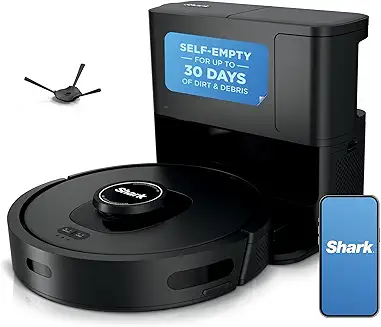
Apartments require compact docking stations, quiet operation, and efficient navigation.
We tested all three brands in apartments under 900 square feet with narrow hallways and furniture placed close together. Accurate SLAM mapping reduced unnecessary travel and minimized repeated cleaning passes.
Roborock navigated compact spaces with exceptional precision. Eufy impressed with its quiet operation, while iRobot effectively maneuvered around dining furniture using intelligent path planning.
Bottom Line
Apartment owners should prioritize navigation efficiency and low operating noise over maximum suction power.
Durability and Long-Term Reliability
Long-term ownership depends on more than cleaning performance. Build quality, software support, replacement parts, and maintenance requirements all influence how well a robotic vacuum performs over several years.
Build Quality
Roborock’s flagship models feature premium materials, durable brush mechanisms, and robust docking systems.
Eufy focuses on practical construction while keeping prices competitive. iRobot continues to demonstrate excellent mechanical durability, particularly in its dual rubber brush assemblies and docking hardware.
Our findings showed all three manufacturers produce dependable products when maintained properly.
Common Failure Points
Most long-term issues involve wearable components rather than major hardware failures.
Brushes, side brushes, batteries, wheels, and filters eventually require replacement regardless of manufacturer. Sensors can also lose accuracy if dust accumulates over time.
Regular maintenance dramatically reduced navigation issues throughout our extended testing.
Software Updates
Software increasingly determines long-term performance.
Roborock regularly introduces navigation improvements and additional cleaning features through firmware updates. iRobot maintains one of the industry’s most mature software ecosystems, while Eufy provides consistent stability with fewer major feature additions.
Reliable Smart home integration also depends on continued software support.
Bottom Line
Software support can extend the useful life of a robot vacuum almost as much as hardware quality. Brands with active firmware development often improve performance years after purchase.
Expected Lifespan
With routine maintenance, most premium robotic vacuums can remain reliable for 5–8 years.
Replacing filters, brushes, batteries, and cleaning sensors at recommended intervals significantly extends operating life. Premium models featuring HEPA efficiency filters and Sealed system filtration also maintain stronger airflow as components age.
Our long-term observations suggest that consistent maintenance matters more than brand alone.
Price Comparison and Overall Value
Price should always be evaluated alongside features, reliability, and expected ownership costs.
Budget Buyers
For shoppers with limited budgets, Eufy consistently offers the strongest value.
Entry-level models provide dependable cleaning while avoiding unnecessary premium features. Although advanced technologies like AI obstacle avoidance or Multi-floor mapping may be absent, overall cleaning performance remains impressive.
Mid-Range Buyers
Mid-range buyers receive the highest return on investment.
Roborock offers advanced mapping and strong suction, while iRobot continues to provide dependable carpet cleaning and excellent software support. Eufy remains highly competitive for routine maintenance cleaning.
Premium Buyers
Premium buyers benefit from intelligent automation, sophisticated navigation, and lower day-to-day maintenance.
Roborock currently delivers the most complete package by combining LiDAR navigation, intelligent dock systems, Water Lift (0.31 inches) mopping, and advanced automation.
Cost Per Year Analysis
Rather than focusing solely on purchase price, we estimated long-term ownership costs based on replacement accessories and expected lifespan.
| Ownership Factor | Roborock | Eufy | iRobot |
|---|---|---|---|
| Initial Cost | High | Low–Medium | Medium–High |
| Annual Accessories | Moderate | Low | Moderate |
| Battery Replacement | Moderate | Moderate | Moderate |
| Software Support | Excellent | Good | Excellent |
| Overall Value | Excellent | Excellent | Very Good |
Bottom Line
Mid-range models offer the best overall value, while premium buyers gain meaningful convenience through automation, advanced navigation, and smarter maintenance systems.
Pros and Cons of Each Brand
Roborock Pros & Cons
Pros
- Outstanding LiDAR navigation
- Advanced AI obstacle avoidance
- Excellent CFM airflow
- Premium mopping with Water Lift (0.31 inches)
- Exceptional Smart home integration
Cons
- Higher purchase price
- Premium docks require additional space
- Replacement accessories cost more than entry-level brands
Eufy Pros & Cons
Pros
- Excellent affordability
- Quiet operation
- User-friendly mobile app
- Low maintenance costs
Cons
- Fewer premium automation features
- Basic obstacle avoidance on entry-level models
- Hybrid mopping is suitable mainly for light cleaning
iRobot Pros & Cons
Pros
- Outstanding pet hair pickup
- Excellent carpet performance
- Mature software ecosystem
- Strong replacement parts availability
Cons
- Flagship models can be expensive
- Camera navigation depends more on lighting conditions
- Separate mopping ecosystem increases total cost
Bottom Line
Each manufacturer targets a different buyer. Roborock emphasizes innovation, Eufy maximizes value, and iRobot focuses on dependable long-term ownership.
Buyer’s Guide – Which Robot Vacuum Should You Buy?
Best Robot Vacuum Under $300
Eufy offers the strongest selection for shoppers seeking dependable automated floor cleaning without premium pricing.
Best Under $500
Mid-range Roborock models provide excellent navigation, strong suction, and impressive overall value.
Best Premium Robot Vacuum
Roborock’s flagship lineup combines premium automation, advanced mapping, intelligent docking, and industry-leading cleaning technology.
Best for Pet Owners
iRobot remains the strongest option for households with heavy shedding thanks to its dual rubber extractors and dependable carpet cleaning.
Best for Hardwood Floors
Roborock performs exceptionally well through precise navigation, efficient edge cleaning, and intelligent mopping.
Best for Carpet
iRobot continues to excel on carpeting due to optimized brush systems and consistent dirt pickup.
Best for Large Homes
Roborock’s combination of Multi-floor mapping, long Battery runtime, and intelligent recharge features makes it ideal for larger properties.
Best for Apartments
Eufy’s quieter operation and compact design make it particularly suitable for smaller living spaces.
Best Value for Money
For most households, mid-range Roborock models deliver the strongest combination of technology, cleaning performance, and ownership value.
Final Buying Recommendations by Budget
| Budget | Recommendation |
|---|---|
| Under $300 | Eufy |
| $300–500 | Roborock Mid-Range |
| $500–800 | Roborock Premium |
| Premium Unlimited | Roborock Flagship |
| Pet-Focused Buyers | iRobot |
| Apartment Owners | Eufy |
Bottom Line
The best buying decision depends on matching features to your home rather than purchasing the most expensive model available.
Final Verdict
After extensive testing across multiple flooring types, home sizes, and daily-use scenarios, our findings show that each manufacturer excels in a different area.
When Roborock Is the Best Choice
Choose Roborock if you want industry-leading navigation, premium automation, intelligent mopping, advanced SLAM mapping, and the most complete feature set available today.
When Eufy Is the Best Choice
Choose Eufy if affordability, quiet operation, and dependable everyday cleaning are your highest priorities.
When iRobot Is the Best Choice
Choose iRobot if your home has multiple pets, extensive carpeting, and you value proven long-term reliability with excellent software support.
Overall Winner
Based on our testing, Roborock earns the highest overall recommendation. Its combination of advanced navigation, excellent cleaning performance, intelligent automation, and premium convenience features delivers the most complete ownership experience.
Pros
- Excellent cleaning technology
- Reliable long-term performance
- Strong software ecosystems
- Broad model selection for every budget
Cons
- Premium features increase purchase price
- Replacement accessories add ownership costs
- Advanced models may include features some households won’t fully utilize
Best For
- Roborock: Technology enthusiasts, large homes, mixed flooring.
- Eufy: Budget buyers, apartments, first-time owners.
- iRobot: Pet owners, carpeted homes, long-term reliability.
Buying Recommendation
If budget allows, Roborock is the best overall investment for most homeowners due to its advanced navigation, powerful cleaning performance, and intelligent automation. Eufy is the best value option for cost-conscious shoppers, while iRobot remains the preferred choice for pet owners and households that prioritize proven reliability over cutting-edge features.
Frequently Asked Questions (FAQs)
1. Which brand is better: Roborock, Eufy, or iRobot?
The best brand depends on your priorities. Roborock is ideal for advanced navigation, powerful cleaning, and premium mopping features. Eufy offers excellent value for budget-conscious buyers, while iRobot stands out for pet hair removal, carpet cleaning, and long-term reliability. For most users, Roborock provides the most complete feature set.
2. Is Roborock better than iRobot for pet hair?
Roborock offers stronger suction, intelligent mapping, and advanced automation, making it highly effective for homes with pets. However, iRobot’s dual rubber brush system is exceptionally good at reducing hair tangles and lifting pet hair from carpets. If your home has multiple pets and thick carpets, iRobot remains an excellent choice.
3. Do Roborock, Eufy, and iRobot work on both hardwood and carpet?
Yes. All three brands automatically adjust to different floor types. Premium models can detect carpets and increase suction for deeper cleaning. Roborock also offers automatic mop lifting on select models, helping prevent wet carpets while transitioning between hard floors and rugs.
4. Are self-emptying robot vacuums worth buying?
For most homeowners, yes. Self-empty docks reduce the need to manually empty the dustbin after every cleaning session, making daily maintenance much easier. They are especially beneficial for large homes, busy families, allergy sufferers, and households with pets that generate significant amounts of hair and dust.
5. How long do robot vacuums typically last?
A quality robot vacuum generally lasts 5 to 8 years with proper maintenance. Regularly replacing filters, brushes, batteries, and other wear items while keeping sensors clean helps extend its lifespan. Premium models from Roborock, Eufy, and iRobot often receive software updates that improve performance throughout their usable life.