
A dinner party at home chef in Tasmania USA is a search for professional help preparing a memorable meal at home, although Tasmania is in Australia rather than the United States. Before booking a private chef, confirm the intended location, menu options, guest capacity, service inclusions, availability, and total quoted cost.
Hosting a dinner party should be an opportunity to enjoy time with friends, family, or colleagues rather than spend the entire event preparing food. Hiring a private chef can help homeowners and hosts arrange a personalized dining experience while a professional handles the agreed-upon cooking and food preparation.
For people searching for a private chef for a dinner party at home, the right service depends on the occasion, guest count, preferred cuisine, kitchen facilities, budget, and level of assistance required. Some chefs focus on menu planning and cooking, while others may offer ingredient sourcing, plating, serving, and kitchen cleanup as part of a customized arrangement.
One important consideration is location. Tasmania is an Australian state, so a US-focused service page should target a verified American service area rather than incorrectly presenting Tasmania as a US location. If you intended Tasmania, Australia, the page should instead address that market.
What Is a Private Chef Service for a Dinner Party at Home?
A private chef service involves hiring a professional to prepare a meal for a specific occasion, often in the customer’s home. Depending on the agreement, the chef may plan the menu, purchase ingredients, prepare dishes on-site, plate the food, and clean the cooking area after the event.
Unlike a standard restaurant reservation, an in-home dinner party allows the host to organize the meal around the guests, occasion, schedule, and available dining space.
How an In-Home Dinner Party Chef Service Works
The process typically begins with a conversation about the event. The host explains the occasion, expected guest count, preferred cuisine, dietary requirements, budget, and event date. The chef then determines whether the requested menu and service are suitable for the property and available facilities.
Once the basic details are established, the chef may propose a menu and explain the ingredients, preparation requirements, service arrangements, and estimated cost.
A typical booking may involve the following steps:
- Initial consultation: Discuss the event, location, guest count, and expectations.
- Menu planning: Select dishes, courses, ingredients, and suitable alternatives for dietary needs.
- Quote and confirmation: Review the total cost, payment schedule, cancellation terms, and included services.
- Preparation: Arrange ingredients, equipment, kitchen access, and the cooking schedule.
- Dinner service: Prepare and serve the agreed-upon meal according to the booking.
- Cleanup and departure: Complete the cleanup tasks specified in the agreement.
Not every private chef provides every step. Some expect customers to purchase groceries, arrange serving staff, or manage the dining area themselves. Confirm these details before making a deposit.

Types of Dinner Parties a Private Chef Can Prepare
Private chefs may offer different menus and service formats according to their experience, kitchen capabilities, and availability.
Common occasions include:
- Intimate dinner parties: A meal for a couple or a small group of friends.
- Birthday celebrations: A customized dinner for a family member, friend, or guest of honor.
- Anniversary dinners: A special menu designed around the couple’s preferences.
- Family gatherings: A shared meal that allows the host to spend more time with relatives.
- Holiday dinners: A planned menu for a seasonal celebration or family occasion.
- Business entertaining: A private meal for colleagues, clients, or professional guests.
- Vacation-home dining: An in-home cooking experience arranged at a suitable rental or holiday property, subject to its rules.
Before hiring, ask whether the chef regularly handles your type of event. Preparing an intimate three-course dinner may involve different equipment, timing, and staffing requirements from serving a large group.
What Is Typically Included in a Private-Chef Booking?
The phrase private chef service does not automatically mean that every aspect of the event is included. Providers may offer different packages or quote separately for individual tasks.
| Service component | What to confirm |
|---|---|
| Menu consultation | Whether menu planning and revisions are included |
| Ingredient sourcing | Who purchases groceries and pays for them |
| Food preparation | Whether preparation takes place at home or elsewhere |
| Cooking and plating | Which dishes and courses the chef will prepare |
| Serving | Whether the chef serves guests or only prepares and plates meals |
| Table setup | Whether tableware, linens, and table decoration are provided |
| Cleanup | Whether cookware, dishes, and work surfaces are cleaned |
| Additional staffing | Whether servers or other event staff can be arranged |
| Travel and equipment | Whether travel, special equipment, or rental costs are extra |
Ask the provider to list inclusions and exclusions in writing. This makes it easier to compare offers and reduces the risk of unexpected expenses on the day of the event.
Private Chef Versus Traditional Catering
A private chef and a catering company can both help with a dinner party, but their services may differ substantially.
A private chef often focuses on cooking at the customer’s property and tailoring the menu to the occasion. Traditional catering may involve preparing food at a commercial kitchen, delivering it to the venue, and arranging buffet or plated service.
Consider a host planning a small anniversary dinner. A private chef may be suitable if the couple wants courses prepared in their home kitchen and a menu tailored to their preferences. For a much larger gathering with limited cooking facilities, delivered catering or a staffed catering service may be more practical.
Compare the options based on:
- Number of guests and serving requirements.
- Available kitchen equipment and preparation space.
- Degree of menu customization.
- Food delivery versus on-site cooking.
- Staffing, table service, and cleanup.
- Total cost and the level of involvement expected from the host.
Neither option is automatically better. The appropriate choice depends on the event and the services included in the quote.
When Should You Hire a Chef for a Dinner Party?
Hiring a private chef can be useful when preparing and serving a meal would otherwise leave the host with too little time to enjoy the event. It can also help when the menu requires careful coordination or when guests have different food preferences.
Hosting a Special Occasion Without Managing the Cooking
Dinner parties often involve several tasks at once: shopping, preparing ingredients, cooking multiple dishes, setting the table, welcoming guests, and cleaning afterward.
A private chef can take responsibility for the cooking tasks included in the agreement, allowing the host to focus on guests and other arrangements.
For example, someone organizing a birthday dinner may want to spend the afternoon decorating the dining area and welcoming relatives rather than managing several dishes on the stove. A chef can help coordinate the agreed menu and prepare the meal according to the event schedule.
Before booking, identify which responsibilities you want to delegate. If you also need table setup, drink service, dishwashing, or event coordination, ask whether the provider offers those services or whether additional staff are necessary.
Preparing a Multi-Course Dinner for Guests
A multi-course dinner requires more coordination than preparing a single main dish. Starters, side dishes, main courses, and desserts may need different preparation times and serving temperatures.
An experienced chef can plan the sequence of preparation and serving around the agreed menu. This can be particularly useful when several dishes require attention at approximately the same time.
During the consultation, discuss:
- The number of courses and expected meal duration.
- Whether guests will be served individually or family-style.
- The timing of each course.
- Any dishes that require special equipment or lengthy preparation.
- Whether the kitchen can accommodate the proposed menu.
Be realistic about the property’s limitations. A complex menu may need adjustment if the kitchen has limited burners, oven space, refrigeration, or preparation surfaces.
Planning a Dinner Party for Different Dietary Needs
Guests may have different dietary preferences, including vegetarian, vegan, gluten-free, dairy-free, or other specific requirements. A private chef may be able to adapt a menu, but the options depend on the chef’s expertise, available ingredients, and preparation environment.
Provide dietary information before the menu is finalized. Do not assume that a dish is suitable simply because its main ingredients appear compatible with a particular diet.
Ask how the chef will confirm ingredients, manage substitutions, and avoid unwanted cross-contact where relevant. This is particularly important for food allergies, which require more careful discussion than general preferences.
If a guest has a serious allergy, obtain a clear explanation of what the chef can safely accommodate. If the provider cannot meet the necessary precautions, choose a different menu or service arrangement.
Entertaining Guests in a Vacation Rental or Private Residence
A private chef can sometimes prepare a dinner at a vacation rental, holiday home, or other temporary residence. However, the availability of this service depends on the property’s rules, kitchen facilities, location, and the chef’s willingness to travel.
Before booking, check whether the property permits outside service providers or on-site cooking services. Confirm whether the kitchen includes the equipment needed for the proposed meal and whether the chef can access the property at the agreed time.
For a rental property, establish who will provide cookware, serving utensils, cleaning supplies, and other essentials. Also confirm any requirements for parking, guest access, waste disposal, or departure procedures.
These arrangements should be agreed upon before payment rather than left to be resolved on the event day.
What Does a Private Chef Do Before, During, and After Your Dinner Party?
Understanding the complete process helps customers choose the right service and set realistic expectations.
Initial Consultation and Event Planning
The initial consultation gives the chef the information needed to assess the event and prepare a suitable proposal.
Be ready to provide:
- The event date and complete service address.
- The expected number of guests.
- The occasion and preferred dining style.
- Cuisine preferences and requested courses.
- Dietary requirements and food allergies.
- Your approximate budget.
- Available kitchen facilities.
- Whether you need serving assistance or cleanup.
The chef may ask additional questions about parking, property access, cooking equipment, refrigeration, and the expected start and finish times.
A useful consultation should also clarify whether the provider can serve the address. For a US-targeted lead-generation website, do not rely on a broad claim such as “serving all of America” unless the business can substantiate its actual coverage.
Menu Development and Ingredient Sourcing
After discussing the event, the chef may suggest dishes that suit the occasion, guest preferences, available ingredients, and cooking facilities.
A proposed menu should be specific enough for the customer to understand what will be served. If the chef offers substitutions, ask how late changes can be requested and whether those changes affect the price.
Ingredient sourcing should also be addressed explicitly. Depending on the agreement, the chef may buy groceries and charge the customer separately, include selected ingredients in the quoted fee, or ask the host to purchase them.
Clarify how specialty ingredients, seasonal substitutions, and unused groceries will be handled. If the event depends on a particular ingredient, ask whether it can be obtained before confirming the final menu.
On-Site Cooking, Plating, and Serving
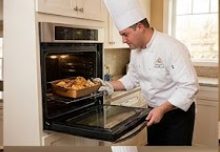
On the event day, the chef arrives at the agreed time and follows the preparation and cooking plan. The exact schedule depends on the dishes, available equipment, kitchen layout, and service format.
Some chefs prepare food and plate it for the host to serve. Others may provide a more complete dining service, potentially including course delivery or coordinating with additional staff.
Confirm the expected arrival time and preparation window. If guests are arriving at a particular hour, establish when the kitchen needs to be available and when the meal is expected to begin.
The host should also understand whether the chef needs unrestricted access to the kitchen or whether household activities must be adjusted during preparation.
Kitchen Cleanup and Departure Arrangements
Cleanup is one of the most important service details to clarify before hiring. It can mean anything from cleaning the chef’s immediate work area to washing cookware and dishes or leaving the kitchen in an agreed condition.
Do not assume that cleanup includes the entire dining room, all guest dishes, trash removal, or returning furniture to its original position.
Ask the provider to define the cleanup responsibilities in writing. If the chef has a fixed departure time, establish whether the cleanup period is included in the quoted service duration.
A clear agreement protects both parties from different expectations about what should happen after the meal.
Dinner Party Menus, Cuisine Options, and Customization
The menu is central to the experience. The right approach balances guest preferences, preparation time, available equipment, ingredient availability, and the host’s budget.
Multi-Course and Tasting Menus
A multi-course menu can provide a structured dining experience, while a simpler meal may be more appropriate for a casual gathering.
Depending on the chef’s offerings, a menu may include a starter, main course, sides, dessert, or several smaller courses. A tasting menu may involve smaller portions and more elaborate presentation.
When discussing options, consider the time required to prepare and serve each course. More dishes can mean additional ingredient costs, preparation work, equipment needs, and service time.
Ask for a written menu that describes the planned dishes and any substitutions. This allows the host to confirm the scope of the meal before the booking becomes final.
Cuisine Preferences and Seasonal Ingredients
Private chefs may specialize in particular cuisines or offer a broader range of dishes. Ask to see examples of menus that reflect the chef’s actual experience and current offerings.
Seasonal ingredients may influence what is available and how dishes are prepared. If a particular dish is essential to the occasion, confirm whether the chef can source the necessary ingredients rather than assuming availability.
For an American audience, cuisine preferences may include regional American dishes, Italian-inspired meals, Mediterranean food, or other styles offered by the individual provider. These are examples of possible menu preferences, not claims that every chef provides them.
Choose a menu that fits the guests, occasion, kitchen facilities, and budget.
Vegetarian, Vegan, and Other Dietary Preferences
A well-planned menu should account for dietary requirements before ingredients are purchased.
Ask the chef how they distinguish between preferences and restrictions that require specific ingredient controls. For example, a guest who prefers vegetarian food may have different needs from someone who must avoid a particular ingredient because of an allergy.
The provider should identify suitable dishes and explain any limitations. If the menu includes substitutions, request confirmation of the final ingredients before the event.
Clear communication helps avoid last-minute changes that may disrupt preparation or leave guests without suitable meal options.
Food Allergies and Special Meal Requirements
Food allergies require particular attention because even small amounts of an allergen or accidental cross-contact can pose risks for some people.
Inform the chef of known allergies as early as possible. Ask about ingredient verification, preparation surfaces, utensils, cookware, storage, and other precautions relevant to the specific allergy.
Do not accept a general assurance that a menu is “allergy-friendly” as a substitute for discussing the actual risk. The chef should explain what can and cannot be accommodated in the available kitchen.
If the required precautions cannot be confirmed, do not represent the meal as safe for that allergy.
Drinks, Desserts, and Additional Menu Services
Some dinner-party bookings include desserts, while others focus only on the main meal. Beverages, specialty drinks, alcohol service, table styling, and serving staff may also be separate services.
Ask whether the chef can provide these additions or whether you need another vendor. If alcoholic beverages are involved, verify the provider’s applicable permissions and responsibilities rather than assuming alcohol service is included.
Confirm any extra charges, equipment requirements, and staffing arrangements before finalizing the event plan.

How to Prepare Your Home for a Private Dinner Party Chef
The home environment affects what a chef can prepare and how smoothly the event can run. A brief review of the kitchen and dining arrangements can prevent avoidable problems.
Kitchen Space, Appliances, and Cooking Facilities
Before booking a detailed menu, determine what the kitchen can support.
Relevant considerations include:
- Working stovetop and oven.
- Adequate counter space.
- Refrigeration for ingredients.
- Suitable cookware and utensils.
- Clean food-preparation surfaces.
- Ventilation and appropriate utility access.
- Enough space to plate and organize dishes.
Not every chef brings a complete set of cooking equipment. Ask what the provider supplies and what the host must provide.
If an appliance is unreliable or the kitchen has limited facilities, explain this during the consultation. The chef may recommend a simpler menu or identify equipment that needs to be arranged in advance.
Guest Seating, Table Settings, and Dining Arrangements
Cooking a meal and setting up a complete dining experience are different tasks.
Decide whether the host will arrange chairs, tableware, napkins, decorations, and serving dishes. If the event requires formal place settings or additional dining equipment, confirm whether the chef offers these services or whether a separate supplier is needed.
For a small home, consider the distance between the kitchen and dining area, available seating, and space for guests to move comfortably.
Make sure the proposed service fits the property rather than expecting the chef to resolve major layout limitations on arrival.
Ingredient Storage and Food Safety
The kitchen should provide a clean, suitable environment for food preparation. Depending on the menu, the chef may need refrigerator space, clean work surfaces, and separate areas for different ingredients.
Discuss how groceries will be delivered and stored. Ask whether any ingredients need to arrive before the chef and whether the host must clear space in the refrigerator.
Food handling, storage, and preparation practices should be appropriate to the ingredients and applicable requirements. Where a specific food-safety rule applies, verify it with the relevant authority rather than relying on generic assumptions.
Access, Parking, Pets, and Household Arrangements
Practical arrangements matter, especially when the chef must transport ingredients or equipment.
Provide arrival instructions and explain any building access restrictions, parking limitations, security procedures, or property rules. If pets are present, discuss how they will be kept away from food-preparation areas during the event.
For a rental or shared property, coordinate access with the responsible owner or manager. If the chef needs extra time to unload equipment, make sure the arrival schedule allows for it.
These details should be included in the event plan so the chef can focus on the agreed service.
How Much Does a Private Chef for a Dinner Party Cost?
The total cost depends on the service being purchased. There is no single price that applies to every dinner-party chef, guest count, menu, or US location.
The most reliable way to establish the cost is to request a written quote based on the actual event details.
Common Private-Chef Pricing Structures
Depending on the provider, a quote may use one of several pricing approaches:
- Per-person pricing: The amount is calculated using the number of guests and the agreed menu.
- Fixed event fee: The chef quotes a total for a defined service.
- Hourly pricing: Charges are based on an agreed number of service hours.
- Minimum booking fee: A minimum charge may apply even for a small gathering.
- Customized package: The quote combines selected services, such as cooking, ingredients, and serving.
These arrangements are not universally available. Ask the chef which pricing method applies and whether the quote changes if the guest count or menu changes.
Factors That Affect the Total Quote
The final amount may depend on:
- Number of guests.
- Number and complexity of courses.
- Ingredient selection and sourcing.
- Preparation and service duration.
- Travel distance.
- Additional chefs or serving staff.
- Special equipment or rentals.
- Cleanup requirements.
- Short-notice arrangements, where applicable.
For example, a straightforward menu for a small gathering may require a different amount of preparation and equipment from an elaborate multi-course dinner for a larger group.
This does not establish a universal price difference. The provider must assess the specific requirements before quoting.
Ingredients, Groceries, Travel, and Additional Fees
A quote should explain whether groceries are included or charged separately. It should also identify travel charges, staffing costs, equipment rentals, taxes where applicable, and any other expected expenses.
If the chef purchases ingredients, clarify whether the customer pays a fixed grocery allowance, reimburses actual expenses, or pays a combined package price.
Ask how substitutions and price changes are handled if a requested ingredient becomes unavailable. Also confirm whether the provider needs approval before incurring additional costs.
An itemized quote is particularly useful when comparing two chefs whose advertised services may appear similar but include different responsibilities.
Is Hiring a Private Chef Worth the Cost?
The value depends on what matters most to the host.
A private chef may be worthwhile when the host values menu customization, professional preparation, reduced cooking responsibilities, or an organized dining experience at home.
For a more casual gathering, preparing food independently or ordering catering may be more suitable. The comparison should consider not only the quoted fee but also ingredient costs, preparation time, serving requirements, and cleanup responsibilities.
Before deciding, identify which tasks you want the service to cover and compare that scope against the available alternatives.

How to Compare Dinner Party Chef Quotes
Request quotes using the same basic information so the proposals can be compared fairly.
Use this checklist:
- Same guest count and event date.
- Comparable menus and number of courses.
- Clear ingredient and grocery arrangements.
- Confirmed travel and staffing charges.
- Defined cooking, serving, and cleanup responsibilities.
- Written payment, cancellation, and rescheduling terms.
- Any equipment rental or additional costs identified.
Choose based on suitability, transparency, and the complete service offered rather than the lowest headline price alone.
Private Chef, Personal Cook, or Dinner Party Catering: Which Should You Choose?
These services can overlap, but they often serve different needs. Understanding the distinctions helps customers contact the right type of provider.
Private Chef for a Hosted Dining Experience
A private chef may be a good fit when the host wants a customized menu prepared at home for a particular event.
Depending on the agreement, the chef may coordinate courses, prepare ingredients, cook on-site, and plate the food. Some providers also offer serving and cleanup.
This arrangement is often suitable for hosts who want to enjoy a special meal without taking responsibility for every cooking task.
Confirm the chef’s event experience, menu capabilities, service area, and booking terms before proceeding.
Personal Cook for Simpler Home Meals
A personal cook may focus on routine meal preparation, family meals, or preparing food for several days rather than delivering a full dinner-party experience.
For someone who wants regular home-cooked meals, a personal cook may be the more relevant service. For a special event involving a coordinated menu and scheduled courses, a private chef may be more appropriate.
Job titles are not standardized across all providers, so compare the actual services offered rather than relying on the name alone.
Catering for Larger Gatherings
Catering may be preferable when the event involves many guests, limited kitchen facilities, or a need for food prepared and delivered from another location.
Depending on the company, catering may include buffet arrangements, plated meals, delivery, setup, or service staff. These features must be confirmed with the provider.
For larger events, assess serving logistics, food holding, venue access, and the amount of staffing needed. An in-home private chef may still be suitable in some circumstances, but the kitchen and event setup must support the plan.
Choosing Based on Guest Count, Budget, and Kitchen Facilities
Before selecting a service, consider the following:
| Your requirement | Option to investigate |
|---|---|
| Customized meal cooked in your home | Private chef |
| Routine household meals | Personal cook |
| Food prepared and delivered to the venue | Catering service |
| Large gathering with coordinated staffing | Full-service catering or an appropriately staffed private-chef service |
| Small special-occasion dinner | Private chef or suitable small-event catering |
These are starting points rather than fixed rules. Request details from providers whose services match the event.
How to Choose the Right Private Chef for a Dinner Party
Choosing a chef involves more than finding a menu that looks appealing. The provider must be able to serve the location, prepare the agreed meal, work within the kitchen’s limitations, and explain the total cost clearly.
What to Look for in a Service Provider
Relevant experience: Ask whether the chef has handled dinner parties with similar guest counts, menus, and service expectations. Request sample menus or examples of work that the provider is authorized to share.
Menu customization: Confirm whether the chef can accommodate your preferred cuisine and make appropriate adjustments for dietary requirements.
Transparent pricing: The quote should describe the menu, ingredients, service duration, staffing, cleanup, and additional expenses.
Communication: The provider should answer questions clearly and confirm important details in writing.
Food safety: Ask about relevant food-handling practices and how the chef manages the specific dietary requirements you have disclosed.
Credentials and insurance: Verify applicable qualifications, registrations, and insurance where relevant. Requirements may vary by state, city, county, and service model.
Service-area coverage: Confirm that the chef serves the exact property address and can arrive within the agreed schedule.
Booking terms: Understand the deposit, balance payment, cancellation policy, rescheduling process, and responsibilities if the event changes.
These checks help customers evaluate a provider without relying on unsupported claims or assumptions.
Questions to Ask Before Hiring
Before paying a deposit, ask:
- Have you prepared dinner parties for a similar number of guests?
- Can you provide a sample menu and customize it for my event?
- Are ingredients and groceries included in the quoted fee?
- Do you provide serving staff, or do you only cook and plate the food?
- What kitchen equipment and facilities will you need?
- How do you handle food allergies and dietary restrictions?
- Is cleanup included, and exactly what does it cover?
- Are travel, equipment rentals, or additional service hours charged separately?
- What are the deposit, cancellation, and rescheduling terms?
- How will the booking be handled if you become unavailable?
Clear answers make it easier to compare providers and identify any arrangements that need attention before the event.
Red Flags to Avoid
Be cautious when a provider:
- Gives a quote without explaining what is included.
- Makes claims about experience or qualifications that cannot be verified.
- Avoids discussing allergy-related precautions.
- Pressures you to pay before providing clear booking terms.
- Refuses to explain cancellation or rescheduling conditions.
- Claims to serve an area without confirming travel and availability.
- Cannot explain how ingredient expenses or additional charges will be calculated.
One concern does not automatically establish that a provider is unsuitable, but unresolved questions should be addressed before committing.
When to Request Multiple Quotes
Comparing multiple quotes can help customers understand differences in service scope and pricing.
When practical, request two or three proposals from providers who serve the same location and can handle the event. Supply the same guest count, date, menu preferences, dietary information, and service expectations to each.
Compare the complete quoted amount rather than just the base fee. One chef may include groceries and cleanup, while another may charge for those services separately.
If one proposal is substantially different from the others, ask for clarification instead of assuming it is automatically better or worse.
How to Verify Service-Area Coverage and Availability
Before booking, provide the complete event address and date. Ask the chef to confirm that the property is within the service area and that travel arrangements are practical.
Check whether the requested arrival time, guest count, menu, and kitchen facilities can be accommodated. A provider’s general statement that bookings are available does not confirm availability for your particular event.
For a US-focused service website, city and state pages should reflect real service coverage. Do not create a misleading local page or imply that a chef serves every US state without evidence.
Licensing, Insurance, and Professional Credentials
The requirements applicable to private-chef services depend on the jurisdiction, the nature of the work, and whether the provider operates as a private chef, caterer, or another type of food-service business.
Where relevant, ask the provider about business registration, food-safety training, permits, insurance, and other applicable qualifications. Confirm requirements with the relevant local authority when necessary.
Do not assume that all private chefs require the same license or that working in a customer’s home automatically removes regulatory obligations.
How to Book a Private Chef for Your Dinner Party
Once you have identified a suitable provider, the booking process should establish a clear plan for the event and a shared understanding of the service.
Prepare Your Event Details Before Contacting a Chef
Prepare the information the chef needs to assess the booking:
- Event date and preferred start time.
- Full property address.
- Expected guest count.
- Occasion and preferred dining style.
- Cuisine and menu preferences.
- Dietary requirements and allergies.
- Approximate budget.
- Kitchen equipment and facilities.
- Serving and cleanup expectations.
Providing these details upfront makes it easier for the chef to determine whether the request is suitable and what further information is needed.
Request a Customized Menu and Written Quote
Contact the provider with your event details and ask for a proposed menu and itemized quote.
Review the dishes, number of courses, ingredient arrangements, service duration, staffing, and cleanup responsibilities. If you need a change, request a revised proposal before confirming the booking.
The written quote should explain any conditions that could affect the total cost, including changes in guest count, menu substitutions, additional hours, or extra services.
Avoid treating an informal conversation or an advertised starting price as confirmation of the final amount.
Review the Service Agreement and Payment Terms
Before paying, read the booking terms carefully. Confirm the deposit, payment deadlines, cancellation conditions, rescheduling policy, and arrangements for changes to the event.
The agreement should identify what the chef will provide and what the host must arrange. It should also explain how ingredient expenses and additional charges are handled.
Keep a copy of the final quote and booking confirmation so both parties can refer to the same agreed details.
Confirm the Event Plan Before the Dinner Party
As the event approaches, reconfirm the guest count, final menu, arrival time, property access, equipment, and cleanup arrangements.
Notify the chef promptly about any changes to dietary requirements or the number of guests. Ask whether changes affect ingredient sourcing, preparation, or pricing.
For properties with access restrictions, confirm parking, entry instructions, and any arrangements required to transport equipment.
A final confirmation helps reduce avoidable misunderstandings and allows the chef to prepare according to the agreed plan.

Request a Quote or Check Availability
Planning a dinner party at home? Start by identifying the service you need and confirming that a suitable private chef serves your location.
When requesting a quote, provide your event date, address, guest count, preferred menu, dietary requirements, and desired service level. Ask for a written breakdown of the proposed menu, included services, additional charges, and booking terms.
Ready to plan your dinner party? Contact a qualified provider serving your area to discuss your event requirements and request a personalized quote. Availability and service inclusions should be confirmed directly before booking.
Suggested internal links for your website:
- [Private Chef Services for Special Occasions] — link to a relevant service page if available.
- [In-Home Cooking and Meal Preparation Services] — link to a related service page if available.
Frequently Asked Questions
How much does it cost to hire a private chef for a dinner party at home?
The total depends on guest count, menu complexity, ingredient expenses, preparation time, location, staffing, and cleanup arrangements. Request an itemized quote that explains the expected total and any additional charges.
Can I hire a chef to cook a dinner party at my home?
Yes, some private chefs offer in-home dinner-party services. Confirm that the chef serves your location, can accommodate your guest count, and has the equipment and facilities needed for your menu.
What is included when you book a dinner-party chef?
Depending on the agreement, services may include menu planning, ingredient sourcing, cooking, plating, serving, and kitchen cleanup. Confirm each inclusion before paying a deposit.
How far in advance should I book a private chef?
Booking in advance provides more time to discuss the menu, confirm ingredients, and coordinate the event. The ideal lead time depends on the chef’s schedule, guest count, and menu requirements.
Can a private chef prepare a custom dinner-party menu?
Many chefs offer customized menus, depending on their expertise and availability. Discuss cuisine preferences, allergies, dietary restrictions, and the number of courses before confirming the menu.
Can I hire a private chef for a small dinner party?
Some chefs specialize in intimate dinners and smaller gatherings. Ask about minimum guest counts, minimum booking fees, and whether the service suits your event size.
Does a private chef clean the kitchen after a dinner party?
Cleanup varies by provider. Some agreements include cleaning cooking equipment and work surfaces, while washing dishes, clearing the dining area, or restoring the entire kitchen may cost extra.
Is hiring a private chef better than ordering catering?
A private chef may suit hosts who want on-site cooking and a customized dining experience. Catering may be more practical for larger gatherings or events that require prepared food delivered to the venue. Compare service scope and cost before deciding.
Can a private chef accommodate food allergies?
Some chefs can accommodate specific allergies, but suitability depends on the allergen, preparation facilities, and risk of cross-contact. Disclose allergies before booking and obtain clear confirmation of the precautions available.
What should I prepare before the chef arrives?
Confirm kitchen access, working appliances, available cookware, refrigeration, and workspace. Also settle the menu, guest count, arrival time, ingredient arrangements, and cleanup expectations in advance.
Are private chefs available for last-minute dinner parties?
Availability depends on the chef’s schedule, location, menu requirements, and ingredient sourcing. Contact providers directly to check whether they can accommodate your date; do not assume same-day service is available.
How do I find a dinner-party chef near me?
Search for private chefs serving your city or ZIP code, review their verified services and menus, and request written quotes from suitable providers. Confirm the event date, travel arrangements, service inclusions, and total cost before booking.