
Do robot vacuums work on carpet? This is a common question among homeowners looking for a convenient and hands-free way to maintain cleanliness.
With the growing popularity of smart home gadgets, robot vacuums have become a go-to choice for daily floor cleaning — but when it comes to carpets, many people wonder if these compact machines can handle the job effectively.
While robot vacuums are primarily known for their performance on hard floors, modern models are now equipped with advanced features like powerful suction, rotating brushes, and smart sensors that allow them to clean various types of carpets — from low-pile rugs to medium-pile carpets.
However, not all robot vacuums perform equally on carpeted surfaces. Some struggle with thick or high-pile carpets, while others are designed specifically with carpet cleaning in mind.
Understanding how robot vacuums work, what features matter most for carpets, and which types of carpets they can clean effectively will help you decide whether a robot vacuum is the right solution for your home.
In this blog post, we’ll explore all of that and more to give you a clear answer to the question: do robot vacuums work on carpet?
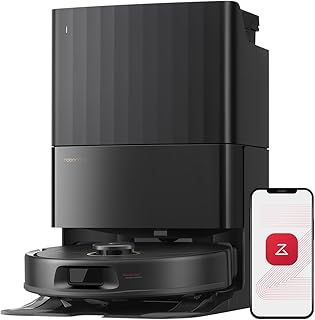
Understanding How Robot Vacuums Work on Carpet
Carpets present a unique challenge for automated cleaning devices. While hard floors allow robot vacuums to glide easily and pick up dust with minimal resistance, carpets require deeper suction and effective agitation to lift debris trapped between fibers.
If you’ve ever wondered do robot vacuums work on carpet, it’s important to first understand how they’re designed to handle various flooring types.
By knowing the mechanics behind their cleaning system, you can better judge whether a model will meet your home’s carpet-cleaning needs.
How Robot Vacuums Clean Different Surfaces
Modern robot vacuums rely on a combination of brush rolls, suction power, and intelligent sensors to clean. On hard surfaces, their primary task is to sweep dust and crumbs into the suction path, which requires less energy.
However, when cleaning carpet, the process changes — the brushes must agitate the fibers, loosening dirt that’s embedded deeper, while the suction pulls it into the dustbin.
Many advanced models use multi-surface brush rolls that automatically adjust height based on the flooring type.
This adaptability allows a robot vacuum to move from tile or hardwood onto a carpet without losing contact with the surface. The sensors detect the change in texture, triggering suction adjustments for better debris removal.
The main difference between carpet cleaning and hard floor cleaning lies in resistance and depth — hard floors only need surface pickup,
while carpets require power to reach the base of the fibers. This is why certain robot vacuums are marketed specifically as carpet-friendly models.
Suction Power and Carpet Cleaning Efficiency
When it comes to answering do robot vacuums work on carpet, suction power is one of the most important factors. Unlike hard floors, where even low suction can pick up loose particles, carpets hold onto dirt, dust mites, and pet hair.
A robot vacuum with insufficient suction will only clean the surface, leaving much of the debris behind.
Low-pile carpets — the kind found in many apartments and offices — can be effectively cleaned with a suction range starting from around 1500–2000 Pa (Pascal units of suction).
For medium-pile carpets, you may need 2000–3000 Pa to lift embedded debris. High-pile or shag carpets require even stronger suction and a powerful electric motor, often found in premium models, to avoid poor cleaning performance.
Some advanced robot vacuums feature carpet boost technology, which automatically increases suction when the sensors detect a carpeted surface.
This not only improves cleaning efficiency but also saves battery life when operating on hard floors.
Combined with well-designed brush rolls, higher airflow, and optimized dustbin systems, these features help ensure that a robot vacuum can clean carpet effectively without frequent manual intervention.
Do Robot Vacuums Work on All Types of Carpets?
The answer to do robot vacuums work on carpet depends largely on the type of carpet you have. Not all carpet surfaces behave the same way, and the thickness, pile height, and density of fibers play a big role in cleaning results.
While some robot vacuums glide effortlessly across certain carpets, others struggle to move or fail to pick up debris buried deep within the fibers.
Understanding how different carpet types interact with robot vacuums will help you choose a model that meets your home’s needs.
Low-Pile Carpet
Low-pile carpet is where robot vacuums tend to shine. The shorter fibers create less resistance, allowing the device to maintain strong suction and consistent brush contact with the surface.
Many entry-level and mid-range robot vacuums are designed with multi-surface brush rolls and adjustable suction that easily handle this type of flooring.
If you’re wondering do robot vacuums work on carpet in office spaces or homes with thin rugs, low-pile is the easiest to manage.
Models like the iRobot Roomba 694, Roborock E5, and Eufy RoboVac 11S are well-regarded for their ability to remove dust, crumbs, and pet hair without getting stuck.
Because less suction power is required compared to thicker carpets, battery life is often longer, and cleaning cycles can cover more ground in a single charge.
Medium-Pile Carpet
Medium-pile carpets are common in living rooms and bedrooms, offering a balance of comfort and durability. While robot vacuums can still perform well here, there are trade-offs.
The extra fiber depth means dirt and allergens can become embedded, requiring stronger suction to lift them out effectively.
For the best performance, choose a model with adjustable height settings or self-adjusting brush rolls so it can maintain proper contact with the carpet.
Suction power in the range of 2000–3000 Pa is typically recommended for medium-pile surfaces.
High-quality options like the Roborock S8 and Ecovacs Deebot T10 feature carpet boost technology that automatically increases suction when moving from hard floors onto carpet, ensuring a more thorough clean without manual adjustments.
High-Pile or Plush Carpet
This is where most robot vacuums face challenges. High-pile or shag carpets have long, dense fibers that can trap debris deep inside, and the thick texture can physically slow or even stop a robot vacuum from moving.
In many cases, the brushes can tangle or the wheels may sink into the carpet, reducing cleaning efficiency.
If you still want to use a robot vacuum on plush carpets, opt for premium models with strong suction power (3000 Pa or more), large wheels, and an advanced navigation system.
Devices like the iRobot Roomba s9+ and Roborock Q Revo MaxV are designed with more torque, better traction, and powerful motors to handle thicker surfaces, though even these may not fully replace a traditional upright vacuum for deep cleaning.
Area Rugs and Runners
Area rugs and runners introduce their own set of challenges for robot vacuums. While many models can transition from hard floors onto rugs with ease,
lightweight or loosely placed rugs can bunch up under the vacuum’s wheels. Tassels, fringes, or uneven edges may cause tangles in the brush roll.
To avoid problems, choose a robot vacuum with edge-cleaning modes and tangle-resistant brushes. Some models detect fabric edges and adjust movement to prevent pulling the rug out of place.
If your rugs have fringe, it’s best to tuck it under or secure the rug before starting a cleaning cycle.
For households with multiple rugs, carpet-friendly robots like the Eufy X8 Hybrid or Roborock S7 can navigate these transitions more smoothly.
Tips to Improve Robot Vacuum Carpet Cleaning
If you’ve been asking yourself do robot vacuums work on carpet and want to get the best results, it’s important to remember that performance isn’t just about the machine itself — it’s also about how you use and maintain it.
Even the most advanced models need a bit of help to work at their full potential. From selecting the right design to keeping your carpet clear of obstacles, small adjustments can make a big difference in cleaning efficiency.
Choose a Carpet-Friendly Model
The first step to better carpet cleaning is picking a robot vacuum that’s built for the job. Look for models with suction boost technology,
which automatically increases power when the vacuum moves from hard flooring onto carpet. This ensures dirt buried deep within the fibers is lifted effectively.
Large wheels are another key feature — they allow the vacuum to climb onto thicker rugs or medium-pile carpets without getting stuck.
The brush type also matters: dual multi-surface brush rolls are ideal because they agitate and lift debris more thoroughly than a single brush.
If your home has a mix of flooring, choose a multi-surface cleaning robot vacuum that adapts to both carpets and hard floors without manual settings.
Keep Carpets and Rugs Clutter-Free
One of the simplest ways to help your robot vacuum perform better on carpet is to remove obstacles before cleaning.
Loose cords, toys, socks, and small objects can block the brushes or suction path, forcing the vacuum to stop or bypass the area entirely.
Lightweight area rugs should be anchored so the robot doesn’t push or crumple them while cleaning.
By giving the vacuum a clear path, you allow it to maintain steady movement and consistent cleaning across the carpet surface, improving both efficiency and coverage.
Regular Maintenance
Even the best robot vacuums for carpet will lose effectiveness if they aren’t properly maintained.
Empty the dustbin after each cleaning cycle — a full bin reduces airflow and suction power. Check the brushes regularly for tangled hair or fibers, especially if you have pets.
Filters also play a big role in carpet cleaning performance. A clogged filter can block airflow, making it harder for the vacuum to pull dirt from deep within the carpet.
Replacing filters as recommended by the manufacturer will keep suction strong and maintain cleaning efficiency over time.
Complement with Periodic Deep Cleaning
While robot vacuums can keep your carpet looking fresh day-to-day, they aren’t a complete replacement for a traditional upright or canister vacuum.
Upright vacuums typically have stronger motors and deeper agitation, making them better at removing embedded dirt and allergens.
By pairing your robot vacuum with occasional deep cleaning sessions, you’ll maintain the carpet’s appearance, extend its lifespan, and ensure a healthier home environment.
Think of your robot vacuum as your everyday helper and your upright as the heavy-duty cleaner that steps in once or twice a month.
Factors That Affect a Robot Vacuum’s Carpet Performance
When asking do robot vacuums work on carpet, it’s important to remember that not all models perform the same way. The design, features, and technology behind a robot vacuum play a major role in how well it can clean different carpet types.
From the brush system to the navigation sensors, every component influences how efficiently dirt, dust, and pet hair are removed from your floors.
Brush Roll Design
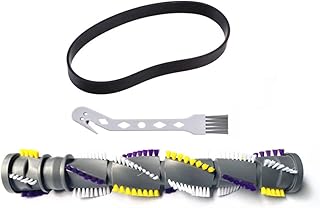
The brush roll is the part of the vacuum that makes direct contact with your carpet, loosening and lifting debris from the fibers.
Bristle type matters — stiff bristles can dig deeper into low- and medium-pile carpets, while soft bristles or rubber fins are better for preventing damage on delicate rugs.
Some high-end models also feature anti-tangle technology, which helps prevent hair or threads from wrapping around the brush, reducing downtime and maintenance.
Choosing a robot vacuum with the right brush roll design ensures it can agitate the carpet effectively without getting stuck or clogged.
Suction Technology
Suction is the power behind the cleaning. Some robot vacuums use direct suction, where debris is pulled straight into the dustbin without the help of a brush roll. This works well on hard floors but may leave dirt behind on carpets.
For carpets, brush-assisted suction is more effective because it combines agitation with airflow, allowing the vacuum to capture particles trapped deep within the fibers.
Models with variable suction settings or carpet boost features can automatically deliver more power when they detect thicker flooring, improving overall cleaning results.
Carpet Detection Sensors
Carpet detection sensors are a game-changer for answering the question, do robot vacuums work on carpet. These sensors identify when the vacuum moves from a hard floor onto a carpet and automatically increase suction power.
This not only ensures a more thorough clean but also helps conserve battery life by reducing suction when it’s not needed.
In homes with a mix of surfaces, these sensors allow the vacuum to adapt on the go, delivering strong cleaning performance without manual adjustments.
Battery Life & Run Time
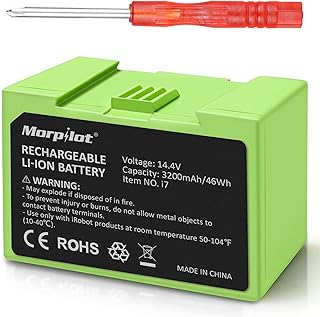
Carpets require more suction power and brush action than hard floors, which means they drain the battery faster.
If you have large carpeted areas, you’ll need a robot vacuum with a longer run time or auto-recharge and resume functionality.
Higher-capacity batteries ensure that the vacuum can complete its cleaning cycle without frequent interruptions.
This is especially important for high-pile or medium-pile carpets, which require slower, more deliberate passes for effective cleaning.
Navigation System
A robot vacuum’s navigation system determines how well it moves across your carpet and avoids obstacles. Advanced mapping technology helps the vacuum clean in straight, efficient paths rather than random patterns, covering every area more thoroughly.
For homes with rugs and carpet edges, obstacle avoidance sensors are essential. They prevent the vacuum from snagging on fringe, getting stuck on thick transitions, or damaging delicate carpet surfaces.
The better the navigation system, the more consistently your best branded vacuum cleaner will perform on all carpet types.
Conclusion
So, do robot vacuums work on carpet? The short answer is yes — especially when you choose a model suited to your carpet type and maintain it properly.
Low- and medium-pile carpets are generally no challenge for most modern robot vacuums, while high-pile and plush styles may require a premium model with strong suction and larger wheels.
By understanding the features that matter — like brush roll design, carpet detection, and battery life — you can get the most out of your investment.
A robot vacuum may not replace deep cleaning entirely, but it can keep your carpets looking fresh and free of daily dirt with minimal effort.
FAQs
Can robot vacuums clean high-pile or shag carpets?
Most standard robot vacuums struggle with high-pile or shag carpets because the thick fibers reduce movement and suction efficiency. However, premium models with strong motors, large wheels, and carpet boost technology can handle them better, though occasional upright vacuuming is still recommended.
Do robot vacuums adjust suction when moving from hard floors to carpet?
Many modern robot vacuums have carpet detection sensors that automatically increase suction when they transition from hard floors to carpet. This improves cleaning performance while conserving battery life when higher suction isn’t needed.
How often should I run a robot vacuum on carpet?
For homes with pets or high foot traffic, daily cleaning helps keep carpets free of dust, hair, and allergens. In lower-traffic homes, running the robot vacuum two to three times a week is usually enough to maintain a clean surface between deep cleanings.