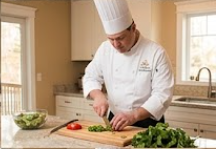
in home baking instructor near me in usa can teach cake baking, bread making, pastry preparation, and decorating in your own kitchen. Compare instructors by experience, lesson options, travel availability, ingredient costs, and pricing to find personalized instruction that matches your goals.
Finding the right baking instructor can make learning a new skill more practical and enjoyable. Instead of traveling to a baking school or relying entirely on online tutorials, you can receive hands-on instruction in your own kitchen, using familiar equipment and learning techniques that suit your experience level.
Whether you want to master homemade bread, improve cake decorating, learn pastry techniques, or prepare desserts for a special occasion, the right instructor should offer a clear lesson plan, transparent pricing, and availability in your area.
If you are searching for private baking lessons near you, focus on instructors who understand your goals, explain their teaching process, and provide clear information about travel arrangements, ingredients, equipment, and booking terms.
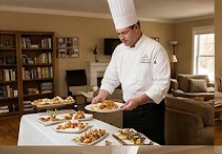
What Is an In-Home Baking Instructor?
An in-home baking instructor is a teacher who provides baking lessons at a student’s residence rather than exclusively at a cooking school, studio, or other teaching location. Depending on their experience and services, they may teach basic baking, advanced pastry techniques, cake decoration, bread making, or specialized recipes.
The main advantage is personalized instruction. You can ask questions, practice techniques under guidance, and learn to use the oven, mixer, pans, and other equipment already available in your kitchen.
Not every baking instructor offers home visits. Some teach online or at dedicated facilities, so confirming their service area and teaching format is essential before booking.
How private baking instruction at home works
An in-home lesson typically begins with a discussion about your current skills and what you want to learn. The instructor may ask whether you are a beginner, whether you have baked before, and which recipes or techniques interest you most.
For example, someone who wants to bake a birthday cake may need help with mixing batter, checking doneness, preparing frosting, assembling layers, and decorating the finished cake. A student interested in bread making may need instruction in kneading, fermentation, proofing, shaping, and baking.
A typical arrangement may include:
- Goal setting: Agree on the recipe, technique, or skill to be covered.
- Kitchen preparation: Confirm the equipment, ingredients, and workspace required.
- Demonstration: Watch the instructor explain and demonstrate each technique.
- Guided practice: Repeat the steps while receiving feedback.
- Review: Discuss common mistakes, recipe adjustments, and opportunities for further practice.
The exact process depends on the instructor and the lesson. Some offer single-session instruction, while others provide a structured series of classes.
Before booking, ask whether preparation and cleanup are included in the scheduled time and whether you or the instructor will supply the ingredients.
Who benefits from personalized baking lessons?
Private baking lessons can suit people with different experience levels and learning goals.
Beginners may want to understand ingredient measurements, mixing methods, oven temperatures, and recipe instructions before attempting more complicated bakes.
Home bakers who already follow recipes may need help improving consistency. Personalized feedback can help them investigate why a cake is dense, bread fails to rise as expected, or frosting does not hold its shape.
Parents and families may be looking for supervised baking activities that combine practical skills with an enjoyable shared experience.
Adults learning a new hobby may prefer a flexible lesson arranged around work schedules, personal interests, and their available kitchen equipment.
Aspiring baking professionals may want focused practice in bread making, pastry preparation, or cake decoration. However, a private lesson should not automatically be treated as a professional qualification or substitute for any training required for a particular career.
Before contacting an instructor, identify one or two specific outcomes you want to achieve. This helps you compare providers on relevant teaching experience rather than choosing solely on price or convenience.
In-home instruction versus baking classes at a studio
Both teaching formats can be useful, but they offer different advantages.
| Factor | In-home baking lessons | Studio or school classes |
|---|---|---|
| Location | Takes place in your kitchen | Requires travel to the teaching venue |
| Equipment | Usually uses your available equipment, subject to agreement | May provide specialized equipment |
| Instruction | May offer individualized attention | May involve several students |
| Scheduling | Depends on the instructor’s home-visit availability | Depends on the class timetable |
| Recipe selection | May be customized to your goals | May follow a set curriculum |
| Ingredients | Must be confirmed before booking | Depends on the class arrangement |
| Learning environment | Familiar home kitchen | Dedicated teaching space |
Home instruction may be particularly useful if you want to learn with your own oven and utensils. Studio classes may be preferable if you need specialized equipment that you do not own.
Neither format is automatically better for everyone. Compare the teaching approach, total cost, travel requirements, equipment access, and the skills you want to learn.
What you can learn during a private baking lesson
The content of a lesson depends on the instructor’s expertise and your learning objectives.
Common topics include:
- Cake baking: Mixing methods, pan preparation, batter consistency, and doneness checks.
- Bread making: Dough development, kneading, proofing, shaping, and crust formation.
- Pastry preparation: Dough handling, rolling, chilling, and shaping.
- Cookies and biscuits: Measuring, mixing, portioning, and controlling spread.
- Cake decorating: Frosting consistency, piping, layering, and finishing techniques.
- Baking fundamentals: Ingredient functions, temperature control, timing, and recipe interpretation.
Ask for a lesson outline before paying a deposit. A clear outline helps you understand whether the instructor can teach the specific technique you want to improve.
Types of In-Home Baking Lessons Available
The best lesson format depends on your current abilities, interests, available equipment, and preferred learning pace. Some instructors specialize in one area, while others teach a broader range of baking techniques.
Beginner baking lessons for adults
Beginner baking lessons introduce the basic skills needed to follow recipes accurately and understand how ingredients behave during preparation.
Topics may include measuring flour and sugar, distinguishing between mixing methods, preparing baking pans, setting an oven correctly, and recognizing when a mixture has reached the desired consistency.
An instructor may also explain why certain steps matter. For example, overmixing some cake batters can affect texture, while inaccurate ingredient measurements can change the consistency of a recipe.
If you are new to baking, look for an instructor who explains each step clearly rather than simply demonstrating a finished result.
Before booking, ask whether the lesson includes hands-on practice and whether the instructor provides a recipe or written notes for future use.
Cake baking and decorating instruction
Cake baking lessons can cover the process from preparing the batter to finishing the decorated cake.
Depending on the instructor’s skills, instruction may include sponge cakes, butter cakes, layer cakes, buttercream frosting, piping techniques, and basic presentation.
Cake decorating may require a different set of skills from cake baking. Someone who already bakes successfully but struggles with smooth frosting or decorative piping may benefit from a lesson focused specifically on finishing techniques.
When comparing cake baking instructors, ask to see relevant examples of their work if a portfolio is available. Confirm which techniques will be taught and whether specialist tools, cake boards, ingredients, and decorating supplies are included in the quoted price.
For a birthday or other special occasion, schedule the lesson with enough time to practice before the event rather than assuming that a short-notice appointment will be available.
Bread-making and pastry lessons
Bread making and pastry preparation involve techniques that differ from many cake and cookie recipes.
Bread lessons may cover dough consistency, kneading, fermentation, proofing, shaping, scoring, and recognizing when a loaf is ready to bake. Some instructors may also teach sourdough preparation and starter maintenance.
Pastry lessons can focus on rolling, chilling, shaping, and handling dough while maintaining the texture required for the intended recipe.
These subjects often benefit from observation and guided practice because dough can change with ingredient proportions, temperature, humidity, and handling.
When hiring a bread or pastry instructor, ask which methods they teach and whether they have experience with your preferred recipes. If you want to learn sourdough, for example, confirm that the instructor offers sourdough instruction rather than general bread lessons alone.
Baking lessons for children, couples, and families
Some instructors offer lessons designed for children, couples, or family groups. These sessions may focus on simple cookies, cupcakes, basic cake decorating, or recipes that allow participants to work together.
For children’s lessons, ask about age suitability, adult supervision, hot-oven handling, mixer safety, and the instructor’s approach to food allergies.
Parents should confirm who will supervise the children throughout the visit and which activities require adult assistance. Young students should not be expected to handle hot trays, sharp tools, or other potentially hazardous equipment without appropriate supervision.
Couples and families may prefer a shared lesson in which participants prepare separate portions or work together on one recipe. Group size matters because it can affect the amount of individual instruction each person receives.
Before booking, confirm the maximum number of participants, whether the price changes with group size, and whether ingredients are supplied for everyone.
Advanced and specialized baking instruction
Experienced home bakers may want to move beyond basic recipes and develop more specialized skills.
Possible topics include sourdough fermentation, laminated pastry, intricate cake decoration, specialty breads, recipe development, and troubleshooting complex baking problems.
The instructor’s relevant experience matters particularly when you are learning a specialized technique. General cooking experience does not necessarily establish expertise in advanced pastry or bread making.
Ask about the instructor’s background with the exact technique, how the lesson is structured, and whether you should complete any preparation before the appointment.
If your goal is to pursue professional work, discuss what the lesson can realistically teach and whether additional formal training or local business requirements may apply to your plans.
Signs You May Benefit From a Private Baking Teacher
You do not have to be a complete beginner to benefit from private instruction. Sometimes, a single recurring problem makes it difficult to progress, even after following recipes or watching tutorials.
Your cakes, cookies, or bread do not turn out consistently
Inconsistent results can have several causes, including inaccurate measurements, differences in oven temperature, mixing methods, ingredient substitutions, or proofing conditions.
A cake that repeatedly sinks in the middle, for example, may require a closer look at its baking time, ingredient proportions, mixing, and oven conditions. Bread that does not rise as expected may involve yeast activity, dough temperature, proofing time, or handling.
A baking instructor can observe your preparation process and help identify possible causes. This does not guarantee that every issue will be resolved in one session, but it can make troubleshooting more focused.
Before booking, describe the problem and explain what you have already tried. If possible, bring the recipe you use and note any changes you regularly make.
You struggle with baking techniques or equipment
Some recipes require techniques that are difficult to learn from written instructions alone.
You may have trouble judging when dough has been kneaded sufficiently, determining whether a cake is ready, using a stand mixer correctly, or producing consistent piping patterns.
An instructor can demonstrate the technique and watch you repeat it. This makes it easier to discuss hand movements, timing, texture, and equipment settings.
You can also learn how to use your existing kitchen tools more effectively instead of purchasing specialist equipment before understanding whether it is necessary.
Tell the instructor what equipment you own and which steps cause difficulty. That information can help them prepare a lesson suited to your kitchen.
You want to develop skills beyond beginner recipes
Once basic recipes become familiar, you may want to learn more complex methods, improve presentation, or understand how ingredients influence the final result.
A personalized instructor may help you progress from following instructions mechanically to understanding the reasons behind each step.
For example, a student who can bake a basic loaf may want to learn how proofing affects texture or how different dough-handling techniques influence the finished bread.
A useful lesson should balance explanation with practical work. Ask how much of the session will involve demonstration, how much time you will spend practicing, and whether you will receive guidance for continued learning.
You need baking skills for a party or special occasion
A private lesson can be useful if you want to prepare a birthday cake, decorate cupcakes, bake holiday cookies, or serve homemade desserts at a family gathering.
The lesson can focus on the recipes and techniques most relevant to the event. However, the instructor’s availability, the recipe’s complexity, and the time needed for preparation and cooling will affect what can reasonably be covered.
If you have a specific event date, communicate it at the beginning. Ask whether the instructor can help you practice the required techniques before the occasion and whether the proposed schedule leaves enough time for independent preparation.
Do not assume that a baking lesson includes the production or delivery of a finished cake. Instruction and professional baking orders are different services and should be confirmed separately.
What Happens During an In-Home Baking Lesson?
Understanding the teaching process helps you prepare for the visit and make better use of the scheduled time.
Discuss your goals and experience level
The first step is agreeing on what you want to learn.
The instructor may ask about your previous experience, preferred recipes, available time, and any specific problems you want to solve. If you are a beginner, the focus may be on foundational techniques. If you already bake regularly, the session may concentrate on one difficult skill.
Share relevant dietary requirements or ingredient allergies before the lesson. Do not wait until ingredients have been purchased or prepared.
It is also helpful to agree on a realistic objective. Learning the fundamentals of bread making may require a different plan from practicing one frosting technique.
Prepare the kitchen, ingredients, and equipment
Before the visit, confirm what needs to be available.
Your kitchen may need a functioning oven, suitable work surfaces, baking pans, mixing bowls, utensils, and storage space for ingredients. The exact requirements depend on the selected recipe.
Ask the instructor whether they will bring specialist tools or whether you should prepare them in advance. Clarify who will purchase the ingredients and whether ingredient costs are included in the lesson fee.
Clean the work surfaces, make room for preparation, and ensure that children or pets will not interfere with hot equipment or food preparation.
If you have concerns about your oven or equipment, mention them before booking so the instructor can determine whether the planned lesson is suitable.
Demonstration and guided hands-on practice
A useful private lesson generally includes both demonstration and student participation.
The instructor may first show how to measure ingredients, combine them in the correct order, prepare a pan, or handle dough. You then repeat the process while receiving guidance.
This approach allows you to practice the technique rather than merely watch someone else perform it.
Ask whether the lesson is primarily demonstration-based or hands-on. If your goal is to become more confident baking independently, you should understand how much practical participation is included.
Feedback, troubleshooting, and recipe review
During the lesson, the instructor can explain how to recognize important changes in texture, appearance, and consistency.
For example, they may demonstrate how to check cake doneness, identify a suitable dough consistency, or improve frosting technique. They can also help you understand why a particular step matters and which variables should remain consistent.
Keep the recipe and make notes about measurements, oven settings, timing, and any adjustments discussed. If a technique is difficult, ask the instructor to demonstrate it again before moving on.
The goal is to build understanding that you can apply during future baking sessions.
Follow-up practice and future lesson planning
After the lesson, repeat the technique while your notes are still fresh.
Practice helps you determine which steps you understand and which need further guidance. If you are working through several skills, you may benefit from arranging lessons in a logical sequence.
For example, a beginner might start with basic cake preparation, then learn frosting, and later progress to layered cake assembly and decoration.
Before the instructor leaves, ask whether written recipes, practice notes, or other learning materials are included. Do not assume that all instructors provide take-home materials unless this has been agreed.
Baking Equipment, Ingredients, and Techniques Covered
The tools and ingredients required depend on the lesson. A simple cookie lesson may need little specialist equipment, while advanced pastry work can require more preparation.
Essential home baking equipment
Common baking equipment includes:
- An oven appropriate for the selected recipe.
- Measuring cups, spoons, or a digital kitchen scale.
- Mixing bowls, whisks, spatulas, and other utensils.
- Baking trays, cake pans, and suitable liners.
- A hand mixer or stand mixer when required.
- Cooling racks and heat-resistant oven gloves.
- Recipe-specific equipment such as piping bags or bread tools.
You do not necessarily need to purchase everything before your first lesson.
Share a list of the equipment you already own. A suitable instructor can explain which items are necessary for the planned recipe and which are optional.
If a lesson requires equipment you do not have, ask whether the instructor can bring it or recommend a simpler alternative.
Ingredient measurement and recipe accuracy
Accurate measurement is an important part of repeatable baking.
Ingredients perform different functions, and changing their proportions can affect texture, structure, moisture, and flavor. Flour measurements, for example, may vary depending on how the flour is scooped, while weighing ingredients can provide greater consistency when the recipe specifies weights.
A baking instructor can explain the measurement method used in a recipe and demonstrate how to prepare ingredients before mixing.
You may also learn why some ingredients need to reach a particular temperature and why substitutions should be considered carefully.
For better results, keep the original recipe available and record any changes made during instruction. This makes it easier to compare later attempts.
Mixing, kneading, proofing, and temperature control
Different baked goods require different preparation methods.
Cake batters may depend on the order in which ingredients are combined and the amount of mixing. Bread dough requires attention to development, fermentation, and proofing. Pastry dough often benefits from careful handling and temperature control.
An instructor can show you how to recognize changes in texture and appearance rather than relying only on a timer.
Oven temperature is another important variable. Home ovens can differ in their actual temperatures, so a recipe’s stated setting may not always produce identical results in every kitchen.
During the lesson, ask how to recognize the relevant signs of readiness for your selected recipe and when a thermometer or other tool may be useful.
Cake decorating and presentation tools
Cake decorating may involve piping bags, decorating tips, offset spatulas, cake turntables, scrapers, and suitable cake boards.
The required equipment depends on the intended design. Basic frosting techniques may need only a few tools, while more detailed decorations can require additional supplies and practice.
Before booking a decorating lesson, clarify whether the session covers frosting preparation, smooth finishes, borders, piping, layered assembly, or a particular design.
Ask whether the instructor provides decorating supplies and whether you will be able to practice using them. This helps you avoid paying for a session that focuses on a different skill from the one you want to develop.
Ingredient substitutions and dietary considerations
Some students need to avoid particular ingredients or prefer specific dietary approaches.
Discuss these requirements before booking, especially if the lesson involves allergies, gluten-free baking, dairy-free recipes, or other substitutions.
Ingredient substitutions can change moisture, structure, texture, and baking time. They do not always work as direct replacements, so the instructor should have relevant experience with the intended recipe.
If an allergy is involved, explain the concern clearly and ask about ingredient sourcing, equipment cleanliness, and cross-contact prevention. The instructor should not promise an allergen-free environment without being able to support that claim.
For complex dietary requirements, confirm the instructor’s competence and agree on a suitable lesson plan before purchasing ingredients.
DIY Baking Practice vs Hiring a Private Instructor
Online tutorials, cookbooks, and independent practice can be effective learning methods. A private instructor offers a different kind of support by observing your technique and adapting explanations to your needs.
When online recipes and tutorials may be enough
If you are comfortable following instructions and want to learn a straightforward recipe, free online resources may be sufficient.
They allow you to pause demonstrations, review instructions, and practice on your own schedule. They can also help you explore different baking styles before deciding which skills you want to develop.
However, a video cannot directly observe your preparation process or ask you to demonstrate a technique. If your results repeatedly differ from the recipe’s intended outcome, additional guidance may be helpful.
Benefits of real-time feedback in your own kitchen
An in-home instructor can observe how you measure, mix, knead, shape, or decorate and explain where a technique might be improved.
Because the lesson takes place in your kitchen, you can also learn to work with your existing equipment and available space.
This is particularly useful when results depend on practical judgment, such as recognizing dough readiness or controlling frosting consistency.
The value of instruction depends on the quality of the teaching and your participation. Before booking, confirm that the instructor will provide hands-on guidance rather than simply demonstrate a recipe from beginning to end.
When personalized instruction may save time
A private lesson may be useful when you have tried the same recipe repeatedly without understanding why the results vary.
It may also help when you want to learn a specialized technique, prepare for a particular event, or follow a structured learning plan.
However, not every problem requires paid instruction. Before booking, consider whether a clearer recipe, more accurate measurement, or a simple change in technique could address the issue.
If you do hire an instructor, explain the problem in advance and ask how the session will address it.
Kitchen safety and food hygiene
Baking lessons should include appropriate attention to kitchen safety.
Important practices include washing hands, cleaning preparation surfaces, storing ingredients appropriately, handling raw ingredients safely, and preventing cross-contact when allergies are involved.
Ovens, hot trays, mixers, and sharp utensils require care. Children should receive age-appropriate tasks and appropriate supervision.
Keep walkways clear, use suitable oven gloves, and follow the equipment manufacturer’s safety instructions.
Food-safety and other requirements can vary depending on the activity and jurisdiction, particularly if home baking becomes a commercial operation. Do not assume that the rules for personal household baking are identical to those for selling food.
How Much Does an In-Home Baking Instructor Cost?
The cost of private baking instruction depends on the service provided and the instructor’s terms. There is no single rate that can be assumed to apply throughout the United States.
Before comparing prices, make sure you are comparing similar lessons with similar durations, ingredients, equipment arrangements, and travel requirements.
Factors that affect private baking lesson prices
Several factors may influence a quote:
- Lesson duration: A longer session may involve more teaching time and additional preparation.
- Instructor experience: Specialized expertise and the type of instruction offered may affect pricing.
- Travel distance: Home visits may involve travel charges or limits on the service area.
- Lesson complexity: Advanced pastry techniques or customized recipes may require additional preparation.
- Number of participants: Private lessons and small-group sessions may be priced differently.
- Materials: Ingredients, specialty tools, and supplies may be included or charged separately.
- Scheduling: Some instructors may apply different terms for weekends or short-notice appointments.
These are potential pricing factors, not charges that every instructor applies.
Request an itemized quote and confirm the total amount before agreeing to the lesson.
Ingredients, equipment, and additional fees
A quoted lesson price may cover instruction only, or it may include selected ingredients and equipment.
Ask whether you need to purchase ingredients separately, whether specialist tools are supplied, and whether travel or parking charges apply.
You should also confirm any deposit, cancellation fee, or charge for additional participants before paying.
For example, a lesson focused on decorating may require different supplies from a basic bread-making session. Comparing the headline price without checking what is included may give you an inaccurate picture of the total cost.
Single lessons versus recurring sessions
A single lesson can be suitable if you want to learn one recipe or improve a specific technique.
Recurring lessons may be useful when your goal involves several connected skills, such as moving from basic cake baking to layered cakes and more advanced decorating.
When considering a package of lessons, ask whether the sessions have a planned sequence, what happens if you need to reschedule, and whether unused sessions can be refunded or transferred.
Avoid committing to a large package before you understand the instructor’s teaching approach and cancellation terms.
How to compare baking lesson quotes
Use the following checklist when requesting prices:
| Quote detail | What to confirm |
|---|---|
| Lesson objective | The recipe or techniques covered |
| Duration | Scheduled teaching time |
| Participants | Whether the quote covers one person or a group |
| Ingredients | Who purchases and supplies them |
| Equipment | What the instructor brings and what you provide |
| Travel | Whether home-visit or parking charges apply |
| Additional fees | Any extra costs beyond the stated lesson fee |
| Payment terms | Deposit, balance, and accepted payment methods |
| Cancellation | Rescheduling and refund conditions |
A written quote helps you compare providers fairly and reduces the risk of unexpected charges.
Is an in-home baking lesson worth the cost?
The value depends on what you want to achieve.
If you learn best through practical demonstrations, want feedback on a recurring problem, or need instruction tailored to your kitchen, private teaching may be worth considering.
If you are comfortable learning independently and only want to try a simple recipe, online resources may be sufficient.
Consider the total cost, convenience, amount of hands-on practice, instructor experience, and relevance of the lesson to your goals. A higher fee does not automatically indicate better teaching, and a lower fee does not necessarily mean the service is unsuitable.
Is an inspection or consultation worth it?
For a baking instructor, a preliminary consultation is generally a discussion about your goals, kitchen setup, equipment, and lesson requirements rather than a formal inspection.
It can help determine whether the instructor can work with your available oven, whether any equipment needs to be supplied, and which lesson format is appropriate.
Ask whether the consultation is free or paid and whether its cost is credited toward a later booking.
How long does a lesson take?
Lesson duration depends on the selected recipe, the student’s experience, and the amount of hands-on practice required.
Some recipes involve waiting periods for dough proofing, cooling, or other processes that may not require continuous instruction. Ask how these periods fit into the scheduled session.
If the lesson involves several recipes or a complex cake design, confirm that the instructor considers the time required for preparation and finishing.
Does short-notice service cost more?
Some instructors may accept short-notice bookings, while others have limited availability or different pricing terms.
If you need a lesson before a party or holiday, explain your deadline and preferred learning objective when contacting providers. Confirm any additional fees in writing rather than assuming that every instructor charges the same way.
How can customers avoid unnecessary charges?
Ask for the full price and booking terms before paying a deposit. Check whether ingredients, equipment, travel, extra participants, and follow-up materials are included.
Avoid making assumptions based on a short advertisement or an introductory price. If the quoted service differs from what you discussed, request clarification before confirming.
Keep a copy of the agreed lesson details, payment terms, and cancellation policy.
How to Choose the Right Baking Instructor
Choosing an instructor requires more than finding someone who knows how to bake. The person should be able to teach the skills you want to learn, communicate clearly, and provide the service you have agreed to purchase.
What to look for in a service provider
Start by checking the instructor’s relevant baking experience and ability to explain techniques.
Someone who specializes in bread may not be the best match for advanced cake decoration. Likewise, a talented baker may not necessarily have the teaching skills required to explain foundational techniques to beginners.
Look for evidence relevant to your goals, such as a portfolio, a clear description of teaching experience, authentic references, or examples of the recipes and techniques they teach.
Confirm that the instructor visits homes in your area and can accommodate your schedule.
If insurance, professional training, or other credentials are relevant to your circumstances, ask about them and verify any claims. Do not assume that every private baking instructor is subject to the same licensing or insurance requirements.
Questions to ask before hiring
Before making a booking, ask:
- Do you travel to my address or ZIP code?
- Which baking techniques do you specialize in?
- Can you teach someone at my current skill level?
- What will we cover during the lesson?
- Do you supply ingredients and equipment?
- How long is the session?
- Can you accommodate children or dietary requirements?
- What is the complete price, including any additional fees?
- What happens if I need to cancel or reschedule?
- Do you provide recipes or practice notes after the lesson?
The answers should help you understand the service before making a financial commitment.
How to evaluate reviews, portfolios, and references
Reviews and portfolios can help you assess whether an instructor’s experience matches your requirements.
Look for feedback that describes relevant teaching experiences rather than relying only on broad statements of satisfaction. For example, feedback about beginner instruction may be more useful to a new baker than praise for advanced pastry work.
If the instructor has a portfolio, review examples of the techniques you want to learn. Ask whether they can explain how those techniques would be taught during your session.
Treat reviews as one source of information rather than a guarantee of future results. Do not rely on unverified testimonials, unsupported claims, or credentials that cannot be confirmed.
Red flags to avoid
Be cautious if a provider:
- Refuses to explain what the quoted price includes.
- Pressures you to pay before discussing the lesson details.
- Makes qualifications or experience claims they cannot substantiate.
- Cannot explain whether they offer home visits.
- Gives vague answers about ingredients, equipment, or lesson duration.
- Dismisses reasonable food-allergy or safety questions.
- Will not clarify cancellation or rescheduling terms.
A professional arrangement should include clear communication about the service, cost, timing, and responsibilities of both parties.
When to request multiple quotes
Comparing more than one instructor can be useful when prices, lesson formats, travel arrangements, or teaching specialties differ.
Request quotes using the same basic information: your location, experience level, preferred lesson, number of participants, and scheduling needs.
Compare the complete service rather than selecting the lowest advertised fee. One quote may include ingredients and travel, while another may cover instruction only.
If you find a suitable provider who clearly explains the lesson and meets your requirements, the goal is to make an informed decision—not to collect quotes indefinitely.
Booking an In-Home Baking Lesson Near You
Once you know which skills you want to learn and what you can spend, the next step is confirming that an instructor can provide the service at your home.
Search for instructors serving your location
Start with searches that combine your service requirement with a genuine geographic modifier.
Examples include:
- In-home baking instructor near me.
- Private baking teacher near me.
- Cake decorating instructor who visits my home.
- Beginner baking lessons in [city].
- Private bread-making instructor in [state].
You can also explore relevant local directories and instructor websites.
When evaluating a provider, verify that the stated service area includes your address. A business appearing in local search results does not automatically mean that it offers home visits to every nearby neighborhood.
For a service business, accurate location information and a clear description of the actual service area help customers determine whether to make contact.
Confirm availability and travel arrangements
Before booking, share your ZIP code or general location and ask whether the instructor can travel to your home.
Confirm the proposed date, start time, expected duration, and any travel-related charges. If you need evening or weekend instruction, ask about those options directly.
Availability can vary with demand, the instructor’s schedule, and the distance involved. Do not assume that a provider advertising private lessons has an appointment available on your preferred date.
Prepare your kitchen before the visit
Once the booking is confirmed, review the instructor’s preparation instructions.
Make sure the work surface is clear, the required equipment is available, and ingredients have been arranged according to the agreed plan. Keep pets and unrelated activities away from the preparation area, particularly when hot equipment or young children are involved.
If something changes—for example, your oven stops working or a required ingredient is unavailable—contact the instructor before the appointment.
A prepared workspace can help you spend more of the scheduled session learning rather than resolving avoidable setup problems.
Confirm the price and booking terms
Before finalizing the appointment, obtain written confirmation of the lesson’s scope and price.
The confirmation should identify the teaching objectives, session duration, number of participants, included materials, travel charges, payment arrangements, and cancellation policy.
If a deposit is required, understand the conditions under which it may be refunded or retained.
Clear written terms help both parties understand what has been agreed and reduce the likelihood of misunderstandings.
Request a personalized lesson plan
A personalized lesson plan should reflect your experience, interests, and practical needs.
Tell the instructor whether you want to learn basic cakes, improve bread making, practice pastry techniques, or develop decorating skills. Mention the equipment available in your kitchen and any dietary or accessibility requirements.
For a beginner, the plan may focus on a small number of foundational skills. For an experienced baker, it may concentrate on a particular problem or advanced technique.
Ask what you should be able to practice after the session and whether any preparation is necessary beforehand. This helps establish realistic expectations and makes the lesson more purposeful.
Frequently Asked Questions About In-Home Baking Instructors
How much does an in-home baking instructor cost?
The cost depends on lesson duration, instructor experience, travel distance, ingredients, equipment, and the complexity of the requested instruction. Ask for a written quote that identifies included services and additional fees.
Can a baking instructor come to my home?
Some private instructors offer home visits, while others teach online or at a studio. Confirm that the instructor serves your address before arranging a lesson.
What can I learn in private baking lessons?
Depending on the instructor’s expertise, you may learn cake preparation, bread making, pastry techniques, cookie baking, ingredient measurement, oven control, and cake decoration.
Are in-home baking lessons suitable for beginners?
Yes, if the instructor offers beginner-level teaching. Lessons can introduce basic measurements, mixing methods, equipment use, recipe interpretation, and kitchen safety.
Can I hire a baking instructor to teach my child?
Some instructors provide children’s lessons. Confirm age suitability, supervision arrangements, allergy considerations, and how hot ovens and other equipment will be handled safely.
Do baking instructors bring their own ingredients and equipment?
Arrangements vary. Some instructors supply ingredients or specialist tools, while others expect students to provide them. Confirm the details before booking.
How long does a private baking lesson take?
Duration depends on the recipe, the student’s experience, and the techniques involved. Ask whether preparation, baking, cooling, decorating, and cleanup are included in the scheduled time.
Is a private baking instructor better than online baking tutorials?
Private instruction offers personalized feedback and practical demonstrations in your kitchen. Online tutorials provide flexible independent learning. The better option depends on your budget, goals, and preferred learning style.
Can I find a baking instructor for cake decorating near me?
Search for cake decorating instructors who offer home visits in your area. Ask about their relevant experience, the techniques covered, required supplies, and the complete lesson price.
Do I need special equipment for in-home baking lessons?
Not always. Requirements depend on the lesson. Discuss your existing oven, pans, mixer, and utensils with the instructor before purchasing additional equipment.
How do I choose a reliable baking instructor near me?
Compare relevant experience, teaching ability, authentic reviews, availability, service area, and written pricing. Ask about ingredients, lesson objectives, safety practices, and cancellation terms.
Can I book a last-minute baking lesson before a party?
Possibly, depending on the instructor’s schedule, location, and the lesson you need. Explain your deadline and confirm availability and any short-notice charges before booking.