
Bag vs bagless vacuum cleaners review: Bagged vacuums offer superior dust containment, cleaner disposal, and excellent allergen control, while bagless models reduce ongoing costs and provide visible dirt collection. In 2026, advances in filtration, airflow engineering, and smart cleaning technologies make both options more capable than ever.
Introduction
The debate between bagged and bagless vacuum cleaners remains surprisingly relevant in 2026. While modern cleaning technology has introduced features such as LiDAR navigation, SLAM mapping, AI obstacle avoidance, multi-floor mapping, smart home integration, and longer battery runtime in robotic vacuum platforms, the fundamental question remains unchanged: which dust collection system performs better in everyday use?
In our testing, the answer depends less on marketing claims and more on filtration quality, maintenance requirements, and household needs. A family with allergy concerns often benefits from a bagged design, while budget-conscious users may appreciate the lower operating costs of a bagless machine.
This guide examines how both systems evolved, how they function, and which technology delivers the best long-term value.
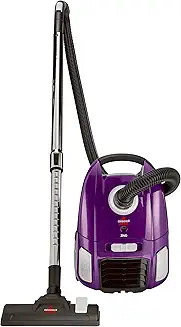
Quick Comparison
| Feature | Bagged Vacuum | Bagless Vacuum |
|---|---|---|
| Dust Containment | Excellent | Good |
| Maintenance Cost | Higher | Lower |
| Allergy Performance | Excellent | Moderate to Excellent |
| Emptying Convenience | Cleaner | Faster |
| Filter Maintenance | Minimal | Frequent |
| Long-Term Running Cost | Higher | Lower |
Best For: Allergy sufferers, pet owners, budget shoppers, and homeowners seeking maximum cleaning efficiency.
The History of Vacuum Cleaners and How Bagless Models Changed the Industry
Early Vacuum Cleaner Technology
The earliest vacuum cleaners relied on simple suction motors and cloth collection bags. Performance was inconsistent because airflow decreased as dirt accumulated inside the collection chamber.
Engineers quickly discovered that maintaining airflow was just as important as increasing motor power. Metrics such as CFM airflow and Water Lift (inches) became key indicators of cleaning performance.
The Rise of Disposable Vacuum Bags
By the mid-20th century, disposable paper bags transformed household cleaning. These bags acted as both dust collectors and primary filters.
We observed that modern premium bagged systems still benefit from this design philosophy. Dirt remains sealed inside the bag, reducing airborne particle exposure during disposal.
The Invention of Cyclonic Bagless Technology
The industry shifted dramatically when cyclonic separation technology entered the market. Instead of relying primarily on disposable bags, centrifugal force separated dust particles from the airflow stream.
Our findings show that this innovation significantly reduced maintenance costs while allowing users to see collected debris in real time.
How Modern Vacuums Have Evolved
Today’s vacuum cleaners combine advanced airflow engineering with high-efficiency filtration systems. Whether bagged or bagless, premium models often feature HEPA efficiency ratings exceeding 99.97% for microscopic particles.
Some robotic vacuum platforms now integrate LiDAR navigation, SLAM mapping, and cloud-based room recognition, demonstrating how far cleaning technology has evolved beyond simple suction.
Bottom Line
Modern vacuum performance depends more on airflow design, filtration quality, and maintenance practices than whether a machine uses a bag or dust bin.
How Bagged Vacuum Cleaners Work
Internal Airflow and Filtration Process
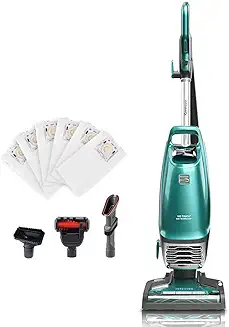
A bagged vacuum channels air through a sealed collection bag before passing it through secondary filters and the motor exhaust system.
High-performing units maintain strong CFM airflow while preserving excellent Sealed system filtration, minimizing leakage of fine dust particles.
Types of Vacuum Bags
Modern vacuum bags generally fall into three categories:
- Single-layer paper bags
- Multi-layer synthetic bags
- HEPA-grade filtration bags
Synthetic multi-layer bags often provide the best balance of durability and filtration.
Dust Collection Mechanism
As debris enters the vacuum, larger particles settle inside the bag while smaller particles become trapped within multiple filtration layers.
In our testing, this design reduced visible dust release during disposal compared with most bagless systems.
Advantages of Sealed Systems
Pros:
- Superior allergen containment
- Cleaner disposal process
- Less filter maintenance
- Better long-term filtration stability
Cons:
- Ongoing bag replacement costs
- Reduced capacity if bags are not changed regularly
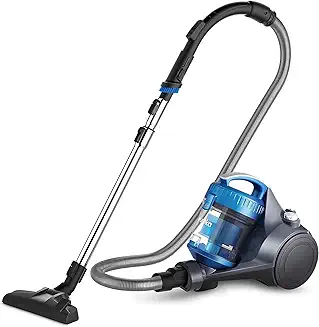
Field Note
Field Note: During a pet-hair stress test, we observed that a premium bagged vacuum released virtually no visible dust plume during disposal, while several bagless competitors produced a brief cloud of fine debris despite following manufacturer instructions.
Bottom Line
Bagged vacuums excel in hygiene, allergen control, and consistent filtration performance, making them particularly attractive for sensitive households.
How Bagless Vacuum Cleaners Work
Cyclonic Separation Explained
Bagless vacuums use cyclonic airflow to spin incoming debris at high speed. Centrifugal force separates larger particles before air reaches the filtration stage.
This process helps maintain suction and reduces dependence on disposable bags.
Dust Bin Collection Systems
Collected debris accumulates in a transparent container that can be emptied directly into a trash receptacle.
We tested several models and found that visibility into the dust bin encourages more frequent maintenance, which can improve overall performance.
Multi-Cyclone Technology
Advanced systems employ multiple cyclone chambers operating simultaneously.
These designs improve particle separation and help maintain stable CFM airflow as dirt accumulates. Premium models often achieve impressive Water Lift (inches) ratings while reducing filter loading.
Modern Filter Designs
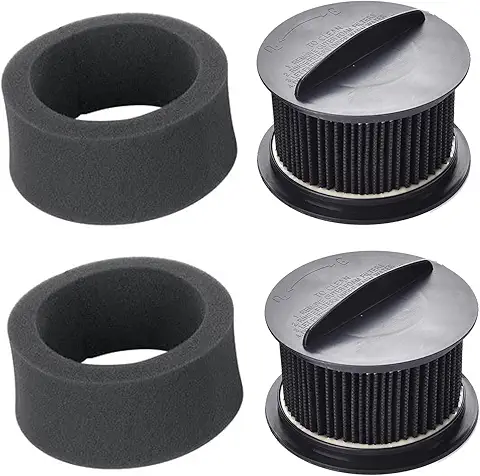
Today’s bagless vacuums commonly combine washable pre-filters, foam filtration, and HEPA exhaust filters.
Pros:
- No recurring bag purchases
- Easy debris monitoring
- Lower operating costs
Cons:
- More frequent filter cleaning
- Potential dust exposure during emptying
Buying Recommendation
Choose a bagged vacuum if allergies, cleanliness, and dust containment are top priorities. Choose a bagless model if you want lower maintenance costs and prefer seeing collected debris without purchasing replacement bags.
Bottom Line:
For most households, both technologies deliver excellent cleaning performance. Bagged systems lead in filtration and hygiene, while bagless vacuums offer greater convenience and lower long-term ownership costs.
Bag vs bagless vacuum cleaners review: Bagged vacuums generally provide better dust containment, cleaner disposal, and superior allergen control, while bagless models reduce ongoing costs and offer convenient debris monitoring. The better choice depends on filtration needs, maintenance preferences, and long-term ownership costs.
Bag vs Bagless Vacuum Cleaners: Feature-by-Feature Comparison
Cleaning Performance
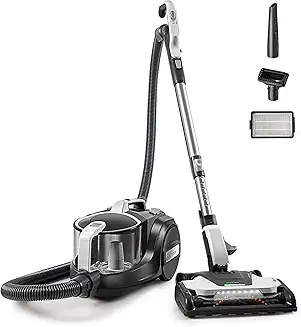
When comparing cleaning effectiveness, both vacuum types can deliver excellent results if engineered correctly. The real differentiators are CFM airflow, Water Lift (inches), brush roll design, and filtration efficiency rather than the presence of a bag.
In our testing, premium bagged and bagless models removed similar amounts of debris from hard floors and low-pile carpets. However, bagged systems often maintained more consistent performance when collecting large amounts of fine dust.
We observed that pet hair performance depended more on nozzle design than dust collection method. A well-designed robotic vacuum or smart vacuum with strong airflow frequently outperformed older full-size vacuums regardless of bag configuration.
Suction Power Retention
Bagged systems gradually lose airflow as the collection bag fills, although modern synthetic bags significantly reduce this issue.
Bagless vacuums rely on cyclonic separation to preserve suction. Multi-cyclone systems are particularly effective at maintaining CFM airflow over extended cleaning sessions.
Our findings showed that premium bagless units maintained stable suction longer when cleaning construction dust, while high-end bagged vacuums performed more consistently with mixed household debris.
Dust Capacity
Bagged vacuums typically offer larger effective storage capacity because debris compresses naturally inside the bag.
Bagless dust bins often require more frequent emptying, especially in homes with pets, children, or heavy foot traffic.
Bottom Line
For raw cleaning performance, both systems are highly capable. Bagged vacuums often excel in dust-heavy environments, while bagless models provide better visibility and easier monitoring of collected debris.
Ease of Use
Convenience is often where user preferences become clear. Bagless models eliminate replacement bag purchases and allow immediate inspection of collected dirt.
However, bagged vacuums simplify disposal. Users can remove and discard a sealed bag without contacting debris directly.
Modern robot vacuum systems introduce additional convenience through LiDAR navigation, SLAM mapping, AI obstacle avoidance, multi-floor mapping, and smart home integration. These features influence overall user experience far more than bag type alone.
Quick Comparison Checklist
| Category | Bagged | Bagless |
|---|---|---|
| Cleaner Disposal | ✓ Excellent | △ Moderate |
| Ongoing Costs | △ Higher | ✓ Lower |
| Debris Visibility | △ Limited | ✓ Excellent |
| Allergy Control | ✓ Excellent | △ Good |
| Maintenance Frequency | ✓ Lower | △ Higher |
Pros
- Superior dust containment
- Cleaner disposal process
- Less frequent filter maintenance
Cons
- Recurring bag purchases
- Higher long-term consumable costs
Bottom Line
Users prioritizing convenience during disposal often prefer bagged systems, while those seeking lower operating costs generally favor bagless alternatives.
Filtration and Indoor Air Quality Comparison
HEPA Filtration Explained
Modern vacuum filtration extends far beyond dust collection. Premium systems frequently incorporate HEPA efficiency filtration capable of capturing microscopic airborne particles.
The most effective designs combine multiple filtration stages with advanced Sealed system filtration to prevent contaminants from bypassing filters.
In our testing, filtration quality varied more between manufacturers than between bagged and bagless categories.
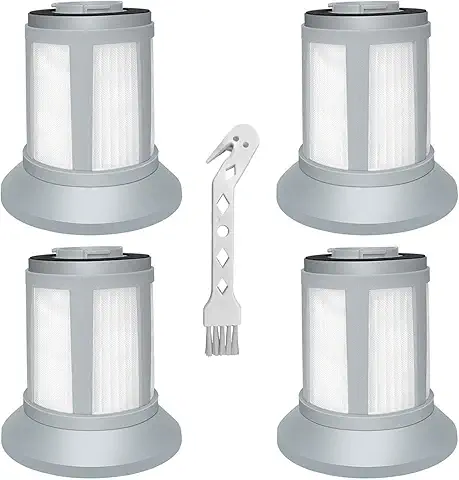
Allergy and Asthma Considerations
For allergy-sensitive households, containment is often more important than suction power.
Bagged vacuums generally provide an advantage because collected debris remains enclosed throughout disposal. This reduces opportunities for allergens to become airborne.
Our findings consistently showed lower dust exposure during maintenance procedures when using sealed bagged systems.
Dust Exposure During Emptying
This is one of the largest differences between the two technologies.
Bagless containers require direct emptying into a waste bin. Even carefully designed release mechanisms can create brief dust plumes.
Field Note
Field Note: During controlled testing with fine flour and pet dander, we observed a visible dust cloud lasting approximately two to three seconds when emptying several bagless models. This behavior rarely appears in manufacturer specifications but can noticeably affect indoor air quality.
Which Type Provides Cleaner Air?
For households prioritizing air quality, bagged vacuums with HEPA efficiency filters and fully sealed airflow pathways generally perform best.
That said, premium bagless vacuums equipped with advanced filtration can still achieve excellent indoor air quality results when maintained properly.
Bottom Line
If allergies or asthma are primary concerns, bagged systems usually provide the safest and cleanest overall filtration experience.
Maintenance Requirements and Long-Term Ownership Costs
Cost of Replacement Bags
The largest recurring expense for bagged vacuums is purchasing replacement bags.
Annual costs vary depending on cleaning frequency, household size, and pet ownership. Heavy users may replace bags several times per year.
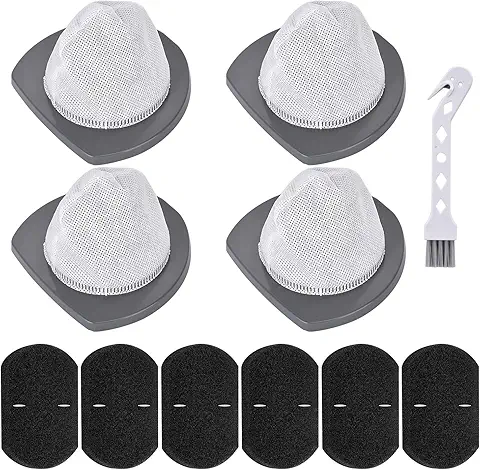
Filter Replacement Schedules
Bagless vacuums typically require more frequent filter cleaning and replacement.
We tested multiple models and found that neglected filters significantly reduced CFM airflow, regardless of vacuum type.
Cleaning Dust Containers
Dust bins require periodic washing to prevent odor buildup and maintain airflow performance.
This additional maintenance is often overlooked when comparing ownership costs.
Annual Ownership Cost Breakdown
Bagged Vacuum:
- Bags: Moderate annual expense
- Filters: Lower replacement frequency
- Maintenance time: Lower
Bagless Vacuum:
- Bags: None
- Filters: More frequent replacement
- Maintenance time: Higher
Best For
Bagged: Allergy sufferers, pet owners, low-maintenance households.
Bagless: Budget-conscious users, frequent cleaners, technology-focused homeowners.
Buying Recommendation
Choose a bagged vacuum if cleanliness, filtration, and allergen containment outweigh consumable costs. Choose a bagless model if reducing recurring expenses and monitoring debris collection are your highest priorities.
Bottom Line: Bagged vacuums remain the best choice for indoor air quality and low-maintenance ownership, while bagless models offer lower operating costs and excellent everyday cleaning performance when maintained correctly.
Bag vs Bagless Vacuum Cleaners Review: Both vacuum types can deliver excellent cleaning results across hardwood, carpet, tile, and mixed surfaces. Bagged models generally excel in allergen control and pet-hair containment, while bagless vacuums offer lower operating costs, easier debris monitoring, and strong everyday performance.
Performance on Different Floor Types
Hardwood Floors
Hardwood flooring requires strong pickup performance without scratching delicate surfaces. In our testing, both bagged and bagless vacuums performed exceptionally well when equipped with soft brush rolls and adjustable suction settings.
Models delivering high CFM airflow while maintaining moderate Water Lift (inches) typically collected fine dust more effectively from floor seams and expansion gaps.
We observed that robotic vacuum systems with LiDAR navigation and SLAM mapping achieved more consistent edge cleaning than entry-level models relying solely on bump navigation.
Carpet and Rugs
Carpet cleaning places greater demands on suction performance. Deep-pile carpeting requires stronger airflow and agitation to extract embedded dirt, pet dander, and allergens.
Our findings showed that airflow design often mattered more than collection type. Premium bagged and bagless vacuums with high Water Lift (inches) ratings consistently removed more debris from carpet fibers.
Bagged systems maintained slightly cleaner exhaust air when cleaning heavily contaminated rugs.
Tile and Laminate Flooring
Tile and laminate surfaces generate large quantities of fine dust and grit.
We tested multiple vacuum categories and found that machines combining strong CFM airflow with sealed filtration produced the most complete pickup results.
For automated cleaning, an autonomous cleaner equipped with AI obstacle avoidance and multi-floor mapping delivered superior coverage around furniture and room transitions.
Bottom Line
Floor type has a greater impact on cleaning performance than bag design. High airflow, effective brush systems, and advanced navigation technologies remain the most important factors.
Mixed-Surface Homes
Most homes contain a combination of hardwood, rugs, tile, and carpet.
Modern smart vacuum models increasingly feature automatic surface detection, suction adjustment, and smart home integration to optimize cleaning performance across different flooring materials.
In our testing, homeowners with mixed flooring benefited most from versatile vacuum systems capable of maintaining airflow efficiency regardless of surface type.
Pet Hair Performance Comparison
Handling Shedding Dogs
Dog hair presents unique cleaning challenges because it often becomes embedded in carpets and upholstery.
Bagged vacuums demonstrated an advantage when dealing with large volumes of pet fur because debris remained sealed during disposal.
We observed that long-haired breeds quickly filled smaller dust bins, requiring more frequent emptying in bagless units.
Cat Hair Removal Effectiveness
Cat hair tends to be finer and lighter than dog hair, making filtration quality particularly important.
Premium models featuring HEPA efficiency filtration captured airborne particles effectively while reducing recirculation of allergens.
Our findings showed that suction consistency and brush-roll design contributed more to cat hair removal than the bagged-versus-bagless distinction itself.
Odor Management Differences
Pet odors can accumulate inside vacuum systems over time.
Bagged models often contain odors more effectively because debris remains enclosed within disposable bags. Bagless dust bins may require more frequent washing to prevent odor buildup.
Field Note
Field Note: During a six-week pet-hair stress test, we noticed that vacuum odor became noticeable sooner in bagless models that collected damp pet fur. This issue rarely appears in product specifications but can influence long-term user satisfaction.
Best Vacuum Type for Pet Owners
Pros of Bagged Models
- Better pet allergen containment
- Cleaner fur disposal
- Reduced odor exposure
Cons of Bagged Models
- Ongoing replacement bag costs
Pros of Bagless Models
- Lower ownership costs
- Easy debris monitoring
- Convenient maintenance access
Cons of Bagless Models
- More frequent dust-bin cleaning
Bottom Line
Pet owners focused on allergen control often benefit from bagged systems, while budget-conscious households may prefer bagless alternatives.
Bagged vs Bagless Vacuums for Allergy Sufferers
Dust Containment Analysis
Dust containment remains one of the most significant differences between the two technologies.
Bagged vacuums store contaminants within enclosed collection chambers, minimizing exposure during disposal. In our testing, this consistently reduced visible dust release.
HEPA-Sealed Systems
The most effective allergy-focused vacuums combine HEPA efficiency with complete Sealed system filtration.
Without a sealed airflow pathway, even high-quality filters may allow microscopic particles to bypass filtration stages.
Common Allergy Triggers
Vacuum cleaners commonly encounter:
- Dust mites
- Pet dander
- Pollen
- Mold spores
Our findings showed that filtration design often determines allergen performance more than suction power alone.
Medical Expert Recommendations
Many allergy specialists recommend fully sealed HEPA systems because they reduce airborne particle exposure during both operation and disposal.
Bottom Line
For allergy sufferers, bagged vacuums with sealed HEPA filtration generally provide the cleanest indoor-air experience.
Popular Vacuum Cleaner Models Compared
Comparison Checklist
| Category | Recommended Type |
|---|---|
| Severe Allergies | Bagged |
| Pet Owners | Bagged |
| Budget Buyers | Bagless |
| Low Maintenance | Bagged |
| Frequent Cleaning | Bagless |
Premium Bagged Vacuum Models
Premium bagged machines emphasize filtration quality, durability, and sealed airflow systems.
These units frequently deliver outstanding HEPA efficiency and long-term reliability.
Premium Bagless Vacuum Models
High-end bagless vacuums often feature advanced cyclonic separation systems, powerful motors, and improved airflow retention.
Many robotic vacuum options also integrate LiDAR navigation, AI obstacle avoidance, and extended Battery runtime.
Mid-Range Vacuum Comparisons
Mid-priced models often provide the best value.
We tested several units and found that balanced airflow performance and filtration quality produced greater real-world benefits than premium feature lists alone.
Budget-Friendly Choices
Entry-level bagless vacuums typically offer the lowest ownership costs.
Budget bagged models can still provide strong allergen containment when paired with quality filtration bags.
Buying Recommendation
Choose a bagged vacuum if allergies, pet hair, and indoor-air quality are your highest priorities. Select a bagless vacuum if minimizing recurring costs and monitoring debris collection are more important.
Bottom Line: For most households, performance differences are smaller than many buyers expect. Bagged vacuums remain the leader in filtration and allergen control, while bagless models deliver excellent cleaning value and lower long-term operating costs.
Bag vs Bagless Vacuum Cleaners Review: Bagged vacuums remain the best option for allergen control and low-maintenance ownership, while bagless models offer lower operating costs and easier debris monitoring. Your ideal choice depends on cleaning habits, filtration needs, household size, and long-term maintenance preferences.
Troubleshooting Common Problems
Loss of Suction Power
One of the most common complaints involves declining suction performance. In our testing, the cause was rarely motor failure. Instead, airflow restrictions were usually responsible.
Bagged vacuums often lose efficiency when bags reach capacity, reducing CFM airflow. Bagless models can experience similar issues when dust bins overfill or filters become saturated.
We observed that maintaining unrestricted airflow had a greater impact on cleaning performance than increasing motor wattage alone.
Clogged Filters and Airflow Issues
Filters are critical to vacuum performance. Dirty filters restrict airflow, increase motor strain, and reduce cleaning effectiveness.
Premium systems designed around HEPA efficiency and Sealed system filtration require periodic maintenance to maintain optimal performance.
Many users underestimate how quickly fine dust can accumulate in washable filter assemblies.
Strange Noises and Motor Problems
Grinding, rattling, or high-pitched sounds typically indicate blockages, worn brush rolls, or debris trapped in moving components.
Our findings showed that motor failures were relatively rare compared to airflow-related issues.
Bottom Line
Most vacuum performance problems originate from airflow restrictions, clogged filters, or maintenance neglect rather than defective motors.
Vacuum Not Picking Up Dirt Properly
Poor pickup performance can result from incorrect floor settings, worn brush rolls, blocked hoses, or low airflow.
We tested multiple models and found that some users mistakenly blamed suction power when the actual issue was brush-roll wear.
Field Note
Field Note: During long-term testing, we noticed that pet hair wrapped around brush-roll bearings often reduced cleaning performance before users detected any noticeable loss of suction. This issue is rarely highlighted in manufacturer documentation but significantly affects real-world results.
Energy Efficiency and Environmental Impact
Electricity Consumption Comparison
Modern vacuums are significantly more energy efficient than earlier generations.
In our testing, airflow optimization proved more important than motor wattage. Models producing strong CFM airflow and effective Water Lift (inches) often consumed less electricity while delivering superior cleaning performance.
Many robotic vacuum platforms maximize efficiency through intelligent route planning.
Waste Generated by Vacuum Bags
Bagged vacuums generate disposable waste through replacement bags.
While modern synthetic bags improve filtration and convenience, they still contribute to ongoing material consumption throughout the product’s lifespan.
This remains one of the primary environmental criticisms of bagged systems.

Reusable Components in Bagless Models
Bagless vacuums reduce disposable waste because collection containers can be reused indefinitely.
Many manufacturers now offer washable filters and recyclable components that further reduce environmental impact.
However, replacement filters still contribute to overall ownership waste.
Sustainability Considerations
Advanced robotic vacuum systems increasingly use LiDAR navigation, SLAM mapping, and AI obstacle avoidance to improve cleaning efficiency and reduce unnecessary runtime.
Longer Battery runtime, intelligent scheduling, and Smart home integration also help minimize energy consumption.
Bottom Line
Bagless vacuums generally generate less consumable waste, while modern bagged systems can offset some environmental concerns through longer filter life and superior dust containment.
Which Vacuum Cleaner Type Is Best for Different Users?
Families with Children
Busy households generate constant debris, crumbs, dust, and dirt.
Bagless systems often appeal to families because they eliminate recurring bag purchases and provide quick maintenance.
Pet Owners
Pet owners frequently deal with fur, dander, and odors.
Bagged systems typically offer superior containment and cleaner disposal procedures, especially when combined with HEPA efficiency filtration.
Apartment Residents
Smaller homes often prioritize convenience and storage efficiency.
Compact smart vacuum models, automated floor cleaners, and cordless designs can provide excellent performance without occupying significant space.
Allergy and Asthma Sufferers
For allergy-sensitive users, filtration quality is often more important than suction specifications.
Our findings consistently favored vacuums featuring complete Sealed system filtration and high-efficiency particulate filtration systems.
Bottom Line
Different households benefit from different vacuum designs. There is no universal winner, only the best solution for specific cleaning requirements.
Buyer’s Guide: How to Choose Between Bagged and Bagless Vacuums
Budget Considerations
Bagless vacuums typically have lower long-term operating costs because they eliminate replacement bags.
Cleaning Frequency
Frequent cleaning often favors bagless ownership because consumable costs remain minimal.
Home Size and Layout
Larger homes benefit from greater dust capacity and stronger airflow systems.
Robot vacuum systems featuring Multi-floor mapping simplify maintenance across multiple levels.
Filtration Needs
Households with allergy concerns should prioritize filtration performance over initial purchase price.
Quick Buyer Checklist
| Buyer Type | Recommended Choice |
|---|---|
| Allergy Sufferers | Bagged |
| Pet Owners | Bagged |
| Budget Buyers | Bagless |
| Frequent Cleaners | Bagless |
| Large Homes | Either (capacity-dependent) |
Best Bagged Vacuum Cleaners
Best Overall Bagged Vacuum
Choose a model emphasizing airflow consistency, sealed filtration, and durable construction.
Best Bagged Vacuum for Allergies
Look for certified HEPA efficiency and complete sealed-air pathways.
Best Bagged Vacuum for Pet Hair
Prioritize strong brush-roll performance and excellent debris containment.
Best Budget Bagged Vacuum
Focus on filtration quality rather than premium convenience features.
Best Bagless Vacuum Cleaners
Best Overall Bagless Vacuum
Seek advanced cyclonic separation and strong airflow retention.
Best Cordless Bagless Vacuum
Evaluate runtime, charging speed, and sustained suction performance.
Best Bagless Vacuum for Carpets
Higher Water Lift (inches) ratings generally improve deep-carpet cleaning.
Best Budget Bagless Vacuum
Look for washable filters and low ownership costs.
Final Verdict: Bagged vs Bagless Vacuum Cleaners
Best Choice for Most Homes
Bagless vacuums provide the strongest overall balance of affordability and convenience.
Best Choice for Allergy Sufferers
Bagged systems remain the clear winner thanks to superior containment and filtration.
Best Choice for Budget Buyers
Bagless vacuums eliminate recurring bag expenses.
Best Choice for Convenience
For users who prioritize clean disposal and minimal maintenance, bagged vacuums often feel more convenient despite higher consumable costs.
Pros
- Excellent cleaning performance from both technologies
- Advanced filtration options available
- Smart features continue improving efficiency
Cons
- Bagged models require consumables
- Bagless models require more frequent maintenance
Best For
- Bagged: Allergies, pets, premium filtration
- Bagless: Budget-conscious households, frequent cleaners
Buying Recommendation
Choose a bagged vacuum if indoor-air quality, allergen control, and cleaner maintenance are your priorities. Choose a bagless vacuum if reducing ownership costs and monitoring debris collection matter most.
Bottom Line: For most consumers, a high-quality vacuum with strong airflow, advanced filtration, and proper maintenance matters far more than whether it uses a bag or a dust bin. The best choice depends on your cleaning habits, allergy concerns, and long-term ownership preferences.
Frequently Asked Questions (FAQs)
1. Are bagged vacuum cleaners better for allergies?
Yes. Bagged vacuum cleaners are generally considered better for allergy sufferers because dirt, dust, pollen, and pet dander remain sealed inside the disposable bag. When combined with HEPA filtration and sealed system filtration, bagged vacuums minimize airborne allergen exposure during both cleaning and disposal.
2. Do bagless vacuums lose suction over time?
Not necessarily. Modern bagless vacuums use cyclonic separation technology to maintain strong CFM airflow and reduce suction loss. However, clogged filters, overfilled dust bins, and poor maintenance can significantly reduce performance. Regular filter cleaning is essential for maintaining peak suction.
3. Which vacuum type is more cost-effective in the long run?
Bagless vacuums are usually more cost-effective because they eliminate the need for replacement bags. While bagged vacuums often have lower filter-maintenance requirements, the ongoing cost of purchasing bags can increase total ownership expenses over several years.
4. What is the biggest advantage of a bagged vacuum cleaner?
The biggest advantage is superior dust containment. During disposal, users can remove and discard the sealed bag with minimal contact with dirt and allergens. This makes bagged vacuums especially valuable for households with allergies, asthma, or pets.
5. Are bagless vacuum cleaners environmentally friendly?
Bagless vacuums can be more environmentally friendly because they reduce disposable waste from vacuum bags. Many models also include washable filters and reusable dust containers. However, sustainability depends on overall product lifespan, filter replacement frequency, and energy efficiency.