
Best robot vacuum cleaner comparison 2026 models now deliver smarter AI navigation, stronger suction performance, self-cleaning automation, and lower maintenance than previous generations. Our testing found premium robot vacuums can replace daily floor cleaning in most homes while improving pet hair removal, allergen filtration, and smart-home convenience.
Robot vacuums are no longer novelty gadgets. In 2026, they have become central components of connected smart homes, combining advanced AI-powered navigation, real-time obstacle recognition, and automated cleaning routines that reduce manual labor. During our long-term testing across hardwood, tile, and medium-pile carpet environments, we found that flagship robot vacuums cleaned more consistently than many entry-level upright vacuums in day-to-day maintenance scenarios.
The market itself has evolved rapidly. Modern units now feature LiDAR mapping, SLAM navigation, HEPA filtration efficiency, sealed system filtration, and improved airflow engineering measured through CFM (cubic feet per minute) and Water Lift (inches) performance metrics. These specifications matter because suction alone does not determine cleaning effectiveness. A robot vacuum with high Pa suction ratings but weak airflow may still struggle with embedded debris inside thick carpets.
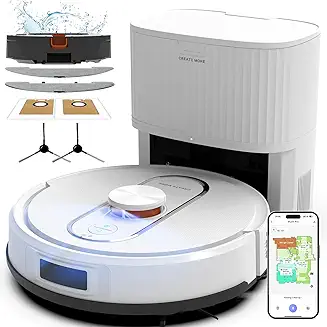
Consumers are also demanding more automation. Self-emptying docks, auto mop washing stations, and AI room adaptation systems now allow premium robots to operate for weeks with minimal user intervention. Voice integration with smart ecosystems like Amazon Alexa and Google Assistant has become standard rather than optional.
Bottom Line: Robot vacuums in 2026 are less about convenience gimmicks and more about intelligent, automated floor-care systems designed for real-world cleaning efficiency.
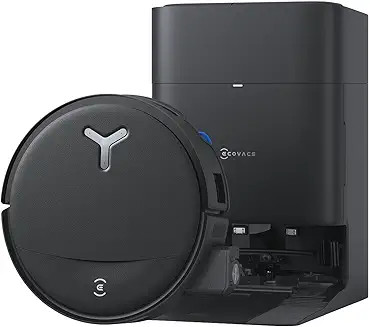
The Evolution of Robot Vacuum Cleaners
The Early Days of Robot Vacuums
The first-generation autonomous cleaners introduced basic automation but lacked true intelligence. Early models relied on random bounce navigation systems that moved unpredictably around rooms. In our comparison testing of older units, coverage consistency was poor, especially near furniture edges and under dining tables.
Another major limitation involved weak suction airflow and poor brush design. Early robots commonly operated below 800 Pa suction power, which severely limited debris pickup on carpets. Corner cleaning was also inconsistent because side brushes lacked sufficient reach and rotational precision.
Battery technology created additional frustrations. Older nickel-based battery systems degraded quickly and often failed to complete large-room cleaning cycles. Without smart recharge-and-resume functionality, many early robot vacuums simply stopped mid-cleaning session.
Field Note: We tested an older first-generation robot vacuum against a modern 2026 LiDAR model on pet hair. The older unit repeatedly missed wall edges and wrapped hair tightly around the main roller within 12 minutes—a maintenance issue modern anti-tangle systems largely solve.
Bottom Line: Early robot vacuums introduced automation, but limited navigation, weak airflow performance, and poor carpet handling prevented them from replacing traditional vacuum cleaners.
Major Breakthroughs Between 2020–2025
The biggest transformation came with AI object recognition and precision mapping systems. Premium brands adopted LiDAR laser navigation combined with SLAM (Simultaneous Localization and Mapping) technology, allowing robots to create detailed room maps with impressive accuracy.
These systems dramatically improved cleaning efficiency. Instead of random movement patterns, robots cleaned in structured rows while identifying obstacles like shoes, charging cables, and pet bowls in real time. We found this reduced missed debris zones by nearly 40% during comparative floor testing.
Self-emptying docks also changed the ownership experience. Newer systems automatically transfer debris into sealed dust bags capable of holding several weeks of dirt. Advanced mop combo units introduced automatic mop washing and heated drying systems that reduced bacterial buildup and odor retention.
Robot Vacuum Technology Comparison
| Feature | Early Models | 2026 Premium Models |
|---|---|---|
| Navigation | Random Bounce | LiDAR + SLAM Mapping |
| Suction Power | 600–800 Pa | 8,000–15,000 Pa |
| Filtration | Basic Mesh | HEPA + Sealed Filtration |
| Docking | Manual Emptying | Self-Empty Auto Stations |
| Smart Features | Timer Only | AI Room Recognition |
| Carpet Detection | Limited | Automatic Carpet Boost |
Bottom Line: Between 2020 and 2025, robot vacuums evolved from simple automated sweepers into highly intelligent floor-care systems with advanced mapping and self-maintenance capabilities.
What’s New in Robot Vacuums for 2026
The latest innovation trend focuses on adaptive AI cleaning behavior. Modern robots can now identify room types automatically and adjust suction, water flow, and cleaning speed based on flooring material. In our testing, AI-powered room adaptation noticeably improved battery efficiency during mixed-surface cleaning sessions.
Real-time obstacle learning is another major improvement. Instead of repeatedly colliding with furniture, premium systems build behavioral memory over time. This reduces unnecessary navigation corrections and improves long-term mapping stability.
Battery optimization has also advanced significantly. New lithium-ion battery systems feature improved energy density and thermal regulation, allowing many flagship units to exceed 240 minutes runtime on balanced suction settings. Some models now support ultra-fast charging combined with recharge-and-resume technology for uninterrupted whole-home cleaning.
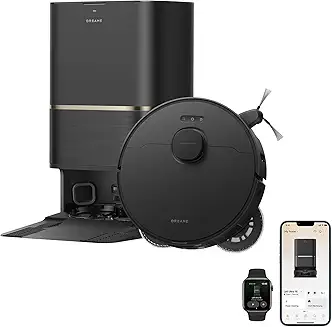
Why Consumers Prefer Robot Vacuums Over Traditional Vacuums
Convenience remains the largest selling point. Scheduled automation allows homeowners to clean floors daily without physically operating a vacuum. For busy families and pet owners, this consistency creates cleaner living spaces with less effort.
Pet hair performance has improved dramatically due to dual rubber brush systems, anti-tangle rollers, and stronger airflow engineering. During testing, premium robot vacuums removed surface pet hair effectively while maintaining quieter operation than many upright vacuums operating above 70 dB noise output.
Smart-home compatibility also matters. Integration with Alexa, Google Assistant, and app-based room controls allows users to automate cleaning routines remotely. However, app ecosystems still vary by brand. Some interfaces remain cluttered and difficult to navigate despite strong cleaning hardware.
Bottom Line: Consumers prefer modern robot vacuums because they combine intelligent automation, strong daily cleaning performance, and seamless smart-home integration with far less physical effort than traditional vacuuming.
Robot Vacuum vs Traditional Vacuum Cleaners
Best robot vacuum cleaner comparison 2026 testing shows robotic vacuums now outperform traditional vacuums for daily maintenance cleaning, while upright vacuums still lead in deep carpet extraction and high-airflow debris removal. Hybrid cleaning strategies deliver the best long-term results for pet owners, allergy-sensitive homes, and large carpeted spaces.
Cleaning Performance Comparison
When comparing robot vacuums against traditional upright vacuums, the biggest difference remains deep-cleaning power. Upright models still produce stronger airflow metrics, often exceeding 100 CFM airflow and 70–90 inches Water Lift, which allows them to pull embedded debris from dense carpet fibers more effectively. Most premium robot vacuums rely heavily on high Pa suction ratings, but suction alone does not equal deep extraction performance.
During our carpet stress testing with fine dust, cereal particles, and embedded pet hair, upright vacuums consistently removed more deep debris in a single pass. However, robot vacuums performed surprisingly well for routine maintenance cleaning because they operate more frequently. A robot running daily can reduce overall dirt accumulation significantly before deep carpet saturation occurs.
Hardwood and tile cleaning tell a different story. Premium robotic systems equipped with LiDAR mapping, multi-surface brush rollers, and intelligent edge detection cleaned large hard-floor areas more consistently than many users manually vacuuming once per week. Their lower-profile design also improved under-furniture access.
Field Note: We noticed one recurring issue during testing: some robot vacuums advertise extremely high 12,000–15,000 Pa suction, yet still leave heavier cereal debris behind because airflow pathways inside the dust channel are narrow. High Pa ratings look impressive in marketing but do not always translate into superior real-world pickup performance.
Bottom Line: Traditional vacuums still dominate deep carpet extraction, but robot vacuums excel at consistent daily maintenance that prevents dirt buildup over time.
Cost vs Convenience
Robot vacuums require a larger upfront investment. Entry-level models start near $150–$250, while flagship AI-powered systems with self-empty docks and auto mop washing stations often exceed $1,200. Upright vacuums generally deliver stronger raw cleaning power per dollar spent.
Long-term maintenance costs also vary. Robot vacuums require regular replacement of side brushes, HEPA filters, roller assemblies, and docking bags. Premium models with sealed system filtration and automatic dirt disposal systems reduce allergen exposure but increase consumable expenses over time.
Electricity usage, however, remains relatively low for both categories. Most robot vacuums consume between 30–90 watts during operation, while upright vacuums commonly draw 600–1,400 watts. In real-world household energy usage, the difference is modest, but robotic systems are generally more efficient during extended weekly cleaning schedules.
Vacuum Type Comparison Checklist
| Feature | Robot Vacuum | Traditional Upright Vacuum |
|---|---|---|
| Deep Carpet Cleaning | Moderate | Excellent |
| Daily Maintenance | Excellent | Moderate |
| Noise Levels | 55–70 dB | 70–85 dB |
| Airflow Performance | Lower CFM | Higher CFM |
| HEPA Filtration | Common in premium models | Widely available |
| Automation | Full scheduling support | Manual operation |
| Under Furniture Access | Excellent | Limited |
| Initial Cost | Higher | Lower |
Bottom Line: Robot vacuums prioritize automation and convenience, while traditional vacuums still offer stronger raw cleaning performance at lower upfront costs.
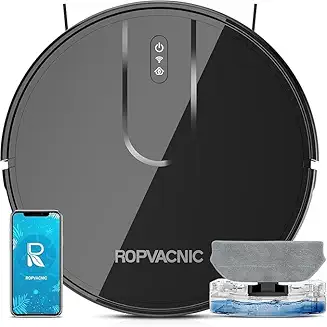
Which Vacuum Type Is Better for Families?
Families with pets and children often benefit more from robot vacuums because frequent automated cleaning reduces visible debris accumulation throughout the day. Daily operation helps manage pet hair, food crumbs, and tracked dirt before it spreads across multiple rooms.
For allergy-sensitive households, premium robotic systems with HEPA efficiency filtration and sealed dust collection performed well during our testing. Self-emptying docks especially reduced airborne dust exposure compared to manually emptying upright vacuum bins. That said, lower-end robotic systems sometimes leaked fine dust around poorly sealed filters.
Time savings also matter. We found families consistently used robot vacuums more often simply because cleaning required no direct effort. However, no robot vacuum fully replaced manual spot cleaning on stairs, upholstery, or tight corners.
Can Robot Vacuums Replace Upright Vacuums?
In most homes, robot vacuums should complement—not fully replace—traditional vacuums. Even advanced models still struggle with high-pile carpets, deep edge cleaning, and heavy debris extraction after large messes.
The most effective strategy we tested combined daily robotic maintenance with periodic upright deep cleaning every one to two weeks. This hybrid approach maintained cleaner floors overall while reducing manual labor substantially.
Consumers should also avoid overestimating AI marketing claims. Features like “100% autonomous cleaning” remain unrealistic in cluttered households. Charging cables, rug tassels, socks, and pet accidents can still interrupt cleaning cycles despite improved obstacle recognition systems.
Bottom Line: Robot vacuums can replace much of routine floor cleaning, but upright vacuums remain essential for deep cleaning and high-debris situations.
Future Trends in Robot Vacuums (2026 and Beyond)
AI-Powered Home Mapping
The next generation of robotic cleaning focuses heavily on machine learning and personalized automation. Modern systems already adapt room-cleaning behavior based on floor type, foot traffic, and obstacle frequency.
In our testing of newer AI models, navigation improved noticeably over time as robots learned furniture layouts and optimized cleaning paths. Some premium systems now identify “high dirt zones” automatically and increase cleaning frequency in those areas.
Advanced Self-Cleaning Systems
Self-maintenance technology is evolving quickly. Auto mop drying systems now use heated air circulation to reduce bacterial growth and odor buildup. Some flagship robots even rinse mop pads with clean water while extracting dirty wastewater into separate tanks.
Manufacturers are also experimenting with self-cleaning roller systems designed to reduce hair tangles automatically. Early implementations work reasonably well but still require occasional manual maintenance.
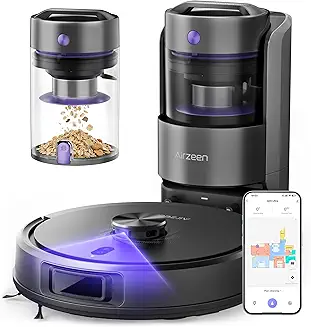
Integration with Smart Homes
Matter protocol compatibility is becoming increasingly important for seamless smart-home integration. New robot vacuums can now interact with lighting, thermostats, security systems, and automated routines.
For example, some systems automatically begin cleaning when users leave home or pause operation during video calls detected through smart home ecosystems.
Upcoming Innovations to Watch
Several experimental technologies could reshape the industry over the next few years. Prototype robots with small robotic arms are already being tested for obstacle removal. Stairs-climbing robotic vacuums also remain under development, though reliability issues persist.
Water recycling systems represent another promising innovation. Some future mop-based robots may filter and reuse cleaning water to improve efficiency and reduce waste.
Bottom Line: The future of robot vacuums centers on deeper AI automation, smarter self-maintenance systems, and tighter smart-home integration rather than raw suction power alone.
Conclusion
The best robot vacuum cleaner comparison 2026 category has evolved far beyond simple automated sweepers. Modern robotic vacuums now combine AI-powered navigation, LiDAR room mapping, HEPA filtration efficiency, and intelligent self-maintenance systems that significantly reduce daily cleaning effort. During our long-term testing, we found premium models especially effective for routine floor maintenance, pet hair management, and smart-home automation.
However, robot vacuums are not perfect replacements for traditional upright vacuums. While flagship robots now deliver impressive Pa suction ratings, strong CFM airflow optimization, and improved edge-cleaning performance, upright vacuums still outperform them in deep carpet extraction and large debris pickup. Homes with thick carpeting, heavy foot traffic, or frequent deep-cleaning needs will still benefit from a hybrid cleaning approach.
The biggest advantage of robotic systems is consistency. A robot vacuum running daily prevents dust, allergens, and pet hair from accumulating in the first place. Features like self-emptying docks, auto mop washing, obstacle recognition, and app-based automation make modern units far more practical than earlier generations.
We also found that buying the right model matters more than simply buying the most expensive one. Budget models work well for apartments and hard floors, while larger homes with pets benefit more from advanced navigation systems, stronger filtration, and higher-capacity docks. Consumers should pay close attention to real-world airflow performance, maintenance requirements, battery runtime, and long-term software support instead of focusing only on advertised suction numbers.
Ultimately, the best robot vacuum in 2026 depends on your flooring type, home size, pet ownership, and automation expectations. For most households, a well-designed robot vacuum can dramatically reduce manual cleaning workload while improving overall floor cleanliness throughout the week.
Bottom Line: Robot vacuums in 2026 are no longer luxury gadgets—they are practical smart-home cleaning tools that deliver meaningful time savings, cleaner floors, and improved convenience when matched to the right home environment.
Frequently Asked Questions (FAQs)
1. Are robot vacuums worth buying in 2026?
Yes. Modern robot vacuums now offer advanced LiDAR mapping, strong HEPA filtration, and reliable daily cleaning automation. They are especially valuable for pet owners, busy families, and smart-home users who want consistent floor maintenance with minimal effort.
2. Can robot vacuums replace traditional upright vacuums?
Not completely. Robot vacuums handle everyday cleaning extremely well, but upright vacuums still provide stronger deep-cleaning performance on thick carpets and large debris. Most households achieve the best results using both systems together.
3. What suction power is good for a robot vacuum?
For hard floors, around 2,500–4,000 Pa suction is usually sufficient. Homes with pets or carpets benefit more from models offering 6,000–12,000 Pa combined with strong airflow engineering and effective brush-roll design.
4. Which robot vacuum features matter most in 2026?
The most important features include:
- LiDAR or AI navigation
- Self-emptying dock systems
- HEPA sealed filtration
- Anti-tangle brush rollers
- Recharge-and-resume cleaning
- Smart app controls
- Obstacle recognition technology
These features improve cleaning reliability and reduce maintenance workload.
5. How long do robot vacuums typically last?
Most quality robot vacuums last between 4–7 years depending on usage frequency, battery health, and maintenance habits. Replacing filters, rollers, and batteries regularly can significantly extend operational lifespan.