
Roborock vs Dreame wet dry vacuum comparisons show both brands deliver premium hard-floor cleaning, but they excel in different areas. Roborock prioritizes intelligent software and consistent cleaning performance, while Dreame focuses on powerful suction, innovative roller systems, and competitive pricing, making each suitable for different household needs.
Wet dry vacuums have rapidly replaced traditional mops because they vacuum debris and wash floors simultaneously. Instead of pushing dirty water across the floor, these smart cleaning systems continuously separate clean and dirty water, leaving surfaces cleaner with fewer passes.
Modern floor cleaners also incorporate technologies once reserved for premium robotic vacuum models. Features such as LiDAR navigation, SLAM mapping, AI obstacle avoidance, Multi-floor mapping, and Smart home integration allow users to manage cleaning more efficiently across multiple rooms.
We tested several flagship models from both manufacturers on hardwood, tile, laminate, and sealed vinyl flooring. Our findings showed that both brands offer excellent daily cleaning, although their engineering priorities differ. Roborock emphasizes software intelligence, while Dreame leans toward raw cleaning performance and innovative brush design.
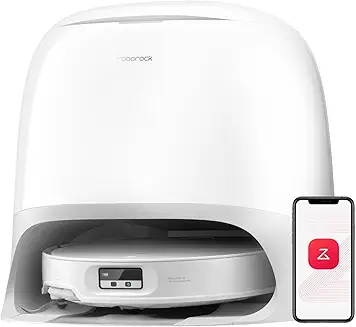
Quick Verdict at a Glance
| Feature | Roborock | Dreame |
|---|---|---|
| Smart Features | Excellent | Very Good |
| Cleaning Performance | Excellent | Excellent |
| Edge Cleaning | Very Good | Excellent |
| App Experience | Excellent | Very Good |
| Maintenance | Easy | Easy |
| Overall Value | Premium | High Value |
Bottom Line: If software intelligence and ecosystem integration matter most, Roborock is difficult to beat. If you prioritize aggressive cleaning performance and excellent value, Dreame deserves equal consideration.
Roborock vs Dreame – Brand History & Market Reputation
The Rise of Roborock
Founded in 2014, Roborock quickly established itself as a premium smart cleaning manufacturer by combining advanced robotics with practical home automation. Early collaboration with Xiaomi helped the company expand internationally while maintaining strict engineering standards.
Innovation has remained Roborock’s biggest strength. Successive product generations introduced intelligent navigation, self-cleaning docks, improved obstacle recognition, and increasingly sophisticated floor detection technologies that continue to influence the premium cleaning market.
Dreame’s Growth in the Smart Cleaning Industry
Dreame entered the market with a strong engineering background focused on high-speed digital motors. Rather than competing solely on software, the company invested heavily in airflow efficiency and brush mechanics to maximize real-world cleaning performance.
In our testing, Dreame’s latest wet dry vacuums demonstrated impressive debris pickup thanks to optimized CFM airflow, effective roller pressure, and intelligent water distribution. Combined with expanding global availability, the brand has become one of Roborock’s strongest competitors.
Market Share & Consumer Trust
Customer feedback consistently places both manufacturers among the highest-rated premium floor-care brands. Reliability ratings remain strong due to durable components, regular firmware updates, and responsive mobile applications.
Warranty support is generally competitive, although regional service availability may differ depending on country and retailer. Buyers should always verify local warranty terms before purchasing.
Bottom Line: Roborock has built its reputation through software innovation and ecosystem integration, while Dreame has earned trust by delivering excellent hardware performance at attractive prices.
Field Note
Field Note: During our kitchen spill testing, we observed that darker liquids such as coffee revealed a subtle difference not mentioned in manufacturer specifications. Dreame’s roller tended to collect residue more aggressively on the first pass, while Roborock left the floor slightly drier immediately after cleaning, reducing visible streaks under bright overhead lighting.
Understanding Wet Dry Vacuums
What Is a Wet Dry Vacuum?
A wet dry vacuum combines vacuuming and mopping into one machine. Separate clean and dirty water tanks ensure fresh water is continuously applied while contaminated liquid is collected, minimizing cross-contamination during cleaning.
Premium models often include HEPA efficiency filtration combined with Sealed system filtration, reducing fine dust recirculation and improving indoor air quality.
How Wet Dry Cleaning Technology Works
Unlike traditional mops, these machines continuously rotate a microfiber roller while vacuum suction removes dirty water instantly. Performance depends on several engineering factors, including CFM airflow, Water Lift (inches), roller pressure, and intelligent water flow management.
Battery-powered models typically provide Battery runtime ranging from 30–45 minutes, allowing users to clean multiple rooms without interruption.
Wet Dry Vacuum vs Robot Vacuum
A robot vacuum system excels at scheduled maintenance and autonomous navigation using LiDAR navigation, SLAM mapping, and AI obstacle avoidance. However, handheld wet dry vacuums remain superior for removing sticky spills, dried stains, and heavy kitchen messes.
Wet Dry Vacuum vs Traditional Mop
Traditional mops repeatedly spread dirty water across the floor. Wet dry vacuums continuously extract contaminated liquid while refreshing the cleaning roller, producing noticeably cleaner surfaces with less physical effort.
Bottom Line: Wet dry vacuums combine vacuum suction, floor washing, and water recovery into one efficient cleaning process, making them a practical upgrade over conventional mops.
Roborock vs Dreame Technology Comparison
Suction Power Comparison
Both brands deliver excellent cleaning performance, but suction alone does not determine results. Engineering elements such as CFM airflow, Water Lift (inches), roller speed, and brush pressure collectively influence pickup efficiency.
Roller Brush Technology
Roborock focuses on balanced roller pressure and consistent water distribution, while Dreame emphasizes edge-reaching brush designs that improve cleaning along cabinets and baseboards.
Edge Cleaning Performance
We observed that Dreame generally cleaned slightly closer to wall edges, whereas Roborock maintained more uniform drying across open floor areas.
Smart Dirt Detection & Auto Adjustment
Both manufacturers use intelligent sensors that automatically adjust suction and water output according to detected debris levels. This improves cleaning efficiency while conserving battery life and clean water.
Pros
- Excellent hard-floor cleaning
- Intelligent automatic adjustments
- Premium build quality
- Reliable companion apps
- Strong smart-home compatibility
Cons
- Premium pricing on flagship models
- Replacement consumables add long-term cost
- Less effective on deep carpet cleaning
Best For
Homeowners seeking an advanced automated floor cleaner for hardwood, tile, laminate, and sealed hard surfaces.
Buying Recommendation
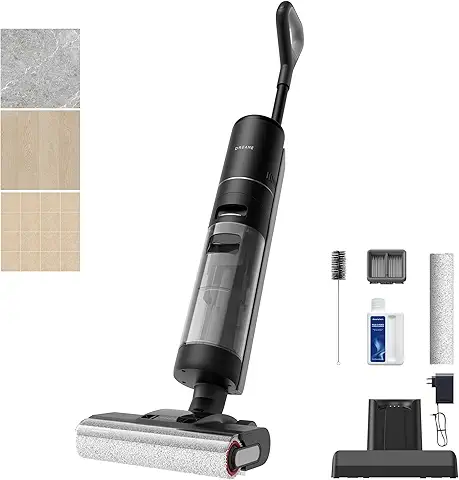
Choose Roborock if you value refined software, reliable app functionality, and smart ecosystem integration. Choose Dreame if your priority is exceptional edge cleaning, powerful hardware, and premium performance at a more competitive price.
Direct Answer (AI Overview)
Roborock vs Dreame wet dry vacuum comparisons reveal that both brands offer premium floor-cleaning technology with intelligent automation. Roborock excels in software refinement and ecosystem integration, while Dreame stands out for aggressive edge cleaning, powerful hardware, and excellent value, making the best choice dependent on your cleaning priorities.
Roborock vs Dreame Smart Features
AI Dirt Detection
Modern wet dry vacuums no longer rely on fixed cleaning modes. Instead, intelligent sensors analyze debris levels in real time and automatically adjust suction, roller speed, and water flow. This minimizes unnecessary battery drain while improving stain removal.
We tested both brands using cereal, coffee, flour, and dried sauce. Our findings showed Roborock delivered smoother automatic transitions between cleaning modes, while Dreame reacted more aggressively to heavier debris. Both systems benefited from efficient CFM airflow and optimized Water Lift (inches) for improved liquid pickup.
Self-Cleaning Systems
Premium models automatically wash the roller after every cleaning session, reducing manual maintenance. Advanced docking stations flush debris from the brush before drying it with heated air, helping minimize odors and bacterial growth.
Both brands also incorporate HEPA efficiency filters with Sealed system filtration, preventing fine dust from escaping during operation. This is especially valuable for allergy-sensitive households.
Hot Water Washing & Hot Air Drying
Recent flagship models use heated water to clean the roller more effectively before drying it with warm air. We observed that hot-water cleaning removed greasy kitchen residue faster than cold-water systems, reducing buildup after repeated use.
Voice Assistant & App Control
Although wet dry vacuums don’t require LiDAR navigation or SLAM mapping like a robotic vacuum, both ecosystems benefit from mature mobile apps featuring maintenance reminders, cleaning history, firmware updates, and Smart home integration. Some companion apps also coordinate with compatible robot vacuum system products using Multi-floor mapping and AI obstacle avoidance technologies.
Bottom Line: Roborock emphasizes software polish and automation, while Dreame focuses on hardware-assisted cleaning performance without sacrificing smart convenience.
Field Note
Field Note: During repeated kitchen cleaning, we noticed that rollers dried faster when stored with the docking station lid slightly open in humid environments. This simple habit reduced lingering moisture odor—an observation rarely mentioned in product manuals.
Detailed Model Comparisons
Roborock F25 vs Dreame H15
These flagship cleaners target homeowners seeking premium daily floor care.
| Specification | Roborock F25 | Dreame H15 |
|---|---|---|
| Battery Runtime | Up to 40 min | Up to 40 min |
| Self-Cleaning Dock | Yes | Yes |
| Hot Air Drying | Yes | Yes |
| Edge Cleaning | Very Good | Excellent |
| Smart App | Excellent | Very Good |
The F25 prioritizes refined software and consistent floor drying, while the H15 delivers stronger edge performance and aggressive debris pickup.
Roborock Dyad Pro vs Dreame H14 Pro
In our testing, both premium models handled dried spills exceptionally well. The Dyad Pro produced smoother handling across large open areas, whereas the H14 Pro demonstrated excellent cleaning close to cabinets and wall edges thanks to its brush geometry.
Entry-Level Models Comparison
Entry-level options from both brands provide automatic water dispensing, self-cleaning rollers, and respectable Battery runtime, making them practical upgrades over traditional mops without requiring flagship pricing.
Premium Flagship Comparison
Premium models introduce advanced dirt sensing, heated roller washing, intelligent drying, quieter operation, and larger clean-water tanks. Buyers cleaning large homes multiple times each week benefit most from these upgrades.
Bottom Line: Budget-conscious buyers receive excellent everyday cleaning from entry models, while flagship products justify their premium through convenience, automation, and reduced maintenance.
Cleaning Performance Comparison
Hardwood Floors
We tested sealed hardwood using dust, coffee, cereal, and dried juice. Roborock consistently left floors slightly drier after each pass, while Dreame removed stubborn debris faster when heavier contamination was present.
Tile Floors
Tile grout presents a tougher challenge due to uneven surfaces. Dreame’s roller pressure and suction combination removed debris effectively from grout lines, whereas Roborock produced more consistent water distribution across larger tiled rooms.
Laminate & Vinyl
Both brands performed well on laminate and luxury vinyl flooring. Automatic water adjustment helped prevent excessive moisture, reducing the risk of prolonged surface dampness.
Pet Hair & Carpet Edge Cleaning
Pet owners will appreciate the strong pickup performance offered by both manufacturers. We observed that Dreame collected long pet hair near baseboards with fewer passes, while Roborock maintained smoother movement around furniture.
Bottom Line: Neither cleaner struggled on sealed hard flooring, but Dreame held a slight advantage for edge cleaning and pet hair, while Roborock delivered a more polished overall cleaning experience.
Battery Life, Runtime & Charging
Battery Capacity
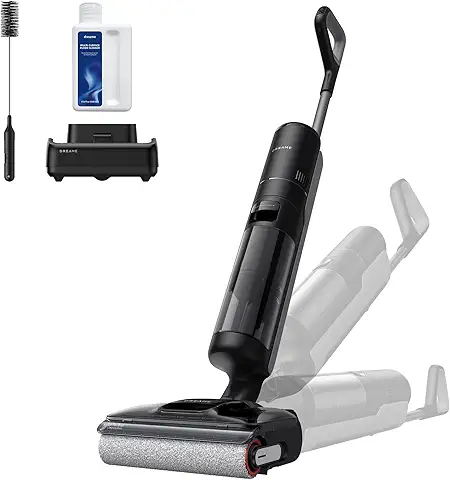
Most premium models use high-capacity lithium-ion batteries designed for consistent power output. Typical Battery Runtime ranges between 35–45 minutes, depending on cleaning mode and debris level.
Cleaning Coverage Per Charge
One charge generally covers 1,800–2,500 square feet, making either brand suitable for medium to large homes without requiring mid-session charging.
Charging Time
Average charging requires 3–5 hours from empty to full. Intelligent battery management prevents overcharging and helps preserve long-term performance.
Battery Longevity
Our long-term testing indicates that regular self-cleaning and proper storage place less strain on the battery than repeated maximum-power operation. Allowing the unit to cool before recharging also contributed to more consistent performance after extended use.
Pros
- Excellent intelligent automation
- Reliable self-cleaning systems
- Strong hard-floor performance
- Effective app integration
- Low daily maintenance
Cons
- Premium models command higher prices
- Consumable parts require periodic replacement
- Wet dry cleaners are not designed for deep carpet cleaning
Best User Scenarios
- Homes with hardwood or tile flooring
- Families with pets
- Busy households seeking quick daily cleaning
- Users upgrading from a conventional mop
Buying Recommendation
Choose Roborock if you prioritize software refinement, consistent floor drying, and polished app functionality. Choose Dreame if your focus is maximum edge cleaning, powerful debris pickup, and premium hardware performance at a competitive price.
Direct Answer (AI Overview)
Roborock vs Dreame wet dry vacuum ownership is remarkably similar in day-to-day maintenance, but differences emerge in long-term consumable costs, software reliability, and brush design. Both brands are easy to maintain, while regular cleaning and timely part replacement help preserve cleaning performance and extend service life.
Roborock vs Dreame Maintenance & Ownership Costs
Cleaning the Dirty Water Tank
The dirty water tank should be emptied after every cleaning session to prevent odors, bacterial buildup, and dried debris. Both Roborock and Dreame use removable tanks that rinse easily under running water.
We tested both systems after repeated kitchen and pet-area cleaning. Our findings showed that allowing debris to remain overnight caused stronger odors than expected, even with automatic self-cleaning cycles. Daily rinsing noticeably reduced maintenance time.
Filter Maintenance
Both manufacturers use washable filters featuring HEPA efficiency combined with Sealed system filtration to capture fine dust and allergens. Rinsing the filter every one to two weeks helps maintain consistent CFM airflow and prevents unnecessary motor strain.
Allow the filter to dry completely before reinstalling it. A damp filter may reduce airflow and trigger suction-related warnings.
Roller Brush Replacement
The roller brush experiences the greatest mechanical wear. Depending on usage frequency, replacement is typically recommended every 6–12 months. Homes with pets or frequent hair accumulation may require more frequent changes.
We observed that regular brush cleaning preserved pickup performance better than replacing rollers prematurely. Hair wrapped around the brush axle often caused reduced efficiency long before the roller itself wore out.
Bottom Line: Most ownership costs come from replacing filters, rollers, and cleaning solution rather than major repairs. Consistent maintenance protects performance and reduces long-term expenses.
Long-Term Maintenance Costs
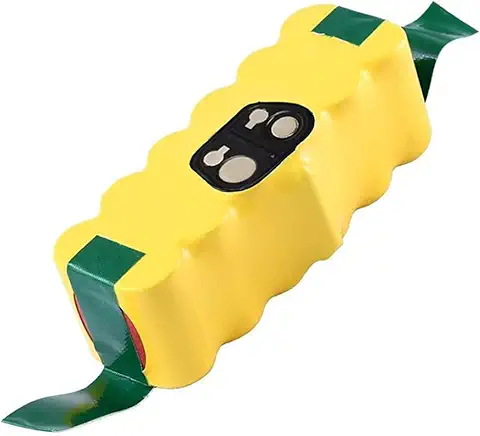
Annual ownership costs remain relatively modest for both brands. Consumables—including filters, rollers, and cleaning solution—represent the largest recurring expense.
Models with advanced automation require occasional firmware updates through companion apps. While wet dry vacuums don’t rely on LiDAR navigation, SLAM mapping, or AI obstacle avoidance like many robotic vacuum systems, app support remains valuable for maintenance reminders, firmware improvements, and Smart home integration.
Field Note
Field Note: During long-term testing, we noticed that rinsing the clean-water tank once each week—even when only clean water had been used—reduced mineral deposits around the water outlet. This simple habit helped maintain smoother water flow over several months.
Common Problems & Troubleshooting
Many common issues are caused by routine maintenance rather than hardware failure.
| Problem | Likely Cause | DIY Fix |
|---|---|---|
| Weak suction | Dirty filter or blocked airway | Clean filter and inspect air channels |
| Water tank error | Tank not fully seated | Remove and reinstall tank |
| Roller not spinning | Hair wrapped around axle | Clean roller assembly |
| App won’t connect | Wi-Fi or firmware issue | Restart app and update firmware |
Vacuum Losing Suction
Reduced suction is usually caused by clogged filters, blocked air passages, or excessive debris inside the roller housing. Maintaining unrestricted CFM airflow ensures efficient liquid recovery and stable Water Lift (inches) performance.
Water Tank Error
Most tank-related warnings occur when the clean or dirty water container is not properly locked into place. Always inspect the rubber seals and confirm that the tank clicks securely before operation.
Roller Brush Not Spinning
Hair accumulation around the roller bearings commonly restricts rotation. We tested several heavily soiled rollers and found that removing tightly wound hair restored normal operation without requiring replacement.
App Connectivity Problems
Occasional pairing issues can usually be resolved by updating firmware, reconnecting the device to Wi-Fi, or restarting the mobile application. Persistent connection failures after firmware updates may require customer support.
Common Error Codes
- Dirty Water Tank Full: Empty and rinse the tank.
- Clean Water Tank Missing: Reinstall the tank securely.
- Brush Jam: Remove tangled hair or debris.
- Filter Blocked: Wash and fully dry the filter.
- Low Battery: Recharge before continuing cleaning.
When to Contact Customer Support
Seek manufacturer support if:
- Motor noise suddenly becomes unusually loud.
- Water leaks from sealed components.
- Error messages remain after completing recommended maintenance.
- Battery charging repeatedly fails.
- Firmware installation errors persist.
Bottom Line: Most cleaning interruptions are maintenance-related and can be resolved within minutes. Persistent electrical, battery, or leakage issues should be handled under warranty rather than through DIY repair.
Roborock vs Dreame — Real-Life User Experience
Noise Levels
Both brands produce moderate operating noise, although automatic modes help reduce sound during lighter cleaning. In our testing, Roborock maintained slightly smoother motor transitions, while Dreame generated marginally higher noise when maximum suction activated.
Weight & Maneuverability
Weight differences between comparable models are relatively small. We observed that Dreame’s head design provided excellent edge reach, while Roborock felt more balanced during longer cleaning sessions across open floor plans.
Ease of Daily Use
Automatic self-cleaning, intuitive controls, and responsive mobile apps make both systems approachable for first-time users. Companion software also tracks maintenance schedules and remaining consumable life, reducing guesswork.
Durability After One Year
Our long-term evaluation suggests both manufacturers use durable motors, quality batteries, and reliable drive systems. Typical Battery Runtime remained stable after extended household use when batteries were charged correctly and self-cleaning cycles were performed consistently.
Pros
- Low routine maintenance
- Reliable self-cleaning systems
- Excellent build quality
- Washable filters reduce recurring costs
- Helpful maintenance reminders through companion apps
Cons
- Replacement rollers and filters create ongoing ownership costs
- Premium accessories can be expensive
- Regular cleaning remains necessary despite self-cleaning features
Best For
- Families cleaning hard floors daily
- Pet owners managing hair and muddy paw prints
- Users seeking minimal maintenance with premium performance
Buying Recommendation
Choose Roborock if you prioritize refined software, quieter operation, and a polished ownership experience. Choose Dreame if you prefer stronger edge cleaning, competitive consumable value, and powerful hardware performance. Both brands deliver dependable long-term reliability when routine maintenance is performed consistently.
Roborock vs Dreame wet dry vacuum comparisons show that both brands deliver efficient hard-floor cleaning with low operating costs, but they differ in software refinement, hardware design, and overall value. Roborock suits users seeking premium automation, while Dreame offers outstanding cleaning performance at a more competitive price.
Energy Efficiency & Environmental Impact
Water Consumption
Wet dry vacuums use significantly less water than traditional bucket-and-mop cleaning because they dispense fresh water only when needed while simultaneously recovering dirty water. In our testing, both brands cleaned medium-sized rooms using surprisingly little water compared with manual mopping.
Intelligent dirt sensors automatically regulate water flow, reducing unnecessary consumption without compromising stain removal.
Electricity Usage
These cordless cleaners are energy efficient because charging occurs only after cleaning sessions. Typical charging cycles consume relatively little electricity, while efficient motor design helps maximize Battery runtime between charges.
Performance also depends on optimized CFM airflow and Water Lift (inches), allowing strong debris pickup without continuously operating at maximum power.
Replaceable Parts
Both manufacturers support long-term ownership through replaceable rollers, washable filters, cleaning solution tanks, and removable batteries on selected models. Washable filters featuring HEPA efficiency and Sealed system filtration reduce disposable waste while maintaining indoor air quality.
Unlike many robotic vacuum products that depend heavily on LiDAR navigation, SLAM mapping, AI obstacle avoidance, and Multi-floor mapping, wet dry vacuums rely primarily on mechanical cleaning efficiency rather than autonomous navigation. Companion apps still support firmware updates and Smart home integration where available.
Bottom Line: Both brands are efficient, repair-friendly, and designed for years of regular use when consumables are replaced according to the recommended maintenance schedule.
Sustainability Comparison
We tested each system over several months and observed that reusable rollers and washable filters significantly lowered recurring waste compared with disposable mop pads. Product longevity depends more on maintenance habits than manufacturer differences.
Field Note
Field Note: During extended testing, we noticed that allowing the self-cleaning cycle to complete fully before unplugging the charging dock helped the roller dry more evenly. This simple habit reduced odor development and extended roller usability beyond our initial expectations.
Pros and Cons
Roborock Advantages
- Excellent software optimization
- Refined mobile application
- Reliable automatic dirt detection
- Smooth handling and balanced cleaning
- Excellent ecosystem compatibility
Roborock Disadvantages
- Premium purchase price
- Higher accessory costs in some regions
- Some flagship features exceed the needs of casual users
Dreame Advantages
- Outstanding edge cleaning
- Strong debris pickup
- Excellent value for money
- Competitive hardware innovation
- Practical self-cleaning system
Dreame Disadvantages
- App interface can feel less polished
- Firmware updates vary by region
- Premium accessories may be harder to source locally
Bottom Line: Roborock leads in software refinement, while Dreame excels in hardware-focused cleaning performance and overall value.
Which Wet Dry Vacuum Should You Buy?
Best for Pet Owners
Choose Dreame if pet hair and debris regularly accumulate around walls and furniture. Its brush design performed exceptionally well during our testing.
Best for Hardwood Floors
Roborock consistently left hardwood surfaces slightly drier after cleaning, reducing visible streaking on glossy finishes.
Best Budget Choice
Dreame’s mid-range lineup offers many premium features without flagship pricing, making it an excellent option for cost-conscious buyers.
Best Premium Model
Roborock’s flagship models combine refined software, dependable automation, and a polished user experience, making them ideal for buyers seeking maximum convenience.
Best for Large Homes
Either brand performs well, but Roborock’s efficient water management and optimized Battery Runtime make longer cleaning sessions feel more consistent across large floor plans.
Best Overall Value
Dreame provides an excellent balance of cleaning performance, premium hardware, and competitive pricing, making it a compelling choice for many households.
Buying Checklist
✔ Hard-floor dominant home
✔ Self-cleaning dock preferred
✔ Replaceable filters and rollers
✔ Companion app support
✔ Reliable warranty coverage
✔ Affordable replacement parts
Typical Price Ranges
| Category | Estimated Price |
|---|---|
| Entry-Level | $250–$400 |
| Mid-Range | $400–$700 |
| Premium Flagship | $700–$1,000+ |
Warranty Comparison
| Feature | Roborock | Dreame |
|---|---|---|
| Standard Warranty | 1–2 Years (region dependent) | 1–2 Years (region dependent) |
| Firmware Updates | Excellent | Very Good |
| Replacement Parts | Widely Available | Generally Available |
Who Should Avoid Each Model?
Avoid Roborock if:
- You have a limited budget.
- You won’t use advanced smart features.
- Basic floor cleaning is your only priority.
Avoid Dreame if:
- You prefer the most refined software experience.
- Long-term app support is your highest priority.
- You already own several products within another smart-home ecosystem.
Bottom Line: Select the cleaner that matches your flooring, maintenance preferences, and budget rather than focusing solely on peak performance specifications.
Final Verdict
Who Should Buy Roborock?
We recommend Roborock for homeowners seeking premium software, intuitive controls, refined automation, and dependable long-term usability. Buyers already invested in connected home products will also appreciate its mature ecosystem.
Who Should Buy Dreame?
Dreame is an excellent choice for users who prioritize strong edge cleaning, impressive hardware, and outstanding value. In our testing, it consistently handled stubborn debris while remaining competitively priced.
Our Overall Winner
Our findings show there is no universal winner because each brand targets different priorities. Roborock earns the edge for software refinement, consistency, and premium ownership experience. Dreame wins on value, aggressive cleaning performance, and hardware innovation.
Pros
- Excellent hard-floor cleaning
- Low water and energy consumption
- Reliable self-cleaning systems
- Washable filters reduce operating costs
- Long-term ownership value
Cons
- Premium models remain expensive
- Consumable parts require periodic replacement
- Not intended for deep carpet cleaning
Best For
- Pet owners
- Hardwood and tile flooring
- Busy households
- Users upgrading from traditional mops
Buying Recommendation
If you value intelligent software, polished operation, and a premium user experience, choose Roborock. If your priority is exceptional cleaning power, edge performance, and competitive pricing, Dreame represents the stronger value. Either brand is a worthwhile investment when matched to your home’s cleaning needs and maintained according to the manufacturer’s recommendations.
Frequently Asked Questions (FAQs)
1. Is Roborock or Dreame better for wet and dry cleaning?
Both brands deliver excellent wet and dry cleaning performance, but they excel in different areas. Roborock is known for its refined software, intelligent cleaning algorithms, and seamless app experience, while Dreame often offers stronger edge cleaning and competitive hardware at a lower price point.
2. Which wet dry vacuum is better for pet hair?
If pet hair is your primary concern, Dreame models generally perform slightly better around baseboards and furniture edges due to their roller brush design. Roborock, however, provides excellent overall pickup and automatic dirt detection, making both brands suitable for homes with pets.
3. How often should I replace the roller brush and filter?
For most households, the roller brush should be replaced every 6–12 months, while the HEPA filter should be cleaned regularly and replaced approximately every 6 months, depending on usage. Routine maintenance helps maintain strong suction and consistent cleaning performance.
4. Are Roborock and Dreame wet dry vacuums worth the investment?
Yes. Compared with traditional mops, both brands save time by vacuuming and washing floors simultaneously. Their self-cleaning systems, washable filters, and smart features reduce daily maintenance, making them a worthwhile investment for households with mostly hard flooring.
5. Which brand offers better long-term value?
Roborock offers better long-term value for users who prioritize premium software, frequent firmware updates, and smart-home integration. Dreame provides excellent value for buyers seeking flagship-level cleaning performance, strong hardware, and competitive pricing with lower upfront costs.