
How to Clean Bissell Vacuum Filter is an essential part of keeping your vacuum working efficiently and ensuring it lasts longer.
Over time, dust, dirt, pet hair, and other debris can build up on the filter, reducing suction power and making your vacuum less effective.
A clogged filter not only affects cleaning performance but can also put extra strain on the motor, leading to potential damage.
Regular filter maintenance helps maintain strong suction, improves air quality by trapping allergens, and prevents unpleasant odors from forming inside your vacuum.
Whether you have a bagless or bagged Bissell model, knowing the right way to clean the filter will keep your machine in top condition.
In this guide, we’ll walk you through the steps, tools, and tips to clean your Bissell vacuum filter properly, so you can enjoy a cleaner home and extend the life of your vacuum.
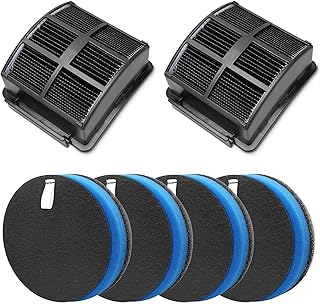
Why Cleaning Your Bissell Vacuum Filter Matters
The Filter’s Role in Your Bissell Vacuum’s Performance
The filter in your Bissell vacuum plays a critical role in keeping your home clean and your machine running smoothly. It acts as a barrier, trapping dust, dirt, pet hair, and tiny particles before they can escape back into the air.
When you know how to clean Bissell vacuum filter properly, you’re essentially helping the motor work more efficiently, which means better suction and longer-lasting performance.
Whether you own a Bissell upright, bagless, or pet vacuum, a clean filter ensures the airflow isn’t blocked, so every pass over your floor is more effective.
How a Dirty Filter Reduces Suction Power
Over time, dust and debris build up inside the filter fibers. This buildup restricts airflow, forcing your vacuum’s motor to work harder just to pick up the same amount of dirt.
If you’ve noticed your Bissell vacuum struggling to pull in crumbs or pet hair, the filter might be the reason. Regular maintenance—like learning how to clean a Bissell vacuum filter—helps keep suction at its peak.
This not only makes cleaning quicker but also reduces wear and tear on your machine, saving you from costly repairs.
The Impact on Indoor Air Quality
A clogged filter doesn’t just affect cleaning power—it can also compromise the air you breathe. Instead of trapping fine dust, pollen, and pet dander, a dirty filter may allow these particles to escape back into your home.
This is especially important for households with allergy sufferers or pets. By routinely cleaning your Bissell filter, you reduce allergens, improve indoor air quality, and create a healthier environment for everyone.
Hidden Costs of Neglecting Filter Maintenance
Skipping filter maintenance can lead to more than just poor cleaning results. A clogged filter puts extra strain on your vacuum’s motor, which can shorten its lifespan.
Over time, this means you may face expensive repairs or even have to replace the entire unit. Learning how to clean Bissell vacuum filter is a small step that can prevent big costs, while also keeping your vacuum performing like new for years.
Types of Bissell Vacuum Filters
Bissell vacuums use different types of filters, and knowing which one your machine has is the first step before you decide how to clean Bissell vacuum filter.
Each type works a little differently and requires its own care routine. Understanding the differences helps you avoid damage, improve suction, and keep your vacuum working at its best.
Washable Filters — Foam or Fabric for Easy Rinsing
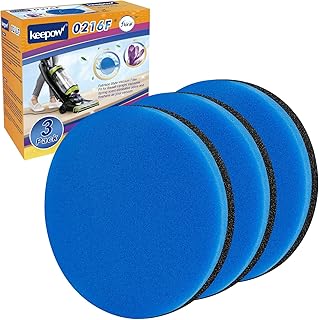
Many Bissell vacuum cleaners come with washable filters, often made from foam or soft fabric. These filters are designed to be rinsed under lukewarm water to remove dust, pet hair, and fine debris.
If you own a bagless Bissell model, there’s a good chance your filter falls into this category. The advantage of a washable filter is that you can clean and reuse it multiple times, saving money on replacements.
To get the most from it, make sure you rinse thoroughly, allow it to dry completely, and reinstall it properly.
HEPA Filters — Fine Particle Filtration
HEPA filters are designed to trap extremely fine particles, including allergens, pollen, and even microscopic dust mites.
Some HEPA filters in Bissell vacuums are washable, but others are not—so it’s important to check your user manual before cleaning.
If washable, follow the same process as a foam filter but handle gently to avoid damaging the delicate fibers.
If not washable, tap the filter lightly to release loose dust or replace it when it becomes too dirty. Regular attention to your HEPA filter keeps both suction power and indoor air quality high.
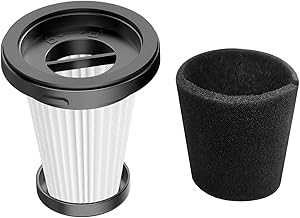
Disposable Filters — Replace Instead of Wash
Disposable Bissell filters are designed for one-time use and should not be rinsed or washed. They are often made from paper-like materials that lose efficiency if exposed to water.
When these filters become dirty or clogged, replacing them with a genuine Bissell part is the best way to restore your vacuum’s performance. Using the right replacement ensures a perfect fit and proper filtration.
How to Identify Which Type You Have
Before you decide how to clean Bissell vacuum filter, check your vacuum’s instruction manual or the label near the filter compartment. Look for details on whether the filter is washable, non-washable HEPA, or disposable.
If you’ve misplaced the manual, you can often find the model number online and search for the manufacturer’s cleaning guidelines.
Knowing your filter type prevents accidental damage and ensures you use the right maintenance method for your Bissell vacuum.
Step-by-Step Guide — How to Clean Bissell Vacuum Filter
Cleaning your Bissell vacuum filter doesn’t have to be complicated. By following a simple, step-by-step process, you can restore your vacuum’s suction power, extend its lifespan, and improve your home’s air quality.
Whether your filter is washable foam, fabric, or a washable HEPA, these steps will guide you through the process safely and effectively.
Step 1 Turn Off and Unplug the Vacuum
Before starting, always electric switch off your vacuum cleaner and unplug it from the wall outlet. This is an important safety step to prevent accidental start-ups while handling the filter.
Even if you’re confident with your machine, it’s best to treat cleaning like any other electrical maintenance task—safety first.
A good habit is to also remove any attachments or hoses to make the cleaning process more comfortable.
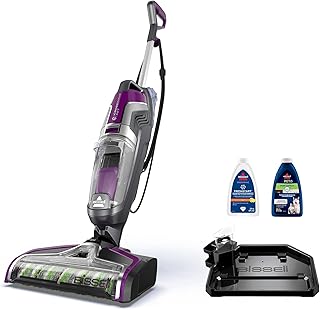
Step 2 — Locate and Remove the Filter
The location of the filter depends on your Bissell model. For most upright and bagless vacuums, the filter is under the dust bin or inside a dedicated filter compartment.
Check your user manual if you’re unsure. When removing the filter, handle it gently to avoid tearing foam or damaging delicate HEPA material.
Remember, before you can decide exactly how to clean Bissell vacuum filter, you need to identify its type—washable, non-washable HEPA, or disposable.
Step 3 — Shake Off Loose Dust (Outdoors if Possible)
Once the filter is out, give it a few gentle taps or shakes to remove loose debris. Doing this outside is best so dust doesn’t settle back into your home.
You can also use a soft brush to sweep away fine particles stuck to the surface. This quick step helps lighten the cleaning load before rinsing or washing.
Step 4 — Rinse Washable Filter Under Lukewarm Water
If your filter is washable, hold it under lukewarm running water and gently squeeze or swish it to release dirt trapped in the fibers. Avoid using hot water as it can warp foam, damage fabric, or weaken HEPA material.
Rotate the filter under the water stream to make sure all sides are cleaned evenly. If you own a bagless Bissell vacuum, this step alone can make a big difference in restoring suction power.
Step 5 — Use Mild Soap for Deep Cleaning
For filters with stubborn dirt or lingering odors, add a drop of mild dish soap to the water. Gently work the soap through the filter with your fingers, avoiding any harsh scrubbing that might damage the material.
Once the filter looks clean, rinse thoroughly until no soap remains—residual detergent can attract more dust once the filter is back in use. Knowing how to clean Bissell vacuum filter with soap safely ensures you keep both your filter and your vacuum in top condition.
Step 6 — Let the Filter Air Dry Completely
Moisture trapped inside a vacuum filter can lead to mold growth or damage your best branded vacuum cleaner motor. Always let your filter air dry completely before reinstalling it.
Place it in a well-ventilated spot for at least 24 hours—avoid dryers, heaters, or direct sunlight, as these can cause material damage. Patience at this stage is key to ensuring your filter works effectively for as long as possible.
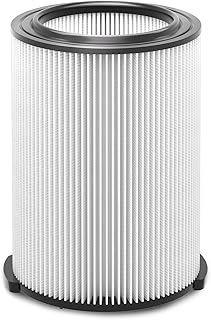
Step 7 — Reinstall the Filter Correctly
Once dry, place the filter back into its compartment, ensuring it’s seated correctly and securely. A poorly fitted filter can allow dust to bypass the filtration system, reducing suction and potentially harming the motor.
After reinstalling, give your vacuum a quick test run to confirm everything is working smoothly. By following this full process, you’ll not only know how to clean Bissell vacuum filter but also maintain its efficiency and protect your investment.
Common Mistakes to Avoid When Cleaning a Bissell Filter
Even if you know how to clean Bissell vacuum filter, a few missteps can reduce your vacuum’s performance or even damage the filter.
Avoiding these common mistakes will help your filter last longer and keep your Bissell vacuum running at peak efficiency.
Using Hot Water or Harsh Chemicals
Hot water may seem like it would clean better, but it can actually warp foam filters, weaken fabric fibers, and damage the structure of certain HEPA filters.
Harsh cleaners like bleach or strong detergents can also break down the filter material, reducing its ability to trap dust and allergens. Instead, always use lukewarm water and, if needed, a drop of mild dish soap for safe, effective cleaning.
Not Letting the Filter Dry Fully Before Reinstalling
Moisture inside the filter can lead to unpleasant odors, mold growth, and even motor damage.
After washing your Bissell vacuum filter, allow it to air dry completely—preferably for 24 hours—before putting it back in the vacuum. This ensures both safety and performance.
Washing Non-Washable Filters
Some Bissell filters, especially certain HEPA and disposable types, are not designed for rinsing.
Washing these can cause irreversible damage and reduce filtration efficiency. Always check your vacuum’s user manual to confirm whether your filter is washable before starting the cleaning process.
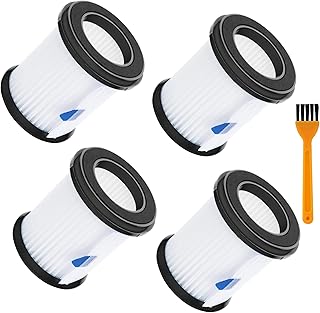
Forgetting to Clean the Filter Housing
Even with a freshly washed filter, dust and debris can remain in the filter compartment or housing.
If this area isn’t cleaned, the dirt can transfer back to the filter as soon as you reinstall it. A quick wipe-down with a dry cloth or a soft brush can help keep the entire filtration system clean.
When to Replace Your Bissell Vacuum Filter Instead of Cleaning It
While knowing how to clean Bissell vacuum filter is important, some situations call for a complete replacement rather than another wash.
Understanding when to swap your filter can help maintain strong suction and protect your vacuum’s motor.
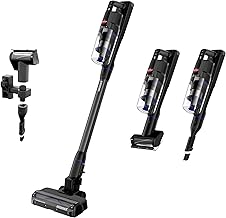
Lifespan of Washable Filters
Washable foam or fabric filters in Bissell vacuums typically last 6–12 months with regular care.
However, after many washes, the material may lose its shape or filtering ability. If your washable filter no longer feels sturdy or doesn’t fit snugly, it’s time to replace it.
Lifespan of Disposable Filters
Disposable filters, often made from paper-like materials, are designed for single use or short-term replacement.
Depending on usage, they usually need changing every 3–6 months. Washing these filters can damage them, so replacement is the only option.
Visible Signs of Wear or Damage
If your filter is torn, frayed, or has holes, it can no longer trap dust and allergens effectively. Even with regular cleaning, damaged filters should be replaced immediately to protect your vacuum and improve air quality.
Persistent Odors or Stains
Sometimes, even after washing, a filter can retain strong odors or visible discoloration. This is a sign that debris has penetrated deeply into the fibers, and replacement will restore proper filtration and freshness.
Importance of Genuine Bissell Replacements
Using authentic Bissell replacement filters ensures a perfect fit and proper performance. Generic or poorly made filters might not seal correctly, allowing dust to bypass the filter and damage the motor. Investing in genuine parts keeps your vacuum performing like new.
Conclusion
Regular filter care is one of the easiest ways to keep your vacuum performing at its best. By learning how to clean Bissell vacuum filter and making it part of your cleaning routine,
you’ll enjoy stronger suction, fresher indoor air, and a longer-lasting machine. A few minutes of maintenance can save you money on repairs and replacements while making every vacuuming session more effective.
FAQs
- How often should I clean my Bissell vacuum filter?
For most households, cleaning every 1–3 months is recommended. If you have pets, allergies, or vacuum frequently, you may need to clean your filter more often to maintain optimal performance.
- Can I use soap when cleaning my Bissell vacuum filter?
Yes, but only mild dish soap should be used, and only for washable filters. Avoid harsh chemicals, and always rinse thoroughly to remove all soap residue before drying.
- How do I know if my Bissell filter needs replacing instead of cleaning?
If the filter is torn, excessively worn, or still looks dirty after cleaning, it’s time to replace it. Using a damaged filter can reduce suction and allow dust to escape back into your home.