
How do I know if my central vacuum motor is bad is a common question many homeowners ask when their central vacuum not working properly starts showing unusual behavior.
One day the system works fine, and the next day there is weak airflow in the central vacuum, strange noises, or sudden shutdowns that leave you confused about what is actually wrong.
A central vacuum motor is the heart of the entire central vacuum unit. When it begins to fail, you may notice signs like loss of suction, a loud whining sound, or even a burning smell from the central vacuum power unit.
In some cases, the central vacuum shuts off randomly due to overheating, while in others, the central vacuum won’t turn on at all, making it hard to tell whether the issue is electrical or motor-related.
Many people assume the problem is just a clogged hose or a full dust canister, but central vacuum motor problems often feel similar to blockage issues at first.
A faulty central vacuum motor can also produce grinding noises, smell like burnt carbon brushes, or struggle to stay running as internal components like motor bearings or vacuum motor brushes wear out over time. These are early warning signs of central vacuum motor failure that should not be ignored.
Understanding the signs of a bad central vacuum motor can help you avoid complete motor damage, unexpected repair costs, and unnecessary replacement of parts that are still working fine. Whether your central vacuum lost suction gradually or stopped suddenly, knowing how to diagnose a failing central vacuum motor makes troubleshooting central vacuum issues much easier.
In this guide, we will break down the most common symptoms of a worn-out vacuum motor, explain how to rule out other issues like electrical connections or airflow blockages, and help you decide whether vacuum motor diagnostics, repair, or replacement is the right solution for your system.
What Does a Central Vacuum Motor Do?
Basic explanation in simple language
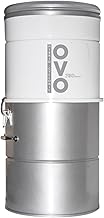
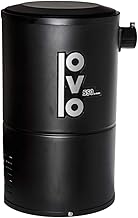
When people ask how do I know if my central vacuum motor is bad, it helps to first understand what the motor actually does. The central vacuum motor is the main component inside the central vacuum power unit that makes cleaning possible by pulling air through the system.
Without a working motor, the central vacuum unit cannot create airflow, which means dust, debris, and allergens stay where they are instead of being collected.
How the motor creates suction
The motor spins a fan at high speed, creating negative pressure inside the system. This pressure difference is what pulls dirt through the hose and pipes toward the dust canister.
If the best branded vacuum motor is worn out or damaged, the airflow becomes weak, which often leads people to think their central vacuum lost suction due to clogs when the real issue is central vacuum motor problems.
Difference between airflow problems and motor problems
Airflow problems usually come from hose obstructions, full canisters, or dirty filters. Motor problems feel deeper, such as weak airflow in the central vacuum even when everything is clean.
Knowing how do I know if my central vacuum motor is bad means recognizing when cleaning and maintenance no longer improve performance.
Why the motor is the heart of the system
The motor powers every function of the central vacuum. If it fails, the entire system stops working.
A faulty central vacuum motor affects suction strength, run time, and overall reliability, which is why early vacuum motor diagnostics are so important.
How Long Does a Central Vacuum Motor Usually Last?
Average lifespan in years and hours
Most central vacuum motors last between 10 to 20 years, depending on usage. In operating hours, this usually ranges from 1,500 to 2,000 hours.
If your system is approaching this range and you are wondering how do I know if my central vacuum motor is bad, age becomes an important clue.
Factors that affect motor life
Usage frequency plays a big role. Homes that vacuum daily put more strain on the vacuum motor than those with light use.
Maintenance habits matter just as much. Poor airflow, clogged filters, and ignored dust buildup increase the risk of central vacuum motor failure.
Filter and bag care directly affect motor health. Dirty filters force the motor to work harder, leading to overheating issues and shortened lifespan.
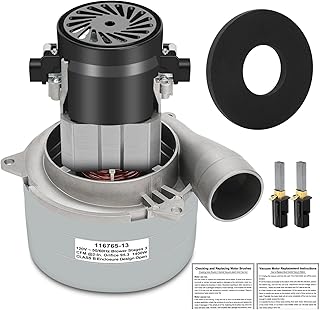
Overheating is one of the most common causes of motor damage. When heat builds up repeatedly, internal parts like motor bearings and vacuum motor brushes wear out faster.
Signs of normal aging vs sudden failure
Normal aging shows up as gradual suction loss or slightly louder operation. Sudden failure feels more dramatic, such as the central vacuum won’t turn on or shuts off without warning.
Understanding this difference helps answer how do I know if my central vacuum motor is bad before complete failure happens.
How Do I Know If My Central Vacuum Motor Is Bad?
Loss of Suction That Doesn’t Improve
When cleaning filters and checking for clogs does nothing, this is a strong sign of central vacuum motor problems.
Constant low suction usually means the motor fan or brushes are worn, reducing the system’s ability to move air.
Over time, suction loss can signal motor wear rather than airflow blockage, especially if the central vacuum not working properly becomes a repeated issue.
Unusual Loud or High-Pitched Noises
Grinding sounds often point to damaged motor bearings inside the vacuum motor.
Screeching or whining noises usually come from worn carbon brushes or an unbalanced motor fan.
These sounds are classic signs of a failing central vacuum motor and should not be ignored.
Central Vacuum Shuts Off Randomly
Most systems have thermal overload protection that shuts the motor down when it overheats.
If the central vacuum shuts off randomly and restarts after cooling, overheating motor issues are likely.
Repeated shutdowns often indicate serious internal motor damage rather than a simple electrical problem.
Burning or Electrical Smell
A burning rubber or plastic smell usually means internal components are overheating.
A carbon brush smell is different from a wiring smell, but both suggest a faulty central vacuum motor.
This is a major warning sign of central vacuum motor failure and should be addressed quickly.
Motor Starts but Stops Quickly
If the motor gets power but cannot keep running, internal components may be failing.
This behavior often points to worn brushes, damaged windings, or motor fan issues.
Many worn-out vacuum motors show this pattern shortly before full failure.
Central Vacuum Won’t Turn On at All
Before assuming motor failure, power and wiring should be checked.
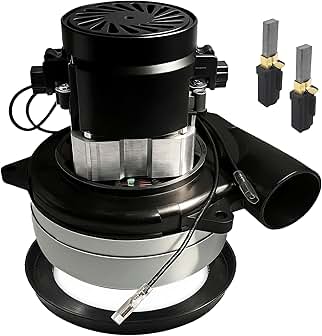
When there is no response even after electrical checks, it usually means the central vacuum motor is bad.
This is often the final stage of electrical motor failure.
How to Rule Out Other Problems Before Blaming the Motor
Check for Blockages in the System
Main pipe clogs can reduce airflow and mimic motor weakness.
Inlet valve blockages and hose obstructions are common and easy to miss.
If airflow improves after clearing blockages, the motor may still be healthy.
Inspect Filters and Dust Canister
An overfilled dust canister restricts airflow and stresses the vacuum motor.
Dirty filters cause the motor to work harder, leading to overheating and premature wear.
Simple cleaning can sometimes restore performance without motor replacement.
Test Electrical Connections
Low-voltage wiring issues can prevent the central vacuum unit from starting.
Relay switch problems may cause intermittent operation that feels like motor trouble.
Circuit board problems can also stop the system, even when the motor itself is fine.
Ruling these out makes it much easier to confidently answer how do I know if my central vacuum motor is bad.
Simple Tests to Check Central Vacuum Motor Health
Sound Test
If you are wondering how do I know if my central vacuum motor is bad, listening closely can tell you a lot. A healthy central vacuum motor usually sounds smooth and steady, without sharp or metallic noise.
Grinding, screeching, or high-pitched whining sounds often point to internal motor damage. These noises usually come from worn motor bearings or failing vacuum motor brushes and are common signs of a faulty central vacuum motor.
Heat Test
Another simple way to understand how do I know if my central vacuum motor is bad is by checking heat after use. After a normal cleaning session, the central vacuum power unit should feel warm but not extremely hot.
If the motor housing feels too hot to touch or the central vacuum shuts off randomly, overheating motor issues are likely. Dangerous heat usually signals airflow restriction or electrical motor failure inside the unit.
Smell Test
Smell is often an early warning sign of central vacuum motor problems. A slight dust smell can be normal, but strong odors are not.
A burning smell from the central vacuum, especially one that smells like rubber, plastic, or carbon brushes, often means the motor is wearing out. Catching these smells early helps prevent full central vacuum motor failure.
What Causes Central Vacuum Motors to Go Bad?
Long-term overheating
One of the most common reasons people ask how do I know if my central vacuum motor is bad is repeated overheating. When heat builds up over time, internal motor components weaken.
This damage slowly reduces suction and increases the risk of sudden motor shutdown.
Poor airflow maintenance
Poor airflow forces the motor to work harder than it should. Dirty filters, blocked hoses, or full dust canisters restrict air movement.
Over time, this strain leads to worn-out vacuum motor parts and reduced motor lifespan.
Running the vacuum without proper filtration
Using the system with missing or damaged filters allows dust to enter the motor housing.
This causes internal abrasion, damages motor bearings, and accelerates central vacuum motor failure.
Age and normal wear
Every motor has a lifespan. As the central vacuum unit ages, parts naturally wear down.
Gradual loss of suction, louder operation, and reduced efficiency are normal aging signs that help answer how do I know if my central vacuum motor is bad.
Electrical surges
Power surges can damage electrical connections inside the vacuum motor.
This type of damage often causes the central vacuum won’t turn on or leads to sudden motor failure without warning.
Can a Bad Central Vacuum Motor Be Repaired?
When motor brushes can be replaced
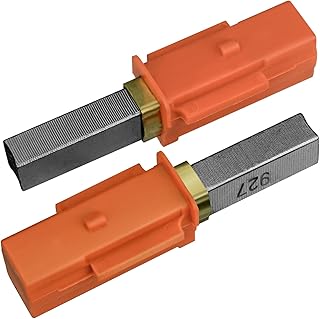
In some cases, worn vacuum motor brushes can be replaced to restore performance.
This repair is usually possible when the motor housing is accessible and not sealed.
When bearings are repairable
Motor bearings can sometimes be replaced if the damage is caught early.
Ignoring grinding noises often leads to more serious motor damage that cannot be repaired.
Why sealed motors usually can’t be fixed
Many modern central vacuum motors are sealed units.
Once internal parts fail, replacement is usually the only safe and reliable option.
Cost vs benefit comparison
Small repairs may cost less in the short term, but repeated fixes add up.
Understanding how do I know if my central vacuum motor is bad helps decide whether repair or replacement makes more sense.
Should You Repair or Replace a Central Vacuum Motor?
Age of the system
If the system is older and already showing multiple issues, replacement is often the better option.
A newer system with minor issues may benefit from repair instead.
Cost comparison
Repair costs can approach replacement costs if multiple parts are failing.
Replacing the motor often provides better long-term value.
Performance expectations
A new motor restores full suction and stable operation.
Repairs may improve performance but rarely bring the motor back to like-new condition.
Energy efficiency improvements with new motors
Newer motors are often more energy-efficient.
Upgrading can lower power usage and improve airflow throughout the system.
Cost to Replace a Central Vacuum Motor
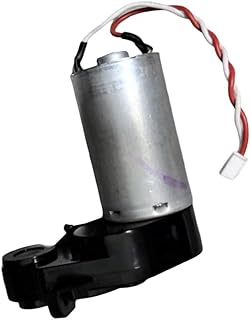
Average replacement cost range
The cost to replace a central vacuum motor usually varies based on size and power.
Most homeowners can expect a moderate to high investment depending on the system.
Labor vs DIY replacement
DIY replacement can save labor costs but requires electrical knowledge.
Professional installation reduces risk and ensures proper setup.
Brand and motor type impact on price
Motor cost varies by brand and motor design.
High-performance and commercial-grade motors usually cost more.
When to Call a Professional Central Vacuum Technician
Safety concerns
Working on a vacuum motor involves electrical components.
Improper handling can lead to injury or further system damage.
Electrical risks
Miswiring or incorrect installation can damage the central vacuum unit.
Professionals know how to safely test and replace motors.
Warranty considerations
DIY repairs may void warranties.
A professional technician helps protect your investment.
How to Prevent Central Vacuum Motor Failure
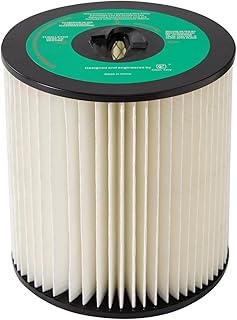
Regular filter cleaning
Clean filters allow proper airflow and reduce motor strain.
This simple step greatly extends motor life.
Emptying the dust canister on time
An overfilled canister restricts airflow and causes overheating.
Regular emptying keeps the motor running efficiently.
Avoiding long continuous run times
Running the vacuum for extended periods increases heat buildup.
Short breaks help prevent overheating motor issues.
Annual system inspection
A yearly inspection helps catch small problems early.
Preventive care makes it easier to avoid wondering how do I know if my central vacuum motor is bad later on.
Conclusion
Knowing how do I know if my central vacuum motor is bad becomes much easier once you understand the warning signs and how the system behaves over time.
Loss of suction, unusual noises, overheating, and burning smells are rarely random and often point to deeper central vacuum motor problems.
By ruling out clogs, airflow issues, and electrical faults first, you avoid unnecessary repairs and focus on the real cause.
Early attention can prevent full central vacuum motor failure and save you from costly replacements.
In the end, understanding how do I know if my central vacuum motor is bad helps you protect your system, maintain strong performance, and extend the life of your central vacuum unit.
FAQs
How do I know if my central vacuum motor is bad or if it’s just a clog?
If cleaning filters, clearing hoses, and checking inlet valves do not improve suction, the issue is likely motor-related.
A bad central vacuum motor usually shows consistent weak airflow, loud noise, or overheating even when the system is clear.
Can a central vacuum motor run but still be bad?
Yes, a failing motor can still turn on but perform poorly.
If the motor starts, stops quickly, makes grinding sounds, or smells burnt, these are common signs of a worn-out vacuum motor.
How long can I keep using a failing central vacuum motor?
Using a damaged motor is not recommended.
Continuing to run it can cause further electrical motor failure and may damage other parts of the central vacuum power unit.