
Cooking lessons at home near me help beginners and experienced home cooks learn practical kitchen skills through personalized, hands-on instruction. An in-home cooking instructor can tailor lessons to your experience, preferred cuisine, and goals. Before booking, compare lesson formats, instructor experience, ingredient costs, travel fees, and availability.
Finding the right cooking instructor starts with understanding what you want to learn, how you prefer to learn, and what kind of professional instruction is available in your area. Whether you want to prepare everyday meals more confidently, master a particular cuisine, improve your knife skills, or learn to cook for family gatherings, private lessons can provide a more personalized learning experience than a general cooking class.
For customers across the United States, the most important considerations are the instructor’s actual service area, teaching experience, lesson structure, safety practices, and total cost. Not every culinary professional offers in-home instruction, and not every cooking lesson includes ingredients, equipment, or kitchen cleanup. Confirming these details before booking helps you choose a service that fits your expectations.
What Are In-Home Cooking Lessons and Who Are They For?
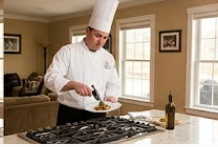
In-home cooking lessons are instructional sessions conducted in a customer’s kitchen by a cooking teacher, culinary instructor, or another qualified professional who offers private lessons. Instead of simply watching someone prepare a meal, you participate in the process, practice techniques, ask questions, and receive feedback as you cook.
The specific experience depends on the instructor, your goals, the kitchen equipment available, and the agreed lesson plan.
How Private Cooking Lessons at Home Work
A typical lesson begins with a discussion about your experience, preferred dishes, and learning objectives. The instructor may recommend a menu, identify the necessary ingredients, and explain which kitchen tools you should have ready.
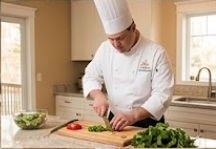
During the session, you may learn how to prepare ingredients, handle knives safely, control cooking temperatures, season food, and coordinate several steps of a recipe. The instructor can demonstrate a technique before asking you to try it yourself.
For example, someone who struggles to prepare vegetables consistently might practice cutting techniques, ingredient preparation, and cooking methods. Another learner might want to understand how to prepare a complete dinner without overcooking the main dish or serving the side dishes at the wrong time.
The advantage of an in-home lesson is that the instruction takes place in the environment where you will use those skills. You can learn how to work with your existing cookware and appliances rather than relying on unfamiliar equipment in a classroom.
Before booking, ask whether the instructor provides a written lesson plan, recipes, ingredient lists, or follow-up guidance. These features depend on the provider and should not be assumed to be included.
Cooking Lessons for Beginners and Experienced Home Cooks
Private cooking instruction can accommodate different experience levels when the instructor offers an appropriate program.
Beginners may need help with basic food preparation, measuring ingredients, understanding cooking terminology, following recipes, and using common kitchen equipment safely. A beginner-focused lesson should move at a manageable pace and leave enough time for questions and hands-on practice.
Intermediate home cooks may want to improve consistency, learn new cooking methods, develop better seasoning techniques, or prepare several dishes within a planned timeframe.
Experienced home cooks might seek instruction in a particular cuisine, more advanced knife skills, baking techniques, sauce preparation, or menu development. These lessons require an instructor whose experience matches the requested subject.
When contacting a teacher, explain what you can already do and where you need help. Instead of saying only that you want to become a better cook, describe a practical goal, such as learning to prepare five reliable weeknight dinners or improving your ability to cook fish without drying it out.
This information helps the instructor recommend a suitable lesson and avoid spending your time on skills you already understand.
Individual, Couples, Family, and Small-Group Lessons
In-home cooking lessons may be available for individuals, couples, families, or small groups. The right format depends on your learning goals, available kitchen space, and the instructor’s service offerings.
- Individual lessons: Useful for learners who want focused instruction, personalized feedback, and a pace tailored to their needs.
- Couples’ lessons: Can focus on preparing meals together, learning a new cuisine, or developing shared kitchen skills.
- Family lessons: May introduce age-appropriate cooking tasks, food preparation, and teamwork. Ask how the instructor handles children around knives, hot cookware, and appliances.
- Small-group lessons: May suit friends or relatives who want to learn together. Confirm the maximum group size and whether everyone receives meaningful hands-on practice.
Do not assume that a provider who teaches individuals also accepts children or larger groups. Ask about participant limits, supervision requirements, equipment needs, and additional charges before confirming a booking.
Cooking Lessons Versus Private Chef and Meal-Prep Services
Understanding the difference between these services helps prevent booking the wrong type of professional.
| Service | Main purpose | Typical customer involvement |
|---|---|---|
| In-home cooking lessons | Teach practical cooking skills | Participates and learns |
| Private chef service | Prepare meals for a customer or event | Varies by arrangement |
| Meal-preparation service | Prepare meals in advance | Usually limited during preparation |
| Virtual cooking class | Teach cooking remotely | Follows instructions from home |
| Group cooking class | Teach several participants together | Participates in a shared session |
A personal chef may be highly skilled at preparing food but may not offer structured teaching. Similarly, someone who prepares weekly meals may not provide hands-on lessons.
If your goal is to become more confident in your own kitchen, specifically request instructional cooking lessons, rather than assuming a chef-for-hire service includes teaching.
What Can You Learn During a Private Cooking Lesson?
The subjects covered in private cooking lessons depend on the instructor’s specialties and your learning objectives. Some sessions focus on fundamental techniques, while others concentrate on particular cuisines, baking, meal planning, or special-occasion cooking.
Before booking, identify the skills you want to develop and confirm that the instructor has relevant experience teaching them.
Basic Kitchen Skills and Knife Techniques
Foundational skills make everyday cooking more manageable and help learners work more confidently.
A beginner lesson may cover measuring ingredients, preparing vegetables, organizing ingredients before cooking, using common utensils, and understanding recipe instructions. Knife instruction may include safe grip, stable cutting surfaces, appropriate cutting techniques, and careful handling and storage.
You might also learn how different cooking methods affect ingredients. For example, sautéing, roasting, simmering, and steaming require different approaches to heat, timing, and moisture.
Ask whether the instructor demonstrates techniques and then observes you practicing them. Watching a demonstration can be useful, but feedback on your own technique often makes the lesson more practical.
Equipment instruction should reflect the appliances and cookware you actually own. If your kitchen has a basic stovetop and oven, tell the instructor beforehand so the lesson can be planned around realistic conditions.
Everyday Meals and Weekly Meal Preparation
Many people looking for cooking lessons at home want practical skills they can use throughout the week.
Instruction might cover preparing breakfast, assembling lunches, cooking simple dinners, planning a grocery list, organizing ingredients, and preparing components for multiple meals.
For example, a lesson could focus on preparing a protein, cooking vegetables using suitable methods, and making a grain or other side dish. The instructor might explain how to coordinate cooking times so that the components finish together.
Meal-preparation instruction can also cover safe storage, refrigeration, reheating, and ways to preserve food quality. Ask whether the session includes meal planning or whether it focuses exclusively on cooking techniques.
If you have limited time during the week, explain your schedule and available equipment. A lesson designed around quick weekday meals will differ from one centered on elaborate weekend cooking.

International Cuisines, Baking, and Specialty Dishes
Some instructors specialize in particular cuisines or techniques, including Italian cooking, Asian-inspired dishes, regional American food, bread making, pastry preparation, or desserts.
A specialist lesson may explore ingredient selection, preparation methods, seasoning, texture, and the sequence of steps needed to produce a particular dish.
For example, someone interested in making pasta from scratch may need instruction in dough preparation, kneading, rolling, shaping, and cooking. A baking lesson might focus on accurate measurements, mixing techniques, oven management, and recognizing when a product is properly baked.
These subjects can require different tools, ingredients, and teaching experience. Confirm that the instructor regularly teaches the requested skill rather than assuming that general culinary experience automatically covers every specialty.
If you have a particular dish in mind, mention it during the initial inquiry. The instructor can then explain whether it is appropriate for a single session or would benefit from several lessons.
Healthy Cooking and Dietary Preferences
Cooking lessons can help customers learn to prepare meals that reflect their preferences and everyday needs.
Depending on the instructor’s expertise, topics may include vegetable preparation, cooking with legumes, vegetarian dishes, ingredient substitutions, reducing food waste, or adapting recipes to available ingredients.
Customers may also request instruction related to specific dietary preferences or food allergies. Discuss these requirements before booking so the instructor can determine whether they can accommodate them safely.
Cooking instruction is not a substitute for individualized medical or nutritional advice. If you require a medically prescribed diet, consult an appropriately qualified healthcare or nutrition professional about your dietary requirements.
When allergies are involved, explain the specific ingredients of concern and ask about ingredient sourcing, kitchen surfaces, utensils, and cross-contact prevention. A provider’s willingness and ability to accommodate an allergy should be confirmed rather than assumed.
Cooking for Holidays, Dinner Parties, and Family Events
Some customers want cooking lessons to prepare for an upcoming event rather than to develop general everyday skills.
A lesson might focus on menu planning, preparing several dishes, arranging cooking tasks in the right order, improving presentation, or managing timing when serving guests.
For instance, a customer preparing a holiday dinner may want to learn how to coordinate side dishes with a main course. Someone planning a dinner party might need help selecting recipes that can be prepared without leaving guests waiting while the food finishes cooking.
Confirm whether the instructor teaches the requested dishes and whether the session is instructional or includes actual event catering. If you want someone to prepare and serve a complete meal, you may need a private chef or catering service instead.
Signs You Could Benefit From an In-Home Cooking Instructor
You do not need to be a complete beginner to benefit from cooking instruction. Private lessons may be useful whenever you have a specific skill gap, want to develop confidence, or prefer learning with direct feedback.
You Struggle to Follow Recipes or Prepare Meals Consistently
Following a recipe does not always produce the expected result. Ingredients may cook differently depending on their size, moisture, temperature, and the equipment used.
A cooking instructor can help you understand why a recipe works, what to look for as food cooks, and how to recognize when adjustments are needed.
For example, if your vegetables often turn out too soft or your sauces have inconsistent textures, a lesson can focus on preparation, heat control, timing, and technique.
The aim is not simply to memorize another recipe. It is to understand the underlying methods so you can apply them to other dishes.
You Want More Confidence With Kitchen Tools and Equipment
Knives, stovetops, ovens, thermometers, and cookware can feel unfamiliar to someone who has limited cooking experience.
Personal instruction can introduce safe handling, proper equipment use, and the differences between common cooking tools. The instructor can also demonstrate techniques using the appliances available in your home.
Tell the instructor if you have concerns about a particular tool or cooking method. They can determine whether it is suitable for your lesson and explain appropriate safety precautions.
You Need Help Planning Meals and Organizing Kitchen Work
Preparing a meal involves more than cooking each ingredient. It also requires planning, preparation, timing, and coordination.
A lesson can help you create a practical sequence: review the recipe, gather ingredients, prepare the components, begin tasks that take longer, and finish the remaining dishes in the right order.
If your goal is to cook more often at home, consider requesting instruction that includes grocery planning, ingredient substitutions, and safe storage.
You Prefer Personalized Feedback Over Group Classes or Videos
Online videos and written recipes can be valuable learning resources, but they cannot always identify what you are doing differently from the demonstrated technique.
An instructor working with you directly can observe your process, answer questions, and explain adjustments. This may be especially useful when you repeatedly struggle with the same technique.
However, private instruction is not automatically the best option for everyone. If you enjoy independent learning and only need an occasional recipe demonstration, free or low-cost educational resources may be sufficient.
Choose a format that fits your budget, learning style, schedule, and goals.
How Do Cooking Lessons at Home Work From Booking to Completion?
Knowing what happens before, during, and after a lesson makes it easier to compare instructors and prepare your kitchen.
Discuss Your Goals, Experience, and Preferred Cuisine
The first step is usually an inquiry or consultation. Explain what you want to learn, your current experience, and any dishes or cuisines that interest you.
Useful details include:
- Your current cooking skill level.
- The techniques or recipes you want to practice.
- The number and ages of participants, where relevant.
- Dietary preferences and food allergies.
- Available appliances and kitchen equipment.
- Your preferred dates and approximate lesson duration.
A clear description helps the instructor decide whether the requested lesson fits their experience and service offerings.
If you are unsure what to learn first, ask whether the instructor can recommend a beginner-friendly plan based on your goals.
Confirm the Menu, Ingredients, Equipment, and Lesson Format
Before the appointment, establish what the session will cover and who is responsible for supplying ingredients.
Some instructors may provide an ingredient list for the customer to purchase. Others may offer ingredient sourcing as part of a service package. Equipment requirements also vary according to the menu.
Ask whether you need to prepare anything in advance, such as washing vegetables, thawing ingredients safely, or clearing workspace.
Confirm the lesson duration, number of participants, total quoted fee, travel arrangements, and cancellation policy. Put the agreed details in writing so that both parties understand what is included.
Learn Through Demonstration and Hands-On Practice
During the lesson, the instructor may demonstrate a technique, explain the relevant steps, and then guide you through practicing it.
You might learn to prepare ingredients, manage heat, combine flavors, coordinate cooking times, or recognize when a dish is ready.
Ask questions when you do not understand a step. A good instructional session should give you a reasonable opportunity to practice rather than requiring you to watch the instructor complete everything.
The exact balance between demonstration and participation depends on the agreed format. If hands-on learning is your priority, mention this before booking.
Review the Finished Dishes and Practice Techniques
At the end of a session, you may review the finished dishes, discuss the techniques used, and identify areas for further practice.
The instructor might explain how to correct a common mistake, adapt a recipe, or prepare the same dish using equipment available in your kitchen.
If you want to repeat the lesson independently, ask whether written recipes, notes, or other learning materials are included.
Do not assume that a provider will leave printed recipes or provide ongoing support unless those details have been confirmed.
Ask About Recipes, Follow-Up Sessions, and Lesson Packages
Some learners benefit from a single lesson focused on a specific dish. Others prefer several sessions that progressively develop their skills.
If you are considering recurring lessons, ask what each session covers and whether the instructor offers a structured learning plan.
Before purchasing a package, confirm the total cost, expiration or scheduling conditions if applicable, cancellation terms, and whether you can change topics between sessions.
A series of lessons is most useful when it has a clear purpose, such as moving from basic knife skills to complete meal preparation. Choose a package based on your actual learning needs rather than paying for more sessions than you expect to use.
What Types of In-Home Cooking Lessons Can You Book?
Available lesson types differ between providers. The following options can help you identify what to ask for when searching for a private cooking instructor near you.
Beginner and Intermediate Cooking Instruction
Beginner lessons typically focus on foundational techniques, simple recipes, safe kitchen practices, and confidence with basic equipment.
Intermediate instruction may concentrate on more complex recipes, improved timing, flavor development, and preparing several components in one session.
When comparing programs, ask what you should be able to practice or understand by the end of the lesson. Specific learning objectives make it easier to decide whether a session suits your needs.
Private Cooking Lessons for Couples and Families
Couples may want to learn new recipes together, develop complementary kitchen skills, or practice preparing a complete meal.
Families may prefer lessons that encourage participation and introduce children to age-appropriate food preparation. The instructor should explain how the session will accommodate participants with different skill levels.
For any group lesson, confirm the number of people who can participate comfortably in your kitchen. Too many participants in a limited workspace can make hands-on instruction difficult and increase safety concerns.

Specialized Cuisine and Baking Lessons
If you want to learn a specific cuisine, baking technique, or specialty dish, seek an instructor with relevant teaching experience.
Discuss the ingredients, tools, preparation time, and level of difficulty before agreeing on a session. Some dishes may require preparation or resting time that affects how much can be covered in one appointment.
You can also ask whether the instructor can suggest a simpler starting point if your preferred dish requires techniques you have not yet learned.
Private Lessons for Events and Special Occasions
Cooking instruction for an upcoming celebration may focus on a specific menu, presentation, or the timing needed to prepare several dishes.
Before booking, clarify whether you want to learn how to cook the menu yourself or hire someone to prepare food for the event. These are different services and may require different providers.
If the appointment is close to the event date, confirm availability and allow enough time to practice the recipes afterward.
In-Person Versus Virtual Cooking Instruction
In-person lessons allow the instructor to work alongside you, demonstrate techniques in your kitchen, and provide direct feedback on your use of equipment.
Virtual lessons can be convenient when travel is impractical or when you want to learn remotely. However, the instructor may have limited ability to inspect your equipment or observe certain techniques clearly through a camera.
Compare the formats based on the skills you want to learn, your budget, the equipment available, and the amount of individual feedback you need.
How Much Do Cooking Lessons at Home Cost?
The cost of cooking lessons at home depends on the provider, location, lesson format, and what the service includes. There is no single price that applies to every private cooking instructor in the United States.
Rather than relying on an unverified national estimate, request a quote from providers serving your area and compare the full cost of equivalent lessons.
What Affects the Cost of a Private Cooking Lesson?
Several factors can influence the quoted fee:
- Lesson duration: A longer session may involve a different fee from a shorter introductory lesson.
- Instructor experience: Specialized expertise and the type of instruction offered may affect pricing.
- Travel distance: An instructor who visits your home may charge for travel or limit appointments to certain areas.
- Group size: Lessons for couples or families may be priced differently from individual instruction.
- Menu complexity: Specialty ingredients, elaborate dishes, or techniques requiring additional preparation can affect the overall cost.
- Location: Local operating expenses and demand may influence rates.
- Additional services: Ingredient sourcing, written materials, or other extras may be included or charged separately.
Ask providers to explain their pricing structure rather than assuming that the lowest advertised fee represents the lowest total cost.
Are Ingredients and Kitchen Supplies Included?
Ingredient arrangements vary by instructor. Some may include ingredients in the quoted fee, while others expect customers to buy them separately.
Specialty ingredients can make a difference to the total expense, particularly for cuisine-specific lessons or dishes requiring less commonly available products.
Before booking, ask for a shopping list or an estimate of the required ingredients where available. Also confirm whether you must supply knives, cookware, utensils, or other equipment.
If you already own suitable equipment, explain what is available in your kitchen. This may help the instructor plan a lesson without unnecessary purchases.
Individual Lessons Versus Packages and Group Sessions
A private individual lesson provides focused instruction, while a group session allows several people to participate in the same experience.
The cost structure may differ between these formats. A package of recurring lessons may also have different payment terms from a one-time appointment.
When comparing options, consider the cost per participant, amount of individual feedback, lesson length, ingredients, and the number of techniques covered.
A package is not necessarily better value if it includes sessions you do not need. Likewise, a group class may be less suitable if your goal requires extensive individual guidance.
Can an Instructor Charge Travel or Additional Fees?
Some providers may charge travel fees, ingredient expenses, or additional amounts for extra participants or specialized arrangements.
Rescheduling and cancellation terms can also affect the overall cost. These policies should be explained before payment.
Ask for a written breakdown of any extra charges and clarify whether fees change when the lesson location, menu, or participant count changes.
Do not rely on an informal assumption that travel or supplies are included. Confirm the arrangements directly with the provider.
What Should a Written Cooking Lesson Quote Include?
A useful quote should make the scope of the service clear.
Check that it identifies:
- The lesson type and planned subject.
- The agreed duration and participant count.
- The instructor’s travel arrangements.
- Whether ingredients and equipment are included.
- The total fee and any additional charges.
- Payment and cancellation terms.
- The scheduled date or process for confirming availability.
If an instructor proposes a package, ask for the total package cost and details of what each session includes.
How to Compare Value Without Choosing on Price Alone
A suitable instructor should match your learning goals, communicate clearly, and explain how the lesson will work.
Compare the relevance of their experience, teaching approach, service area, safety practices, and included materials. Genuine reviews may provide useful context, but they should not replace asking questions about the service itself.
Key takeaway: Request comparable quotes, verify what is included, and choose instruction that meets your needs rather than selecting a provider based solely on the advertised price.
DIY Learning Versus Hiring a Private Cooking Teacher
You can learn many cooking skills independently, but the right approach depends on how much guidance you need and what you want to achieve.
When Online Videos and Recipes May Be Enough
Free recipes, instructional videos, and cookbooks can be effective for learners who are comfortable experimenting and correcting their own mistakes.
These resources allow you to learn at your own pace, repeat demonstrations, and practice whenever convenient.
They may be sufficient if you want to prepare a few simple dishes or explore a new recipe without committing to a paid lesson.
However, written and recorded instructions cannot always account for differences in equipment, ingredient condition, or individual technique.
What Hands-On Instruction Adds
An in-home cooking teacher can adapt explanations to your questions and observe how you carry out a technique.
If you repeatedly have difficulty with a particular step, the instructor can demonstrate an alternative approach and help you practice it.
Personal instruction can also be useful when you want to work with your own appliances or build a sequence of practical skills.
The value depends on the quality of the teaching and how actively you participate. Confirm that the instructor’s approach includes enough hands-on practice for your needs.
Kitchen Safety and Food Handling
Whether you learn independently or with an instructor, safe food handling matters.
Use stable cutting surfaces, handle knives carefully, avoid cross-contamination between raw and ready-to-eat foods, and follow appropriate cooking, refrigeration, and storage guidance.
If you are uncertain about a safety procedure, consult reliable food-safety guidance or ask an instructor with relevant knowledge to explain it.
An instructor should not encourage unsafe shortcuts simply to complete a recipe more quickly.
How to Decide Whether Private Lessons Fit Your Goals
Consider paying for private instruction if you need individualized feedback, want to practice a specific technique, or prefer a guided learning experience.
Self-directed learning may be sufficient if you have a limited budget and are comfortable progressing independently. Virtual or group lessons may offer a middle ground.
Choose the format that gives you the instruction you need at a cost and schedule you can manage.
How to Prepare Your Home Kitchen for a Cooking Lesson
A little preparation can make an in-home cooking lesson more productive. You do not need a professional kitchen, but the instructor should know what equipment and workspace are available.
Check Your Available Appliances and Cookware
Before the lesson, identify the equipment you have, such as a stovetop, oven, refrigerator, cutting boards, pans, knives, and basic utensils.
Tell the instructor about any limitations. If your oven is unavailable or you have limited counter space, the menu may need to be adjusted.
Do not purchase expensive equipment before asking whether it is necessary. An instructor may be able to recommend a suitable lesson using the tools you already own.
Organize Ingredients and Kitchen Workspaces
Confirm which ingredients you need and when they should be ready.
Depending on the menu, you may need to wash produce, measure ingredients, or arrange cookware before the instructor arrives. Follow the provider’s instructions about preparation and safe storage.
Clear enough counter space for both participants to work comfortably. Keep frequently used utensils accessible and remove unnecessary clutter from cooking areas.
Communicate Allergies and Dietary Restrictions in Advance
Tell the instructor about allergies, intolerances, and dietary preferences before the menu is finalized.
Discuss ingredients, substitutions, food preparation surfaces, and the potential for cross-contact. If your requirements cannot be accommodated safely, choose a provider who can address them appropriately.
Do not assume that removing a particular ingredient from a recipe automatically makes a meal safe for someone with an allergy.
Plan for Children, Pets, and Other Household Members
Hot pans, boiling liquids, sharp knives, and electrical appliances require appropriate precautions.
If children participate, ask the instructor what activities are suitable for their ages and what supervision is expected. Keep pets away from active cooking areas where practical, and ensure participants have sufficient room to move safely.
Discuss any accessibility or mobility considerations before the appointment so the instructor can determine whether the planned lesson is suitable.
Confirm Cleanup Responsibilities Before Booking
Cooking lessons can produce dirty cookware, utensils, food scraps, and leftovers.
Ask whether cleanup is part of the service or whether you are expected to wash dishes and restore the kitchen afterward. Confirm how leftover food will be stored and whether any additional cleaning is included.
Do not assume that an instructor offering cooking lessons also provides a house-cleaning service. If you need extensive kitchen cleaning, discuss that requirement separately and confirm whether the provider offers it.
How to Choose the Right In-Home Cooking Instructor
Choosing a cooking instructor involves more than finding someone who knows how to prepare good food. You also need a provider who can teach effectively, travel to your location, accommodate your goals, and explain the service clearly.
What to Look for in a Service Provider
Start by evaluating the instructor’s relevant culinary experience and ability to teach the techniques you want to learn.
Consider whether they have experience with beginners, families, particular cuisines, baking, or the other subjects you intend to cover. Professional culinary training may be useful for some lessons, but requirements and credentials vary by role and jurisdiction.
Assess communication as well. An instructor should be able to explain the proposed lesson, identify necessary equipment, discuss food-safety considerations, and answer reasonable questions about pricing.
Verify the provider’s actual service area rather than assuming that a listing appearing in your search results means they travel to your home.
Where appropriate, ask about business credentials and insurance. Applicable requirements can vary by state, city, county, and jurisdiction, as well as by the services offered.
Questions to Ask Before Hiring
Before making a booking, ask questions that clarify the scope and suitability of the lesson.
- Experience: Have you taught people with my current skill level?
- Specialties: Do you teach the cuisine or techniques I want to learn?
- Lesson structure: What will we cover during the session?
- Participation: How much time will I spend practicing the techniques myself?
- Ingredients: Who purchases the ingredients, and are they included in the quote?
- Equipment: Which tools and appliances should I have ready?
- Travel: Do you serve my location, and are travel fees applicable?
- Safety: How do you address food handling and allergy-related concerns?
- References: Can you provide relevant, verifiable information about your experience?
- Booking terms: What are the payment, cancellation, and rescheduling policies?
The answers should help you decide whether the instructor is appropriate for your goals. If an important detail remains unclear, ask for clarification before paying.
Red Flags to Avoid
Be cautious if a provider refuses to explain the total cost, makes unsupported claims about qualifications, or pressures you to pay before providing clear booking terms.
Other concerns include misleading service descriptions, promises that cannot reasonably be substantiated, unclear cancellation policies, and dismissive responses to food-safety questions.
A lack of extensive online reviews does not automatically mean an instructor is unsuitable, particularly for a small or new business. Instead, evaluate the information available, ask relevant questions, and verify important claims where possible.
Never treat a polished website or social media profile as proof of professional competence on its own.
When to Request Multiple Quotes
Comparing two or more instructors can be helpful when you need specialized instruction, recurring lessons, a family session, or a customized menu.
Ask each provider to quote for substantially the same requirements, including lesson duration, participant count, ingredients, travel, and any additional services.
This makes the comparison more meaningful. One quote may include ingredient sourcing while another may require you to purchase everything separately.
Compare the complete service, not just the headline fee. Also consider the instructor’s teaching approach, availability, relevant experience, and suitability for your learning goals.
How to Evaluate Reviews and Teaching Experience
Reviews can help you understand other customers’ experiences, but they should be considered alongside the details of the proposed service.
Look for specific, relevant feedback about communication, punctuality, teaching clarity, and whether the instructor explained techniques effectively.
Where possible, confirm that the instructor’s stated specialties match the subject you want to learn. If the provider claims to teach advanced baking, for example, ask about experience with the relevant techniques.
Do not rely on fabricated testimonials, unsupported ratings, or broad promises of guaranteed results. Your own goals and the instructor’s demonstrated suitability should guide the decision.
Confirm Service Area and Availability Before Paying
Search results for “cooking lessons at home near me” may show providers who offer virtual classes, teach only at a studio, or serve a limited geographic area.
Contact the instructor to verify that they offer in-home lessons at your address or within your ZIP code. Confirm the appointment date, expected arrival arrangements, duration, travel costs, and payment terms.
If you need a lesson at a particular time, ask directly rather than assuming that an online listing confirms availability.
For recurring lessons, establish how future sessions will be scheduled and whether the same instructor will conduct them.
Book Cooking Lessons at Home Near You
Once you understand the available lesson formats and what to look for in an instructor, you can narrow your options and make a more informed booking decision.
Define Your Cooking Goals and Preferred Lesson Type
Decide whether you want beginner instruction, help with everyday meals, a particular cuisine, baking practice, or a lesson for couples or family members.
A specific goal makes it easier to identify instructors whose experience matches your needs.
If you are uncertain, describe the skills you want to improve and ask whether the provider can recommend a suitable starting point.
Share Your Location and Scheduling Preferences
Your city or ZIP code helps determine whether an instructor offers in-home service in your area.
Provide your preferred dates, approximate lesson duration, participant count, and any travel or accessibility considerations. If you have a specific menu or dietary requirement in mind, mention it early.
Service availability depends on the provider’s schedule and geographic coverage, so confirm these details directly.
Request a Clear Quote and Confirm the Booking
Before paying, review the proposed lesson, duration, total cost, ingredient arrangements, equipment requirements, and cancellation policy.
Ask about any additional fees and make sure the agreed terms are clear in writing. If the quote does not explain an important detail, request clarification before confirming.
Choose a provider based on suitability, transparent terms, and the value of the instruction offered.
What to Include in a Cooking Lesson Inquiry
A concise inquiry can help the instructor respond with relevant information. Include:
- Your city or ZIP code.
- Your current cooking experience.
- The cuisine or skills you want to learn.
- The number of participants.
- Your preferred dates and lesson duration.
- Any dietary requirements or food allergies.
- Questions about ingredients, equipment, and total cost.
Providing these details makes it easier to establish whether the service is appropriate and what the instructor needs to prepare a quote.
Take the Next Step Toward More Confident Home Cooking
The right in-home cooking instructor should offer a lesson that fits your goals, experience, schedule, and kitchen setup. Compare suitable local providers, ask clear questions, and confirm the full service details before booking.
Ready to improve your cooking skills? Contact an instructor who serves your area to discuss lesson options, request a quote, and find out whether their teaching approach suits your needs.
Frequently Asked Questions About Cooking Lessons at Home
How much do cooking lessons at home cost?
Costs vary by location, lesson duration, instructor experience, group size, ingredients, and travel arrangements. Request a detailed quote from providers serving your area and confirm which expenses are included.
Can I hire a cooking instructor who comes to my house?
Yes, some cooking instructors and culinary professionals offer in-home instruction. Confirm that the provider travels to your location and teaches the type of cooking you want to learn.
Are in-home cooking lessons suitable for beginners?
Yes. Beginner lessons can cover basic kitchen skills, safe food preparation, simple cooking methods, and following recipes. Tell the instructor about your experience so they can recommend an appropriate session.
What should I prepare before a private cooking lesson?
Confirm the menu, ingredients, equipment, and kitchen workspace requirements in advance. Ask whether you should purchase ingredients or prepare anything before the instructor arrives.
Do cooking instructors provide ingredients?
Some instructors include ingredients, while others ask customers to supply them. Confirm the arrangement and any associated costs before booking.
How long does an in-home cooking class last?
Duration depends on the lesson format, menu, number of dishes, and learning objectives. Ask the provider how much time is recommended for the techniques you want to practice.
Can I book private cooking lessons for couples or families?
Some instructors offer couples’ sessions, family lessons, and small-group instruction. Confirm group size, age-appropriate activities, kitchen space, and pricing before making arrangements.
Are private cooking lessons better than online cooking videos?
Private lessons offer individualized feedback and hands-on practice, while videos provide flexible, self-paced learning. The better option depends on your budget, goals, and preferred learning style.
Can an in-home cooking instructor accommodate food allergies?
Some instructors can accommodate particular dietary needs, but you must discuss the details in advance. Ask about ingredient selection, cross-contact precautions, and whether the provider can safely meet your requirements.
Can I find cooking lessons near me for a specific cuisine?
You may be able to find instructors who specialize in a particular cuisine. Ask about their relevant teaching experience, ingredient requirements, travel area, and availability.
What should I ask before hiring a private cooking teacher?
Ask about relevant experience, lesson structure, total cost, ingredients, equipment, travel fees, safety practices, references, and cancellation terms. Confirm the details before making payment.
Can I book a cooking lesson at home for an upcoming event?
Some instructors offer lessons focused on holiday meals, dinner parties, and other occasions. Availability varies, so contact the provider early and confirm the menu, date, duration, and total cost.