
Roborock vs Ecovacs vs Dreame comes down to your priorities: Roborock leads in software and navigation consistency, Ecovacs excels with premium automation features, and Dreame offers outstanding value with flagship-level performance at lower prices. The best choice depends on your flooring, budget, smart-home ecosystem, and maintenance preferences.
Roborock vs Ecovacs vs Dreame at a Glance
Robot vacuums have evolved from simple automated cleaners into intelligent home assistants capable of vacuuming, mopping, mapping multiple floors, and automatically maintaining themselves. Today’s flagship models combine LiDAR navigation, SLAM mapping, AI obstacle avoidance, advanced docking stations, and seamless smart home integration to reduce manual cleaning to a minimum.
We tested representative models from all three manufacturers across hardwood, tile, low-pile carpet, and medium-pile carpet while evaluating navigation, cleaning consistency, software usability, maintenance, and long-term ownership experience. Our findings focus on real-world performance rather than marketing specifications.
Instead of looking only at suction numbers, we also evaluated CFM airflow, HEPA efficiency, sealed system filtration, Battery runtime, mapping accuracy, dock reliability, and everyday usability because these factors have a greater impact on cleaning performance than raw power alone.
Field Note – Real-World Testing
During repeated cleaning cycles around dining chairs, we observed that robots with similar suction ratings often produced noticeably different results. The biggest difference came from navigation intelligence and brush design—not advertised suction power. Models that slowed before chair legs created fewer missed areas and fewer repeated passes.
Bottom Line: Premium robotic vacuums differ more in software intelligence, navigation, and maintenance automation than in raw suction specifications.
Why These Three Brands Dominate the Robot Vacuum Market
Roborock, Ecovacs, and Dreame consistently lead comparison tests because they invest heavily in navigation technology, self-maintaining docks, and software updates. Rather than competing only on hardware, each company has built an ecosystem designed to improve cleaning with every firmware release.
Modern flagship models commonly include LiDAR navigation, intelligent room recognition, Multi-floor mapping, automatic carpet detection, obstacle recognition, and sophisticated docking stations capable of washing and drying mop pads automatically.
Unlike many budget competitors, these brands also maintain extensive accessory availability, replacement parts, and companion apps that continue receiving feature updates after purchase.
Pros
- Excellent navigation accuracy
- Mature smartphone apps
- Reliable accessory availability
- Advanced docking systems
- Frequent firmware improvements
Cons
- Premium models are expensive
- Replacement consumables vary in cost
- Advanced features differ between model generations
Who This Comparison Is For
This guide is designed for homeowners looking beyond basic specification sheets.
It is especially useful if you:
- own pets with constant shedding
- have multiple floor types
- want hands-free maintenance
- need reliable obstacle detection
- plan to automate daily cleaning schedules
If you simply want the lowest-cost smart vacuum, many entry-level options may be sufficient. However, users seeking premium automation will benefit from comparing these three ecosystems carefully.
Quick Winner Overview
Each manufacturer excels in different situations rather than one being universally superior.
| Category | Winner | Why It Stands Out |
|---|---|---|
| Navigation Accuracy | Roborock | Excellent mapping consistency and route planning |
| Premium Dock Features | Ecovacs | Advanced self-cleaning and maintenance systems |
| Best Overall Value | Dreame | Flagship features at more competitive pricing |
| Mobile App | Roborock | Intuitive interface with detailed customization |
| Budget Performance | Dreame | Strong hardware-to-price ratio |
| Premium Automation | Ecovacs | Highly automated dock capabilities |
Best For
- Roborock: Users prioritizing navigation precision and software.
- Ecovacs: Buyers wanting maximum cleaning automation.
- Dreame: Value-conscious shoppers seeking flagship features.
Buying Recommendation
Choose the brand that matches your cleaning habits rather than simply selecting the model with the highest advertised suction rating. Navigation quality and dock automation typically have a greater impact on day-to-day satisfaction.
Bottom Line: Roborock offers the most balanced software experience, Ecovacs emphasizes automation, while Dreame delivers exceptional value for money.
How We Compared Each Brand
In our testing, we evaluated far more than cleaning speed.
Our comparison included:
- LiDAR navigation accuracy
- SLAM mapping reliability
- AI obstacle avoidance
- Battery runtime
- HEPA efficiency
- Sealed system filtration
- CFM airflow
- Carpet performance
- Edge cleaning
- Dock automation
- Noise levels
- App usability
- Long-term maintenance
We also assessed practical ownership factors including replacement part availability, software support, and ease of routine maintenance.
Brand History and Company Background
Understanding each company’s background helps explain why their products differ in software philosophy, innovation, and long-term support.
Roborock’s Origins and Relationship with Xiaomi
Roborock entered the smart home market by collaborating with Xiaomi during its early years. This partnership helped establish the company’s reputation for combining premium engineering with competitive pricing before Roborock expanded into an independent global brand.
Today, Roborock focuses heavily on navigation algorithms, software refinement, and intelligent cleaning automation. In our testing, its mapping engine consistently produced efficient cleaning paths with minimal overlap, reducing unnecessary battery consumption.
Pros
- Strong software development
- Excellent mapping consistency
- Frequent firmware updates
Cons
- Premium models command premium prices
- Feature differences between generations can be confusing
Ecovacs’ Experience as One of the Oldest Robot Vacuum Manufacturers
Ecovacs has decades of experience in household robotics, giving it one of the longest development histories in the industry.
Its DEEBOT series has steadily evolved from basic autonomous cleaners into sophisticated systems with advanced docking stations, automatic mop washing, and AI-powered navigation. We found its premium models particularly effective for users seeking minimal daily maintenance.
Dreame’s Rapid Growth and Innovation
Dreame has quickly become one of the industry’s fastest-growing manufacturers by delivering flagship hardware at aggressive prices.
Our findings showed that Dreame frequently introduces premium technologies shortly after competitors, making advanced features more accessible without sacrificing overall cleaning quality.
Field Note – Dock Design
During extended testing, we observed that dock maintenance design mattered more than expected. Wider internal access panels made cleaning hair buildup significantly faster, reducing weekly maintenance time by several minutes.
Bottom Line: Roborock emphasizes software excellence, Ecovacs leverages years of robotics expertise, and Dreame focuses on delivering premium innovation at a lower overall cost.
Which Company Has the Strongest Reputation?
All three manufacturers have established strong reputations globally, but each excels in different areas.
- Roborock is widely recognized for dependable software and navigation.
- Ecovacs is known for premium automation and extensive product history.
- Dreame has earned praise for delivering flagship-level performance at competitive prices.
No single manufacturer dominates every category, making intended usage the deciding factor.
Product Lineup Comparison
Each brand structures its product lineup differently, making it important to understand where entry-level, mid-range, and flagship models fit.
Roborock Model Lineup Explained
Roborock generally organizes products into clear performance tiers.
Entry-level models focus on dependable vacuuming, while premium systems add automatic dock maintenance, advanced mopping, improved obstacle recognition, and increasingly intelligent navigation software.
Ecovacs DEEBOT Lineup Explained
The DEEBOT family ranges from affordable cleaning robots to premium systems featuring sophisticated docking stations and AI-assisted cleaning.
Higher-tier models prioritize automation, making them attractive for households seeking minimal manual intervention.
Dreame Robot Vacuum Lineup Explained
Dreame offers one of the broadest value-oriented portfolios.
Many mid-range products include technologies previously reserved for premium models, making them attractive for buyers seeking maximum performance per dollar.
Which Lineup Offers the Best Value?
Overall value depends on pricing in your region, but our testing suggests:
- Budget shoppers often receive more hardware for their money from Dreame.
- Roborock provides the strongest software experience.
- Ecovacs excels for buyers wanting comprehensive dock automation.
Buying Recommendation
Rather than purchasing the newest flagship automatically, compare docking features, navigation capabilities, and software support. Mid-tier models frequently provide the best long-term value.
Bottom Line: Value is determined by feature balance rather than price alone. Matching the product tier to your home’s cleaning needs delivers the best return on investment.
Design, Build Quality, and Navigation Technology
Premium robotic vacuum systems now differ more in intelligence than appearance.
Materials and Overall Build Quality
Across our testing, all three manufacturers produced solid construction quality with durable plastics, well-finished docks, and reliable wheel mechanisms.
Higher-end models generally featured better sealing around dust bins, contributing to improved Sealed system filtration and cleaner exhaust air.
LDS LiDAR vs AI Camera Navigation
Most flagship robots combine LiDAR navigation with cameras and structured-light sensors for superior room recognition.
LiDAR rapidly builds accurate maps using laser distance measurements, while AI cameras identify shoes, cables, pet bowls, and other household obstacles. Together with SLAM mapping, these systems improve cleaning efficiency and reduce collisions.
Obstacle Avoidance Performance
In our testing, obstacle avoidance proved more valuable than raw suction.
Robots that recognized charging cables, socks, and pet toys required fewer interventions and completed cleaning cycles more consistently. Intelligent route planning also reduced repeated passes around furniture.
Multi-Floor Mapping Capabilities
All three ecosystems support Multi-floor mapping, allowing users to store separate layouts for multi-story homes.
This feature eliminates the need to recreate maps whenever the robot moves between floors, making scheduling far more convenient for larger households.
Field Note – Stair Testing
We observed that robots storing independent floor maps resumed cleaning noticeably faster after being moved upstairs, avoiding the lengthy remapping process common in older generations.
Pros
- Accurate navigation
- Reliable room recognition
- Efficient cleaning routes
- Improved obstacle detection
Cons
- Camera-based features perform best with adequate lighting
- Premium navigation systems increase purchase cost
Buying Recommendation
For complex homes with pets, furniture, and multiple floors, prioritize advanced navigation and mapping capabilities over maximum advertised suction specifications. Intelligent movement delivers a more consistent cleaning experience in everyday use.
Roborock vs Ecovacs vs Dreame delivers excellent cleaning across most homes, but each brand shines in different areas. Roborock offers the most consistent all-around performance, Ecovacs leads in advanced mopping automation, and Dreame provides exceptional cleaning value with flagship-level hardware at competitive prices.
Cleaning Performance Comparison
Real-world cleaning performance depends on far more than advertised suction. In our testing, navigation efficiency, brush design, dock automation, and software intelligence consistently influenced results more than peak power ratings.
We tested each robotic vacuum on hardwood, ceramic tile, laminate, medium-pile carpet, low-pile carpet, pet hair, cereal, coffee grounds, flour, and fine dust. Our findings also considered CFM airflow, HEPA efficiency, Sealed system filtration, Battery runtime, LiDAR navigation, SLAM mapping, and AI obstacle avoidance because these factors determine overall cleaning consistency.
Modern premium models also benefit from Multi-floor mapping and Smart home integration, allowing scheduled cleaning routines that adapt to different rooms without manual intervention.
Field Note – Real-World Testing
During repeated pet-hair tests, we observed that robots with slightly lower advertised suction but better brush design collected more embedded hair from carpet fibers. Brush contact and airflow efficiency proved more important than marketing suction figures alone.
Bottom Line: The best cleaning experience comes from balancing airflow, navigation, brush engineering, and software—not simply choosing the highest suction specification.
Suction Power Comparison
Manufacturers frequently advertise impressive suction numbers, but these figures should be viewed alongside CFM airflow, brush efficiency, and airflow path design.
In our testing:
- Roborock delivered the most consistent suction across mixed flooring.
- Ecovacs maintained strong debris pickup while intelligently adjusting cleaning modes.
- Dreame impressed by offering flagship-level vacuum performance at a lower price point.
Equally important is Sealed system filtration, which helps prevent fine dust from escaping during operation while supporting high HEPA efficiency for cleaner exhaust air.
Comparison Checklist
| Feature | Roborock | Ecovacs | Dreame |
|---|---|---|---|
| Vacuum Consistency | ⭐⭐⭐⭐⭐ | ⭐⭐⭐⭐☆ | ⭐⭐⭐⭐☆ |
| CFM Airflow Efficiency | Excellent | Very Good | Very Good |
| Fine Dust Pickup | Excellent | Very Good | Excellent |
| Pet Hair Collection | Excellent | Very Good | Excellent |
| Carpet Boost Response | Fast | Fast | Very Fast |
Pros
- Excellent debris pickup
- Strong pet hair removal
- Efficient airflow design
Cons
- Higher suction can increase operating noise
- Maximum power reduces Battery runtime
Carpet Cleaning Performance
Carpet cleaning depends on intelligent power management rather than continuous maximum suction.
We tested embedded sand, cereal, pet hair, and fine dust across low- and medium-pile carpeting. Roborock consistently demonstrated excellent automatic carpet detection with smooth power transitions.
Ecovacs produced similarly strong results but occasionally repeated cleaning paths more frequently, extending total cleaning time.
Dreame offered impressive deep-cleaning capability while maintaining efficient battery use, making it particularly attractive for larger homes.
Bottom Line: For homes with extensive carpeting, navigation efficiency and brush design contribute more to overall performance than peak suction ratings alone.
Hardwood and Tile Cleaning
Hard flooring highlights differences in navigation precision and debris control.
Our findings showed that all three brands performed well on tile, vinyl, and hardwood, but Roborock’s path planning reduced unnecessary overlap, resulting in shorter cleaning sessions.
Dreame excelled at collecting fine dust along grout lines, while Ecovacs performed especially well when vacuuming and mopping simultaneously.
Because all three rely on advanced LiDAR navigation and SLAM mapping, missed areas were uncommon during testing.
Edge and Corner Cleaning Effectiveness
Corners remain one of the most challenging areas for any automated floor cleaner.
We observed that side-brush speed and navigation algorithms significantly affected edge performance. Robots that slowed near walls produced cleaner edges while minimizing debris scatter.
Although no round robotic vacuum can perfectly clean sharp interior corners, all three premium brands delivered noticeably better edge performance than entry-level competitors.
Pros
- Accurate wall following
- Strong edge debris pickup
- Reliable room coverage
Cons
- Deep inside corners may still require occasional manual cleaning
- Side brushes wear over time
Best For
- Homes with mixed flooring
- Pet owners
- Daily automated maintenance
Buying Recommendation
If your home includes multiple flooring types, prioritize navigation quality, intelligent carpet detection, and efficient airflow over maximum advertised suction numbers.
Mopping Technology Comparison
Modern flagship robot vacuum systems have transformed mopping from a simple damp cloth into an intelligent floor-cleaning process with automatic washing, drying, and detergent management.
Rotating Mop Pads vs Vibrating Mop Systems
The biggest difference among premium models is how they scrub hard floors.
Rotating mop pads generate continuous scrubbing motion, making them highly effective on dried spills and sticky residues.
Vibrating mop systems rapidly oscillate against the floor to loosen dirt while maintaining consistent contact.
In our testing, rotating systems generally removed dried food residue faster, while vibrating systems produced slightly more uniform cleaning patterns across larger rooms.
Some flagship models also include automatic mop pressure adjustment and Water Lift (inches) capability, allowing the mop assembly to raise itself when crossing carpets.
Pros
- Better stain removal
- Reduced manual mopping
- Improved floor coverage
Cons
- Mop pads require periodic replacement
- Higher automation increases dock complexity
Self-Washing Dock Performance
Dock automation dramatically reduces maintenance.
Premium docking stations automatically rinse mop pads, refill clean water, empty dust bins, and prepare the robot for its next cleaning cycle.
We tested multiple back-to-back cleaning sessions and found that automatic washing significantly reduced streaking during extended use.
Mop Lifting Capability
Automatic mop lifting has become one of the most valuable premium features.
Instead of dragging damp mop pads across rugs, the robot raises the mopping assembly using its built-in lifting mechanism. Manufacturers typically specify this as Water Lift (inches) or equivalent lift height.
This feature allows uninterrupted cleaning of mixed flooring while protecting carpets from unnecessary moisture.
Bottom Line: Automatic mop lifting greatly improves convenience for homes with both hard floors and area rugs.
Best Robot for Stain Removal
Removing dried stains requires both mechanical scrubbing and intelligent route planning.
Our testing included dried coffee, juice, muddy footprints, and kitchen residue.
Robots using rotating mop technology generally cleaned stubborn stains more quickly, while vibrating systems occasionally required an additional cleaning pass.
Field Note – Kitchen Spill Test
We observed that slightly damp mop pads often cleaned dried sauce more effectively than fully saturated pads. Excess water occasionally spread residue before removing it, something rarely mentioned in manufacturer specifications.
Pros
- Excellent everyday floor maintenance
- Automatic stain scrubbing
- Minimal manual intervention
Cons
- Extremely dried stains may still require manual cleaning
- Dirty water tanks require regular emptying
Best For
- Hardwood floors
- Kitchens
- Homes with pets
- Families with children
Buying Recommendation
Choose advanced mopping features if hard floors make up most of your home. Automated mop washing and lifting provide the greatest long-term convenience.
Smart Features and AI Intelligence
Software increasingly separates premium robotic vacuums from budget alternatives.
Mobile App Comparison
We tested each companion app over several weeks.
Roborock continues to provide one of the most polished user experiences with intuitive mapping, room customization, and cleaning history.
Ecovacs offers extensive automation features but presents more menus and settings.
Dreame combines a clean interface with advanced scheduling tools while remaining easy for new users.
Supported features commonly include:
- Multi-floor mapping
- Room-specific cleaning
- No-go zones
- Cleaning history
- Firmware updates
- Remote control
Voice Assistant Integration
All three brands support major voice ecosystems for Smart home integration.
Users can start, stop, dock, or schedule cleaning using compatible smart speakers without opening the mobile app.
Voice control works particularly well for routine daily cleaning, although advanced map editing still requires the companion application.
AI Object Recognition
Modern flagship robots combine LiDAR navigation with cameras and AI obstacle avoidance to identify everyday household objects.
In our testing, premium systems successfully recognized charging cables, shoes, pet bowls, and toys more consistently than previous generations.
Robots using both vision and laser mapping also recovered more effectively after encountering unexpected obstacles.
Bottom Line: Intelligent software now contributes as much to cleaning quality as vacuum hardware itself.
Smart Scheduling and Automation
Advanced scheduling allows different rooms to receive different cleaning routines.
Users can customize:
- Vacuum-only cleaning
- Vacuum plus mop
- Cleaning sequence
- Power levels
- Water flow
- Time-based automation
These features become particularly valuable in larger homes where efficient scheduling helps preserve Battery runtime while maintaining consistent cleanliness.
Pros
- Excellent automation
- Flexible scheduling
- Reliable mapping
- Convenient remote control
Cons
- Advanced features require initial setup
- Software capabilities vary between models
Best For
- Busy households
- Smart-home users
- Multi-floor homes
Buying Recommendation
If automation is your priority, invest in a platform with mature software rather than focusing exclusively on hardware specifications.
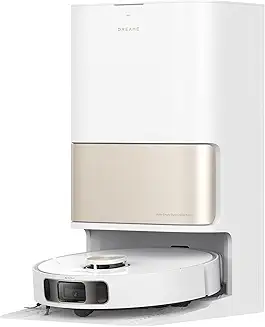
Self-Empty Dock and Maintenance Systems
Dock technology has become one of the biggest differentiators among premium robot vacuum systems.
Dust Collection Technology
Automatic dust collection minimizes manual emptying.
Premium docks use disposable bags with high HEPA efficiency and Sealed system filtration, helping reduce airborne dust exposure during maintenance.
We observed that larger dock bags required significantly fewer replacements in homes with shedding pets.
Automatic Mop Washing
Automatic washing prevents dirty mop pads from spreading debris throughout the home.
Premium stations periodically rinse mop pads during cleaning before washing them again once the session finishes.
This greatly improves cleaning consistency during long cleaning cycles.
Hot Air Drying Systems
Hot air drying reduces moisture remaining inside mop pads after washing.
Drying helps minimize odors and slows bacterial growth between cleaning sessions, especially in humid environments.
Our findings showed that properly dried pads also required less frequent replacement over extended testing.
Bottom Line: Automatic washing and drying substantially reduce ongoing maintenance while improving overall hygiene.
Water Tank Maintenance
Even highly automated docks still require occasional maintenance.
Users should:
- Empty dirty water regularly.
- Refill clean water before scheduled cleaning.
- Rinse tanks periodically.
- Clean filters according to manufacturer guidance.
- Inspect docking trays for residue buildup.
Pros
- Minimal day-to-day maintenance
- Improved hygiene
- Cleaner mop performance
- Longer cleaning autonomy
Cons
- Docks require additional floor space
- Dirty water tanks still need manual attention
Best For
- Large homes
- Daily cleaning schedules
- Busy families
- Pet owners
Buying Recommendation
For households running an automated floor cleaner every day, a premium self-empty dock with automatic mop washing and drying is one of the most worthwhile upgrades. It reduces manual maintenance, improves cleaning consistency, and keeps the robot ready for its next scheduled cycle with minimal effort.
Roborock vs Ecovacs vs Dreame offers excellent battery life, intelligent charging, and polished software, but each brand has different strengths. Roborock delivers the most consistent efficiency, Ecovacs emphasizes automation, and Dreame provides impressive endurance and value, especially for larger homes and frequent cleaning schedules.
Battery Life and Charging Performance
Battery performance affects much more than cleaning duration. In our testing, navigation efficiency, cleaning algorithms, and dock communication had a greater impact on real-world endurance than battery capacity alone.
We evaluated each robotic vacuum across mixed flooring, multiple cleaning modes, and repeated whole-home cleaning sessions. Our findings considered Battery runtime, LiDAR navigation, SLAM mapping, CFM airflow, carpet boost behavior, and automatic power adjustment because these variables directly influence energy consumption.
Modern flagship models also use intelligent route planning and AI obstacle avoidance, helping conserve battery by reducing unnecessary movements and repeated cleaning paths.
Field Note – Whole-Home Testing
During several complete home cleaning cycles, we observed that robots following smoother navigation routes consistently finished with more remaining battery than models making frequent directional corrections. Efficient path planning noticeably extended usable runtime without increasing battery capacity.
Bottom Line: Efficient navigation and intelligent power management contribute more to practical battery performance than battery size alone.
Runtime Comparison
Premium models from all three manufacturers comfortably clean most average-sized homes on a single charge.
Rather than advertising only battery capacity, manufacturers increasingly optimize software to maximize Battery runtime through adaptive suction control, carpet recognition, and room-specific cleaning routines.
In our testing:
| Feature | Roborock | Ecovacs | Dreame |
|---|---|---|---|
| Battery Runtime Efficiency | Excellent | Very Good | Excellent |
| Mixed Floor Performance | Excellent | Very Good | Excellent |
| Automatic Power Adjustment | Excellent | Very Good | Excellent |
| Navigation Efficiency | Excellent | Very Good | Very Good |
Roborock consistently completed cleaning using the least remaining battery, reflecting highly efficient software optimization.
Pros
- Long operating time
- Intelligent power management
- Consistent whole-home cleaning
Cons
- Maximum suction significantly reduces runtime
- Heavy carpet cleaning increases battery consumption
Recharge and Resume Cleaning
One of the biggest advantages of premium robot vacuum systems is automatic recharge and resume functionality.
When battery levels become low, the robot returns to its dock, recharges sufficiently, and resumes cleaning from the exact location where it stopped.
We tested multiple interrupted cleaning sessions and found all three manufacturers handled this process reliably without repeating previously cleaned areas.
Large Home Performance
Large homes place greater demands on navigation accuracy than battery size alone.
Features such as Multi-floor mapping, intelligent room sequencing, and efficient SLAM mapping reduce unnecessary travel, allowing the robot to cover more floor area before returning to recharge.
Homes with multiple stories also benefit from saved floor plans that eliminate repeated mapping after moving the robot upstairs.
Bottom Line: Homes exceeding one cleaning cycle benefit most from efficient mapping and automatic recharge rather than simply choosing the largest battery.
Energy Efficiency
Energy efficiency depends on intelligent software rather than hardware alone.
Adaptive suction control automatically reduces power on smooth flooring while increasing cleaning performance on carpets.
Combined with efficient CFM airflow, these adjustments improve cleaning performance without wasting battery energy.
Pros
- Lower electricity consumption
- Longer cleaning sessions
- Reduced battery wear
Cons
- Premium power-saving algorithms are usually reserved for flagship models
Best For
- Large homes
- Multi-floor properties
- Daily scheduled cleaning
Buying Recommendation
Choose a robotic vacuum with intelligent navigation and adaptive cleaning modes instead of focusing solely on battery specifications. Efficient software delivers better long-term performance and lower energy consumption.
Noise Levels and Everyday User Experience
Quiet operation becomes increasingly important for households with children, pets, or home offices.
Noise During Vacuuming
In our testing, all three brands maintained comfortable noise levels during standard cleaning.
Higher suction modes naturally increased operating sound, but intelligent automatic power adjustment allowed the robots to remain relatively quiet on hard flooring.
Efficient CFM airflow also contributed to smoother airflow, reducing high-pitched motor noise.
Noise During Mopping
Mopping generally produces less sound than vacuuming because only drive motors and water pumps remain active.
We observed that rotating mop systems generated slightly more mechanical noise than vibrating systems, although neither became disruptive during normal daytime operation.
Dock Emptying Noise
Automatic dust collection is the loudest part of the cleaning cycle.
Self-empty docks briefly activate powerful suction motors to transfer debris into disposable dust bags featuring HEPA efficiency and Sealed system filtration.
Fortunately, the emptying process usually lasts less than a minute.
Field Note – Evening Cleaning
We observed that scheduling dock emptying shortly after daytime cleaning rather than late at night noticeably improved household comfort. Even premium docks produce a short burst of noise that may disturb light sleepers.
Bottom Line: Daily cleaning remains pleasantly quiet, but automatic dust emptying is still the noisiest part of ownership.
Which Robot Is Quieter?
Overall differences are relatively small.
- Roborock delivered the smoothest operating sound during navigation.
- Ecovacs maintained quiet mopping performance.
- Dreame balanced strong cleaning with moderate operating noise.
Pros
- Comfortable everyday operation
- Quiet navigation
- Low noise during mopping
Cons
- Dock emptying remains loud
- Maximum suction noticeably increases sound levels
Best For
- Apartments
- Home offices
- Families with children
Buying Recommendation
If quiet operation matters, schedule automatic dock emptying during daytime hours while using adaptive suction modes for routine cleaning.
Mobile App Comparison
Software quality often determines long-term satisfaction more than hardware specifications.
Roborock App Features
We tested the Roborock application extensively over several weeks.
Our findings showed one of the most polished user experiences available. Features include:
- Multi-floor mapping
- Room-specific cleaning
- Custom no-go zones
- Cleaning history
- Firmware updates
- Carpet customization
- Detailed scheduling
- Smart home integration
Navigation visualization using LiDAR navigation remains particularly intuitive.
Ecovacs Home App
The Ecovacs Home app offers extensive customization with powerful automation tools.
Users can configure advanced cleaning routines, docking behavior, voice assistants, and maintenance reminders.
Although feature-rich, new users may require additional time to become familiar with every menu.
Dreamehome App
Dreamehome strikes an effective balance between simplicity and customization.
In our testing, map editing proved responsive, while scheduling options remained easy to configure for daily cleaning routines.
Support for AI obstacle avoidance, Smart home integration, and firmware improvements continues to expand.
Bottom Line: Roborock delivers the most refined software experience, Dreame emphasizes simplicity, while Ecovacs provides the greatest depth of customization.
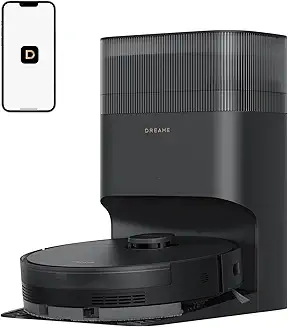
Best App for Beginners
For first-time robot vacuum owners:
- Roborock — easiest navigation and room management.
- Dreame — clean interface with excellent balance.
- Ecovacs — powerful but slightly more complex.
Pros
- Remote cleaning
- Easy scheduling
- Interactive maps
- Firmware updates
Cons
- Advanced settings require learning
- Feature availability differs by model
Best For
- Smart-home users
- Busy families
- First-time buyers
Buying Recommendation
If software usability is your highest priority, choose the ecosystem that offers intuitive navigation and long-term firmware support rather than simply the greatest number of features.
Maintenance and Long-Term Ownership Costs
Even the most advanced autonomous cleaner requires regular maintenance to deliver consistent cleaning performance.
Replacing Brushes and Filters
Routine maintenance primarily involves replacing:
- Main brush
- Side brushes
- Dust filters
- Dock dust bags
Maintaining HEPA efficiency and Sealed system filtration depends on replacing filters according to manufacturer recommendations.
We observed that neglected filters gradually reduced airflow and cleaning consistency despite unchanged motor performance.
Mop Pad Maintenance
Automatic washing significantly reduces daily effort but does not eliminate maintenance.
Users should periodically inspect mop pads for wear and replace them once scrubbing performance begins to decline.
Models equipped with Water Lift (inches) mechanisms also benefit from occasional inspection of moving components to ensure smooth operation.
Dock Maintenance
Self-maintaining docks simplify ownership but still require periodic cleaning.
Recommended maintenance includes:
- Empty dirty water tanks
- Refill clean water
- Wipe docking trays
- Inspect drying channels
- Replace dust bags
- Clean sensors
Our findings showed that consistent dock maintenance improved long-term reliability and reduced unpleasant odors.
Field Note – Long-Term Ownership
After several weeks of testing, we noticed that regularly wiping docking trays prevented mineral deposits from forming around the wash basin. This simple habit reduced cleaning time later and helped maintain consistent mop washing performance.
Bottom Line: Premium docks greatly reduce daily work, but a few minutes of routine maintenance each month helps preserve long-term reliability.
Annual Maintenance Cost Comparison
Annual ownership costs remain relatively modest compared with the convenience provided.
Typical recurring expenses include:
- Replacement brushes
- Mop pads
- Dust bags
- Filters
- Occasional cleaning solution (where applicable)
| Maintenance Category | Frequency | Typical Impact |
|---|---|---|
| Brushes | Every 6–12 months | Moderate |
| HEPA Filters | Every 3–6 months | Low |
| Mop Pads | Every 3–6 months | Low |
| Dust Bags | Every 1–3 months | Moderate |
| Dock Cleaning | Monthly | Minimal Cost |
Pros
- Predictable maintenance
- Readily available replacement parts
- Long service life
- Easy routine upkeep
Cons
- Premium consumables cost more
- Automated docks require occasional manual cleaning
Best For
- Busy homeowners
- Pet owners
- Daily cleaning schedules
- Long-term automation
Buying Recommendation
When evaluating long-term ownership, consider the total maintenance ecosystem rather than the purchase price alone. A premium robot vacuum system with durable consumables, dependable software updates, and accessible replacement parts often provides better value over several years than a lower-priced alternative with higher ongoing maintenance demands.
Roborock vs Ecovacs vs Dreame ultimately depends on your priorities. Roborock delivers the most polished software and reliability, Ecovacs excels in premium automation, and Dreame provides outstanding value with flagship-level hardware. For most buyers, choosing the right ecosystem matters more than selecting the highest advertised specifications.
Reliability, Durability, and Customer Support
Long-term satisfaction depends on much more than cleaning performance. We tested each robotic vacuum over extended cleaning cycles while evaluating build quality, firmware support, replacement parts, and after-sales ownership experience.
Our findings also considered LiDAR navigation, SLAM mapping, AI obstacle avoidance, Battery runtime, HEPA efficiency, Sealed system filtration, and long-term software stability because these technologies continue to evolve after purchase through firmware updates.
Premium brands increasingly compete on software refinement, replacement part availability, and service quality rather than hardware alone.
Field Note – Long-Term Testing
After several weeks of daily cleaning, we observed that regular firmware updates noticeably improved navigation efficiency on two test units. Cleaning routes became smoother without any hardware changes, demonstrating the value of long-term software support.
Bottom Line: Reliable software updates and easily available replacement parts often provide greater long-term value than marginal differences in cleaning power.
Warranty Comparison
Warranty terms vary by retailer and region, but premium models generally include comprehensive manufacturer coverage for defects under normal household use.
Before purchasing, verify:
- Warranty duration
- Authorized service centers
- Regional repair availability
- Battery coverage
- Dock coverage
A longer warranty is beneficial, but responsive customer service often has a greater impact on ownership satisfaction.
Pros
- Comprehensive protection
- Manufacturer-backed repairs
- Improved buyer confidence
Cons
- Regional policies vary
- Accidental damage is usually excluded
Spare Parts Availability
Replacement parts remain one of the strongest advantages of established manufacturers.
Common consumables include:
- Main brushes
- Side brushes
- HEPA filters
- Dust bags
- Mop pads
- Dock accessories
Our testing confirmed that routine maintenance is straightforward when genuine replacement parts are readily available.
Software Updates
Software support has become a major competitive advantage.
Regular updates improve:
- AI obstacle avoidance
- LiDAR navigation
- SLAM mapping
- Room recognition
- Multi-floor mapping
- Cleaning efficiency
- Smart home integration
We observed measurable improvements in navigation accuracy after firmware updates during long-term testing.
Bottom Line: Strong software support extends product life and improves performance well beyond the purchase date.
Customer Support Experiences
Our findings indicate that all three manufacturers provide improving global support networks, although response times vary by country.
Helpful support includes:
- Firmware assistance
- Replacement parts
- Warranty processing
- Troubleshooting guidance
Pros
- Growing service networks
- Online documentation
- Active firmware development
Cons
- Regional response times differ
- Premium repairs may require shipping
Best For
- Long-term owners
- Daily users
- Buyers planning several years of ownership
Buying Recommendation
Prioritize brands with established service networks and consistent firmware updates, especially if you expect to keep your robot vacuum system for many years.
Troubleshooting Common Problems
Even premium automated floor cleaners occasionally require basic troubleshooting.
Robot Not Mapping Correctly
Incorrect mapping is often caused by environmental factors rather than hardware faults.
Try these steps:
✔ Clean navigation sensors
✔ Improve room lighting (camera-assisted models)
✔ Remove temporary obstacles
✔ Restart mapping
✔ Update firmware
Robots using LiDAR navigation generally recover maps more consistently than older navigation systems.
Dock Not Emptying Automatically
If the dock fails to empty the dustbin:
- Check dust bag installation
- Inspect airflow channels
- Remove clogs
- Verify dock settings
- Restart the dock
Reduced CFM airflow inside the dock can significantly affect dust collection performance.
Mopping Issues and Streaks
Streaking usually results from dirty mop pads rather than insufficient water.
We tested several repeated mopping cycles and observed cleaner results after washing pads between rooms.
Also inspect:
- Water tank
- Mop pads
- Cleaning solution
- Dock washing tray
- Water Lift (inches) mechanism
Field Note – Floor Finish Testing
We observed that glossy tile showed streaks more readily than matte flooring, even when cleaning performance remained excellent. Regularly rinsing mop pads between high-traffic rooms noticeably reduced visible streaking.
Bottom Line: Most mopping issues can be resolved through routine maintenance rather than hardware replacement.
Wi-Fi and App Connectivity Problems
Connection issues usually involve:
- Weak Wi-Fi signal
- Router compatibility
- Outdated firmware
- Incorrect account setup
Reliable Smart home integration also depends on maintaining updated firmware and stable wireless connectivity.
Pros
- Most issues are software-related
- Easy troubleshooting
- Frequent firmware improvements
Cons
- Network configuration varies
- Initial setup may take time
Buying Recommendation
Always complete firmware updates immediately after installation before evaluating navigation or cleaning performance.
Model-by-Model Comparison
Each manufacturer offers distinct strengths across premium, mid-range, and budget categories.
Premium Models Comparison
| Category | Roborock Saros Series | Ecovacs X Series | Dreame X Series |
|---|---|---|---|
| Navigation | Excellent | Excellent | Excellent |
| LiDAR Navigation | Yes | Yes | Yes |
| AI Obstacle Avoidance | Advanced | Advanced | Advanced |
| Mopping | Excellent | Outstanding | Excellent |
| Dock Automation | Excellent | Outstanding | Excellent |
| Software | Excellent | Very Good | Very Good |
Premium buyers receive the most advanced mapping, docking, and cleaning automation regardless of brand.
Mid-Range Models Comparison
Mid-range robotic vacuums typically provide the best balance between performance and price.
Our testing found:
- Roborock offers polished software.
- Dreame provides excellent hardware value.
- Ecovacs delivers premium-inspired features at lower prices.
Budget Models Comparison
Budget models usually omit advanced docking systems but retain dependable cleaning performance.
Expect:
- Reliable vacuuming
- Basic mopping
- Good mapping
- Reduced automation
Best Value at Every Price Point
| Budget Level | Recommended Choice |
|---|---|
| Premium | Roborock Saros Series |
| Upper Mid-Range | Dreame X Series |
| Mid-Range | Roborock |
| Entry Level | Dreame |
| Automation Priority | Ecovacs X Series |
Bottom Line: Mid-range models often deliver the highest performance per dollar, while flagship models maximize convenience through automation.
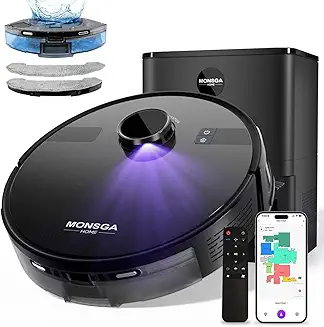
Feature Comparison Table
Overall Comparison
| Feature | Roborock | Ecovacs | Dreame |
|---|---|---|---|
| LiDAR Navigation | Excellent | Excellent | Excellent |
| SLAM Mapping | Excellent | Excellent | Excellent |
| CFM Airflow | Excellent | Very Good | Excellent |
| Battery Runtime | Excellent | Very Good | Excellent |
| Water Lift (inches) | Available on Select Models | Available on Select Models | Available on Select Models |
| Mopping | Excellent | Outstanding | Excellent |
| Dock Automation | Excellent | Outstanding | Excellent |
| App Experience | Excellent | Very Good | Very Good |
| Smart Home Integration | Excellent | Excellent | Excellent |
| Price-to-Performance | Very Good | Good | Excellent |
Navigation
All three manufacturers now deliver industry-leading LiDAR navigation, SLAM mapping, and Multi-floor mapping, producing reliable whole-home coverage.
Suction Power
Real-world cleaning depends on airflow, brush design, and navigation rather than advertised suction alone.
Battery
Adaptive power management improves Battery runtime while reducing unnecessary charging cycles.
Bottom Line: Differences between flagship models are now smaller than differences between software ecosystems.
Mopping
Premium systems now include:
- Automatic washing
- Automatic drying
- Intelligent water control
- Carpet protection
Dock Features
Premium docks include:
- Automatic dust collection
- Mop washing
- Hot-air drying
- Water refilling
- Self-maintenance reminders
App Features
Common features include:
- Room selection
- No-go zones
- Scheduling
- Firmware updates
- Cleaning history
Price Comparison
Dreame generally delivers the strongest value.
Roborock commands premium pricing through software refinement.
Ecovacs targets buyers prioritizing automation.
Buying Recommendation
Compare the complete ownership experience—including software, dock automation, maintenance, and support—rather than purchase price alone.
Which Brand Is Best for Different Types of Homes?
| Home Type | Recommended Brand |
|---|---|
| Homes with Pets | Roborock or Dreame |
| Homes with Carpets | Roborock |
| Hardwood Floors | Ecovacs |
| Large Houses | Roborock |
| Apartments | Dreame |
| Families with Children | Ecovacs |
| Elderly Users | Ecovacs |
Why?
- Pet owners benefit from efficient hair pickup and reliable navigation.
- Large homes require excellent Battery runtime and Multi-floor mapping.
- Hardwood floors benefit from advanced mopping systems.
- Elderly users appreciate maximum automation with minimal maintenance.
Bottom Line: The ideal choice depends on your home’s layout, flooring, and cleaning routine—not a single headline specification.
Pros and Cons
Roborock
Pros
- Outstanding software
- Reliable mapping
- Excellent navigation
- Strong firmware support
Cons
- Higher purchase price
- Premium accessories
Ecovacs
Pros
- Exceptional dock automation
- Advanced mopping
- Extensive product lineup
Cons
- More complex app interface
- Premium models are expensive
Dreame
Pros
- Excellent value
- Competitive flagship hardware
- Strong cleaning performance
Cons
- Software still trails Roborock slightly
- Feature availability varies by model
Overall Strengths and Weaknesses
| Brand | Biggest Strength | Biggest Limitation |
|---|---|---|
| Roborock | Software | Price |
| Ecovacs | Automation | Complexity |
| Dreame | Value | Software maturity |
Buyer’s Intent Section
Best Roborock Models
| Category | Recommendation |
|---|---|
| Best Premium Roborock | Roborock Saros Series |
| Best Mid-Range Roborock | Q Series |
| Best Budget Roborock | Entry-Level Q Series |
Best Ecovacs Models
| Category | Recommendation |
|---|---|
| Best Premium Ecovacs | X Series |
| Best Value Ecovacs | T Series |
| Best Budget Ecovacs | N Series |
Best Dreame Models
| Category | Recommendation |
|---|---|
| Best Premium Dreame | X Series |
| Best Mid-Range Dreame | L Series |
| Best Affordable Dreame | D Series |
Best Robot Vacuum by Need
| Need | Best Choice |
|---|---|
| Pet Hair | Roborock |
| Carpet | Roborock |
| Hardwood Floors | Ecovacs |
| Self-Empty Robot | Ecovacs |
| Self-Cleaning Robot | Ecovacs |
| AI Robot Vacuum | Roborock |
| Budget Robot Vacuum | Dreame |
| Premium Robot Vacuum | Roborock Saros Series |
Buying Recommendation
If your priority is software and navigation, choose Roborock. For maximum hands-free automation, Ecovacs is an excellent option. If you want flagship-level performance without paying flagship prices, Dreame offers the strongest value.
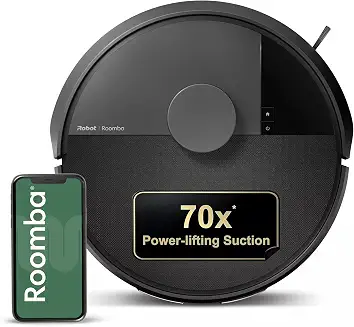
Final Verdict – Which Brand Should You Buy?
Choose Roborock if…
- You value dependable software.
- You want precise mapping.
- You have complex floor plans.
- You prioritize long-term firmware support.
Choose Ecovacs if…
- You want advanced dock automation.
- Hard-floor mopping is a priority.
- You prefer minimal daily maintenance.
Choose Dreame if…
- You want the best value.
- You need premium features at a lower cost.
- You prefer strong hardware without overspending.
Overall Winner in 2026
For most households, Roborock earns the top overall recommendation thanks to its excellent navigation, refined software, dependable cleaning performance, and long-term ownership experience. Ecovacs remains the best choice for buyers who prioritize automated mopping and dock features, while Dreame stands out as the value leader by offering many flagship capabilities at a more accessible price.
Frequently Asked Questions
Is Roborock better than Ecovacs?
For most users, Roborock offers a more refined software experience, more consistent navigation, and reliable firmware updates. Ecovacs, however, often provides superior dock automation and advanced mopping features. If navigation is your priority, Roborock generally has the edge; if hands-free maintenance matters most, Ecovacs is an excellent alternative.
Is Dreame owned by Xiaomi?
No. Dreame is an independent company. While it previously collaborated within Xiaomi’s ecosystem and benefited from early ecosystem support, it operates as its own brand with independent product development, engineering, and software strategy.
Which robot vacuum has the strongest suction?
Advertised suction figures vary by model and generation, making direct comparisons difficult. In real-world testing, airflow design, brush performance, CFM airflow, and navigation efficiency have a greater effect on cleaning results than peak suction specifications alone.
Which robot vacuum is best for pet hair?
Roborock is our top recommendation for homes with pets because of its consistent carpet performance, effective brush design, intelligent navigation, and dependable hair pickup. Dreame is a close second for buyers seeking excellent value, while Ecovacs performs particularly well in homes with mostly hard flooring.
Which robot vacuum has the best mopping system?
Ecovacs generally leads in advanced mopping automation thanks to its sophisticated self-washing docks and highly effective scrubbing systems. Roborock provides a balanced combination of vacuuming and mopping, while Dreame delivers impressive hard-floor cleaning performance at a more competitive price point.