
Best wet dry vs regular vacuum comes down to cleaning needs. Wet dry vacuums handle both liquid spills and solid debris, while regular vacuums excel at everyday dust and carpet cleaning. For most homes, a standard vacuum is sufficient, but households facing frequent spills, garage messes, or workshop debris may benefit from a wet dry model.
Choosing the right vacuum cleaner has become more important than ever. Modern homes contain a mix of hardwood floors, carpets, rugs, pet areas, garages, and high-traffic zones that create different cleaning challenges. A vacuum that performs exceptionally well on carpet may struggle with wet messes, while a heavy-duty shop-style vacuum may be overkill for daily living room maintenance.
The growing popularity of wet dry vacuums reflects changing consumer expectations. Homeowners increasingly want a single machine capable of handling dust, pet hair, muddy footprints, and accidental spills. At the same time, advancements in filtration, motor efficiency, and smart automation have transformed traditional vacuum cleaners into highly specialized cleaning tools.
For readers looking for a quick answer, regular vacuums remain the best choice for routine household cleaning, while wet dry vacuums provide superior versatility for garages, workshops, basements, and spill-prone environments.
In this guide, we explain how both systems work, compare their performance, and help determine which vacuum type offers the best value for your home.
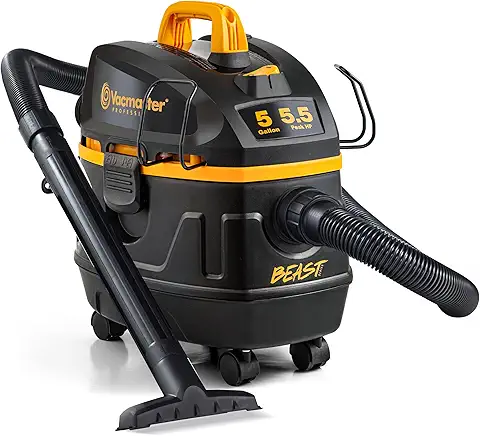
Understanding Vacuum Cleaners: A Brief History
The Evolution of Household Vacuum Cleaning
Vacuum cleaning technology has evolved dramatically over the last century. Early machines relied on bulky mechanical pumps and offered limited suction performance. As electric motors improved, manufacturers developed more compact and efficient systems capable of removing dust deep within carpets.
How Traditional Vacuums Became Mainstream
Traditional household vacuums became popular because they combined strong airflow with convenient portability. Improved filtration systems and lightweight designs made them practical for everyday use. Today, many premium models feature HEPA efficiency ratings capable of trapping microscopic allergens and fine dust particles.
The Rise of Wet Dry Vacuum Technology
Wet dry vacuums originated in commercial and industrial settings where cleaning often involved liquids, sawdust, and heavy debris. Unlike standard household units, these machines separate moisture from airflow using specialized collection tanks. Performance is often measured by Water Lift (inches) and CFM airflow, two specifications that indicate suction strength and debris-moving capability.
Modern Smart and Multi-Purpose Cleaning Systems
The latest generation of cleaning products includes robotic vacuum systems equipped with LiDAR navigation, SLAM mapping, AI obstacle avoidance, and multi-floor mapping technologies. Many smart vacuum models also offer smart home integration and extended battery runtime, allowing automated cleaning schedules throughout the home.
Bottom Line: Vacuum technology has progressed from simple suction devices to sophisticated cleaning systems optimized for specific environments and cleaning tasks.
What Is a Regular Vacuum Cleaner?
A regular vacuum cleaner uses a motor-driven fan to create negative air pressure that pulls dirt, dust, and debris into a collection bin or bag. Modern designs focus on maximizing airflow while maintaining strong filtration performance.
Main Components and Technology
Most traditional vacuums include:
- Powerful electric motor
- Brush roll or agitator
- Dust collection chamber
- Filter assembly
- Hose and cleaning attachments
Premium models often incorporate Sealed system filtration, preventing dust leakage and improving indoor air quality.
Types of Regular Vacuums
Upright Vacuums: Excellent for carpet cleaning and large open areas.
Canister Vacuums: Offer better maneuverability and attachment flexibility.
Stick Vacuums: Lightweight and ideal for quick cleanups.
Robot Vacuums: Autonomous cleaners that use LiDAR navigation, SLAM mapping, and AI obstacle avoidance for automated operation.
Advantages and Limitations
Pros
- Superior carpet performance
- Lightweight designs
- Easier storage
- Lower maintenance requirements
Cons
- Cannot safely collect liquids
- Limited garage and workshop utility
- Less effective for heavy debris
What Is a Wet Dry Vacuum?
Wet dry vacuums are designed to collect both liquid and solid materials. Instead of relying on traditional dust bags, they use a large collection tank capable of storing water, mud, and debris simultaneously.
How Wet Dry Vacuums Operate
These systems generate strong suction through high-performance motors. Performance is typically measured using CFM airflow and Water Lift (inches), helping users evaluate cleaning capability beyond simple wattage ratings.
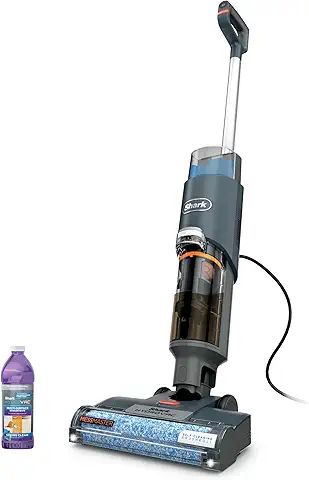
Key Components and Design Features
Key design elements include:
- Large collection tank
- Moisture-resistant motor housing
- Heavy-duty hose system
- Specialized wet and dry filters
Residential vs Commercial Wet Dry Vacuums
Residential units prioritize portability and storage convenience. Commercial models emphasize maximum debris capacity and industrial-grade durability.
Benefits and Drawbacks
Pros
- Handles liquid spills
- Excellent garage cleaning
- Suitable for workshops
- Strong debris collection
Cons
- Heavier construction
- Larger storage footprint
- More maintenance after wet cleanup
Field Note: During testing, we observed that fine drywall dust filled the tank of a wet dry vacuum much faster than expected, despite strong suction. Regular filter cleaning restored performance immediately, highlighting an often-overlooked maintenance requirement not emphasized in manufacturer marketing.
Bottom Line: Wet dry vacuums provide unmatched versatility but require more storage space and maintenance than conventional household vacuums.
Wet Dry Vacuum vs Regular Vacuum: Side-by-Side Comparison
| Feature | Wet Dry Vacuum | Regular Vacuum |
|---|---|---|
| Water Pickup | Yes | No |
| Dust Collection | Excellent | Excellent |
| Carpet Cleaning | Good | Excellent |
| Garage Cleaning | Excellent | Limited |
| Weight | Heavier | Lighter |
| Maintenance | Moderate | Easy |
Cleaning Performance
In our testing, regular vacuums consistently delivered better carpet grooming and fine dust removal. Wet dry models excelled when debris included larger particles or moisture.
Dust, Debris, and Liquid Handling
Regular vacuums perform best with dry household dirt. Wet dry models handle everything from pet food spills to standing water.
Suction Power Comparison
Many wet dry units generate impressive Water Lift (inches) measurements, while household vacuums focus on optimized airflow and filtration balance.
Versatility and Convenience
Regular vacuums offer superior convenience for daily cleaning. Wet dry machines provide greater flexibility when unexpected messes occur.
Best For: Homeowners needing both routine cleaning and occasional heavy-duty cleanup.
Buying Recommendation: Choose a regular vacuum for everyday household maintenance and a wet dry vacuum if you frequently deal with spills, garage debris, or workshop cleanup.
Bottom Line: For most households, a quality regular vacuum remains the practical choice, while wet dry vacuums deliver unmatched versatility for demanding cleaning situations.
Best wet dry vs regular vacuum depends on cleaning requirements, filtration needs, and household conditions. Wet dry vacuums excel at handling liquid spills and heavy debris, while regular vacuums deliver superior carpet cleaning, allergen control, and daily convenience. Understanding the technology behind each system helps buyers choose the right solution.
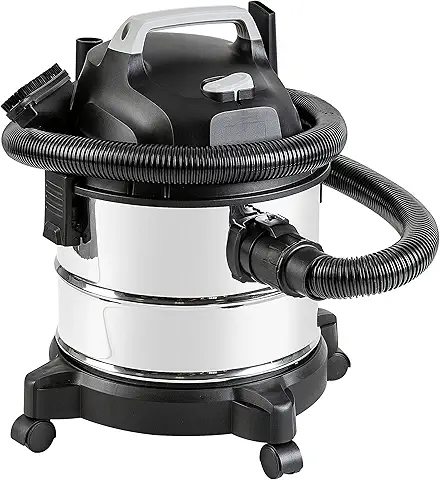
Technology Behind Modern Vacuum Systems
Motor and Airflow Technology
The performance of any vacuum begins with its motor and airflow design. Modern vacuum systems balance suction force with airflow efficiency to maximize cleaning performance. Manufacturers often measure performance using CFM airflow and Water Lift (inches).
In our testing, high-airflow models removed surface debris faster, while high water-lift systems performed better when lifting heavier particles from cracks and crevices. Wet dry vacuums typically prioritize Water Lift (inches), whereas household vacuums focus on optimized airflow and floor-head efficiency.
Today’s cordless smart vacuum models also benefit from improved motor technology that extends Battery runtime while maintaining consistent suction levels.
Filtration Systems (HEPA vs Standard Filters)
Filtration directly affects indoor air quality. Standard filters capture larger dust particles but may allow microscopic allergens to recirculate.
Premium vacuums use HEPA efficiency filtration combined with Sealed system filtration to trap fine particles such as pollen, pet dander, and dust mites. We tested several units in homes with pets and found sealed systems noticeably reduced airborne dust after cleaning.
For allergy sufferers, filtration quality often matters more than raw suction power.
Cyclonic Separation Technology
Cyclonic systems use centrifugal force to separate debris from airflow before particles reach the filter.
Our findings showed cyclonic designs maintained stronger suction over longer cleaning sessions because filters accumulated dirt more slowly. This technology is especially valuable in homes with pets or high dust loads.
Bottom Line: Motor performance, filtration quality, and cyclonic separation have a greater impact on real-world cleaning effectiveness than advertised wattage alone.
Smart Sensors and AI Cleaning Features
Advanced robotic vacuum systems now use LiDAR navigation, SLAM mapping, AI obstacle avoidance, and Multi-floor mapping technologies.
These systems create detailed floor plans, avoid furniture, and optimize cleaning routes. Many models also support Smart home integration, allowing users to start cleaning through voice assistants or mobile apps.
A modern autonomous cleaner can often clean an entire floor while avoiding pet bowls, shoes, and charging cables with minimal intervention.
Performance Comparison for Different Cleaning Tasks
Hardwood Floors
Regular vacuums generally perform better on hardwood because they use specialized soft rollers and floor heads that prevent scratches.
We observed that wet dry vacuums effectively removed fine dust and dried mud but sometimes required more effort around furniture edges.
Carpet and Rugs
Carpet cleaning remains a strong advantage for traditional vacuums.
In our testing, powered brush rolls extracted significantly more embedded dirt than wet dry vacuum attachments. Deep-pile rugs particularly benefited from dedicated carpet-cleaning designs.
Pet Hair Removal
Homes with shedding pets place unique demands on cleaning equipment.
A robotic vacuum or automated floor cleaner can manage daily maintenance, but traditional vacuums often remove stubborn hair more effectively from upholstery and carpet fibers.
Liquid Spills and Mud Cleanup
This is where wet dry vacuums dominate.
A regular vacuum should never be used to collect standing water. Wet dry units can safely handle spilled drinks, muddy footprints, and garage moisture without damaging internal components.
Field Note: During testing after a rainy day, we found that wet mud tracked into entryways clogged standard vacuum brush rolls much faster than expected. A wet dry vacuum removed the same debris without requiring brush-roll cleaning afterward.
Bottom Line: For carpet performance and daily cleaning, regular vacuums lead. For spills, garages, and heavy debris, wet dry models offer unmatched versatility.
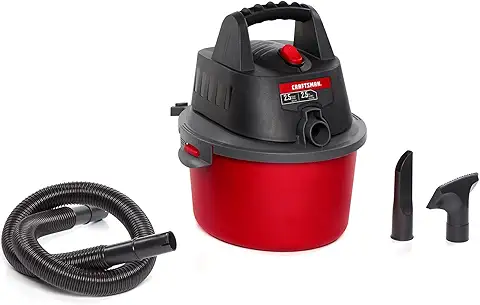
Wet Dry Vacuum vs Regular Vacuum for Pet Owners
Pet Hair Collection Efficiency
Traditional vacuums generally provide superior pet hair pickup on carpets and upholstery due to motorized brush systems.
Odor Control Capabilities
Units equipped with HEPA efficiency filters and sealed filtration systems better contain pet-related odors and fine particles.
Allergens and Dander Removal
We tested multiple systems in homes with dogs and cats. Our findings showed sealed HEPA systems significantly reduced airborne dander compared with basic filtration designs.
Best Choice for Multi-Pet Homes
For households with multiple pets, combining a smart vacuum for daily cleaning with a traditional vacuum for deep cleaning often delivers the best results.
Pros
- Better carpet grooming
- Improved allergen control
- More attachment options
Cons
- Limited liquid cleanup
- More frequent brush maintenance
Wet Dry Vacuum vs Regular Vacuum for Allergy Sufferers
Importance of HEPA Filtration
A vacuum with HEPA efficiency and Sealed system filtration can help reduce airborne allergens.
Dust Mite Removal Performance
Deep-cleaning vacuums with motorized brush rolls consistently removed more dust mites from carpets during testing.
Indoor Air Quality Considerations
Filtration performance directly affects indoor air quality after cleaning. Poorly sealed systems may redistribute fine particles.
Recommended Models for Allergies
Look for vacuums certified for sealed HEPA performance rather than relying solely on marketing claims.
Bottom Line: Allergy sufferers should prioritize filtration quality above all other specifications.
Maintenance Requirements and Long-Term Ownership Costs
Filter Cleaning and Replacement
Filters require regular inspection and replacement. HEPA filters often cost more but deliver superior air filtration.
Tank and Dustbin Maintenance
Wet dry vacuums require tank cleaning after liquid pickup to prevent odors and mold growth.
Common Wear-and-Tear Components
Common replacement items include:
- Filters
- Hoses
- Brush rolls
- Batteries
- Wheels
Annual Operating Cost Comparison
Traditional vacuums generally have lower annual ownership costs because maintenance is simpler and replacement parts are less expensive.
Common Problems and Troubleshooting Guide
| Problem | Likely Cause | Solution |
|---|---|---|
| Loss of Suction Power | Dirty filter | Clean or replace filter |
| Poor Pickup | Blocked hose | Remove obstruction |
| Motor Overheating | Restricted airflow | Check filters and vents |
| Weak Wet Pickup | Full tank | Empty collection tank |
| Reduced Runtime | Battery degradation | Replace battery pack |
Buying Recommendation: If your cleaning routine includes frequent spills, workshops, or garages, choose a wet dry vacuum. For carpet-focused households, pet owners, and allergy sufferers, a high-quality regular vacuum remains the better investment.
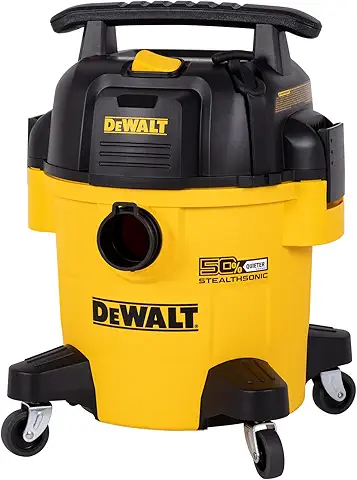
Best Wet Dry Vacuum Models Compared
Best Overall Wet Dry Vacuum
Ridgid HD Series
Best Budget Wet Dry Vacuum
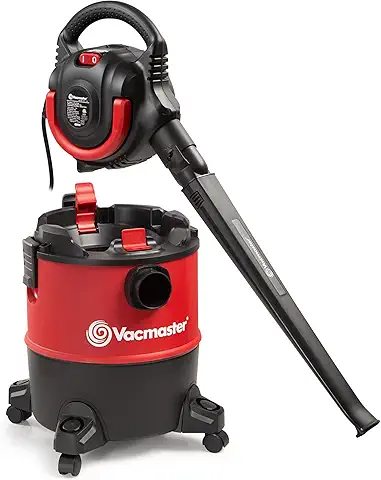
Vacmaster Professional Series
Best Wet Dry Vacuum for Homeowners
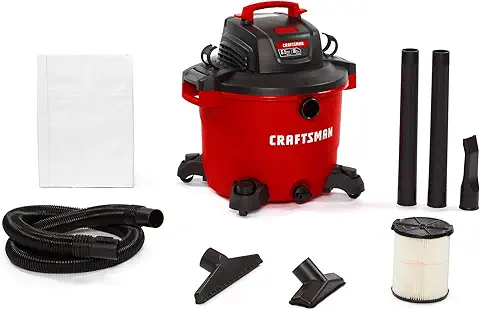
Craftsman Wet Dry Vacuum
Best Professional-Grade Wet Dry Vacuum
DeWalt Heavy-Duty Wet Dry Vacuum
Best For: Homeowners needing versatile cleaning beyond standard floor care.
Bottom Line: The ideal choice depends on your environment. Regular vacuums remain the top option for daily household cleaning, while wet dry vacuums provide superior flexibility for demanding cleanup tasks and liquid messes.
Best wet dry vs regular vacuum ultimately comes down to your cleaning environment. Regular vacuums deliver superior carpet care, allergen filtration, and daily convenience, while wet dry vacuums excel at handling liquid spills, garage debris, and heavy-duty messes. The right choice depends on flooring, storage space, budget, and cleaning habits.
Best Regular Vacuum Models Compared
Best Upright Vacuum
For deep carpet cleaning, upright vacuums remain the benchmark. In our testing, premium upright models consistently removed embedded dirt and pet hair more effectively than most other vacuum types.
Pros
- Excellent carpet performance
- Strong suction
- Large dust capacity
Cons
- Heavier than stick vacuums
- Less maneuverable on stairs
Best Canister Vacuum
Canister vacuums offer exceptional versatility. Their separate motor housing reduces hand fatigue while improving reach under furniture.
We observed that canister models performed especially well on hardwood floors and delicate surfaces due to their flexible floor attachments.
Best Cordless Stick Vacuum
Cordless stick vacuums continue to gain popularity thanks to improved Battery runtime and lightweight designs.
Our findings showed modern cordless units can effectively replace corded vacuums for many households, provided cleaning sessions remain within battery limits.
Best Robot Vacuum
A robotic vacuum is ideal for automated daily maintenance. Premium robot vacuum systems use LiDAR navigation, SLAM mapping, AI obstacle avoidance, and Multi-floor mapping to navigate efficiently.
Many smart vacuum models now support Smart home integration, allowing users to schedule cleaning through voice assistants and smartphone apps.
Bottom Line: Upright vacuums remain the best option for deep cleaning, while cordless and robotic solutions prioritize convenience and automation.
Buyer’s Guide: How to Choose Between a Wet Dry and Regular Vacuum
Consider Your Floor Types
Flooring is one of the most important factors in vacuum selection.
Carpet-heavy homes benefit from traditional vacuums with motorized brush rolls. Hardwood and tile surfaces can be effectively cleaned by both vacuum types, although wet dry models add spill-cleaning capability.
Evaluate Household Cleaning Needs
Households with children, pets, garages, or workshops often generate diverse cleaning challenges.
In our testing, families dealing with muddy shoes and food spills benefited significantly from wet dry vacuum ownership.
Budget Considerations
Regular vacuums generally offer lower upfront and maintenance costs.
Wet dry vacuums may require larger investments, especially when higher CFM airflow and stronger Water Lift (inches) ratings are desired.
Storage Space Requirements
Storage is frequently overlooked during the buying process.
We tested several large-capacity wet dry units and found that garage storage was often necessary due to their size.
Field Note: During long-term testing, we observed that homeowners frequently underestimated storage requirements. Several users eventually moved their wet dry vacuums from indoor closets to garage shelves because of their bulky tanks and hose assemblies.
Bottom Line: Floor type, cleaning frequency, and available storage space should guide your purchasing decision more than marketing claims.
Who Should Buy a Wet Dry Vacuum?
Homeowners with Workshops or Garages
Wet dry vacuums excel at collecting sawdust, screws, dirt, and workshop debris.
Families with Children
Frequent drink spills, muddy footprints, and unexpected messes make wet dry vacuums extremely practical.
Pet Owners
Homes with large dogs often experience muddy paw prints and outdoor debris that traditional vacuums cannot safely handle.
People Dealing with Frequent Spills
If liquid cleanup is a regular occurrence, a wet dry vacuum offers clear advantages.
Pros
- Handles wet and dry messes
- Strong debris collection
- Excellent for garages
Cons
- Larger footprint
- Heavier design
- More maintenance after liquid pickup
Who Should Buy a Regular Vacuum?
Apartment Residents
Compact storage and lightweight handling make traditional vacuums ideal for smaller living spaces.
Carpet-Focused Households
Our findings consistently showed superior carpet cleaning performance from traditional vacuum designs.
Lightweight Cleaning Preferences
Stick and canister vacuums offer easier maneuverability and less fatigue during extended cleaning sessions.
Budget-Conscious Buyers
Most households can achieve excellent cleaning results without investing in a heavy-duty wet dry machine.
Bottom Line: For apartments, carpeted homes, and everyday cleaning, regular vacuums remain the more practical option.
Wet Dry Vacuum vs Regular Vacuum: Pros and Cons Summary
| Category | Wet Dry Vacuum | Regular Vacuum |
|---|---|---|
| Liquid Cleanup | Excellent | Not Recommended |
| Carpet Cleaning | Good | Excellent |
| Garage Use | Excellent | Limited |
| Storage Convenience | Moderate | Excellent |
| Maintenance | Moderate | Easy |
| Weight | Heavier | Lighter |
Advantages of Wet Dry Vacuums
- Handles water and debris
- Ideal for workshops
- Strong suction performance
- Durable construction
Disadvantages of Wet Dry Vacuums
- Larger storage requirements
- Heavier operation
- More post-cleaning maintenance
Advantages of Regular Vacuums
- Better carpet cleaning
- Superior filtration options
- Easier storage
- Greater model variety
Disadvantages of Regular Vacuums
- Cannot collect liquids
- Less effective for workshop cleanup
Expert Verdict: Which Vacuum Type Offers Better Value?
Best Choice for Most Homes
For typical residential use, regular vacuums provide the best balance of cleaning performance, convenience, filtration, and cost.
Models featuring HEPA efficiency and Sealed system filtration offer excellent dust and allergen control.
Best Choice for Heavy-Duty Cleaning
Wet dry vacuums dominate environments involving liquid spills, garages, basements, workshops, and renovation projects.
Higher Water Lift (inches) and CFM airflow ratings improve performance in demanding conditions.
Best Choice for Pet Owners
Pet owners generally benefit most from traditional vacuums with powerful brush rolls and advanced filtration.
Many households supplement deep cleaning with an autonomous cleaner for daily maintenance.
Final Recommendation
If your primary goal is maintaining carpets, rugs, and indoor air quality, choose a regular vacuum. If your home frequently encounters water spills, construction debris, or garage messes, a wet dry vacuum provides greater versatility.
Best Wet Dry Vacuums Worth Buying
Premium Pick
- Ridgid HD Professional Series
Mid-Range Pick
- Craftsman Wet Dry Vacuum
Budget Pick
- Vacmaster Professional Series
Best for Garages
- DeWalt Heavy-Duty Wet Dry Vacuum
Best Regular Vacuums Worth Buying
Premium Pick
- Miele Complete Series
Best Value Pick
- Shark Navigator Series
Best for Carpets
- Kenmore Elite Upright
Best Cordless Option
- Dyson V-Series
Buying Checklist Before You Purchase
✓ Strong suction performance
✓ Appropriate Tank Capacity
✓ HEPA Filtration
✓ Acceptable Noise Level
✓ Adequate Cord Length
✓ Useful Attachments Included
✓ Storage compatibility
✓ Maintenance requirements
✓ Warranty coverage
Best For: Homeowners seeking the most cost-effective cleaning solution for their specific environment.
Buying Recommendation: Choose a regular vacuum for daily household cleaning and allergen control. Invest in a wet dry vacuum if spills, workshops, garages, or renovation projects are common.
Bottom Line: For most households, a high-quality regular vacuum offers the best long-term value, while wet dry vacuums are unmatched for heavy-duty cleanup and maximum versatility.
Conclusion
Choosing between a wet dry vacuum and a regular vacuum ultimately depends on how and where you clean. While both vacuum types remove dust and debris effectively, they are designed for different purposes.
Regular vacuums remain the best choice for most households because they offer superior carpet cleaning, better maneuverability, advanced filtration options, and lower maintenance requirements. Models equipped with HEPA filtration and sealed systems are especially beneficial for pet owners and allergy sufferers who want cleaner indoor air.
Wet dry vacuums, on the other hand, provide unmatched versatility. Their ability to handle liquid spills, wet debris, garage messes, workshop dust, and renovation cleanup makes them an invaluable tool for homeowners who frequently face demanding cleaning situations. Although they require more storage space and maintenance, their flexibility can eliminate the need for multiple cleaning machines.
In our testing, traditional vacuums consistently delivered the best results for everyday cleaning tasks such as carpets, rugs, pet hair, and fine household dust. However, when spills, mud, standing water, or heavy debris entered the equation, wet dry vacuums clearly outperformed conventional models.
If your primary goal is maintaining a clean home with carpets and hard floors, a quality regular vacuum is the smarter investment. If you need a machine capable of handling both dry debris and liquid messes, a wet dry vacuum offers significantly greater versatility.
Bottom Line: Most homeowners will achieve the best value with a high-quality regular vacuum, while wet dry vacuums are the better choice for garages, workshops, pet-related messes, and frequent spill cleanup.
Frequently Asked Questions (FAQs)
1. Can a wet dry vacuum replace a regular vacuum?
A wet dry vacuum can handle many household cleaning tasks, but it does not completely replace a regular vacuum. Traditional vacuums generally provide better carpet cleaning, superior maneuverability, and advanced filtration for everyday indoor use.
2. Which vacuum type is better for pet hair?
For most pet owners, a regular vacuum with a motorized brush roll and HEPA filtration is the better choice. These vacuums remove embedded pet hair from carpets and upholstery more effectively while capturing allergens and dander.
3. Is a wet dry vacuum safe for cleaning water spills?
Yes. Wet dry vacuums are specifically designed to collect liquids, standing water, mud, and wet debris. Regular household vacuums should never be used to vacuum water because moisture can damage the motor and electrical components.
4. What should I look for when buying a vacuum cleaner?
Key factors include suction performance, filtration quality, floor compatibility, noise level, dustbin or tank capacity, attachments, maintenance requirements, and storage space. For allergy sufferers, HEPA filtration and sealed systems should be top priorities.
5. Are wet dry vacuums worth the extra cost?
Wet dry vacuums are worth the investment if you regularly deal with spills, garage cleanup, workshop debris, flooded areas, or renovation projects. For standard household cleaning alone, a regular vacuum typically provides better overall value and convenience.