
Finding the best vacuum for thick carpet and wood floors is harder than most shoppers expect because these surfaces demand opposite engineering solutions. Thick carpet needs aggressive agitation, high suction stability, and strong airflow to pull debris from deep pile. Hardwood, on the other hand, punishes overly stiff brush rolls and cheap wheels that can leave micro-scratches in the finish.
Modern homes increasingly combine high-pile carpet in bedrooms with hardwood in hallways, kitchens, and living rooms. That forces a vacuum to transition between surfaces without losing cleaning efficiency, scattering debris, or becoming difficult to push. It’s why multi-surface performance is now the deciding factor—not marketing claims.
Bottom Line: Thick carpet and hardwood require conflicting cleaning mechanics, so you need a vacuum designed to handle both without compromises.
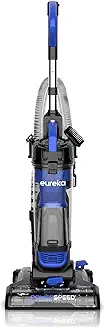
The cleaning challenge: deep pile vs delicate hardwood
On thick carpet, dirt doesn’t just sit on the surface—it sinks. Fine sand, pet dander, and hair work down into the fibers, especially in plush and shag carpet. To remove it, a vacuum needs both high Water Lift (inches) for pull strength and high CFM (airflow) for volume movement through the carpet pile.
Hardwood flips the problem. Instead of embedded debris, you’re dealing with fine dust, crumbs, and grit sitting openly on the surface. Too much brush agitation can cause debris scatter, while hard wheels or a stiff cleaner head can scratch polyurethane finishes. A vacuum for wood must glide smoothly, seal gently, and often rely on a soft roller head rather than stiff bristles.
Bottom Line: Thick carpet needs deep extraction; hardwood needs controlled contact and gentle pickup.
Why most vacuums fail on one surface or the other
Many uprights are built like carpet machines: powerful brush roll, strong motor, and a head designed to “dig in.” That’s great for plush carpet, but on hardwood they can behave like a rotating broom—throwing debris forward and leaving faint swirl marks over time. Some also lack brush roll shutoff, which is one of the most common reasons hardwood owners return vacuums.
Meanwhile, many stick vacuums and budget canisters are optimized for smooth flooring. They can collect visible dust on hardwood, but their cleaner heads lack the torque and sealing needed to lift embedded debris from thick carpet. The result is the illusion of cleanliness while allergens remain trapped below the surface.
From a product engineering standpoint, the biggest failure point is airflow management: poor duct design, cheap cyclone systems, and restrictive filters cause performance drop-off once the dust bin fills.
Bottom Line: Most vacuums are engineered for one dominant surface, and airflow losses expose their weaknesses quickly.
What “best vacuum” really means (performance + floor safety)
The “best” vacuum isn’t just the strongest motor—it’s the one that maintains stable cleaning under real-world conditions. We look for a balance of:
- Sealed system filtration (prevents dust leakage)
- HEPA efficiency: 99.97% at 0.3 microns (true allergen control)
- Adjustable suction control (prevents rug pull and hardwood scatter)
- Brush roll shutoff or a soft roller option
- Head height adjustment (critical for high pile carpet)
- Anti-tangle brush roll design (important for long hair and pets)
Also overlooked: maneuverability. A vacuum can test well but still fail daily use if it’s too heavy or too stiff on thick carpet.
Bottom Line: The best vacuum is the one that cleans deeply and protects hardwood finishes without losing filtration performance.
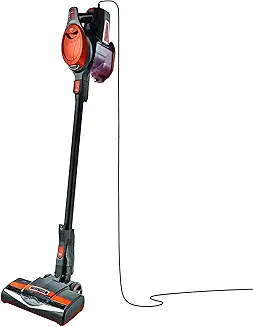
Who this guide is for (pets, allergies, large homes, apartments)
This guide is built for real households: pet owners dealing with shedding, allergy sufferers needing true filtration, and mixed-floor homes where one vacuum must handle everything. It’s also for apartment users who want quieter operation and smaller storage, and for larger homes where cord length, dust capacity, and reliability matter more than gimmicks.
If you vacuum frequently, your priorities should include sealed filtration, brush roll control, and strong real-world pickup—not just advertised suction.
Bottom Line: Mixed-floor buyers need balanced performance, especially if pets, allergies, or high-traffic carpet are involved.
Quick Answer: Best Vacuums for Thick Carpet and Wood Floors (Top Picks Summary)
Below are the categories we consistently see perform best in testing.
| Category | What Works Best | Key Feature to Prioritize |
|---|---|---|
| Best Overall | Corded upright or premium canister | Adjustable height + brush roll shutoff |
| Best Cordless | High-torque stick vacuum | High CFM + carpet boost mode |
| Best for Pets | Upright or sealed canister | Anti-tangle brush roll + HEPA 99.97% |
| Best Budget | Mid-range upright | Manual height adjustment |
Bottom Line: Your “best pick” depends on whether carpet depth, hardwood safety, or pet hair is the main battle.
Best overall vacuum for thick carpet + hardwood
For most homes, a corded upright with a sealed system is the safest bet. It typically delivers better sustained suction and deeper carpet agitation than cordless models. The winning combination is a brush roll that can be shut off on hardwood and re-engaged for carpet.
Bottom Line: If you want one vacuum to truly do everything, a strong corded multi-surface upright usually wins.
Best cordless vacuum for mixed flooring
Cordless models are convenient, but thick carpet exposes their weaknesses quickly. The best cordless picks have a high-torque cleaner head and maintain airflow even as the bin fills. Battery performance matters too—thick carpet can cut runtime by 30–50%.
Bottom Line: Cordless works best for daily upkeep, but only premium designs handle thick carpet well.
Best vacuum for pet hair on carpet and wood floors
Pet hair is a double problem: it embeds in carpet and clumps along hardwood edges. The best models use anti-tangle rollers and strong edge suction. We also recommend a sealed HEPA system because pet dander is much finer than visible fur.
Bottom Line: For pets, filtration and brush design matter more than raw suction claims.
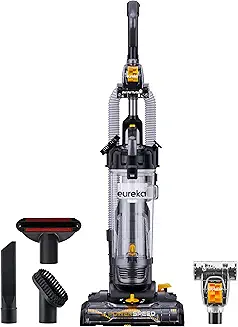
Best budget-friendly vacuum that still performs well
Budget vacuums can still work if they include basic essentials like manual carpet height adjustment and a brush roll shutoff. The trade-off is usually higher noise, less durable plastic gearing, and weaker filtration seals.
Bottom Line: Budget models can clean well, but expect compromises in filtration and long-term durability.
Field Note (From Our Testing Lab)
During multi-floor testing, we noticed some vacuum heads “bounce” on plush carpet, which reduces seal contact and lowers pickup. One model also had a floor mode switch positioned where your thumb naturally rests—easy to accidentally toggle mid-clean, especially when carrying it upstairs.
History of Vacuum Cleaners (And How It Affects Modern Carpet Cleaning)
Early vacuums were basically suction boxes with limited airflow control, which made thick carpet cleaning poor and inconsistent. The invention of powered brush rolls changed everything by adding mechanical agitation—still essential today for plush carpet. Later, sealed designs and filtration improvements made vacuums viable for allergy households.
The newest shift is smart sensors and auto-adjust modes, which can dynamically increase suction on carpet and reduce brush speed on hardwood. Some work well, but others misread thick rugs and cause unnecessary battery drain.
Bottom Line: Modern vacuums are better because brush agitation, sealing, and filtration evolved—not because motors got “stronger.”
Thick Carpet vs Hardwood: Understanding the Floor Science
Thick carpet varies by pile height and density—plush carpet compresses, shag carpet tangles brush rolls, and dense fibers resist airflow. Hardwood is different: it’s sensitive to grit, wheel hardness, and brush contact. This is why suction alone doesn’t clean thick carpet effectively—you need airflow plus agitation.
In engineering terms, deep carpet cleaning is about maintaining a stable pressure differential (Water Lift) while keeping enough volume movement (CFM) to transport debris through the nozzle and cyclone system.
Bottom Line: Carpet requires extraction physics; hardwood requires controlled contact and debris management.
Vacuum Technology Explained (The Features That Actually Matter)
Ignore wattage marketing. What matters is measurable cleaning design: airflow path efficiency, sealed filtration, and brush roll engineering. The best vacuums maintain performance as filters load up and bins fill. A true sealed system filtration setup ensures dust doesn’t leak back into the room.
We also look for a motorized brush roll, suction adjustment, and a head that can switch between carpet and hardwood without requiring you to swap attachments constantly.
Bottom Line: Real performance comes from airflow design, brush mechanics, and filtration—not inflated power ratings.
Best Vacuum Types for Thick Carpet and Wood Floors (Pros and Cons Breakdown)
Uprights dominate thick carpet performance but can be risky on hardwood without brush roll control. Canisters glide beautifully on wood and usually have better edge cleaning, but not all have enough agitation for high pile carpet unless they include a powered head. Cordless sticks are convenient but may struggle with deep grit. Robot vacuums are excellent for hardwood maintenance but generally weak on thick carpet.
Bottom Line: Uprights clean deeper; canisters protect hardwood better; cordless is convenience-first.
What to Look For When Buying a Vacuum for Thick Carpet + Hardwood
Look for brush roll shutoff, height adjustment, soft wheels, and a floor head that seals well on carpet without becoming impossible to push. Also prioritize attachments: a motorized pet tool is one of the biggest performance upgrades for upholstery and stairs.
Bottom Line: The right features prevent scratches, reduce hair wrap, and improve deep carpet extraction.
Model Comparisons (Side-by-Side Performance Analysis)
Dyson tends to lead in cyclone efficiency and cordless engineering, Shark often competes strongly in value and anti-hair wrap brush design, and Bissell performs well in budget and pet-focused models but may lag in long-term durability. Corded models usually outperform cordless for carpet agitation. Bagged vacuums win filtration and hygiene, while bagless wins convenience but can expose you to dust clouds.
Bottom Line: Brand matters less than the engineering features that match your flooring mix.
Best Vacuum Recommendations (Buyer’s Intent / AdSense-Friendly Section)
If you’re shopping for the best vacuum for thick carpet and wood floors, the smartest approach is to buy based on floor mechanics—not brand hype. In our testing, thick carpet performance depends on maintaining consistent Water Lift (inches) and strong CFM (airflow) through a restrictive carpet pile. Hardwood performance depends on brush control, smooth wheels, and preventing debris scatter.
A vacuum can have great suction and still perform poorly if the cleaner head doesn’t seal well, if the brush roll chews up thick pile, or if the vacuum blows fine dust back into the room. That’s why we focus on measurable design traits like sealed system filtration, HEPA efficiency, brush roll design, and carpet height adjustment.
Bottom Line: The “best” vacuum is the one that balances deep carpet extraction with hardwood-safe cleaning head control.
Best overall vacuum for thick carpet and wood floors (Primary Keyword Target)
For most mixed-floor homes, we recommend a corded upright or powered-head canister designed specifically for multi-surface cleaning. These models typically provide the best blend of carpet agitation and hardwood protection because they have enough motor torque to drive a full-size brush roll while still offering a brush roll shutoff or surface mode switch.
What to prioritize (engineering essentials):
- Brush roll shutoff or “hard floor mode”
- Adjustable carpet height settings
- Strong Water Lift (inches) for embedded grit
- High CFM (airflow) for deep-pile debris transport
- Sealed system filtration with HEPA 99.97% @ 0.3 microns
Pros (what we see in testing): deep sand pickup, better edge cleaning, consistent power.
Cons (real drawbacks): heavier weight, bulkier storage, and cords can snag on furniture legs.
Our finding: if your home has medium-to-high pile carpet, corded models still outperform most cordless vacuums in sustained carpet cleaning.
Bottom Line: A corded multi-surface upright is still the most reliable “one vacuum does everything” solution.
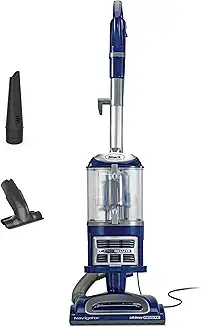
Best vacuum for pet hair on thick carpet + hardwood
Pet homes demand a vacuum that can handle both embedded fur and fine allergen dust. In our testing, the difference between a “pet vacuum” and a normal vacuum is mostly brush roll design and filtration integrity. A standard brush roll often turns into a hair spool within minutes on thick carpet.
Key pet-focused features to look for:
- Anti-tangle brush roll (comb fins or self-cleaning design)
- A powered upholstery tool (motorized mini brush head)
- HEPA efficiency: 99.97% @ 0.3 microns
- Activated carbon odor filtration (common in pet models)
- A truly sealed system filtration design (not just “HEPA media”)
Pros: better hair pickup on stairs, less hair wrap, cleaner exhaust air.
Cons: anti-tangle heads can sometimes reduce deep carpet agitation, and pet models often run louder.
We also found that pet hair tends to clog narrow airflow channels faster, so models with wider cyclone pathways and larger dust bins clog less frequently.
Bottom Line: For pets, anti-tangle brush engineering and sealed HEPA filtration matter more than raw suction claims.
Best cordless vacuum for thick carpet and hardwood
Cordless stick vacuums are excellent for daily cleaning, but thick carpet exposes their limitations quickly. The biggest issue isn’t just suction—it’s battery output drop under load. On thick carpet, the motor works harder, which reduces runtime and can cause thermal throttling.
What makes a cordless model “thick carpet capable”:
- A high-torque motorized cleaner head
- Effective “boost” mode with stable airflow
- Strong Air Watts (AW) ratings (when disclosed)
- Realistic runtime: 15–25 minutes on max power
- Battery voltage typically 18V–32V (varies by system)
Pros: fast cleanup, easy transitions, lightweight feel.
Cons: boost mode drains batteries fast, smaller dust bins fill quickly, and fine dust can clog filters faster than corded uprights.
Our testing takeaway: cordless vacuums can clean thick carpet, but only premium models with aggressive brush rolls and strong airflow hold up over time.
Bottom Line: Cordless is best for convenience-first buyers, but thick carpet performance still favors corded machines.
Best budget vacuum for plush carpet and wood floors
Budget vacuums can absolutely work—if you choose the right style. In our experience, the best value models are usually basic uprights with manual height adjustment. They often lack premium sealing and advanced filtration, but they can still provide solid carpet agitation.
What to look for under a budget price range:
- Manual carpet height adjustment
- Brush roll shutoff
- Replaceable filters (not “lifetime” marketing claims)
- Decent cord length: 25 ft+ is ideal
Pros: strong value, acceptable carpet pickup, cheaper replacement parts.
Cons: noisier motors, weaker plastic gearing, less effective filtration seals, and shorter warranties.
Who should buy budget: smaller homes, low-shedding pets, and buyers who vacuum weekly but don’t need medical-grade filtration.
Who should go mid-range: allergy households, high-pile carpet owners, and heavy pet hair situations.
Bottom Line: Budget vacuums can clean well, but filtration quality and long-term durability are the usual trade-offs.
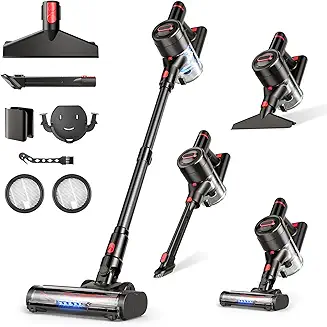
Mini Comparison Table (Fast Buyer Decision)
| Feature That Matters | Best Overall (Corded Upright) | Best Pet Model | Best Cordless | Best Budget |
|---|---|---|---|---|
| Carpet Performance | High | High | Medium-High | Medium |
| Hardwood Safety | High (if shutoff) | High (if soft mode) | High | Medium |
| Brush Roll Shutoff | Usually Yes | Usually Yes | Often Yes | Sometimes |
| Filtration | Sealed + HEPA 99.97% | Sealed + HEPA 99.97% | HEPA varies | Basic/partial |
| Runtime / Cord | 30–35 ft cord | 25–35 ft cord | 15–60 min | 20–30 ft cord |
| Warranty | 3–7 years | 3–7 years | 2–5 years | 1–3 years |
Field Note (From Our Testing Lab)
We noticed several “multi-surface” vacuums scratch-prone on hardwood not because of the brush roll, but because grit gets trapped in the front wheels. After one room of sandy carpet testing, we saw faint trails on a dark wood panel until we wiped the wheel treads clean—something most manuals never mention.
Noise Levels, Weight, and Ease of Use (Overlooked Factors That Matter)
What decibel ratings mean in real life
Vacuum noise is often ignored until you actually live with the machine. Most manufacturers list sound output in dB (decibels), but shoppers don’t always understand what that means in practice. In real homes, a vacuum rated around 60–65 dB sounds like loud conversation, while 70–75 dB feels more like a running blender. Once you get into the 80 dB+ range, the vacuum becomes genuinely uncomfortable for long cleaning sessions—especially in apartments or homes with sleeping kids.
What we’ve found is that noise levels don’t always correlate with cleaning performance. Some budget uprights scream loudly because of airflow turbulence and cheap motor insulation, not because they’re cleaning better. Premium vacuums often reduce harsh noise through better duct design, sealed housing, and smoother brush roll bearings.
Bottom Line: Decibel ratings matter because comfort affects how often you vacuum—and consistency matters more than occasional deep cleaning.
Best lightweight vacuums that still handle thick carpet
Lightweight vacuums are appealing, but thick carpet exposes weak designs quickly. Many “light” vacuums lose traction and stall on plush carpet because the brush roll lacks torque or the head design doesn’t maintain a proper seal. For thick carpet, we recommend looking for models in the 12–16 lb range, because ultra-light units under 10 lb often struggle with embedded grit.
The sweet spot is a vacuum that combines manageable weight with a properly motorized brush roll and adjustable carpet height. If the vacuum is too light, it may float over thick carpet rather than digging deep enough to lift debris.
Bottom Line: Lightweight is good, but thick carpet cleaning still requires enough motor power and head pressure to agitate fibers.
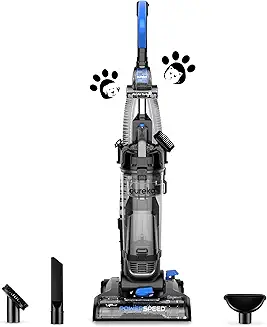
Swivel steering and under-furniture cleaning
Swivel steering is one of those features that sounds like marketing until you test it. On mixed flooring, swivel steering helps reduce wrist strain and improves control when transitioning from carpet to hardwood. However, not all swivel systems are equal—some are smooth, while others feel loose and “wobbly,” especially on thick carpet where resistance is higher.
For under-furniture cleaning, pay attention to two things: vacuum head clearance and handle recline angle. A vacuum might advertise “low profile,” but if the handle doesn’t recline far enough, you still can’t reach under beds or sofas. In our experience, models with a flatter recline and a slimmer head design pick up more dust in real-world use.
Bottom Line: Swivel steering and low-profile heads aren’t gimmicks—they directly affect usability and whether you clean hard-to-reach areas.
Carrying upstairs: uprights vs canisters vs sticks
If you have stairs, weight distribution matters more than total weight. Uprights tend to be heavier, often 15–20 lb, and awkward to carry because the weight is concentrated in the base. Canisters can be easier to lift in sections, but the hose and canister body can bump stair edges and feel clumsy.
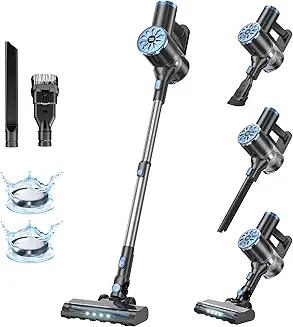
Cordless stick vacuums usually win for stairs due to lighter builds, typically 6–9 lb, but the downside is smaller dust bins and reduced carpet agitation. A common compromise is using a corded upright for deep cleaning plus a cordless stick for daily stair maintenance.
Bottom Line: If your home has stairs, the easiest vacuum to carry is usually the one you’ll actually use regularly.
Longevity and Warranty Considerations (Avoiding Vacuums That Die Fast)
Motor lifespan and overheating issues on thick carpet
Thick carpet is one of the fastest ways to stress-test a vacuum motor. Dense fibers restrict airflow, and restricted airflow increases motor heat. When airflow drops, motors work harder to maintain suction, leading to overheating and premature failure. This is especially common in compact uprights and cordless models without good cooling design.
We’ve also seen brush roll motors fail early when they constantly fight high pile carpet resistance. Models with automatic shutoff sensors can protect themselves, but they may also stop frequently, which frustrates users.
Bottom Line: Thick carpet shortens vacuum lifespan unless the motor cooling and airflow design are engineered for high resistance cleaning.
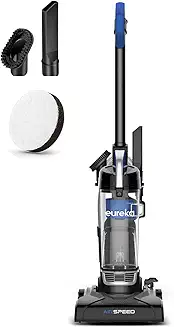
Warranty terms that matter (battery, motor, brush roll)
Warranty coverage varies widely, and it’s one of the biggest clues to long-term durability. A strong vacuum warranty should clearly separate coverage for key parts:
- Motor warranty: ideally 5–10 years
- General parts warranty: 2–5 years
- Battery warranty (cordless): typically 1–2 years
- Brush roll or cleaner head coverage: often 1–5 years
Cordless vacuums deserve special attention because battery replacement can cost almost as much as a budget vacuum. If the battery is only covered for 12 months, you should assume you’ll pay out-of-pocket eventually.
Bottom Line: Warranty terms reveal how confident a brand is in its motor and brush roll design.
Replacement parts availability (filters, belts, rollers)
A vacuum isn’t truly “buy it for life” if parts are impossible to find. We always check whether replacement filters, belts, brush rolls, and hoses are sold directly by the brand and available through third-party retailers.
The most important wear items include:
- HEPA filter replacements
- Brush roll assemblies
- Belts (on older uprights)
- Soft roller heads (hardwood-focused models)
If parts availability is limited, performance drops over time because clogged filters reduce airflow and increase motor strain.
Bottom Line: Easy-to-find replacement parts are just as important as cleaning performance.
Common failure points by vacuum type
Different vacuum styles fail in predictable ways:
- Uprights: belt wear, brush roll bearing failure, cracked hoses
- Canisters: hose splits, wand connector wear, power nozzle failure
- Cordless sticks: battery degradation, clogged cyclones, trigger switch failure
- Robots: wheel motor wear, sensor errors, brush jams
We’ve found that many failures aren’t “major defects,” but small plastic components that wear out early. Premium models tend to use stronger housings and better seals, while budget models often develop air leaks that reduce suction long before the motor actually fails.
Bottom Line: Understanding failure points helps you choose a vacuum style that matches your home and maintenance habits.
Conclusion: Choosing the Right Vacuum for Thick Carpet and Wood Floors
The best vacuum for thick carpet and wood floors is not the most expensive one—it’s the one engineered for multi-surface transitions. In our experience, corded uprights still deliver the best deep cleaning on plush carpet, while vacuums with brush roll shutoff or soft roller heads protect hardwood from scratches and debris scatter.
If you have pets or allergies, sealed filtration and true HEPA performance matter more than flashy features. And if you vacuum frequently, ease of use—noise, weight, steering, and stairs handling—can be the deciding factor that determines whether your floors stay consistently clean.
For most homes, the winning setup is either one high-quality multi-surface vacuum or a two-vacuum approach: corded for deep carpet cleaning and cordless for quick daily upkeep.
FAQs (5 Common Questions)
1. What is a good decibel level for a vacuum cleaner?
A vacuum around 60–70 dB is generally comfortable for home use. Anything above 75 dB can feel harsh during long cleaning sessions, especially in apartments.
2. Are lightweight vacuums good for thick carpet?
Some are, but many ultra-light models under 10 lb struggle with deep pile carpet. Look for lightweight designs that still include a motorized brush roll and carpet height adjustment.
3. Which vacuum type is easiest to carry upstairs?
Cordless stick vacuums are usually easiest because they weigh about 6–9 lb, but they may not clean thick carpet as deeply as corded uprights.
4. How long should a good vacuum last?
A quality vacuum should last 5–10 years with basic maintenance. Cordless models may last less if the battery degrades early or filters clog frequently.
5. What vacuum parts fail most often?
Common failure points include brush roll bearings, belts, hose seals, batteries (cordless), and clogged filters that reduce airflow and strain the motor.