
How does a robot vacuum know where to clean is one of the most common questions people ask after watching a small smart machine move confidently around furniture, walls, and corners without any help. At first glance, it almost feels like magic.
But behind that smooth movement is a mix of intelligent cleaning systems, smart navigation technology, and advanced sensors working together in real time.
Modern robot vacuums are not just automated floor cleaners that move randomly. Today’s smart vacuum cleaners use robot vacuum navigation systems, AI navigation, and room mapping technology to understand your home layout.
As a robotic vacuum moves, it constantly collects data using obstacle detection sensors, wall sensors, cliff sensors, and distance-measuring tools. This allows the robot vacuum to map a house, recognize rooms, and decide the most efficient cleaning path instead of wasting time going over the same spot again and again.
Some models rely on laser navigation (LIDAR), while others use camera-based navigation or visual mapping systems. Many advanced robot vacuums also use SLAM mapping technology to create a virtual map of your floors and update it as your furniture or room layout changes.
This is why an app-controlled robot vacuum can offer features like zone-based cleaning, no-go zones, and customized cleaning routes.
Understanding how robot vacuums know where to go helps you see the real difference between random navigation and smart path planning. It also makes it easier to choose a self-navigating vacuum that fits your home, whether you live in a small apartment or a large multi-room house.
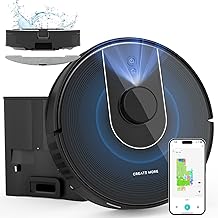
How Does a Robot Vacuum Know Where to Clean?
Simple explanation of navigation basics
How does a robot vacuum know where to clean when it enters a room for the first time and starts moving with confidence. The answer is simple but smart. A robot vacuum uses built-in navigation systems to understand its surroundings instead of guessing where to go.
Unlike basic machines, a smart vacuum cleaner constantly reads distance, direction, and movement. This allows the robotic best branded vacuum to know where it has already cleaned and where it still needs to go, creating an efficient cleaning route across your floors.
Difference between human cleaning vs robotic cleaning
When humans clean, we rely on eyesight and memory to decide where to move next. Robot vacuums work differently, but the goal is the same. They use sensors and software instead of eyes and memory.
How does a robot vacuum know where to clean without human thinking. It tracks movement digitally and follows smart path planning, which helps it cover the floor systematically rather than missing spots or repeating the same area.
Overview of sensors, software, and mapping working together
A robot vacuum navigation system works like a team. Sensors collect information, software processes it, and mapping technology turns it into action.
This teamwork allows the robot vacuum to map a house, recognize rooms, and clean efficiently. AI navigation in robot vacuums helps adjust cleaning behavior based on obstacles, room size, and layout changes.
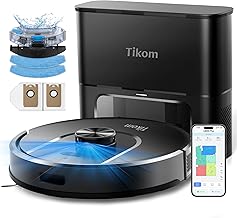
What Sensors Do Robot Vacuums Use to Navigate Your Home?
Obstacle Detection Sensors
Obstacle detection sensors help explain how does a robot vacuum know where to clean without crashing into furniture. These sensors detect objects like chairs, sofas, pet bowls, and even moving pets.
When the robot vacuum senses an object, it slows down, changes direction, or gently avoids contact. This makes automated floor cleaning safer and more precise in busy homes.
Cliff and Drop Sensors
Cliff sensors play a major role in preventing accidents. They detect sudden drops, such as stairs or ledges, before the robot vacuum moves forward.
This is another reason how does a robot vacuum know where to clean safely on multiple floor levels. The vacuum reads height changes instantly and turns away to avoid falling.
Wall and Edge Sensors
Wall and edge sensors help robot vacuums clean along baseboards and corners where dust often collects. These sensors allow the vacuum to follow walls closely without scraping them.
By doing this, the robot vacuum ensures better edge cleaning while maintaining a smooth navigation path throughout the room.
Gyroscopes and Motion Sensors
Gyroscopes and motion sensors track speed, direction, and rotation. They help the robot vacuum understand how far it has traveled and when it changes direction.
This data is essential for understanding how does a robot vacuum know where to clean and how to return to its charging dock without confusion.
How Robot Vacuum Mapping Technology Works
What Is SLAM Technology in Robot Vacuums?
SLAM mapping technology allows a robot vacuum to build a map while moving. SLAM stands for simultaneous localization and mapping, which means the vacuum knows where it is while mapping the space.
This technology explains how does a robot vacuum know where to clean accurately instead of relying on random navigation.
Why SLAM matters for accurate cleaning
SLAM helps robot vacuums avoid cleaning the same area repeatedly. It allows the vacuum to remember cleaned zones and move forward logically.
With SLAM, the robotic vacuum delivers systematic cleaning patterns that save time and battery life.
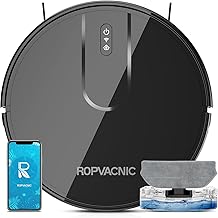
Real-Time Map Creation
As the robot vacuum moves, it creates a real-time map of your home. This map updates continuously as the vacuum detects walls, furniture, and open spaces.
Real-time mapping is a key reason how does a robot vacuum know where to clean even in new or changed environments.
Saving and Reusing Floor Maps
Many advanced robot vacuums save floor maps for future cleaning sessions. This helps them clean faster each time they run.
Multi-floor mapping allows the robot vacuum to recognize different levels of your home without starting from scratch.
LIDAR vs Camera-Based Navigation Systems
How LIDAR Navigation Helps Robot Vacuums Clean Smarter
LIDAR navigation uses laser navigation technology to scan the room and measure distances accurately. It creates highly detailed floor mapping, even in the dark.
This system helps explain how does a robot vacuum know where to clean with precision, especially in low-light conditions.
How Camera-Based Navigation Works
Camera-based navigation uses visual mapping systems to recognize objects and room layout. The vacuum identifies landmarks and tracks movement visually.
While effective, this system depends on lighting, which can affect performance in darker rooms.
Which Navigation System Is More Accurate?
LIDAR-based robot vacuums are usually more accurate and consistent. Camera-based systems can still work well but may struggle in low light.
Both systems support smart navigation technology, but laser navigation often provides better room mapping and path planning.
How Does a Robot Vacuum Decide Its Cleaning Path?
Systematic Cleaning Patterns Explained
Modern robot vacuums use systematic cleaning patterns instead of random movement. They clean in straight lines, rows, or room-by-room paths.
This method clearly shows how does a robot vacuum know where to clean efficiently without wasting energy.
Smart Path Planning vs Random Navigation
Older robot vacuums relied on random navigation, which often led to missed spots. New models use smart path planning based on mapping data.
Smart navigation improves coverage, reduces cleaning time, and delivers better results compared to random movement, making intelligent cleaning systems far more effective.
How Robot Vacuums Recognize Different Rooms
Doorway detection
How does a robot vacuum know where to clean when moving from one room to another without confusion. It uses sensors and mapping data to detect doorways and narrow openings as transition points between spaces.
As the robot vacuum crosses a doorway, it understands that a new cleaning area has started. This helps the smart vacuum cleaner avoid treating the entire house as one open space and instead clean in an organized way.
Room segmentation
Room segmentation is how a robot vacuum divides your home into separate zones on its virtual map. This process is a key reason how does a robot vacuum know where to clean room by room instead of wandering randomly.
Using robot vacuum mapping technology and SLAM mapping, the robotic vacuum identifies walls, large furniture, and boundaries to label distinct areas automatically.
Naming rooms via app
Most app-controlled robot vacuums allow you to name rooms like kitchen, bedroom, or living room. This makes cleaning more personal and precise.
When you select a room in the app, the robot vacuum navigation system uses saved floor mapping to clean only that space, showing clearly how does a robot vacuum know where to clean on command.
How Apps Help Robot Vacuums Clean More Precisely
Creating No-Go Zones and Virtual Walls
No-go zones and virtual boundaries tell the robot vacuum where not to clean. This feature is useful for areas with cables, pet bowls, or delicate items.
By setting these zones in the app, you control how does a robot vacuum know where to clean and where to stay away, without placing physical barriers.
Zone Cleaning and Spot Cleaning
Zone cleaning allows you to select a specific area on the map for focused cleaning. Spot cleaning targets small messes in high-traffic areas.
These features use smart path planning and room mapping technology to guide the robot vacuum directly to the selected spot.
Smart Home and Voice Assistant Integration
Many smart vacuum cleaners work with Alexa and Google Assistant. Voice commands make starting or stopping cleaning easy.
This integration adds convenience while still relying on intelligent cleaning systems to decide how does a robot vacuum know where to clean after receiving a command.
What Happens When a Robot Vacuum Gets Stuck or Lost?
Self-correction technology
When a robot vacuum gets stuck, it does not panic or shut down immediately. It uses self-correction technology to retrace its path.
This feature helps explain how does a robot vacuum know where to clean even after encountering unexpected obstacles.
Returning to dock
Robot vacuums use saved mapping data and sensors to find their charging dock. They calculate distance and direction in real time.
Even if cleaning stops early, the robot vacuum navigation system ensures a safe and accurate return.
Re-mapping when furniture moves
If furniture changes position, the robot vacuum updates its map during the next cleaning session.
This real-time mapping ability keeps automated floor cleaning accurate and reliable over time.
Do All Robot Vacuums Navigate the Same Way?
Entry-level vs advanced models
Not all robot vacuums use the same navigation technology. Entry-level models may rely on random navigation.
Advanced models use AI navigation, LIDAR navigation, or camera-based navigation to understand how does a robot vacuum know where to clean efficiently.
Why cheaper models behave differently
Cheaper robot vacuums often lack detailed floor mapping and smart path planning. This leads to repeated cleaning and missed spots.
Without advanced sensors, these models struggle to map a house accurately.
What features actually matter
Navigation system quality matters more than extra features. SLAM mapping technology, obstacle detection sensors, and real-time mapping make a real difference.
These features directly affect how does a robot vacuum know where to clean with consistency.
Benefits of Smart Navigation in Robot Vacuums
Better coverage
Smart navigation allows robot vacuums to clean every part of a room without overlap.
This leads to even coverage and better cleaning results.
Less missed spots
Systematic cleaning patterns reduce the chance of missed areas.
Smart navigation technology ensures the robot vacuum tracks what has already been cleaned.
Faster cleaning
Efficient route planning reduces cleaning time.
The robot vacuum spends less time moving randomly and more time cleaning.
Improved battery efficiency
Smart path planning saves battery power by avoiding unnecessary movement.
This helps the robot vacuum clean larger areas on a single charge.
Common Myths About Robot Vacuum Navigation
They clean randomly
Many people still believe robot vacuums clean randomly because early models moved without a clear pattern. Modern robot vacuums work very differently and rely on smart navigation technology instead of chance.
Today’s smart vacuum cleaners use mapping systems, sensors, and AI navigation to track where they have already cleaned. This is exactly how does a robot vacuum know where to clean without wasting time or missing areas.
They can’t handle furniture
Some people think robot vacuums struggle around furniture, but this is no longer true for current models. Obstacle detection sensors allow the robot vacuum to recognize sofas, chairs, and table legs in real time.
The robotic vacuum slows down, adjusts its path, and cleans closely around objects. This clearly shows how does a robot vacuum know where to clean without damaging furniture or getting stuck.
They don’t remember rooms
Another common myth is that robot vacuums forget room layouts after each cleaning cycle. Advanced robot vacuums save floor maps and reuse them for future sessions.
By remembering room layouts, doorways, and cleaning zones, the robot vacuum navigation system ensures consistent results every time. This is another reason how does a robot vacuum know where to clean more efficiently with each run.
Things to Consider Before Buying a Robot Vacuum
Home size
Larger homes need robot vacuums with strong mapping and navigation systems.
This ensures full coverage without frequent recharging.
Pets
Homes with pets benefit greatly from robot vacuums that use strong obstacle detection sensors and smart navigation systems. Pet toys, food bowls, and sudden movement can confuse basic models.
Advanced robot vacuums understand how does a robot vacuum know where to clean by detecting obstacles in real time and adjusting their path. This helps manage pet hair more effectively without bumping into bowls or getting stuck.
Floor types
Different floor types can change how a robot vacuum moves and cleans. Hardwood, tiles, and carpets all require different cleaning behavior.
Smart vacuum cleaners use surface detection and mapping data to adjust suction power and movement speed. This allows the robot vacuum to clean smoothly while maintaining accurate navigation across mixed floors.
Navigation system importance
Navigation plays a bigger role than raw suction power in overall performance. A powerful motor means little if the robot vacuum cannot move efficiently.
Understanding how does a robot vacuum know where to clean helps you choose a model with better mapping, sensors, and path planning, ensuring consistent and complete cleaning for your home.
Conclusion
Robot vacuums have come a long way from simple machines that move around blindly. Today, smart vacuum cleaners use advanced navigation systems, sensors, and mapping technology to understand your home and clean it efficiently.
By using tools like obstacle detection sensors, SLAM mapping technology, LIDAR or camera-based navigation, and app-based controls, these devices can recognize rooms, plan cleaning paths, and avoid restricted areas with ease.
Once you understand how does a robot vacuum know where to clean, it becomes clear why smart navigation matters more than anything else when choosing the right robot vacuum for your home.
FAQs
How does a robot vacuum know where to clean on its first run?
On the first run, the robot vacuum uses real-time mapping and sensors to explore the space. As it moves, it creates a virtual map of your home and tracks where it has already cleaned.
This process helps the robotic vacuum understand room layout and build a base map for future cleaning sessions.
How does a robot vacuum know where to clean after furniture is moved?
When furniture is moved, the robot vacuum detects changes using its sensors and updates the map automatically.
Modern robot vacuums rely on smart navigation technology to adjust cleaning paths without needing a full reset.
How does a robot vacuum know where to clean when using an app?
When you use an app, the robot vacuum follows saved floor maps and your selected commands.
Room selection, zone cleaning, and no-go zones guide the robot vacuum navigation system to clean only the areas you choose.